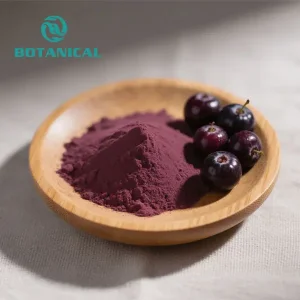
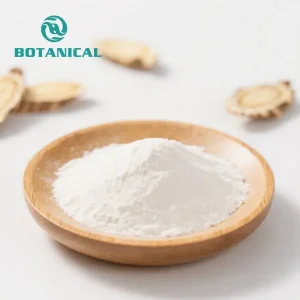
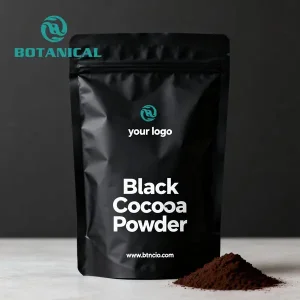
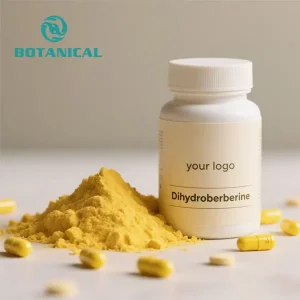
Our raw material portfolio features premium grade active compounds and standardized herbal matrix powders designed for food, beverage, nutraceutical, and cosmetic manufacturing.
In the global food science and ingredient manufacturing sector, raw liquid honey poses persistent logistical, process-engineering, and formulation challenges. Liquid honey's high viscosity, susceptibility to moisture fluctuations, sticky handling profiles, and rapid crystallization characteristics make it difficult to integrate into automated industrial processes. This is where a specialized ODM natural honey powder supplier steps in. By converting natural honey into a free-flowing, stable, and highly soluble powder, we provide a product that delivers the clean-label sweetness, authentic flavor profile, and nutritional properties of liquid honey in a format optimized for modern, high-speed food and supplement manufacturing lines.
This whitepaper details the structural dynamics of global natural honey powder production. We cover everything from the thermodynamics of spray-drying to the supply chain advantages of Chinese manufacturers. We also address key analytical strategies required to navigate the strict regulatory frameworks in North America, Europe, and the Asia-Pacific region.
Liquid honey is a concentrated aqueous solution containing mainly fructose (approx. 38%) and glucose (approx. 31%). The remaining sugars are sucrose, maltose, and other complex oligosaccharides. Because fructose has a low glass transition temperature (Tg = 5°C), spray drying pure liquid honey can result in a sticky paste that adheres to the chamber walls. Successful spray drying requires precise formulation with carrier matrices (such as maltodextrin, gum arabic, or clean-label chicory root fiber) to raise the glass transition temperature, ensuring a free-flowing, non-caking powder.
Optimizing water activity (Aw) is critical to prevent bacterial proliferation and maintain chemical stability. Our ODM honey powder is engineered to hold a water activity below 0.3, ensuring a long shelf life. Additionally, optimizing particle size (ranging from 60 to 100 mesh) allows for rapid dissolution in liquid bases without clumping. This makes our honey powder highly suitable for instant dry mixes, baking applications, and cosmetic formulations.
Adulteration is a significant concern in the honey supply chain. Common issues include the addition of cheap C4 syrups (derived from corn or cane) or C3 syrups (derived from rice or beet). Authentic B2B procurement relies on advanced analytical testing, including Stable Isotope Ratio Mass Spectrometry (IRMS) and Nuclear Magnetic Resonance (NMR) profiling. These tests verify that the honey solids used in the powder match the botanical and geographical origin profiles declared on the label.
The global demand for natural honey powder is driven by the clean-label movement, sugar reduction trends, and the expansion of the natural cosmetics industry. According to industry analyses, the market for dehydrated honey solids is growing at a stable CAGR of over 6.2%.
In the North American market, natural honey powder is widely used in the clean-label snack, bakery, and premium sauce sectors. As brands replace high-fructose corn syrup (HFCS) and artificial sweeteners, natural honey powder is becoming a popular choice. It serves as an authentic sweetening agent that fits easily into dry-mix lines, dry rubs, and ready-to-mix (RTM) sports nutrition products.
European buyers prioritize product purity, trace contaminant limits, and GMO-free status. Following EFSA guidelines, we ensure that honey powder batches exported to the EU are certified free of pyrrolizidine alkaloids (PAs), pesticide residues (specifically glyphosate), and veterinary drug residues (such as chloramphenicol). The demand for organic honey carrier configurations remains high in Western Europe.
The Asia-Pacific region is experiencing rapid growth in the cosmetics, personal care, and functional tea sectors. Honey powder acts as a natural humectant in skin care formulations, drawing moisture from the atmosphere. It is also widely used in powdered herbal and instant tea formulations across China, Japan, South Korea, and Southeast Asia.
Benefiting from the solid foundation provided by its parent company, Xi'an Tianben Bioengineering Co., Ltd., Botanical Cube Inc. focuses on researching, developing, producing, and selling healthy natural ingredients. With more than two decades of industry experience, it has become a leader in the field, specializing in providing high-quality plant extracts and customized solutions to global customers. Our services meet the needs of diverse industries, including herbal medicine, health foods, dietary supplements, food and beverages, daily chemicals, and cosmetics.
Our operations are supported by three companies—Xi'an Tianben Bioengineering Co., Ltd., Botanical Cube Inc., and Shaanxi Tianben Kangyuan Biotechnology Co., Ltd.—which together operate 3 production bases covering more than 100 acres and process more than 3,000 tons of plant raw materials each year.
Our product range includes more than 200 plant extracts, and we also provide a variety of certified organic products to meet the global demand for environmentally friendly and healthy solutions. We export to 60% of the world's countries, serving more than 200 countries and regions and over 500 customers across multiple industries.
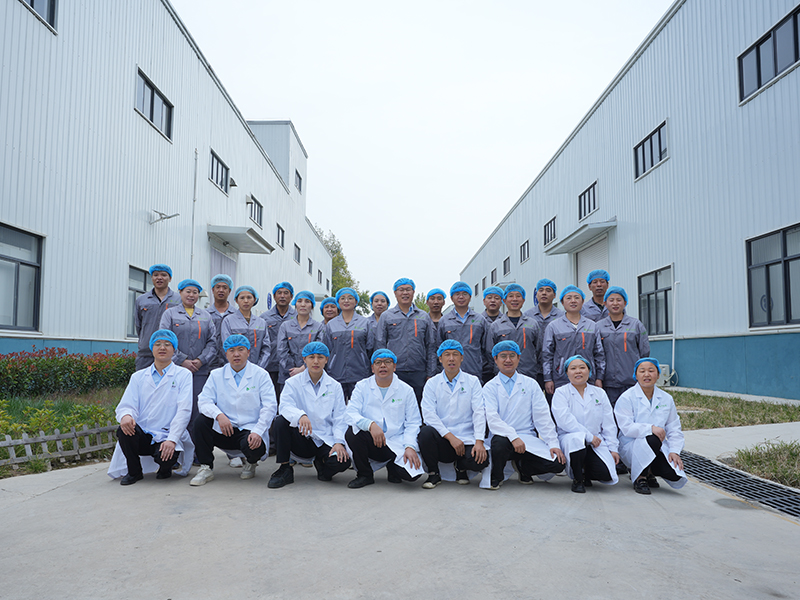
Our first factory was established in 2012 in Sanyuan, Xi'an, four years after our company was founded. In our early stages, we continuously refined our processes. We invested heavily in technology, training, and quality control to strengthen our capabilities. These efforts laid a strong foundation for our future growth, shaping the high standards of excellence we uphold today.
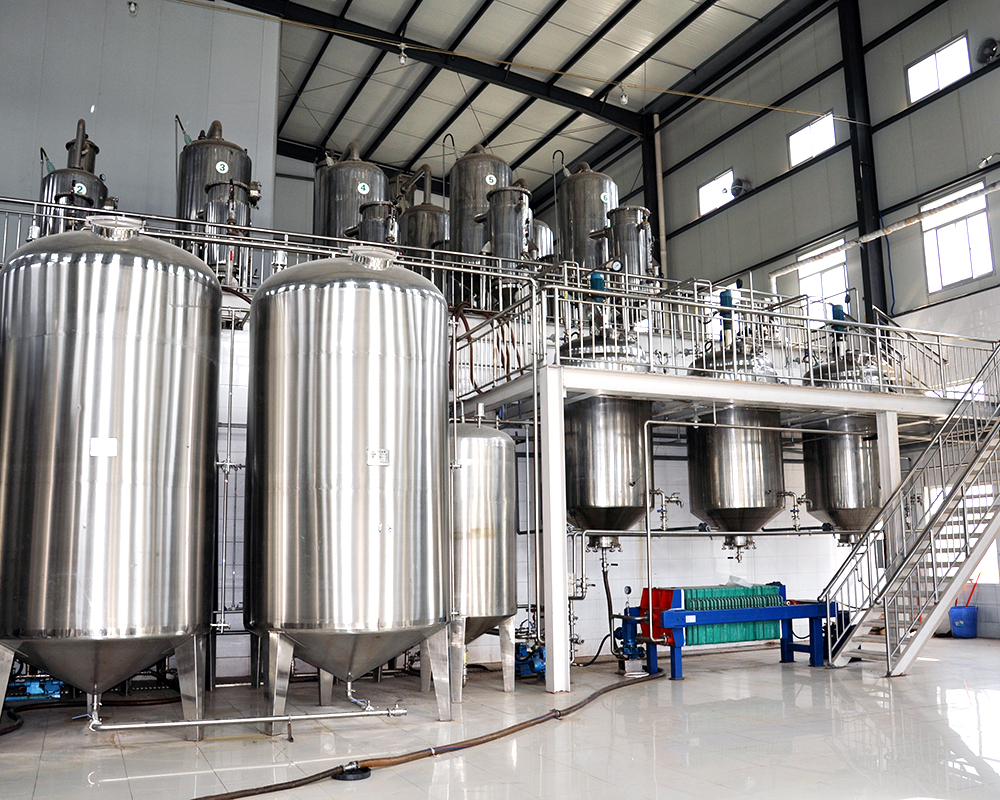
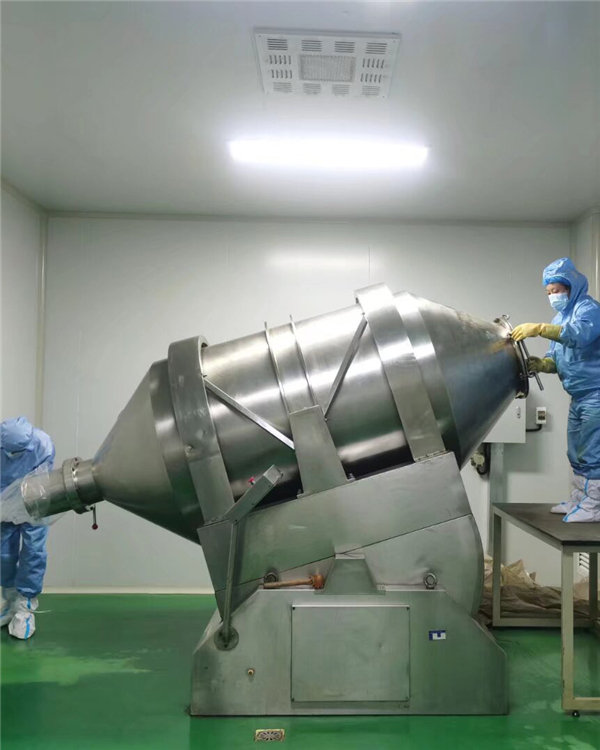
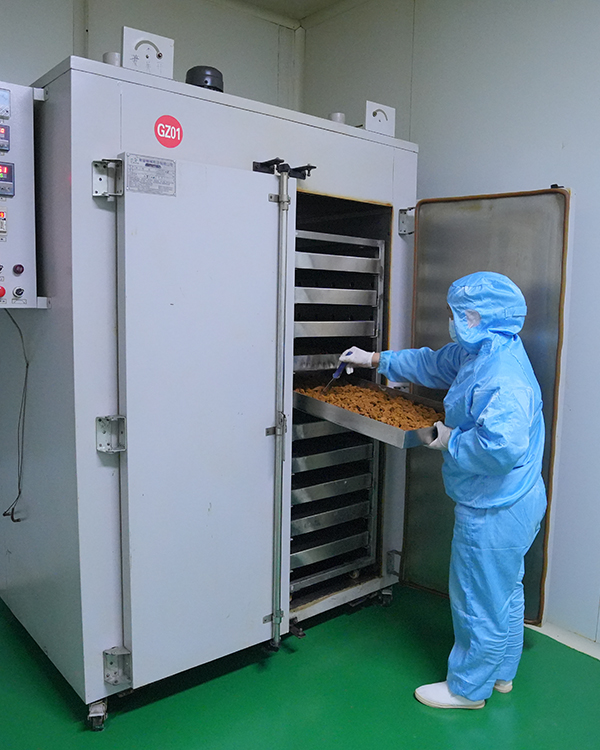
Powder collection, crushing and sieving, mixing, and drying processes are all performed in a Class 100,000 cleanroom environment. Our operators strictly follow hygiene protocols and wear sterile gowns, masks, and gloves to maintain product purity and safety. This helps us ensure that we provide our customers with high quality standards and reliable ingredients.
Operating in a sterile cleanroom prevents cross-contamination, which is essential for export-ready products bound for regulated pharmaceutical and food markets. Modern HVAC filtration systems continuously exchange air, filtering out particulate matter down to microscopic levels to preserve the microbial integrity of our honey powder.
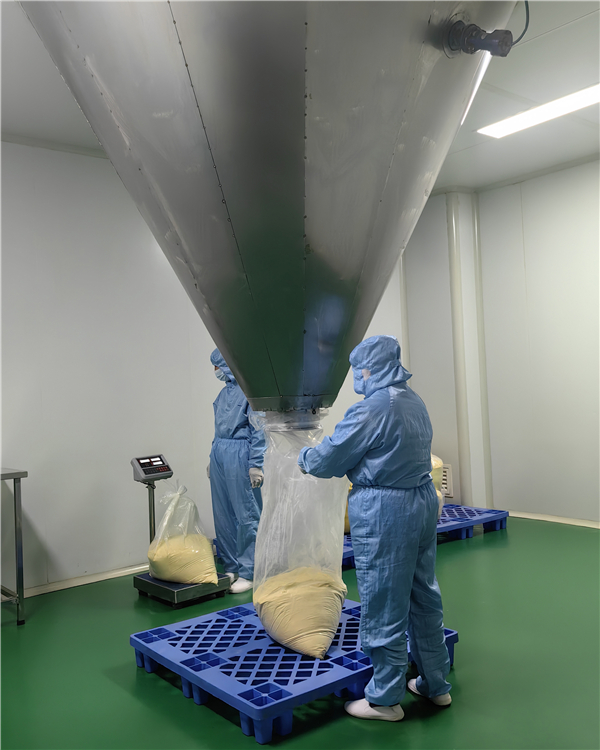
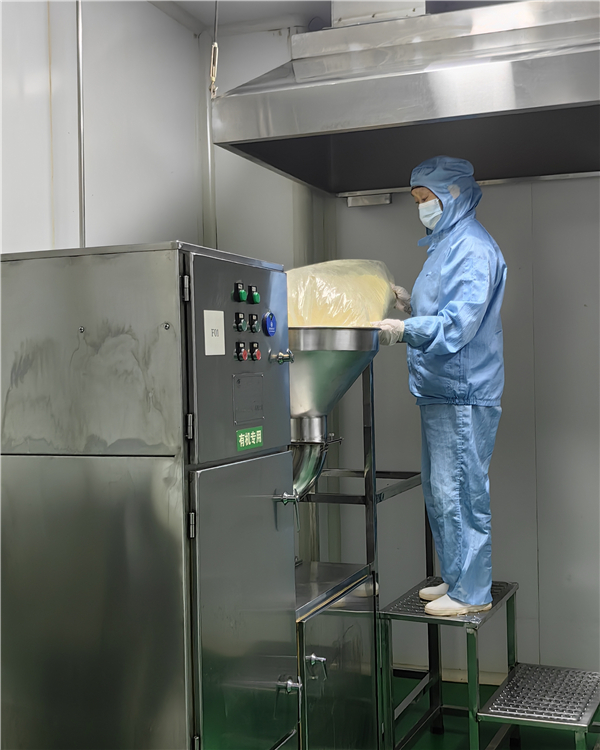

Partnering with a Chinese manufacturer for natural honey powder offers distinct strategic advantages for global buyers. Chinese manufacturing combines raw material scale with advanced processing infrastructure and favorable logistics.
China is one of the world's largest honey producers, with diverse geographical zones offering access to various floral sources, including Acacia, Linden, and Polyfloral honey. This extensive supply network ensures stable pricing and consistent volume availability, protecting global buyers from regional shortages.
Our facilities utilize advanced spray-drying systems with high-pressure nozzles and fluidized bed coolers. This technology allows us to precisely control thermal exposure, preserving the heat-sensitive biological enzymes (such as diastase and glucose oxidase) and natural volatile aromas present in liquid honey.
Located near major transport hubs in Xi'an and connected to global ports via rail and maritime shipping networks, our logistics infrastructure ensures efficient container loading, customs clearance, and transit times. This helps us maintain reliable delivery schedules for global ports.
Natural honey powder is a versatile ingredient used across multiple industries. Its powder form allows for clean handling and easy mixing in dry formulations where liquid sweeteners cannot be used.
In baking, honey powder acts as a natural humectant, retaining moisture to extend the shelf life of bread, cookies, and pastries. It promotes Maillard browning, giving baked goods a golden-brown crust and a rich honey aroma. Because it contains no water, it does not alter the hydration balance of dough formulations.
Honey powder is highly soluble, making it well-suited for instant tea packets, dry drink mixes, protein shakes, and powdered meal replacements. It provides natural sweetness and a clean label, replacing refined sugars and artificial alternatives.
In dietary supplements, honey powder serves as a natural binder in tablets or a flavorful base for powdered herbal formulations, chewable tablets, and throat lozenges. It provides the natural soothing benefits of honey in a stable format for dry dietary supplements.
Honey's natural skin-conditioning properties are highly valued in the cosmetic industry. In its powdered form, it is easily incorporated into dry face masks, bath bombs, solid cleansers, and dry shampoos. It hydrates skin and hair, functioning as a clean-label alternative to synthetic moisturizers.
To ensure a reliable and compliant supply of honey powder, sourcing directors should verify key chemical, physical, and regulatory parameters:
Standard honey powders typically use maltodextrin (derived from corn, wheat, or tapioca) as a carrier. For brands aiming for clean labels, we offer custom carrier options, such as chicory root fiber (inulin), organic rice maltodextrin, or gum arabic. This helps brands meet specific label claims, such as Non-GMO or Grain-Free.
To prevent caking and extend shelf life, the moisture content should remain under 4.0%, and the water activity (Aw) should be kept below 0.3. This stability is critical for export shipments traveling across varying climate zones.
Our raw ingredients undergo testing to comply with international regulations, including FDA, EFSA, and GB standards. Each batch is screened for heavy metals (lead, arsenic, mercury, cadmium) and pesticide residues (such as glyphosate and neonicotinoids).
The honey powder industry is evolving to meet shifting consumer demands and regulatory changes. Key trends shaping the future of dehydrated natural sweeteners include:
Research is focused on developing carrier-free honey powders using advanced vacuum belt drying or specialized cooling technologies. While technically challenging due to honey's low glass transition temperature, carrier-free powders offer maximum honey content for premium formulations.
Global buyers increasingly demand end-to-end transparency from the hive to the manufacturing facility. Integrating QR codes and batch-tracking documentation allows brands to show consumers the origin and safety record of the honey used in their products.
Combining natural honey powder with active botanical extracts, such as ginger, ginseng, or chamomile, creates functional sweetening powders. These custom blends simplify the manufacturing process for functional beverage and supplement brands.
Explore our additional line of standardized botanical extracts, active cosmetic powders, and high-purity nutritional raw materials.
 Botanical