
High-Quality Polyglutamic Acid (PGA) powder Manufacturers, Manufacturer

CAS No.: 25513-46-6

Specification: ≥98%

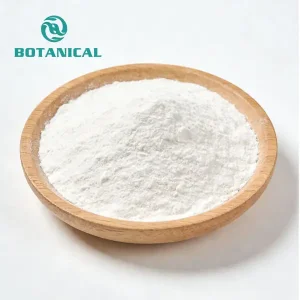
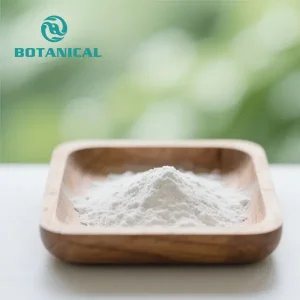
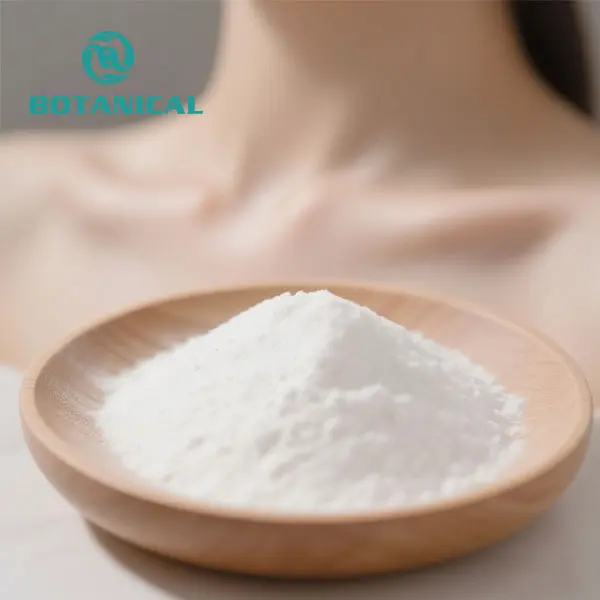
Appearance: White to off-white powder

Test Method: HPLC

Solubility: Soluble in water, insoluble in organic solvents

Applications: Skincare hydration,Anti-aging serums

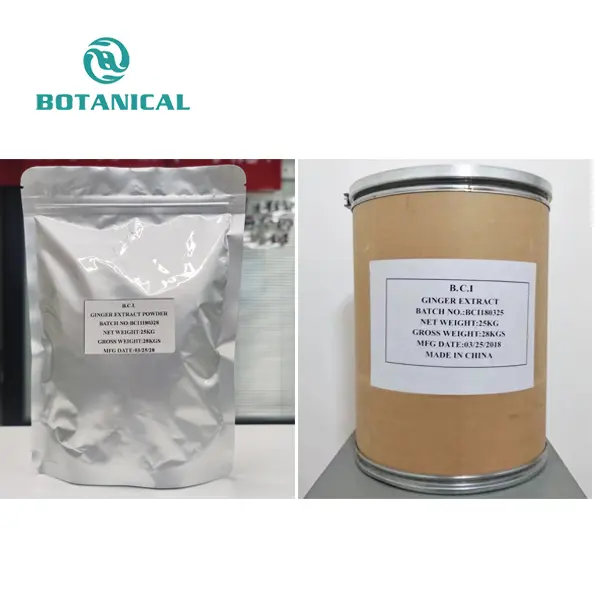
Package: 1–25kg or customized

Sample: 10–50g sample for free

Storage: Cool dry place away from direct sunlight

Certificates: ISO22000, Kosher, Halal, Organic (EU), USDA, FSSC22000, FAD, SGS, cGMP

Shelf life: 2 years, Available in bulk, Private Label/OEM&ODM

Product Description

Hydration Powerhouse: Polyglutamic Acid (PGA) Powder

Polyglutamic Acid Powder, often referred to as PGA or Gamma-Polyglutamic Acid (gamma-PGA), is a next-generation biopolymer celebrated for its exceptional moisturizing and skin-conditioning benefits. Derived through the fermentation of Bacillus subtilis (the same process used to make the traditional Japanese food natto), this natural polypeptide is an anionic, water-soluble compound that represents a significant advancement in high-performance skincare ingredients.

Gamma-Polyglutamic Acid (gamma-PGA) The core strength of this product lies in its active component, Gamma-Polyglutamic Acid (gamma-PGA), a unique polymer of glutamic acid. Its efficacy is rooted in two primary functions:

  • Unrivaled Hydration: gamma-PGA is an astonishingly powerful humectant, capable of holding up to 5,000 times its weight in water—significantly surpassing the water-binding capacity of traditional hyaluronic acid. This property delivers profound, long-lasting hydration, leading to visibly plumper, smoother, and more radiant skin.
  • Protective Film-Former: Unlike ingredients that penetrate deeply, PGA's larger molecular weight allows it to form a very thin, invisible, and breathable film on the skin's surface. This barrier effectively locks in moisture, prevents transepidermal water loss (TEWL), and helps to protect the skin from environmental stressors. Additionally, it can inhibit the breakdown of the skin's natural hyaluronic acid, supporting its intrinsic hydration system.

Positioned as a "superior" or "next-generation" humectant to Hyaluronic Acid, PGA is highly sought after across the cosmetics and personal care sectors. Its excellent biocompatibility, biodegradability, and non-toxic nature align perfectly with the "clean beauty" trend and the demand for eco-friendly formulations. Skincare brands are increasingly featuring PGA in serums, moisturizers, and masks to capitalize on its visible plumping and anti-aging effects, making it a critical ingredient for forward-thinking formulations.

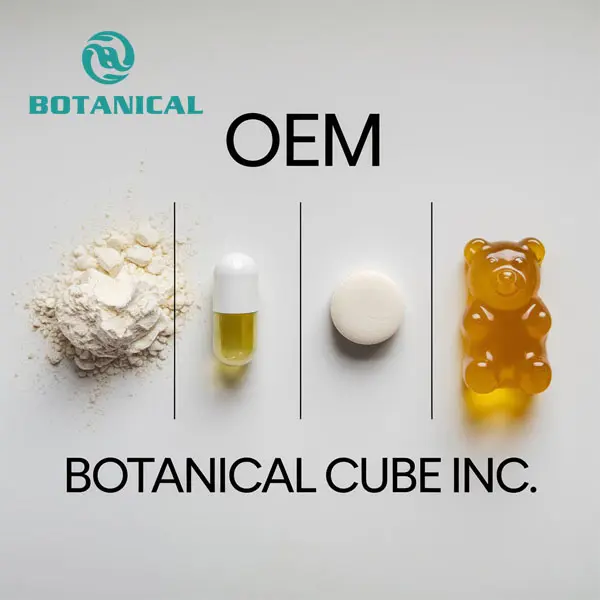
Our OEM/ODM service specializes in integrating complex, functional biopolymers like PGA into stable, effective formulations. We offer the expertise to navigate the unique solubility and pH challenges of gamma-PGA, ensuring perfect stability and optimal performance across various product bases (serums, creams, toners). This deep formulation expertise, combined with highly efficient large-scale production, allows our partners to rapidly bring premium, high-demand Sodium Polyglutamate products to market without the substantial R&D overhead required to master this powerful ingredient. We are your partner for turning the advanced science of Polyglutamic Acid into a market-ready, high-performance cosmetic product.
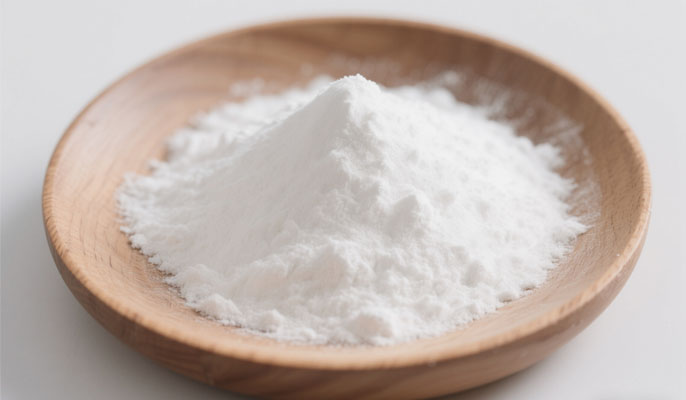
Polyglutamic Acid (PGA) powder 2

Why our Polyglutamic Acid (PGA) powder?

1. Controlled, Dual-Action Molecular Weight

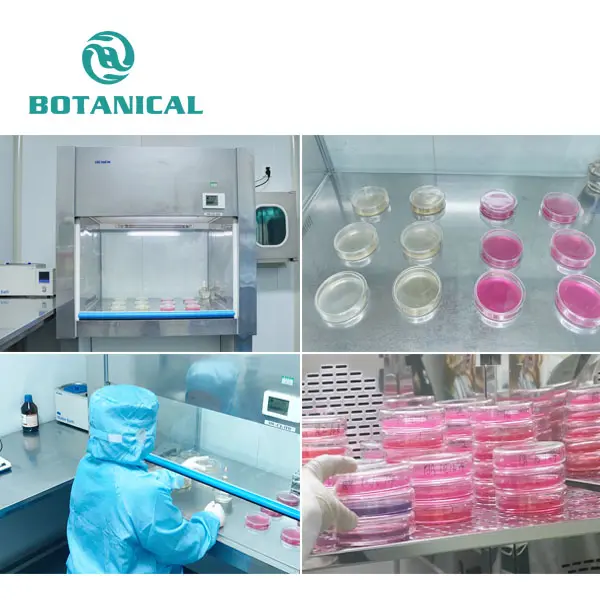
The effectiveness of gamma-Polyglutamic Acid (gamma-PGA) is entirely dependent on its molecular weight (Mw)—a factor many suppliers offer inconsistently. Our unique selling proposition lies in our precise fermentation and purification processes, honed over nearly 20 years of biopolymer research and development experience, allowing us to offer:

  • Precision Mw Targeting: We do not just supply a range; we provide PGA powder with a precisely controlled molecular weight profile. For example, we can deliver a batch highly concentrated in a specific high-Mw fraction (e.g., 1,000 kDa to 2,000 kDa) to maximize the surface film-forming and moisture-lock effect (reducing Trans-Epidermal Water Loss by an estimated 10 to 20 percent), which is the primary consumer-facing benefit of PGA.
  • True "Hydration Synergy" Capability: Our research and development has optimized strains to produce PGA with a superior purity (typically 95 percent or higher for cosmetic grade), free from high levels of residual bacterial proteins. This high purity is critical because it ensures your final formulation can fully leverage PGA's secondary, anti-aging function: inhibiting the breakdown of the skin's natural Hyaluronic Acid (HA). You are buying a synergistic ingredient, not just a surface humectant.

2. OEM/ODM Partnership Advantage: Stability and Integration Mastery

For an ingredient as sensitive as PGA, our nearly two decades of experience in large-scale biopolymer manufacturing translates directly into lower risk and faster market entry for you.

  • Formulation Stability Guarantee: PGA, being a high molecular weight poly-anion, is notoriously difficult to stabilize across varying pH, salt concentrations, and preservative systems common in cosmetic formulations. Our experience allows us to provide B2B clients with verified technical guidance and pre-validated PGA variants (such as specialized salts or co-processed powders) that overcome these common obstacles. This dramatically reduces your in-house research and development time, saving weeks or months in product development.
  • Scalability and Reliability: Biopolymer fermentation is complex. Our two decades of operational experience mean we have perfected the large-scale fermentation and purification yield of PGA. We offer a guaranteed supply chain with minimal batch-to-batch variation, even at high-volume demands, which is essential for maintaining brand reputation and regulatory compliance across global markets.

Customization Beyond Standard Specs:

Low MW
50–200 kDa
For enhanced skin penetration in serums and ampoules.
Medium MW
500–800 kDa
Ideal balance for film-forming and moisture retention in creams and lotions.
High MW
1,000–2,000+ kDa
For creating heavy-duty protective barriers and thick formulations.

COA

Item Specification Result
Appearance White to off-white powder Complies
Odor Characteristic, mild Complies
Taste Slightly acidic Complies
Assay (Polyglutamic Acid) ≥98.0% (HPLC) 99.12%
Molecular Weight 1,000–2,000 kDa 1,650 kDa
Moisture Content ≤5.0% 2.16%
pH (1% solution) 5.0–7.0 6.3
Solubility Soluble in water, insoluble in ethanol Complies
Viscosity (1% solution, 25°C) 1,000–3,000 mPa·s 2,230 mPa·s
Loss on Drying ≤5.0% 2.8%
Residue on Ignition ≤1.0% 0.32%
Heavy Metals (Pb, As, Cd, Hg) ≤10 ppm total <5 ppm
Lead (Pb) ≤2.0 ppm <1.0 ppm
Arsenic (As) ≤1.0 ppm <0.5 ppm
Cadmium (Cd) ≤1.0 ppm <0.5 ppm
Mercury (Hg) ≤0.1 ppm <0.05 ppm
Total Plate Count ≤1,000 CFU/g <100 CFU/g
Yeast & Mold ≤100 CFU/g <10 CFU/g
E. coli Negative Negative
Salmonella Negative Negative
Staphylococcus aureus Negative Negative
Particle Size 100% pass 80 mesh Complies
Bulk Density 0.35–0.55 g/ml 0.48 g/ml
Shelf Life 24 months Conforms
Storage Condition Store in cool, dry place away from sunlight Complies

Common Applications & Recommend Dosage

1 Skincare and Cosmetics

Used in moisturizing creams, serums, and facial masks for its superior water retention capacity. It can hold up to 5,000 times its weight in water, helping to smooth fine lines and improve skin elasticity.
Recommended dosage: 0.1–1% in water-based formulations.

2 Hair Care Products

Added to shampoos, conditioners, and hair masks to enhance moisture retention, smoothness, and manageability.
Recommended dosage: 0.1–0.5%.

3 Oral Beauty Supplements

Used in nutricosmetics for skin hydration and elasticity improvement from within. Often combined with collagen or hyaluronic acid.
Recommended dosage: 50–200 mg per serving.

4 Biomedical and Pharmaceutical Applications

Applied in wound healing dressings, drug delivery systems, and tissue engineering due to its biodegradability and biocompatibility.
Recommended dosage: varies based on formulation requirements.

5 Food and Nutrition

Used as a natural moisturizing or texture-enhancing ingredient in functional foods and beverages.
Recommended dosage: 0.05–0.5%.

Partner with a Leading PGA Manufacturer

We invite you to partner with a manufacturer boasting two decades of expertise in biopolymer science, guaranteeing you access to the most stable, highest-purity gamma-PGA available. Whether you require Bulk powder supply or comprehensive OEM services to develop a finished product, our key advantage remains: precise control over molecular weight for verifiable, maximum skin hydration and film-forming performance. We back our quality and consistency with multiple international certification credentials, giving your brand a trusted foundation. Let's discuss your next breakthrough product today.
Frequently Asked Questions

Q1: Is Polyglutamic Acid better than Hyaluronic Acid?
Both are excellent moisturizers. PGA has a higher water retention capacity and forms a moisture-locking film, while HA focuses on deep hydration. Many brands use them together for synergistic effects.
Q2: Can Polyglutamic Acid be combined with other active ingredients?
Absolutely. It works well with Niacinamide, Hyaluronic Acid, Vitamin C, and Ceramides to enhance hydration and improve skin barrier performance.
Q3: Does Polyglutamic Acid cause stickiness in formulations?
When used above 1%, it may feel slightly sticky. Adjusting the formulation with lightweight emollients or combining it with HA can reduce tackiness.
Q4: Is Polyglutamic Acid natural or synthetic?
It is naturally derived from the fermentation of Bacillus subtilis using glutamic acid as a substrate, making it an eco-friendly biopolymer.
Q5: What customized molecular weights are available for formulations?
We offer customized ranges tailored to formulation requirements: Low MW (50-200 kDa) for deep penetration in serums, Medium MW (500-800 kDa) for balanced cream and lotion textures, and High MW (1,000-2,000+ kDa) for optimal film-forming barrier protection.
Q6: How does PGA provide protection besides hydration?
PGA forms a thin, invisible, and breathable film on the skin's surface. This barrier retains internal moisture to prevent transepidermal water loss (TEWL) and shields the skin from environmental stressors while preventing natural hyaluronic acid breakdown.

Related Products