Explore our highly standardized raw materials engineered for target applications in wellness, nutricosmetics, and food formulations.
Benefiting from the solid foundation provided by its parent company, Xi'an Tianben Bioengineering Co., Ltd., Botanical Cube Inc. focuses on researching, developing, producing and selling healthy natural ingredients. With more than two decades of industry experience, it has become a leader in the field, specializing in providing high-quality plant extracts and customized solutions to global customers. Services meet the needs of industries including herbal medicine, health foods, dietary supplements, food and beverages, daily chemicals and cosmetics.
Our operations are supported by three companies - Xi'an Tianben Bioengineering Co., Ltd., Botanical Cube Inc. and Shaanxi Tianben Kangyuan Biotechnology Co., Ltd. - which together operate 3 production bases covering more than 100 acres and process more than 3,000 tons of plant raw materials each year. The product range includes more than 200 plant extracts, and we also provide a variety of certified organic products to meet the global demand for environmentally friendly and healthy solutions. Exporting to 60% of the world's countries, serving more than 200 countries and regions and more than 500 customers from all walks of life.
"Integrating nature's science with advanced processing technology is our path to maintaining market leadership across 200+ countries."
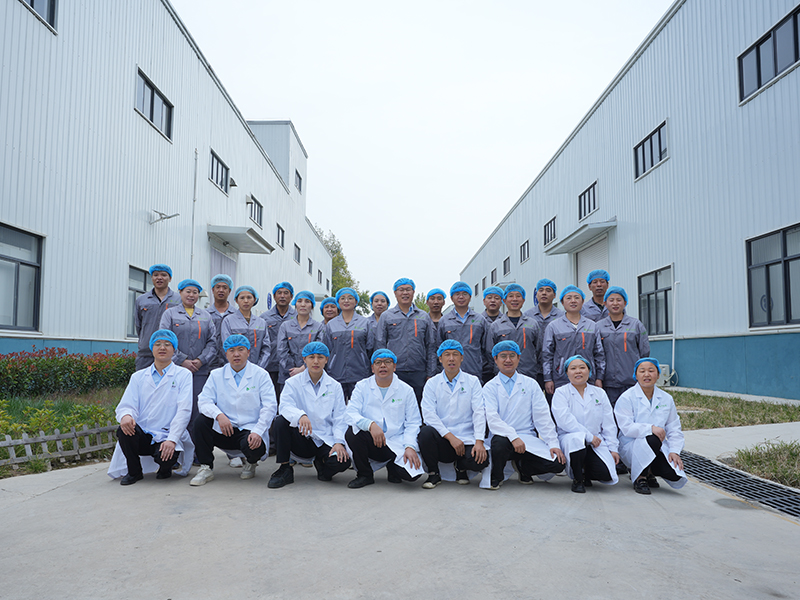
Enterprise statistics reflecting our technological footprints, scaled operations, and global partnership stability.
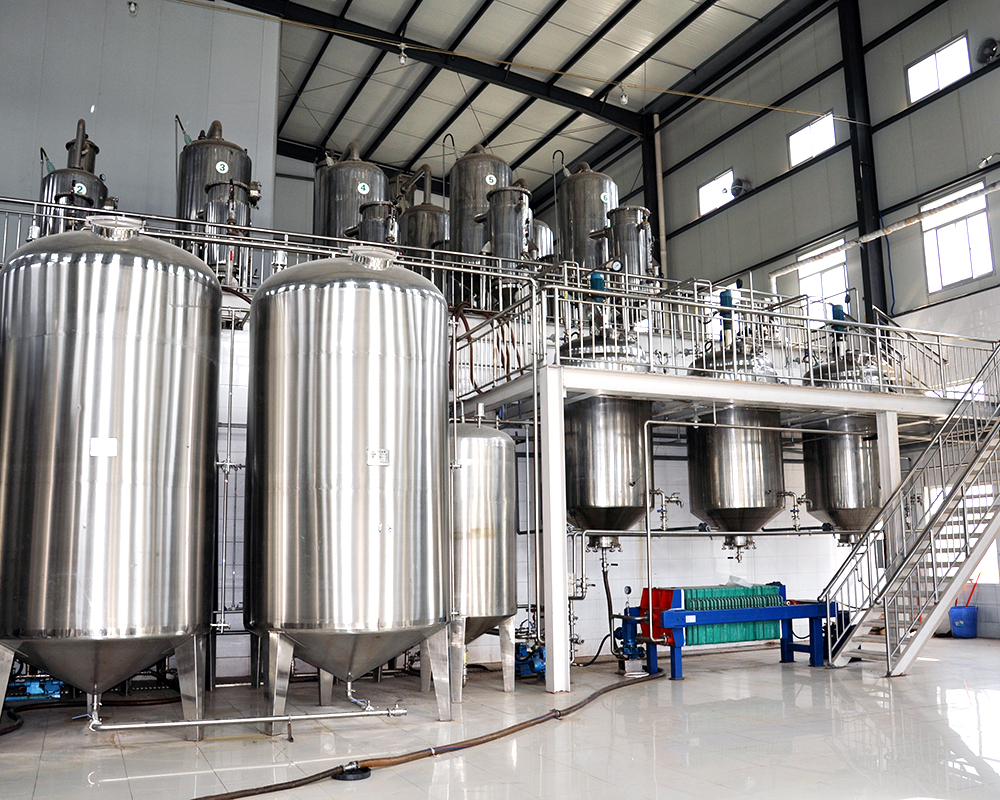
Our first factory was established in 2012 in Sanyuan City, Xi'an, four years after our company was founded. At that time, our production experience was still in its early stages, and we faced many challenges as we worked to refine our processes. However, we remained committed to continuous improvement, investing heavily in technology, training, and quality control to strengthen our capabilities. These early efforts laid a strong foundation for our future growth, shaping the high standards of excellence that we uphold today.
Today, the Sanyuan facility serves as a primary model for high-purity dietary fiber fractionation and botanical extraction, combining physical separation and advanced enzymatic treatments to create functional ingredients with exceptional batch consistency.
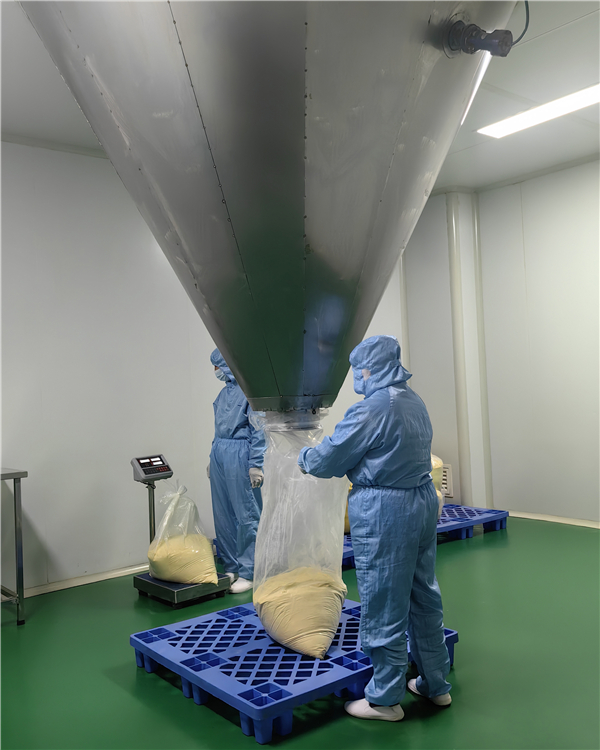
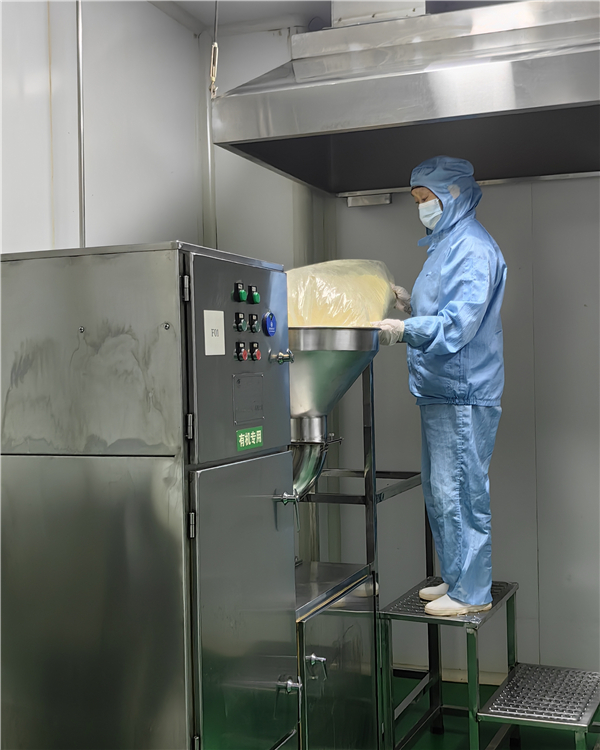
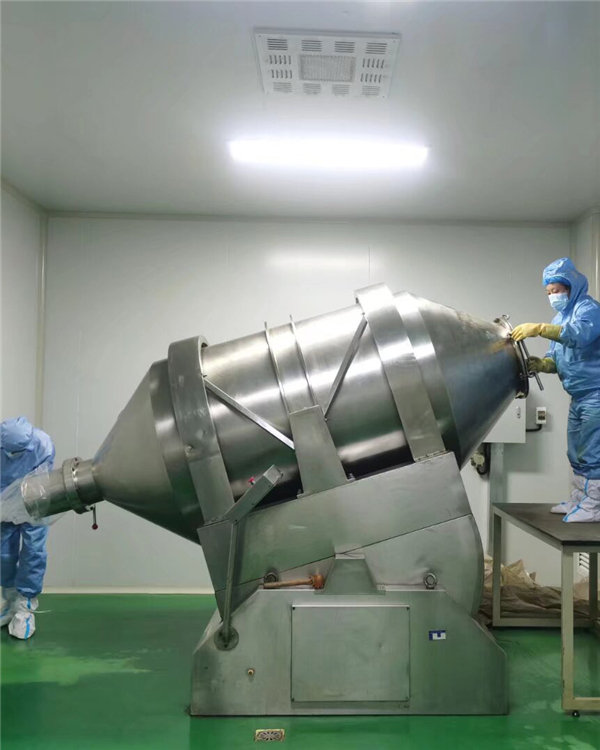
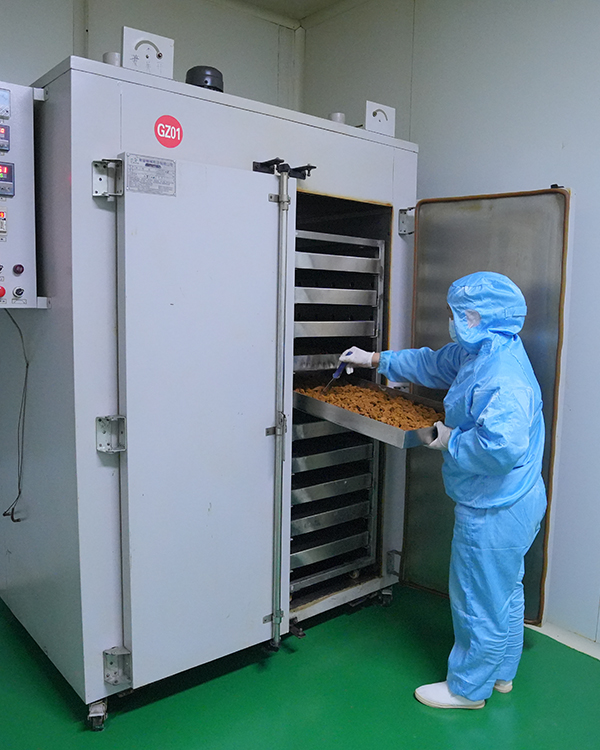
A pristine processing environment designed to eliminate contaminants, ensuring pharmaceutical-grade ingredient safety.
Powder collection, crushing and sieving, mixing and drying processes are all performed in a Class 100,000 cleanroom environment. Our operators strictly follow hygiene protocols and wear sterile gowns, masks and gloves to maintain product purity and safety, thus ensuring that we provide our customers with high quality standards and reliable ingredients.
By enforcing this strict HVAC filtration, pressure maintenance, and sanitized airflow, our pea dietary fiber achieves low microbial counts, low heavy metals, and zero foreign matter, matching the strict standards of infant food preparations and premium nutraceutical formulations.

A comprehensive technical look at the extraction routes, physical attributes, and micro-structural benefits of pea dietary fiber.
Derived from high-purity yellow peas (Pisum sativum), our dietary fiber is primarily composed of hemicellulose, cellulose, and pectin substances. It contains minimal starch, protein, and simple sugars, making it an excellent ingredient for glycemic management, high-fiber food formulations, and calorie-reduced diets.
The matrix of pea cotyledon fiber features a complex network of cell-wall polymers. It retains high water-holding capacity (WHC) and oil-holding capacity (OHC) due to its capillary porous structure. This physical organization contributes to high structural stability during heat, shear, and freeze-thaw cycles.
Processed through our specialized jet-milling and sensory deodorization steps, the fiber exhibits an exceptionally neutral flavor profile and cream-white color. It integrates seamlessly into dry powder formulations, meat-mimic matrices, and dairy emulsions without grittiness.
Industrial applications require selecting the right fiber fractions. Pea Cotyledon Fiber is derived from the inner cell-wall structure of the de-hulled pea, rich in hemicellulose and pectins, providing superior hydration properties and sensory qualities. Pea Hull Fiber, derived from the outer skins, is comprised mostly of insoluble cellulose, making it perfect for high-strength digestive wellness supplements and dense bakery additions. Through our multi-base manufacturing operations, Botanical Cube Inc. provides specialized processing lines for both fractions to fit your specific formulation goals.
How Botanical Cube Inc. stays at the forefront of carbohydrate and plant-based fiber processing innovations.
Our extraction engineering utilizes physical air classification and low-temperature enzymatic digestion instead of harsh chemical solvents. This protects the native structure of the arabinogalactan-proteins and cellulose fibers, ensuring optimal water retention. By utilizing non-GMO microbial enzymes, we target starch degradation down to <0.5%, yielding dietary fiber levels exceeding 90% purity.
In the near future, we are transitioning to sub-critical water extraction (SWE) to extract specific prebiotic soluble fractions (pectic polysaccharides) from pea hulls, boosting the functional values of our dietary fiber ingredients.
Our future product roadmap focuses on solving the physical challenges of pea fiber in high-moisture foods:
Practical integration strategies across key categories in food, beverage, and nutritional industries.
| Industry Segment | Primary Technical Challenges Addressed | Specific Benefit of Pea Dietary Fiber | Optimal Usage Rate (%) |
|---|---|---|---|
| Clean-Label Bakery | Moisture loss, gluten structural integrity, crumb crumbling, short shelf-life. | Retains moisture under high bake temperatures; reinforces crumb matrix; maintains softness over time. | 2.0% - 6.0% |
| Meat Alternatives & Analogues | Dry texture, lack of chewiness, low oil emulsification, poor water binding. | Forms a secondary thermal matrix holding juices and fats; mimics muscle tissue chewiness in textured proteins. | 3.0% - 8.0% |
| Functional Beverages | Grittiness, phase separation, sedimentation of dry powders, unpleasant flavor notes. | Jet-milled fiber (D50 < 40μm) provides suspension stability, smooth mouthfeel, and neutral sensory base. | 1.5% - 4.0% |
| Dietary Supplements | Low bulk density, processing losses in capsule filling, poor gut fermentation. | Excellent flowability and compressible carrier properties; slow fermentation profile preventing bloating. | 5.0% - 30.0% |
By leveraging China's advanced manufacturing capabilities, Botanical Cube Inc. operates automated, highly integrated processing systems that reduce manual handling, increase throughput, and eliminate human error. Key focus areas include:
| Moisture Content | ≤ 8.0% (Standardized) |
| Total Dietary Fiber | ≥ 80% to ≥ 90% grades |
| Arsenic (As) | ≤ 0.5 mg/kg |
| Lead (Pb) | ≤ 0.2 mg/kg |
| Aerobic Plate Count | ≤ 1,000 CFU/g |
Ensuring compliance with rigorous regulatory and functional standards for international distribution.
With increasing demands for clean allergen statements, our pea dietary fiber is processed on lines completely free from soy, wheat, dairy, and peanut proteins. We provide 3rd-party non-GMO certifications for every shipment.
Global procurement teams struggle with pea off-flavors (grassy, beany notes). Our thermal-deaeration process strips volatile hexanal compounds, providing a clean neutral taste for sensitive food recipes.
Consistency is key. We standardize the water holding capacity to between 4g - 8g of water per gram of fiber, avoiding batch variation issues during automated baking and meat extrusion cycles.
Removing international trade friction through compliance certificates and local warehousing networks.
Botanical Cube Inc., alongside Shaanxi Tianben Kangyuan Biotechnology, holds certificates meeting international import standards. Our regulatory documentation includes:
Understanding the challenges of international freight, we establish strategic warehousing partnerships in North America and Western Europe. This localized strategy ensures:
Get technical answers about application dynamics, functional features, and sourcing details.
A comprehensive portfolio of raw materials designed to satisfy strict international standards.
 Botanical