High-purity bioactive solutions and standardized botanical extracts optimized for dermal repair, metabolic support, and synergistic barrier defense formulations.
The human integumentary system is defined by its outermost layer, the stratum corneum, which functions as the primary interface between the internal biological environment and external xenobiotics. This structure is commonly modeled by the brick-and-mortar paradigm, where corneocytes act as structural bricks embedded in a complex mortar composed of intercellular lipids. The composition of this lipid matrix—predominantly Ceramides, Cholesterol, and Free Fatty Acids—is critical. When this precise stoichiometric balance is disrupted, skin barrier function declines, manifesting as elevated Transepidermal Water Loss (TEWL), hyper-reactivity, and accelerated senescence.
Industrial skincare formulations have transitioned from simple occlusive barriers (petrolatum, mineral oils) to bio-identical lipid structures. The optimal repair mechanism requires a strict 1:1:1 or 3:1:1 molecular ratio of ceramides, cholesterol, and fatty acids to accelerate lamellar phase reorganization within the intercellular matrix.
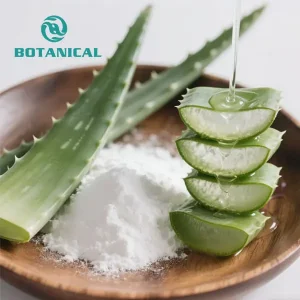
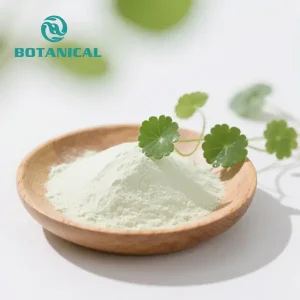
Modern OEM development integrates natural extraction components, such as triterpenoid saponins from Centella Asiatica and polysaccharides from Aloe Vera, to stimulate endogenous lipid synthesis. These botanicals act as biological catalysts, upregulating glucosylceramide synthase and filaggrin production.
The processing of profilaggrin into filaggrin provides structural support to the keratin filament network, while its degradation products constitute Natural Moisturizing Factors (NMFs). Active ingredients must address both lipid restoration and structural protein synthesis.
The global market for skin barrier repair ingredients is experiencing a significant shift. Driven by growing consumer awareness of skin sensitivities and the popularity of clinical dermatology treatments, global demand has moved from basic hydration to targeted biological repair. The B2B ingredient sourcing market is valued at billions of dollars annually, with specialized manufacturing centers in Asia, Europe, and North America driving research and development.
In developed markets, consumers increasingly seek "clean clinical" products, leading brands to specify high-purity, standardized botanicals and bio-fermented ingredients. Conversely, emerging markets are driving demand for cost-effective, multi-functional barrier repair systems that can be easily formulated into diverse cosmetic formats.
Operating as an integrated supply-chain cluster, our organization leverages the combined capabilities of three major entities: Xi'an Tianben Bioengineering Co., Ltd. (parent organization founded on high-standard scientific extraction), Botanical Cube Inc. (focusing on global market development, specialized customized solutions, and customer success), and Shaanxi Tianben Kangyuan Biotechnology Co., Ltd. (driving cutting-edge formulation development and raw material analysis).
Benefiting from the solid foundation provided by its parent company, Xi'an Tianben Bioengineering Co., Ltd., Botanical Cube Inc. focuses on researching, developing, producing and selling healthy natural ingredients. With more than two decades of industry experience, it has become a leader in the field, specializing in providing high-quality plant extracts and customized solutions to global customers. Services meet the needs of industries including herbal medicine, health foods, dietary supplements, food and beverages, daily chemicals and cosmetics.
Our operations are supported by three companies - Xi'an Tianben Bioengineering Co., Ltd., Botanical Cube Inc. and Shaanxi Tianben Kangyuan Biotechnology Co., Ltd. - which together operate 3 production bases covering more than 100 acres and process more than 3,000 tons of plant raw materials each year. The product range includes more than 200 plant extracts, and we also provide a variety of certified organic products to meet the global demand for environmentally friendly and healthy solutions. Exporting to 60% of the world's countries, serving more than 200 countries and regions and more than 500 customers from all walks of life.
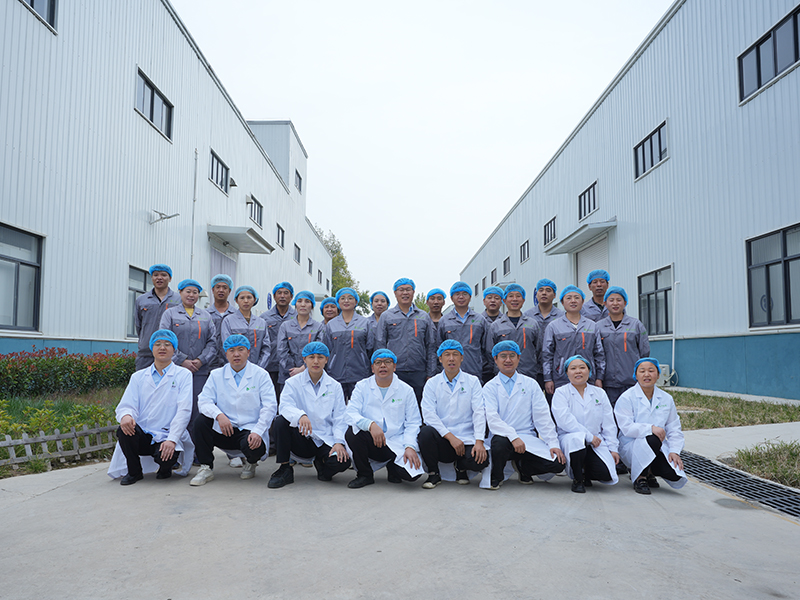
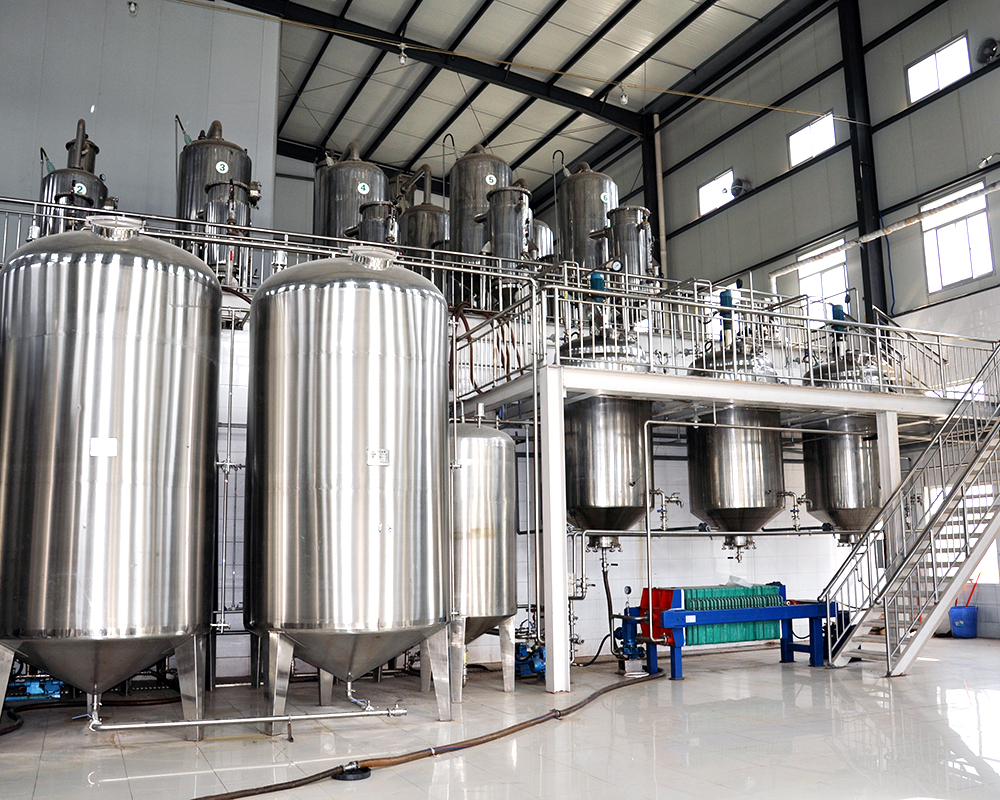
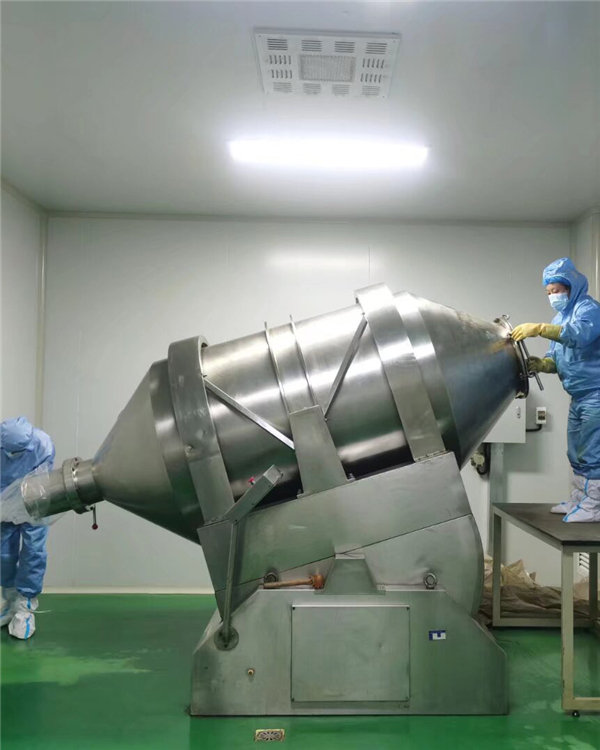
To maintain the molecular integrity and biological activity of skin barrier repair ingredients, manufacturing operations must adhere to strict environmental standards. Our primary extraction and purification facility, the Sanyuan Factory, is configured to support high-throughput processing while maintaining strict purity levels.
Our first factory was established in 2012 in Sanyuan City, Xi'an, four years after our company was founded. At that time, our production experience was still in its early stages, and we faced many challenges as we worked to refine our processes. However, we remained committed to continuous improvement, investing heavily in technology, training, and quality control to strengthen our capabilities. These early efforts laid a strong foundation for our future growth, shaping the high standards of excellence that we uphold today.
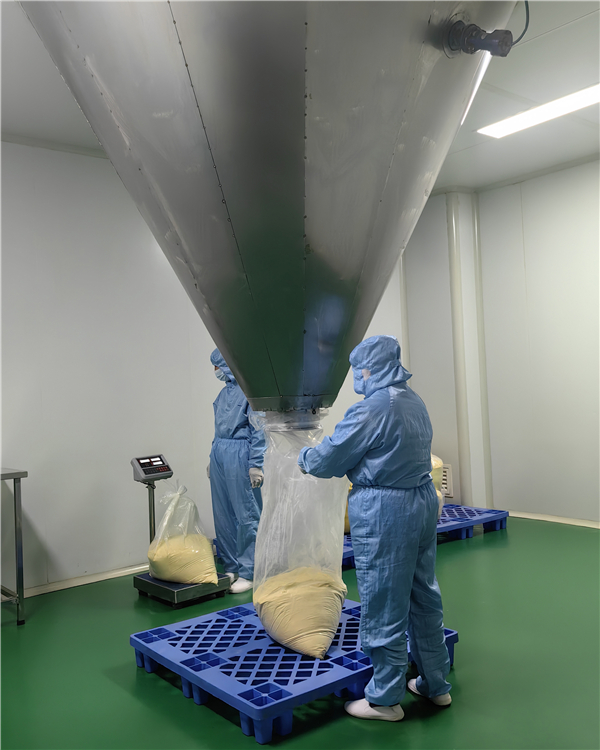
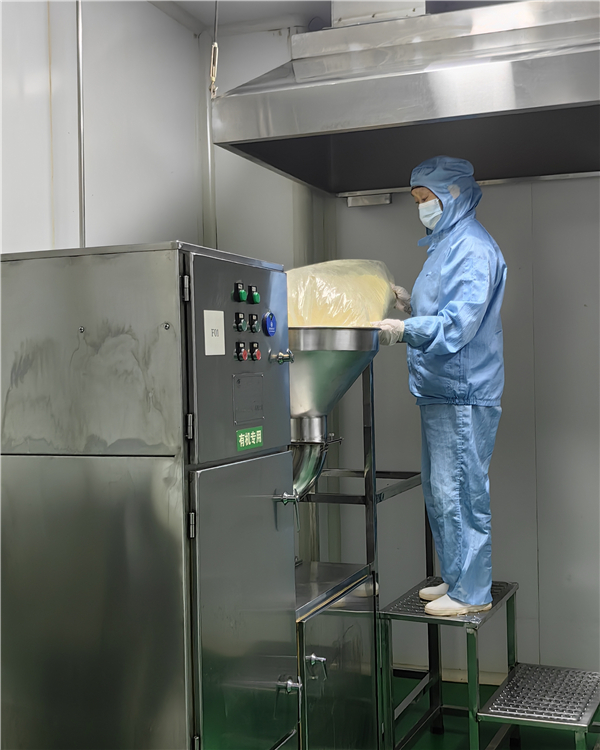
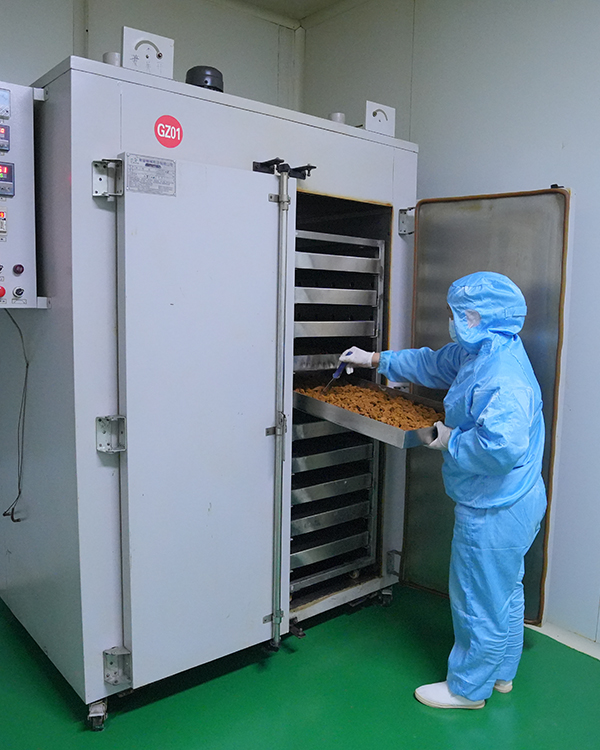
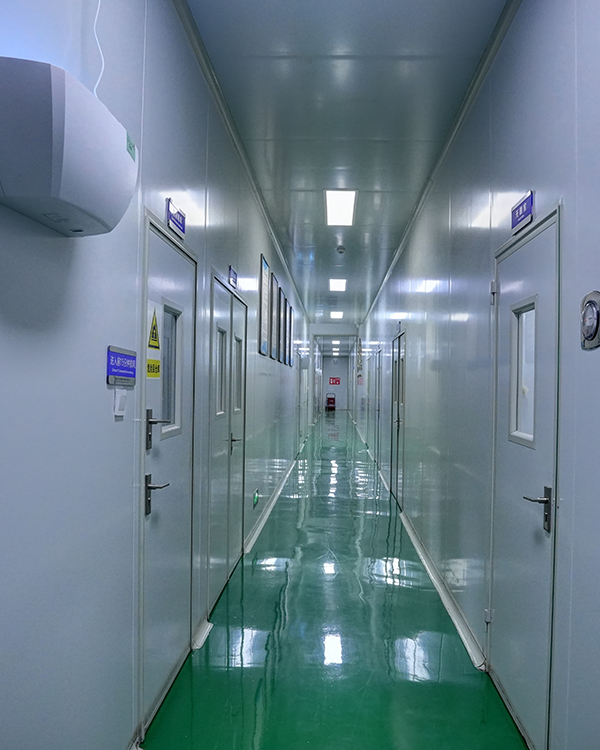
Powder collection, crushing and sieving, mixing and drying processes are all performed in a Class 100,000 cleanroom environment. Our operators strictly follow hygiene protocols and wear sterile gowns, masks and gloves to maintain product purity and safety, thus ensuring that we provide our customers with high quality standards and reliable ingredients.
Contamination control during the final processing stages is critical for dermal-grade raw materials. Maintaining a Class 100,000 cleanroom prevents environmental particulate matter and microbial contaminants from compromising the quality of our active extracts, ensuring compatibility with sensitive skin formulations.
Integrating skin barrier repair ingredients into commercial formulations requires a detailed understanding of the final application environment. Global climate profiles, regional skin phenotypes, and local regulatory frameworks influence formulation design.
Following ablative laser treatments, chemical peels, or microneedling, the epidermis experiences acute barrier disruption. Formulations must utilize high-purity, low-irritant botanical extracts, such as Centella Asiatica (rich in madecassoside), to calm inflammation and support epidermal regeneration without clogging pores.
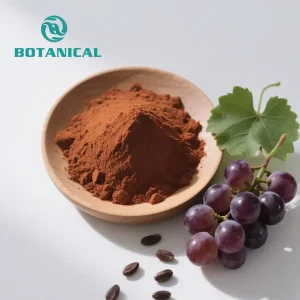
In highly industrialized metropolitan areas, particulate matter (PM2.5) can penetrate compromised skin barriers, causing oxidative stress and accelerated aging. Incorporating Grape Seed Extract (high in OPC) alongside skin-barrier lipids creates a protective shield that neutralizes free radicals and helps prevent environmental damage.
In cold, arid regions, the rate of natural ceramide synthesis slows down significantly, leading to xerosis and micro-fissures. Formulations designed for these regions require rich lipid phases containing plant-derived sterols, Coenzyme Q10, and organic humectants to support healthy barrier function in low temperatures.
The cosmetics industry is moving towards more bio-compatible, sustainable, and scientifically proven ingredients. Our research and development focuses on three main emerging areas:
The biological skin barrier extends beyond lipids to include the commensal microbiome. Integrating targeted probiotics, such as Lactobacillus Acidophilus Probiotic Powder, helps support the growth of beneficial bacteria, which produce natural antimicrobial peptides and organic acids that help maintain a healthy skin pH.
As clean beauty and vegan formulations continue to grow in popularity, plant-derived alternatives to traditional animal or synthetic lipids are in high demand. Advanced extraction techniques allow for the isolating of high-purity phytoceramides from botanical sources, offering excellent bio-compatibility and performance.
Modern active ingredients do more than temporarily cover the skin; they work to stimulate the body's natural defense systems. By utilizing cellular health ingredients like high-purity Nicotinamide Mononucleotide (NMN) Powder and specific botanical compounds, these formulations help support NAD+ pathways and cellular vitality, aiding the skin's natural repair mechanisms.
For global sourcing managers, acquiring skin barrier repair ingredients involves balancing quality, compliance, and supply chain reliability. Key procurement considerations include:
Every batch of active ingredients must undergo strict testing using High-Performance Liquid Chromatography (HPLC) or Gas Chromatography-Mass Spectrometry (GC-MS). This process verifies that active markers, such as oxymatrine in Sophora Flavescens or Ganoderic Acid in Reishi, meet specified concentrations.
Ingredients destined for cosmetic markets must comply with various regional databases, such as INCI, China's IECIC (2021 edition), Europe's CPNP, and the US FDA. Our regulatory support ensures that all manufactured botanical extracts are fully documented, registered, and compliant with target market regulations.
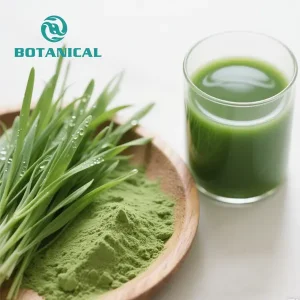
Today's consumers value transparency. From wild-harvested raw materials to organic wheatgrass cultivation, we provide documented traceability for our agricultural inputs. This documentation covers extraction methods, solvent purity levels, and pesticide residue testing.
To assist procurement officers, formulation chemists, and brand managers, our technical R&D team answers common queries regarding skin barrier repair ingredients.
High-purity botanical powders and advanced bio-actives manufactured under strict ISO and GMP conditions for the global cosmetic and supplement markets.
 Botanical