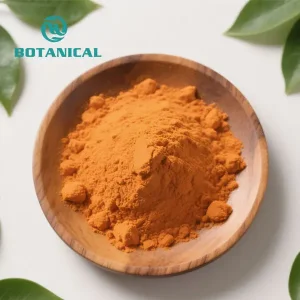
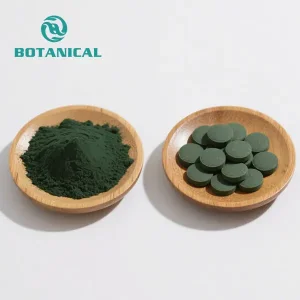
Premium grade bulk supplies engineered under high-precision extraction protocols for global wellness markets.
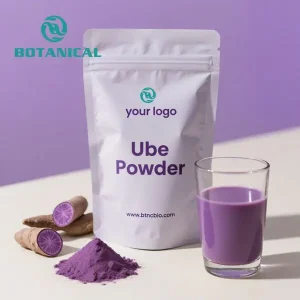
Providing high-value scientific insight and structural specifications for global enterprise sourcing managers.
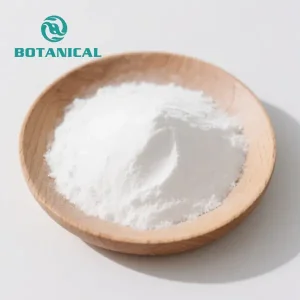
Pectin is a complex structural polysaccharide found in the primary cell walls of terrestrial plants, primarily extracted from citrus peels (lemons, limes, oranges) and apple pomace. In the modern industrial landscape, natural pectin has transitioned from a simple home gelling agent to a highly specialized, multifunctional biopolymer. Global demand is surging, driven by the clean-label movement, vegan alternatives to gelatin, and the expansion of functional food architectures. As a leading OEM natural pectin manufacturer, we deliver customized gelling, thickening, and stabilizing solutions optimized for complex product matrices.
From a chemical perspective, pectin consists of an alpha-(1,4)-linked D-galacturonic acid backbone with varying degrees of methyl esterification. Understanding the functional difference between High Methoxyl (HM) pectin (which requires high sugars and acidic pH to gel) and Low Methoxyl (LM) pectin (which relies on calcium-ion cross-linking) is essential for product developers. Working with an experienced industrial supplier & factories network guarantees that raw material processing parameters—such as molecular weight distribution, degree of esterification, and galacturonic acid content—are precisely controlled to ensure consistent viscosity, gel strength, and thermal stability in final applications.
We tailor the Degree of Esterification (DE) and Degree of Amidation (DA) to meet your specific texture profile, setting temperature, and shear recovery requirements.
Our raw materials conform to major international purity standards, including JECFA, EU Regulation No 231/2012, and the FCC (Food Chemicals Codex).
Collaborate with our R&D specialists to troubleshoot complex issues, such as syneresis, thermal degradation, and ingredient interactions in multi-component formulas.
Leveraging two decades of manufacturing excellence to secure your ingredient supply chain.
Benefiting from the solid foundation provided by its parent company, Xi'an Tianben Bioengineering Co., Ltd., Botanical Cube Inc. focuses on researching, developing, producing and selling healthy natural ingredients. With more than two decades of industry experience, it has become a leader in the field, specializing in providing high-quality plant extracts and customized solutions to global customers. Services meet the needs of industries including herbal medicine, health foods, dietary supplements, food and beverages, daily chemicals and cosmetics.
Our operations are supported by three companies - Xi'an Tianben Bioengineering Co., Ltd., Botanical Cube Inc. and Shaanxi Tianben Kangyuan Biotechnology Co., Ltd. - which together operate 3 production bases covering more than 100 acres and process more than 3,000 tons of plant raw materials each year. The product range includes more than 200 plant extracts, and we also provide a variety of certified organic products to meet the global demand for environmentally friendly and healthy solutions. Exporting to 60% of the world's countries, serving more than 200 countries and regions and more than 500 customers from all walks of life.
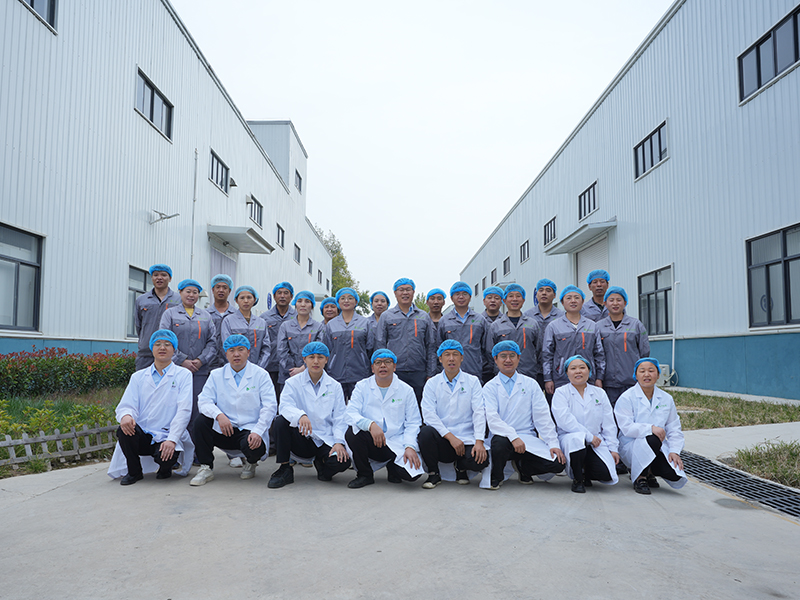
Verifiable industrial scale delivering consistency, cost advantages, and continuous security of supply.
Our first factory was established in 2012 in Sanyuan City, Xi'an, four years after our company was founded in 2008. At that time, our production experience was still in its early stages, and we faced many challenges as we worked to refine our processes. However, we remained committed to continuous improvement, investing heavily in technology, training, and quality control to strengthen our capabilities. These early efforts laid a strong foundation for our future growth, shaping the high standards of excellence that we uphold today.
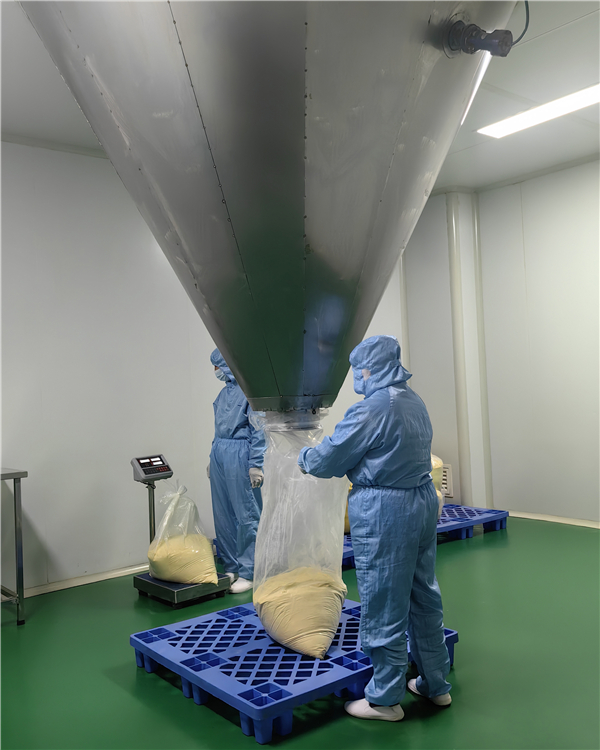
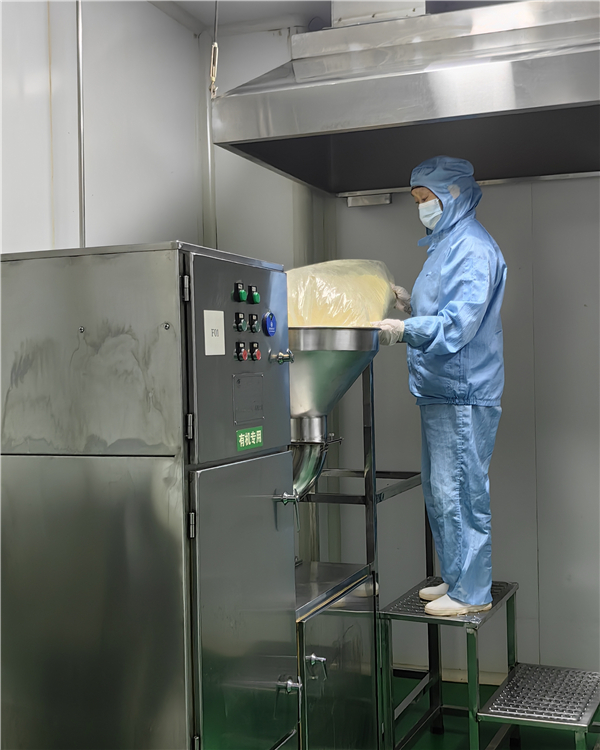
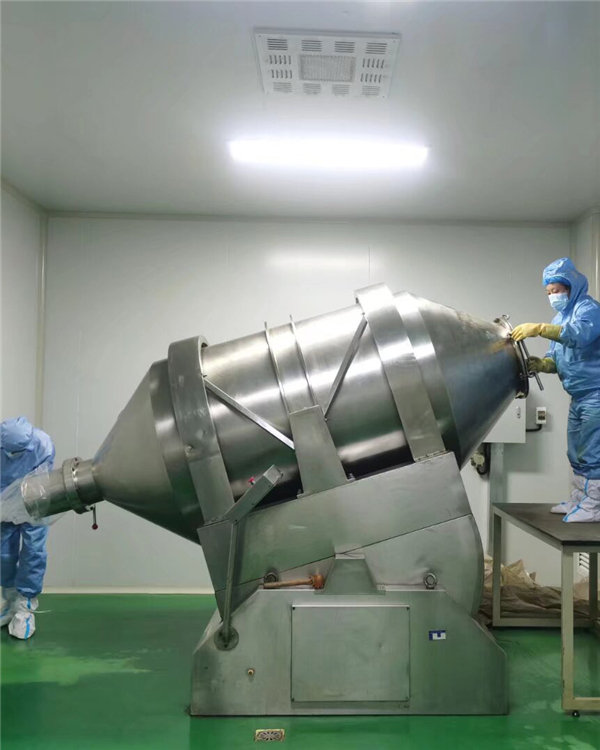
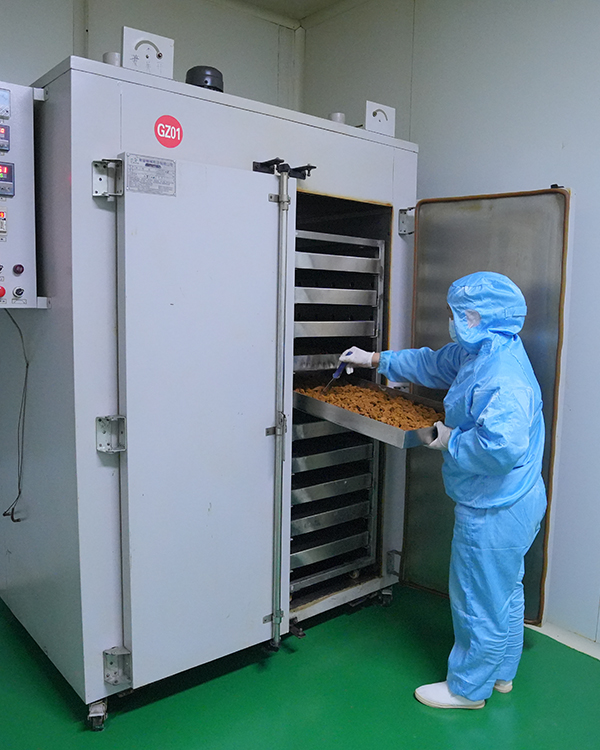
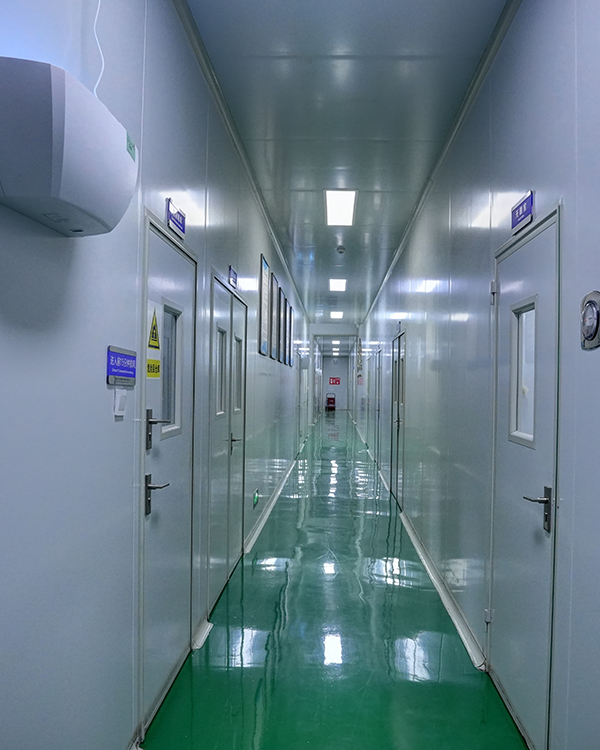
Powder collection, crushing and sieving, mixing and drying processes are all performed in a Class 100,000 cleanroom environment. Our operators strictly follow hygiene protocols and wear sterile gowns, masks and gloves to maintain product purity and safety, thus ensuring that we provide our customers with high quality standards and reliable ingredients.
Every stage of the manufacturing cycle is recorded in our Electronic Batch Records (EBR) system, maintaining complete traceability from raw material cultivation plots to the final shipped cargo. Advanced environmental parameters—including differential air pressure, temperature, relative humidity, and non-viable particulate matter counts—are digitally monitored 24/7. This cleanroom design minimizes the risk of cross-contamination, ensuring that sensitive applications (like infant formulas, pharmaceuticals, and clean-label dietary supplements) conform to global standards.
Combining structural automation and raw material localization to guarantee yield, speed, and cost leadership.
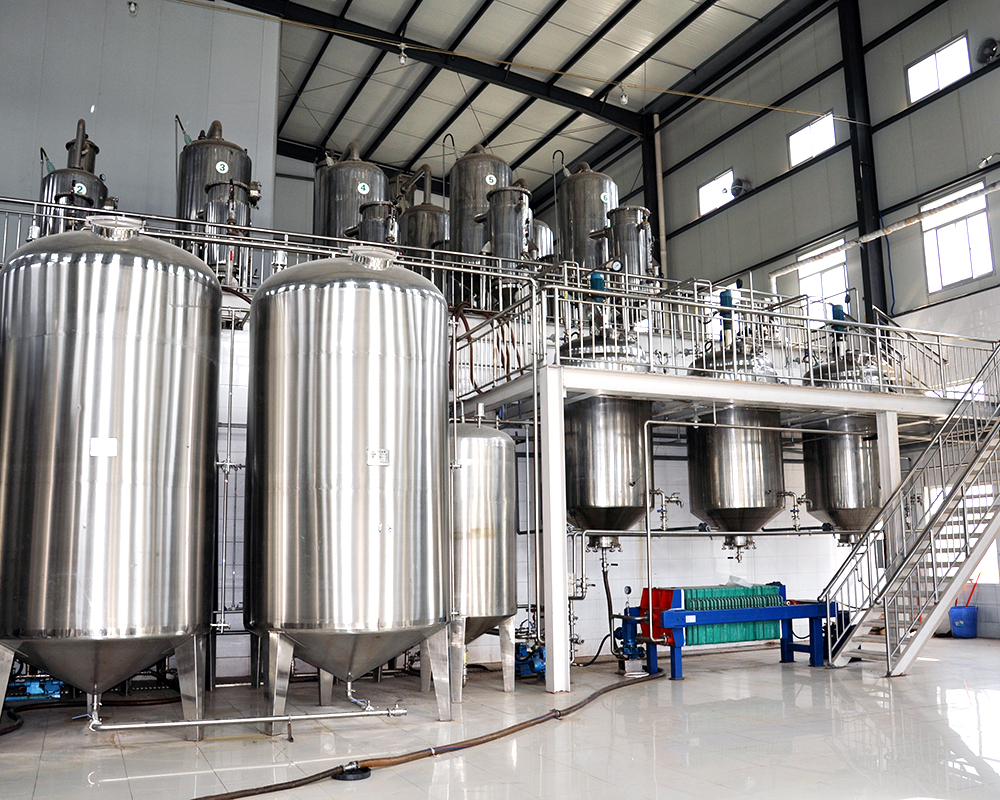
Transitioning from traditional batch processing to advanced smart manufacturing is a defining feature of our China Factory 4.0 infrastructure. For natural pectin manufacturing, consistency is the primary technical metric. Fluctuations in raw material properties, extraction temperatures, and acid hydrolysis durations can cause variations in molecular weight distribution and gel strength (often measured as SAG values). Our Sanyuan production base uses automated Distributed Control Systems (DCS) to monitor critical variables in real-time, matching or exceeding international quality standards.
Vertical supply chain integration gives us a clear competitive advantage. By establishing direct cultivation agreements with citrus growing cooperatives in southern China and apple orchards in Shaanxi, we ensure a stable supply of raw pomace. This localized feedstock loop insulates our clients from seasonal shortages and price spikes. Additionally, our factories use closed-loop water recirculation and advanced membrane filtration technologies. This maximizes acid recovery and minimizes our ecological footprint, aligning with the sustainability expectations of modern global brands.
Online NIR spectroscopy measures galacturonic acid levels during extraction, ensuring batch-to-batch consistency and minimizing deviations.
We use clean energy and recycle solvents and thermal energy within our facilities, lowering environmental impact and production costs.
Real-time shipping tracking, temperature-controlled containers, and strategic port access ensure fast transit to global distribution hubs.
Optimizing functional performance for food, beverage, personal care, and pharmaceutical applications.
Replacing gelatin with pectin provides a clean, tender bite, quick flavor release, and high thermal stability (up to 60°C). This is ideal for storage and distribution in warm climates.
Our HM pectin functions as a steric stabilizer. It coats casein micelles at low pH, preventing serum separation and protein sedimentation in drinkable yogurts and milk-juice blends.
Our Low Methoxyl Amidated (LMA) pectin gels at low soluble solids without relying on sugar content. It forms a thermo-reversible gel network through calcium bridging.
B2B formulators often struggle with the transition from pilot testing to commercial production. Pectin behavior is highly sensitive to the surrounding food matrix, including pH, calcium levels, soluble solids (Brix), and shear force. Our technical team works directly with clients to resolve these issues. We adjust variables like buffer salt ratios (such as sodium citrate) and molecular structure to ensure our pectin performs consistently in your manufacturing environment.
Expanding the possibilities of plant-based hydrocolloid chemistry through innovation and green extraction.
Ensuring smooth customs clearance and regulatory compliance across all target markets.
Sourcing raw materials internationally requires navigating complex regulatory landscapes. Botanical Cube Inc. provides complete transparency and compliance support. Our pectin products are certified Kosher, Halal, ISO9001, ISO22000, and HACCP. We offer full technical documentation, including Allergen Statements, GMO-free certificates, BSE/TSE statements, and detailed heavy metal analyses. Our labs use Inductively Coupled Plasma Mass Spectrometry (ICP-MS) to confirm that lead, arsenic, mercury, and cadmium levels are well below international limits.
To support our global customers, we have established local warehouses in North America and Europe. This setup allows for shorter lead times, flexible ordering options, and local customs clearance. Our technical support teams are also available to assist with regulatory compliance, helping you prepare documentation for EFSA (Europe) and FDA (United States) filings.
Addressing the technical, regulatory, and supply chain questions most frequently asked by procurement teams.
High-purity botanical raw materials and customized extracts developed for functional food, beverage, and cosmetic applications.
 Botanical