To support complex structural integrations inside customized pectin matrix solutions, we utilize highly standardized bioactive powders. Explore our foundational core catalog.
Pectin, a structurally complex acidic structural polysaccharide primarily derived from the cell walls of terrestrial plants (most notably citrus peels and apple pomace), is driving a silent revolution in B2B food processing, pharmaceuticals, and cosmetics. As consumers demand clean labels, B2C brands are forced to eliminate animal-derived gelatins. In this regulatory and formulation transition, ODM Pectin Service Factories have evolved from simple ingredient suppliers to highly specialized, strategic co-manufacturing partners.
An ODM (Original Design Manufacturer) pectin service is not merely a trading transaction of standard pectin powders. It encompasses custom extraction optimization, precise determination of the Degree of Esterification (DE), Amidation control, viscosity tuning, and compound recipe design. By outsourcing development to certified pectin facilities, brands bypass the multi-million dollar capital expenditure required for high-yield hydrothermal extraction and purification lines, allowing rapid, scientifically validated product launches.
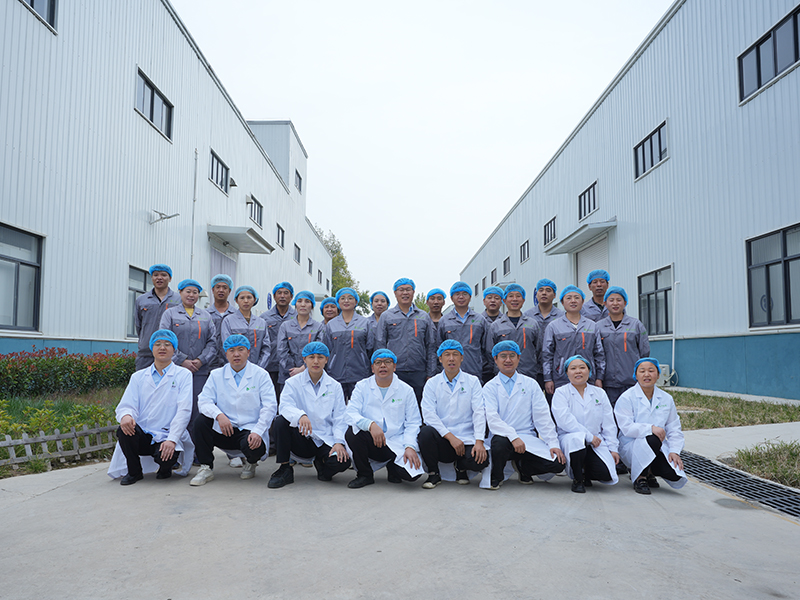
Benefiting from the solid foundation provided by its parent company, Xi'an Tianben Bioengineering Co., Ltd., Botanical Cube Inc. focuses deeply on researching, developing, producing, and selling healthy natural ingredients. With more than two decades of dedicated biotechnology experience, the group has become a leader in the global field, specializing in providing high-purity plant extracts, customized bio-polymers, and advanced product solutions to global customers.
Our comprehensive industrial operations are seamlessly supported by three major entities: Xi'an Tianben Bioengineering Co., Ltd., Botanical Cube Inc., and Shaanxi Tianben Kangyuan Biotechnology Co., Ltd. Together, these organizations operate three state-of-the-art production bases covering more than 100 acres. We process in excess of 3,000 tons of plant raw materials annually, offering a portfolio of over 200 plant extracts and a broad spectrum of certified organic products. We proudly export to 60% of the world's nations, serving more than 200 countries and regions and over 500 long-term corporate clients. This robust group infrastructure guarantees the raw-material security and scientific support required for high-fidelity ODM pectin customization.
We combine phytochemical analysis with functional polysaccharide engineering. Our laboratories analyze raw material variation (such as protopectin degradation patterns) to ensure batch-to-batch gelling consistency in industrial conditions.
Exporting to more than 60% of countries worldwide requires robust supply chain coordination. We maintain dedicated storage and compliance checks to fast-track shipping of functional compounds to Europe, North America, and Southeast Asia.
Our raw material pipeline relies heavily on high-yield, organic-certified agriculture. We enforce circular processing frameworks to recover high-value secondary metabolites during the pectin separation process.
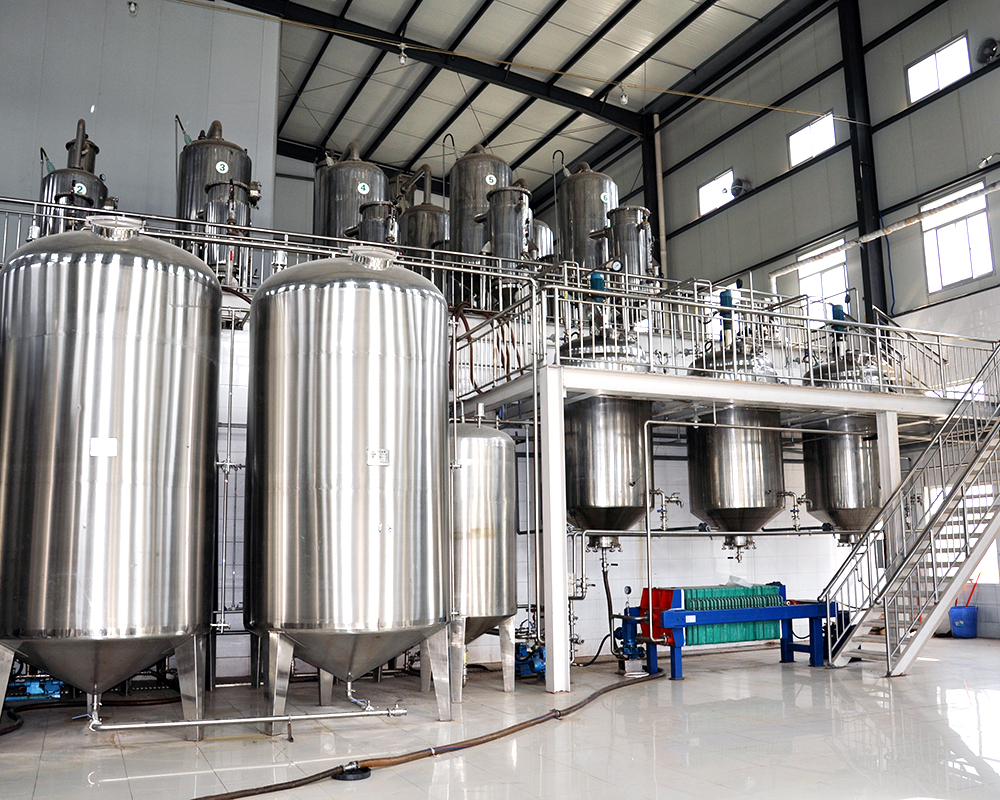
Established in 2012 in Sanyuan County, Xi'an—exactly four years after our parent organization's initial founding—the Sanyuan Factory represents the industrial heart of our manufacturing capabilities. In the early stages, our operations faced standard developmental challenges, ranging from perfecting high-purity isolation rates to scaling thermo-controlled vacuum evaporators.
Through aggressive, long-term investments in training, high-end process engineering, and rigorous, multi-tiered quality control, the Sanyuan facility transitioned into a modern technological benchmark. Today, it serves as the primary processing point for natural gums, customized plant extracts, and standardized botanical compositions, executing advanced separation techniques under cleanroom environments.
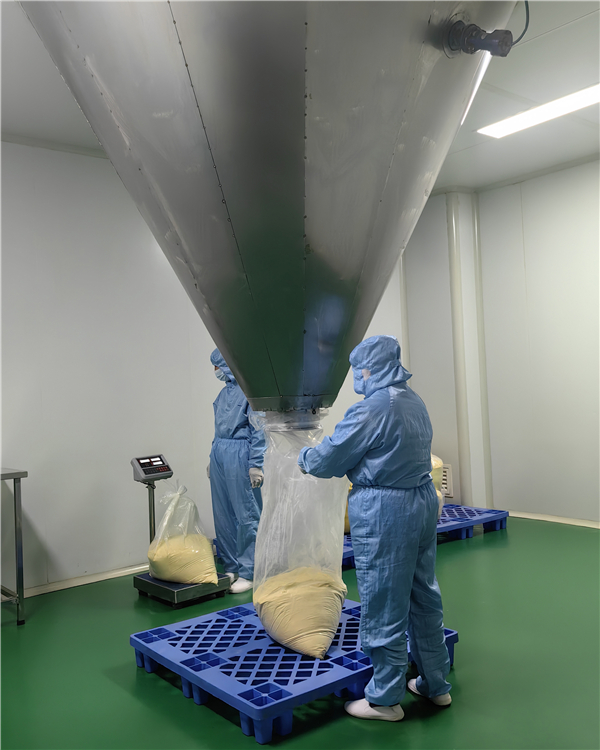
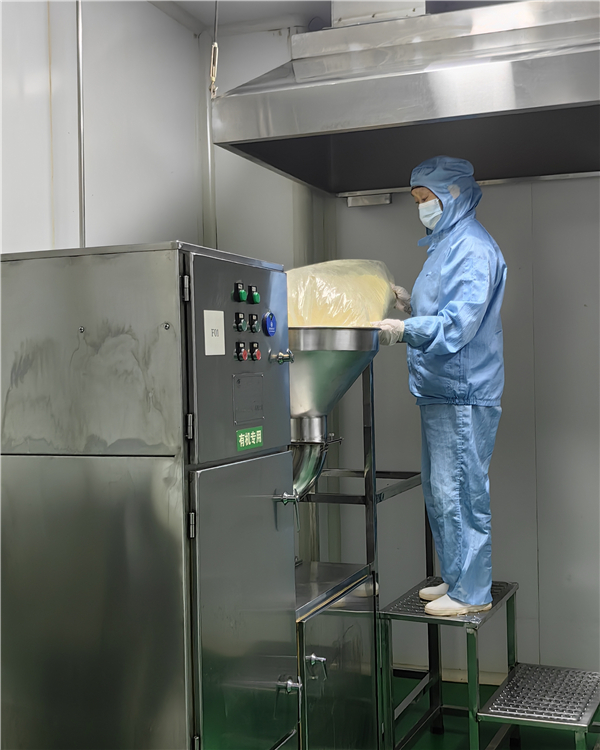
Crucial physical processes, including final powder collection, ultra-fine milling, multi-mesh sieving, homogeneous mixing, and low-temperature spray drying, are carried out exclusively inside our certified Class 100,000 Cleanroom. Operators strictly adhere to strict sanitation directives, wearing sterile, anti-static gowns, custom respirators, and chemical-resistant gloves to mitigate any cross-contamination vectors. This guarantees that our customized pectin solutions and raw plant powders retain their structural properties while meeting the strictest microbiological specifications of infant foods and medical supplements.
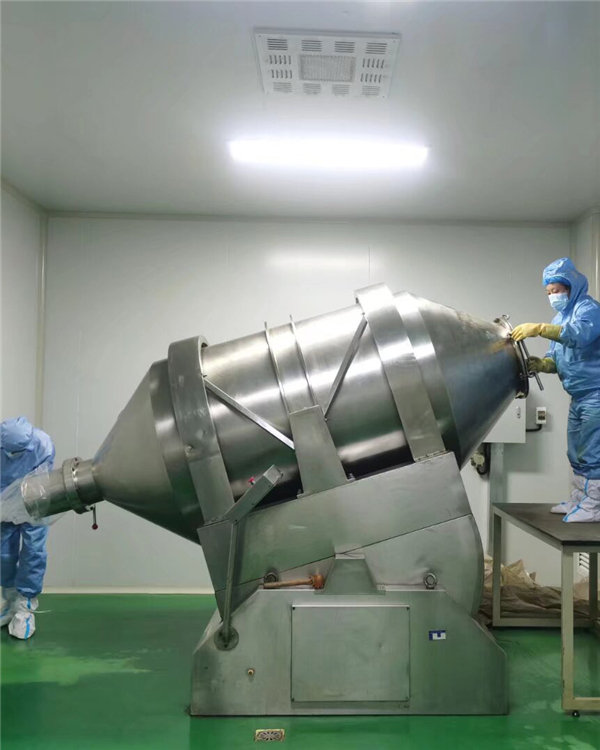
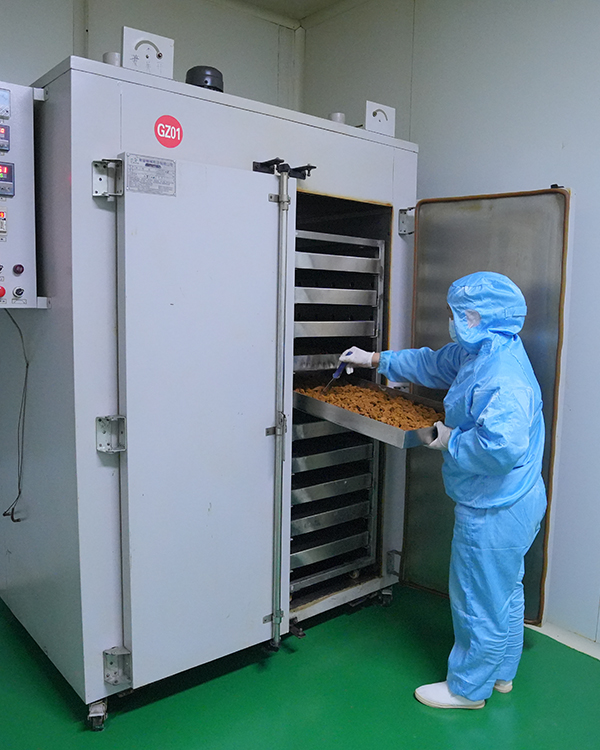

For a brand seeking an ODM pectin contract manufacturer, understanding the chemical structure of pectin is crucial for matching formulation objectives. Pectin consists mainly of homogalacturonan (HG) regions, which are chains of α-(1-4)-linked D-galacturonic acid units that are partially methyl-esterified. How these units are modified dictates the gelling behavior:
HM Pectin features a Degree of Esterification (DE) above 50%. It requires a high soluble solids content (typically >55% sugar or polyols) and a highly acidic pH range (2.0 to 3.8) to form a gel. The gelling mechanism is driven by hydrophobic interactions and hydrogen bonding. ODM customization focuses on defining the "gelling speed" (rapid set vs. slow set) by tuning the exact DE to prevent premature setting during manufacturing operations.
LM Pectin has a DE below 50%. It relies on the presence of divalent cations (most commonly calcium, Ca2+) to cross-link the carboxylate groups via the classic "egg-box model." It does not require high levels of sugar or acid, making it the ideal choice for low-calorie, sugar-free, or keto-friendly formulations. ODM engineers control calcium sensitivity to prevent pre-gelling in the mixing vats.
LMA pectin is produced by treating low-methoxyl pectin with ammonia, converting some of the methyl-ester groups into amide groups. This enhances its thermal reversibility and reduces the amount of calcium needed to form a stable gel. LMA is highly valued for fruit preparations in dairy products, where it prevents syneresis (water separation) and ensures smooth textures during pasteurization.
Through customized ODM protocols, we dynamically alter these parameters. For instance, if a client is formulating a therapeutic mineral gummy containing high levels of calcium or magnesium, standard LM pectin would immediately pre-gel and clog the depositor. Our engineers customize the DE and amidation levels, or integrate organic chelating agents, to delay the cross-linking reaction until the mixture is successfully deposited into the molds.
Exporting customized ingredients and finished dietary products into international markets requires strict compliance with food and drug regulations. The table below outlines how our manufacturing infrastructure and ODM services align with global standards:
| Target Market / Region | Regulatory Body / Standard | ODM Compliance & Verification Actions |
|---|---|---|
| United States | FDA 21 CFR (GRAS Status) | Pectin is recognized as Generally Recognized as Safe (GRAS) under 21 CFR 184.1588. ODM services ensure heavy metal limits, residual solvents (isopropyl alcohol), and sulfur dioxide levels remain below strict FDA thresholds. |
| European Union | EFSA Food Additive E440 (i & ii) | Compliance with Commission Regulation (EU) No 231/2012. We guarantee non-GMO origins, verify purity criteria, and track the raw material supply chain back to citrus/apple source fields. |
| Global Halal & Kosher | MUI Halal, Star-K, etc. | We verify that all processing aids and clarifying agents used during commercial extraction are strictly plant-derived and chemical-free, ensuring clean-label verification. |
| Organic Markets | USDA Organic & EU Organic | We offer certified organic pectin extracted using physical and enzymatic methods, avoiding synthetic acid treatments. |
Through our group's unified verification team, we assist clients in navigating the transition from formulation design to retail-ready certification. This reduces the risk of customs rejections and ensures a seamless path to market.
The physical versatility of pectin allows it to act as a gelling agent, stabilizer, and thickener. In our ODM services, we customize the structural properties of pectin to meet the demands of various applications:
Traditional gelatin gummies melt at high temperatures, creating storage and shipping challenges in hot climates. By switching to customized pectin, we elevate the melting point to above 60°C. We fine-tune the setting temperature to allow high-speed starchless depositing, optimizing efficiency for our manufacturing partners.
In drinkable yogurts and alternative milks (such as oat, almond, and soy), proteins tend to aggregate and precipitate near their isoelectric point, causing phase separation. We supply highly esterified HM pectin that wraps around the casein micelles, creating steric hindrance that prevents aggregation under thermal pasteurization.
Pectin's resistance to gastric acid makes it an exceptional carrier for targeted colon drug delivery. We manipulate the cross-linking density of Low-Methoxyl pectin using calcium ions to create enteric-coated capsules. These pass intact through the stomach and release their active pharmaceutical ingredients (APIs) only when exposed to the microbial environment of the colon.
As global demand for functional fibers and clean-label stabilizers grows, our B2B development team is focusing on several key technical innovations:
We are transitioning from chemical acid-alkali de-esterification to precision enzymatic modifications using pectin methylesterases (PMEs). This biocatalytic process allows us to control the distribution of free carboxyl groups along the homogalacturonan chain. This yields block-wise or random distribution patterns, resulting in superior calcium sensitivity and stronger gels at lower dosage levels.
By reducing the molecular weight and branching of citrus pectin through controlled enzymatic cleavage, we produce Modified Citrus Pectin (MCP). With a lower molecular weight (under 15 kDa), MCP is easily absorbed into the bloodstream. Once absorbed, it can bind to galectin-3, a protein associated with cellular inflammation and cardiovascular stress, opening up new opportunities for functional dietary supplements.
In line with global sustainability goals, we are optimizing our extraction protocols to utilize secondary agricultural side-streams, such as sunflower heads, sugar beet pulp, and passion fruit peels. By deploying closed-loop hydrothermal extraction systems, we recover clean-label pectin while reclaiming residual organic material for biofuel production, minimizing our environmental footprint.
Below, we address common technical and logistical questions asked by procurement teams and R&D managers when source-matching pectin contract manufacturers:
Explore additional raw materials and high-purity extracts designed to integrate smoothly into your functional food formulations, drinkable nutraceuticals, and active cosmetics.
 Botanical