Explore our specialized botanical extracts and premium raw materials designed for global supplement manufacturing.
Analyzing the macro trends, chemical distributions, and supply dynamics driving the magnesium ingredient economy.
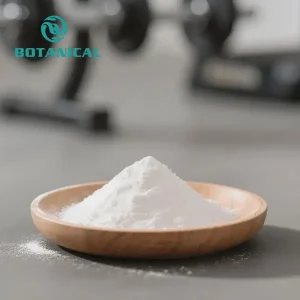
Magnesium is fundamentally recognized as a vital macro-mineral involved in more than 300 biochemical reactions in the human body. As the global wellness market moves from generalized supplementation toward targeted, scientifically validated biological health interventions, the demand for **High-Quality Magnesium Powder for Supplements** has escalated. Key sectors driving this demand include muscle recovery formulations, cognitive enhancers, metabolic health profiles, and sleep-aid syndications.
Currently, the global dietary supplement magnesium market is experiencing a robust Compound Annual Growth Rate (CAGR) of 7.4%, estimated to reach over USD 1.8 Billion by 2028. This growth is heavily supported by regional regulatory expansions in North America, Western Europe, and Asia-Pacific. From a B2B procurement perspective, raw material buyers, custom formulators, and brand owners no longer look for simple, basic magnesium oxides. Instead, they demand highly bioavailable chelates and organic acid compounds such as Magnesium Malate, Magnesium Bisglycinate, and Magnesium Threonate.
This shifts the technical demands placed on raw material suppliers. To succeed in this competitive landscape, manufacturers must achieve high purity profiles, control bulk density, and resolve issues related to hygroscopicity. For brand owners seeking long-term commercial success, partnering with a raw ingredient factory that understands chemical profiles, particle size distribution (PSD), and heavy metal limit thresholds is essential.
A comparative analysis of industrial magnesium forms to optimize therapeutic outcomes and mechanical stability.
Not all magnesium powders are created equal. The bioavailability of magnesium depends heavily on the chemical bond of the molecule. Inorganic salts, while high in elemental magnesium by weight, suffer from low intestinal absorption. Organic chelates and salts provide high absorption rates, making them ideal for premium brand positionings.
| Magnesium Derivative | Elemental Mg% | Bioavailability Index | Primary Physiological Focus | Formulation Behavior |
|---|---|---|---|---|
| Magnesium Malate | ~11% - 15% | High | ATP Energy Production, Muscle Recovery, Fibromyalgia Support | Free-flowing, moderately hygroscopic, ideal for tableting/capsules |
| Magnesium Bisglycinate | ~10% - 14% | Excellent | Stress Relief, Deep Sleep, Brain Health, Neuroprotection | Low bulk density, requires particle granulation for capsule filling |
| Magnesium Citrate | ~11% - 16% | Medium-High | Digestive Regularity, General Nutritional Replenishment | Highly soluble in water, popular in instant drink mixes |
| Magnesium Oxide | ~60% | Low | Antacid, Bulking Agent, Cost-Effective General Formula | Extremely dense, non-hygroscopic, easy to compress |
For instance, **Magnesium Malate** is covalently bound to malic acid. Malic acid plays a key role in the Krebs cycle, making this derivative highly beneficial for formulations targeting cellular energy production and muscle recovery. However, high-quality production of Magnesium Malate requires precise spray-drying and crystallization processes to prevent the final powder from clumping during storage.
Overcoming production limitations with advanced chemistry, moisture control, and particle size engineering.
Highly bioavailable organic magnesium powders naturally absorb ambient moisture, which can lead to caking and machine clogging. We address this using custom fluid-bed granulation, creating uniform particle distribution (100–120 mesh) that flows easily through high-speed encapsulation lines.
Because magnesium ores are mined from natural geological formations, they often carry trace levels of lead, arsenic, cadmium, and mercury. Our purification facilities utilize advanced multi-stage precipitation and ion-exchange filtration to keep heavy metal levels well below USP, EP, and California Proposition 65 limits.
Soluble magnesium salts often have a bitter, metallic taste that poses challenges for chewables, gummies, and drink powders. Through micro-encapsulation, we apply a thin protective coating of plant-based lipids or ethylcellulose to mask off-tastes without hindering digestion.
Aligning raw materials with regional consumer preferences and compliance regulations.
Modern formulation demands vary significantly by region. In North America and Europe, clean-label requirements dictate that magnesium powders be free from magnesium stearate, synthetic flow agents, and artificial excipients. In contrast, emerging markets in Asia and South America often prioritize cost-efficiency, stable shelf lives in humid climates, and versatile delivery formats.
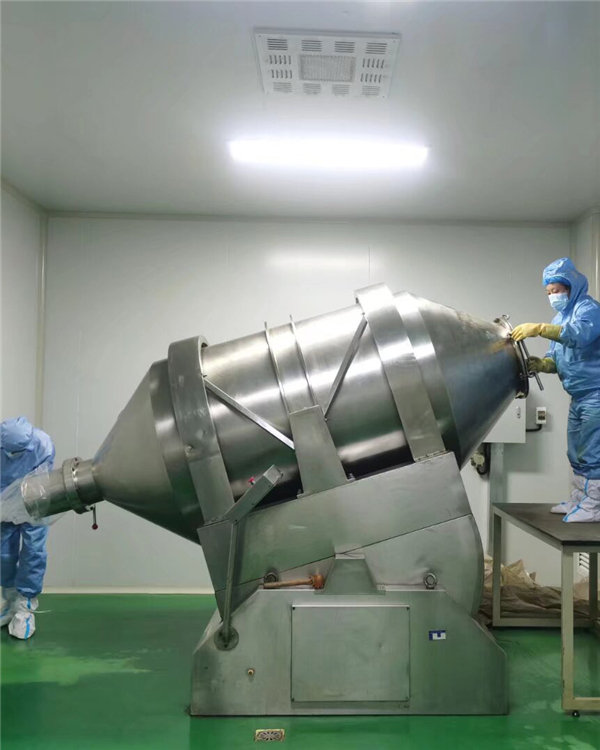
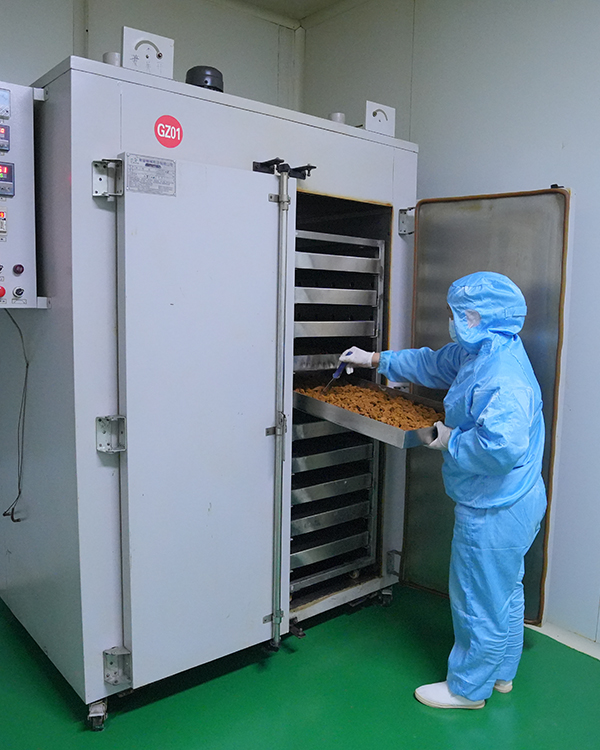
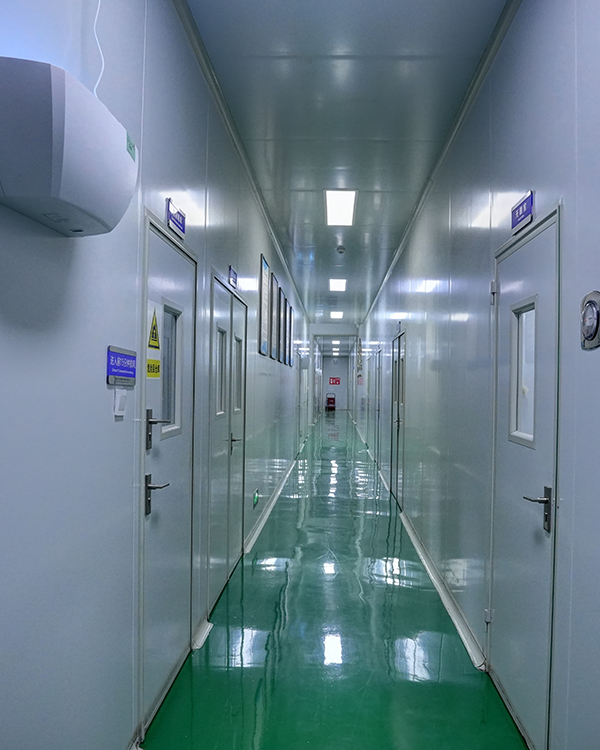
Inside our state-of-the-art facilities, managed by Shaanxi Tianben Kangyuan Biotechnology and Botanical Cube Inc.
Benefiting from the solid foundation provided by its parent company, Xi'an Tianben Bioengineering Co., Ltd., Botanical Cube Inc. focuses on researching, developing, producing, and selling healthy natural ingredients. With more than two decades of industry experience, it has become a leader in the field, specializing in providing high-quality plant extracts and customized solutions to global customers. Our services meet the needs of industries including herbal medicine, health foods, dietary supplements, food and beverages, daily chemicals, and cosmetics.
Our operations are supported by three companies - Xi'an Tianben Bioengineering Co., Ltd., Botanical Cube Inc., and Shaanxi Tianben Kangyuan Biotechnology Co., Ltd. - which together operate 3 production bases covering more than 100 acres and process more than 3,000 tons of plant raw materials each year. The product range includes more than 200 plant extracts, and we also provide a variety of certified organic products to meet the global demand for environmentally friendly and healthy solutions. Exporting to 60% of the world's countries, serving more than 200 countries and regions and more than 500 customers from all walks of life.
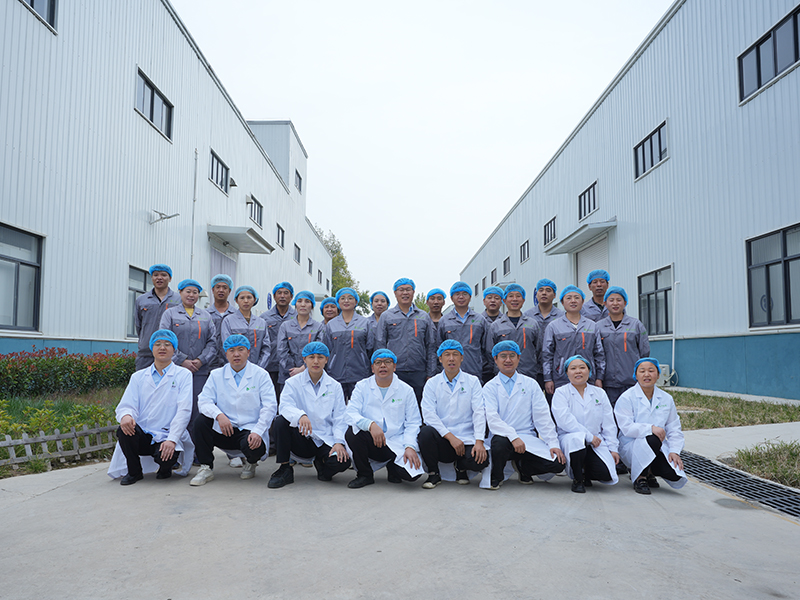
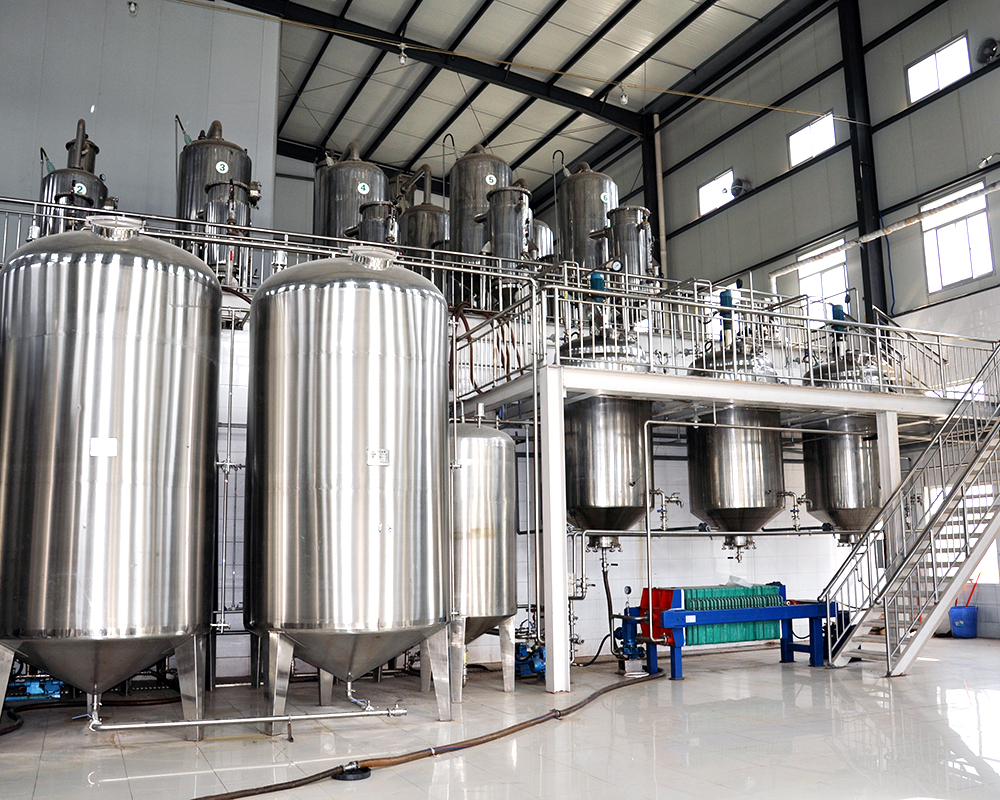
Our first factory was established in 2012 in Sanyuan City, Xi'an, four years after our company was founded. At that time, our production experience was still in its early stages, and we faced many challenges as we worked to refine our processes. However, we remained committed to continuous improvement, investing heavily in technology, training, and quality control to strengthen our capabilities. These early efforts laid a strong foundation for our future growth, shaping the high standards of excellence that we uphold today.
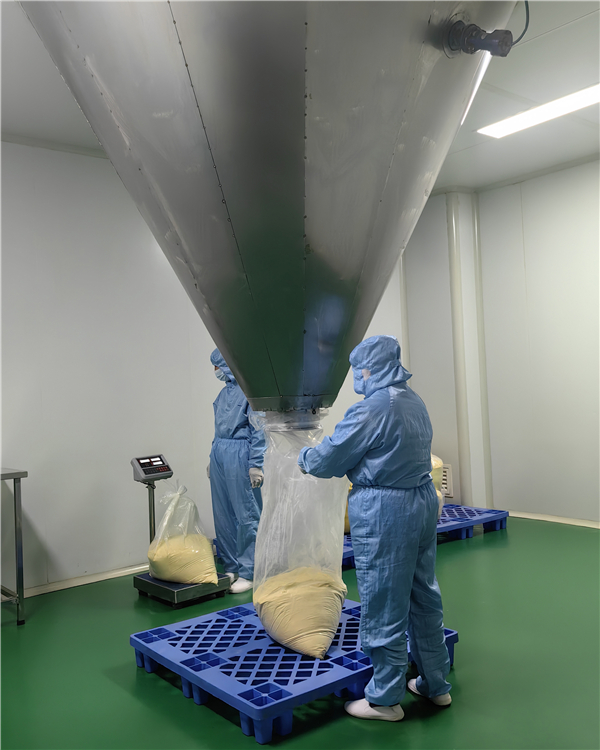
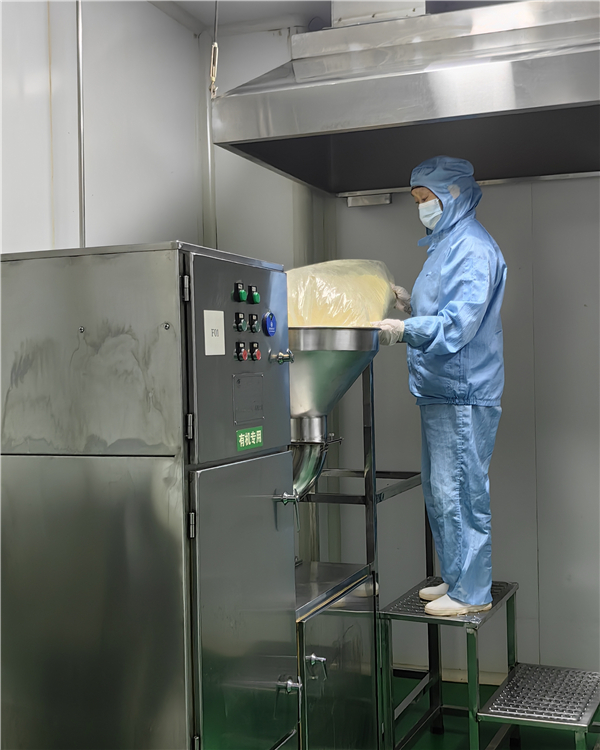
Powder collection, crushing and sieving, mixing, and drying processes are all performed in a Class 100,000 cleanroom environment. Our operators strictly follow hygiene protocols and wear sterile gowns, masks, and gloves to maintain product purity and safety, thus ensuring that we provide our customers with high quality standards and reliable ingredients.
Critical procurement and engineering answers for B2B supplement brands and technical buyers.
We customize bulk density using mechanical roller compaction and spray granulation. For capsule-filling applications, we supply a density range of 0.45g/ml to 0.65g/ml to prevent powder separation and weight variation. For tablets, we offer higher-density options to improve compressibility.
We source raw minerals exclusively from verified, high-grade deposits. Every batch undergoes advanced precipitation processing followed by dual atomic absorption spectroscopy testing. This process keeps lead levels below 0.1 ppm, arsenic below 0.1 ppm, and cadmium below 0.05 ppm, meeting global safety standards.
Yes. We specialize in producing excipient-free, highly pure magnesium powders. We avoid chemical flow agents, allowing brands to label their products as free from fillers, synthetic flowing agents, and magnesium stearate.
Our plants operate under strict cGMP standards and carry ISO 22000, HACCP, Kosher, Halal, and USDA Organic certifications. This ensures full compliance with regulatory requirements in the United States, European Union, and Asia-Pacific markets.
Magnesium Bisglycinate and Magnesium Malate show some of the highest absorption rates. These chelates use amino acid or organic acid pathways for absorption, which helps bypass competitive mineral absorption sites in the gut and prevents digestive discomfort.
We pack our premium powders in double-layer polyethylene pharmaceutical-grade bags, sealed inside high-density fiber drums. We also include medical-grade silica gel desiccant packs to protect the product's structure and quality during international shipping.
Select raw materials to support cognitive health, metabolic function, and beauty-from-within formulations.
 Botanical