 Botanical
1 / 5
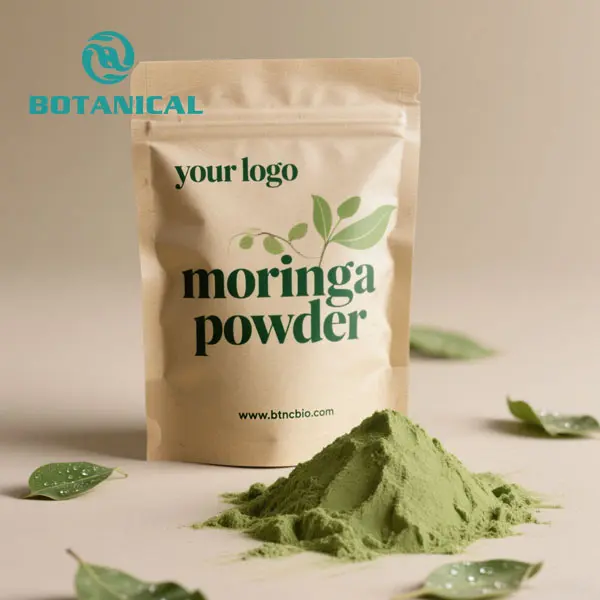
Superfood Moringa Powder (also known as Moringa Leaf Powder, Moringa Oleifera Powder, or Drumstick Tree Powder) has become one of the most versatile plant-based ingredients in today's health and wellness market. Rich in vitamins, minerals, and phytonutrients, moringa is widely valued for its natural antioxidant potential and its role in supporting energy, metabolism, and overall wellness. This makes it an attractive choice not only for dietary supplements but also for functional foods, beverages, and beauty formulations.
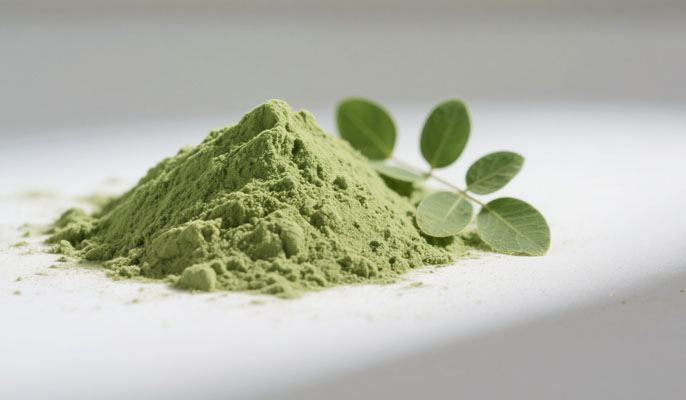
Moringa's benefits come from its dense matrix of bioactive compounds. The most notable include:
The global demand for moringa leaf powder continues to rise, especially in the supplement, smoothie, and clean-label product sectors. Brands are increasingly using it as a natural nutrient booster in:
Consumers value its "whole-plant" profile and its alignment with plant-based, sustainable, and minimally processed product trends. While many suppliers offer moringa, the differentiation comes from how it is processed and how stable the final ingredient is. Key processing standards emphasize characteristics that preserve moringa's natural value:
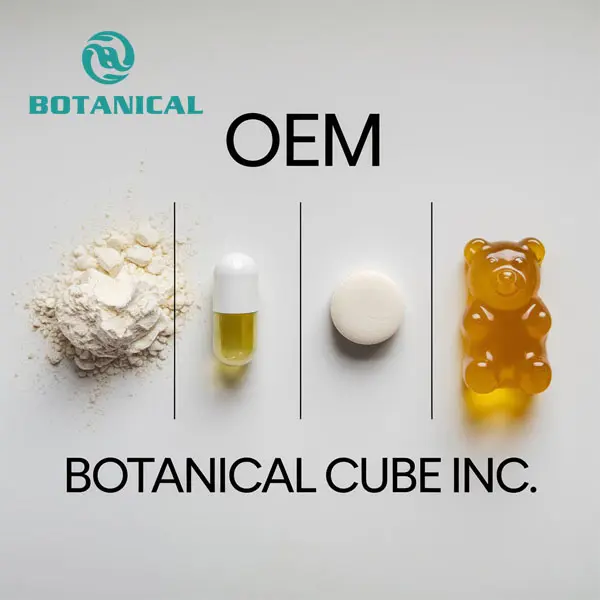
These details directly address common challenges associated with moringa: oxidation, color fading, and uneven particle size. In addition to bulk supply, OEM capabilities support finished product transformation, including capsules, tablets, stick packs, gummies, and superfood blends, formula development based on specific nutritional claims, and small-batch sample runs for testing new product concepts. Formulation support helps stabilize color, improve taste profiles, and design dosage forms that maintain nutrient integrity.
Most moringa powders on the market lose 30–45% of their heat-sensitive compounds during high-temperature grinding. A controlled ≤ 48°C milling process allows the final powder to retain:
Standard processing often supplies 60–80 mesh moringa, which can be gritty in drinks. Custom mesh options of 100, 120, 150, and 200 mesh support:
Oxidation often turns moringa powder yellow-brown. Controlled airflow drying and oxygen-limited packaging achieve:
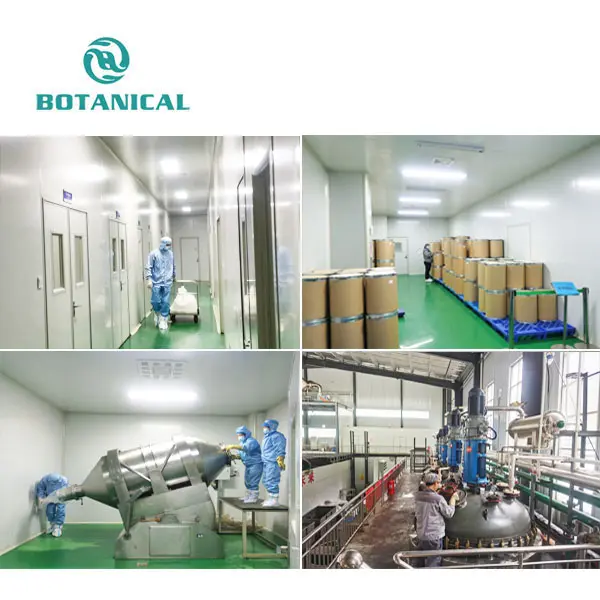
Standardized production backed by nearly 20 years of extraction experience ensures quality control and strict parameter oversight:
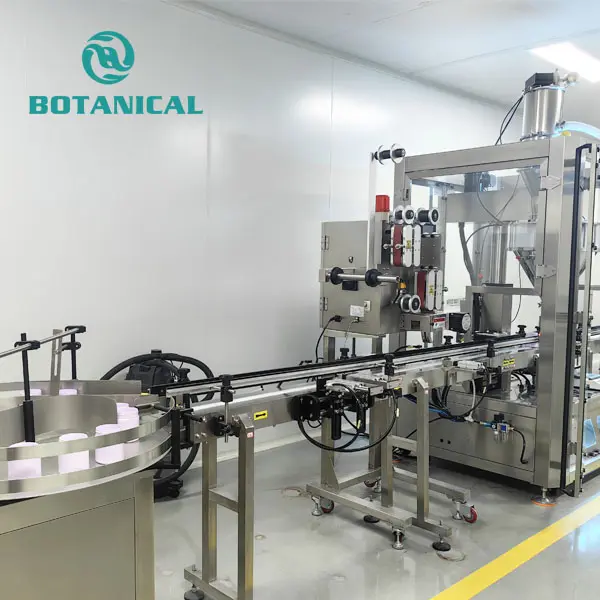
Extensive experience in finished dosage forms ensures optimal performance of the powder in final products, addressing common manufacturing challenges:
Moringa powder supply is tailored around what manufacturers actually need:
7. Verified Clean Quality That Passes Strict Global Standards
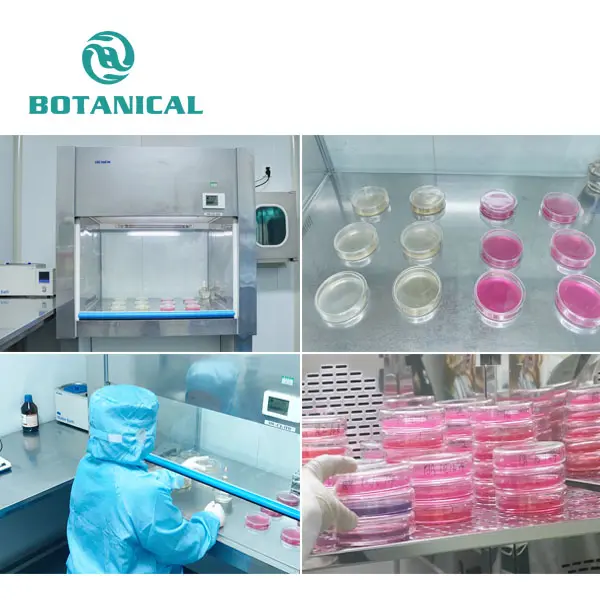
Every batch can be provided with:
| Item | Specification | Result |
|---|---|---|
| Appearance | Fine Green Powder | Complies |
| Odor & Taste | Characteristic | Complies |
| Mesh Size | NLT 98% pass 80 mesh | 99.2% Pass |
| Moisture | ≤ 6.0% | 4.23% |
| Ash | ≤ 10.0% | 7.85% |
| Bulk Density | 0.30–0.60 g/mL | 0.47 g/mL |
| Tap Density | 0.45–0.75 g/mL | 0.63 g/mL |
| Chlorophyll Content | ≥ 2.0% | 2.46% |
| Chlorogenic Acid | ≥ 1.0% | 1.32% |
| Total Flavonoids (as rutin) | ≥ 0.5% | 0.78% |
| Vitamin C | ≥ 50 mg/100g | 67 mg/100g |
| Protein | ≥ 20% | 24.3% |
| Fat | ≤ 7.0% | 5.12% |
| Carbohydrates | — | 56.1% |
| Solubility | Partially soluble in water | Complies |
| Color Stability Test (ΔE 30 days) | ≤ 3.0 | 1.8 |
| Particle Uniformity | No visible agglomeration | Complies |
| Heavy Metals | Total ≤ 10 ppm | 6.2 ppm |
| Lead (Pb) | ≤ 2.0 ppm | 1.12 ppm |
| Arsenic (As) | ≤ 1.0 ppm | 0.32 ppm |
| Cadmium (Cd) | ≤ 1.0 ppm | 0.16 ppm |
| Mercury (Hg) | ≤ 0.1 ppm | <0.05 ppm |
| Pesticide Residues | Meet USP & EU Standard | Complies |
| Total Plate Count | ≤ 10,000 cfu/g | 2,900 cfu/g |
| Yeast & Mold | ≤ 300 cfu/g | 85 cfu/g |
| E. coli | Negative | Negative |
| Salmonella | Negative | Negative |
| Staphylococcus aureus | Negative | Negative |
| Aflatoxins (B1, B2, G1, G2) | Total ≤ 10 ppb | <5 ppb |
| Packaging | 25kg/drum | Complies |
(These ranges vary depending on local regulations and brand positioning.)
For businesses expanding clean-label or plant-based product lines, bulk supply and finished dosage OEM solutions are available. The full process—from raw material control to manufacturing—is supported by nearly two decades of extraction and formulation experience. Features include stable green color, low-temperature processing, and consistent quality across batches. Compliance with global certification standards ensures smooth entry into international markets.

Color fading is caused by oxidation. To prevent this, choose low-temperature processed moringa (<48°C) with oxygen-limited packaging, and store the finished product in cool, dry conditions.
Using ultra-fine mesh (120–200 mesh) provides a smoother mouthfeel. Additionally, you can blend moringa with acerola, lemon, or mint powders, and use natural sweeteners like stevia or monk fruit to mask the natural bitterness.
Yes, it is highly suitable. It is recommended to use low-moisture powder (<6%) to avoid clumping, and adjust the acidity and flavoring profile of the formula to mask the natural grassy note.
No, moringa is naturally only partially soluble. For beverage applications requiring clarity, combine it with soluble carriers or micronize the powder to significantly improve dispersion.
Use antioxidant co-formulators (such as vitamin C), employ nitrogen-flushed packaging, and avoid high-temperature processing steps during final product manufacturing.
While 80 mesh is the industry standard for general blends, using 120–200 mesh ensures superior dispersibility and a smoother, consumer-friendly texture in instant drinks.