Explore our high-performance bio-active formulations optimized for international nutraceutical, pharmaceutical, and functional food distribution channels.
Standard citrus pectin, extracted from the peels of oranges, grapefruits, and lemons, is a complex polysaccharide characterized by high molecular weight (typically ranging from 50,000 to 300,000 Daltons) and a high degree of esterification. In its natural form, the large, branched molecular structure of pectin prevents it from crossing the intestinal barrier, limiting its physiological action to the gastrointestinal tract.
To address these physiological limitations, industrial B2B manufacturing focuses on the production of Modified Citrus Pectin (MCP). Through proprietary pH-controlled thermal depolymerization and enzymatic cleaving processes, the molecular weight of the pectin chains is reduced to a bioavailable range of 3,000 to 15,000 Daltons (3–15 kDa), and the esterification level is lowered to under 10%. This precise structural modification enables MCP to pass through the gut epithelium directly into the bloodstream, where it exerts systemic therapeutic actions.
For global brands sourcing from an OEM modified citrus pectin factory, ensuring the molecular weight distribution (MWD) remains consistent across production batches is critical. Advanced high-performance size-exclusion chromatography (HPSEC) and multi-angle light scattering (MALS) are deployed within our manufacturing facilities to certify that every shipment adheres strictly to target bioavailability specifications.
Bridging traditional chemistry with clean-label biotechnology to yield higher efficacy and process sustainability.
Precision monitoring of temperature-controlled acid-base hydrolysis paired with pectinase enzymatic cleavage ensures a tight MWD band of 3-15 kDa, preventing over-degradation into simple sugars.
Deploying closed-loop membrane filtration and multi-effect vacuum evaporators to recover up to 95% of ethanol used during the precipitation phase, optimizing cost-efficiency and environmental metrics.
R&D initiatives aiming at cross-linking MCP with organic minerals (e.g., Selenium, Zinc) to produce dual-action immunomodulatory complexes tailored for customized clinical formulations.
Future iterations of MCP processing focus heavily on the selective modification of side-chain configurations. While the backbone of pectin consists of homogalacturonan (HG), the side chains of rhamnogalacturonan I (RG-I) contain galactose-rich regions. It is these galactose residues that demonstrate high affinity for the carbohydrate-recognition domain (CRD) of Galectin-3. By optimizing the ratio of HG to RG-I during the enzymatic cleaving process, next-generation OEM modified citrus pectin factories can engineer compounds designed with targeted affinities for cardiac tissue support, heavy metal chelation, or immune modulation.
Benefiting from the solid foundation provided by its parent company, Xi'an Tianben Bioengineering Co., Ltd., Botanical Cube Inc. focuses on researching, developing, producing and selling healthy natural ingredients. With more than two decades of industry experience, it has become a leader in the field, specializing in providing high-quality plant extracts and customized solutions to global customers. Our comprehensive capabilities meet the exacting needs of industries including herbal medicine, health foods, dietary supplements, food and beverages, daily chemicals, and cosmetics.
Our operations are supported by three integrated corporate entities—Xi'an Tianben Bioengineering Co., Ltd., Botanical Cube Inc., and Shaanxi Tianben Kangyuan Biotechnology Co., Ltd. Together, they manage 3 state-of-the-art production bases covering more than 100 acres, processing more than 3,000 tons of plant raw materials annually. Our current product catalog features over 200 plant extracts, including an array of certified organic products designed to meet the rising global demand for sustainable, environmentally friendly solutions. We export to over 60% of countries worldwide, serving clients in more than 200 countries and regions and partnering with over 500 major enterprise customers across diverse industries.
Our flagship Sanyuan Factory was established in 2012 in Sanyuan City, Shaanxi, four years after our founding. While our initial production phases faced challenges in processing refinement, we remained committed to continuous optimization. Over the years, we have invested heavily in automation technology, workforce training, and analytical quality control systems. This legacy of development laid the foundation for the precision manufacturing standards we maintain today across our low-molecular-weight pectin extraction lines.
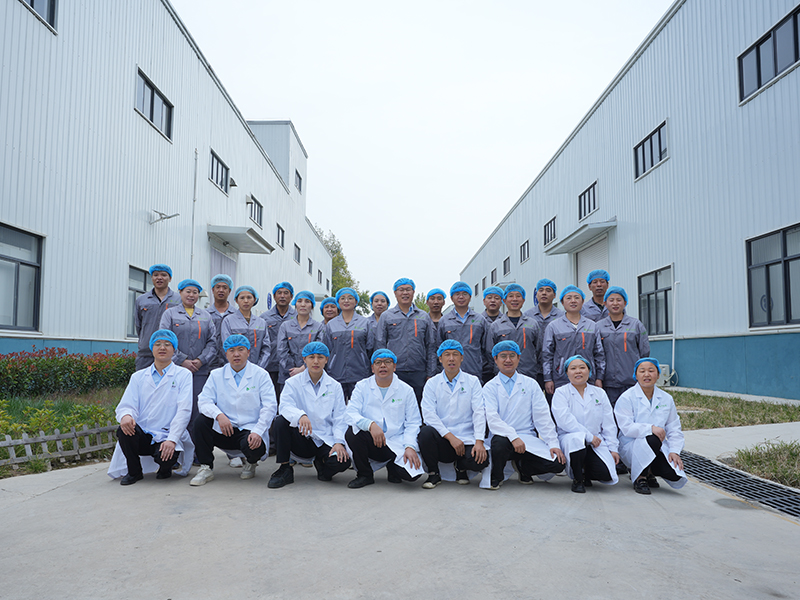
Powder collection, crushing, sieving, blending, and intermediate packaging drying processes are executed exclusively inside our Class 100,000 cleanroom environments. Operating technicians adhere to rigorous cleanroom protocols, utilizing sterile protective gowns, masks, and gloves to eliminate cross-contamination risk. By controlling airborne particulate matter and humidity levels, we guarantee raw material purity and particle consistency for every batch of OEM Modified Citrus Pectin manufactured at our site.
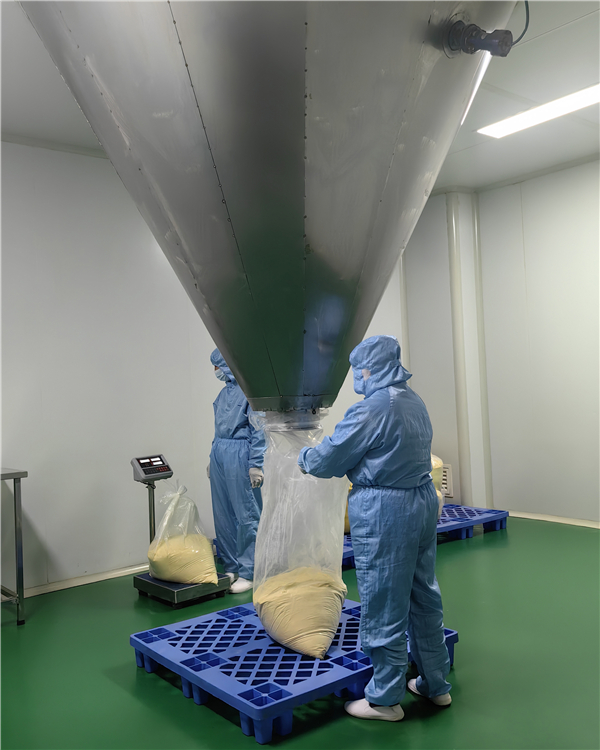
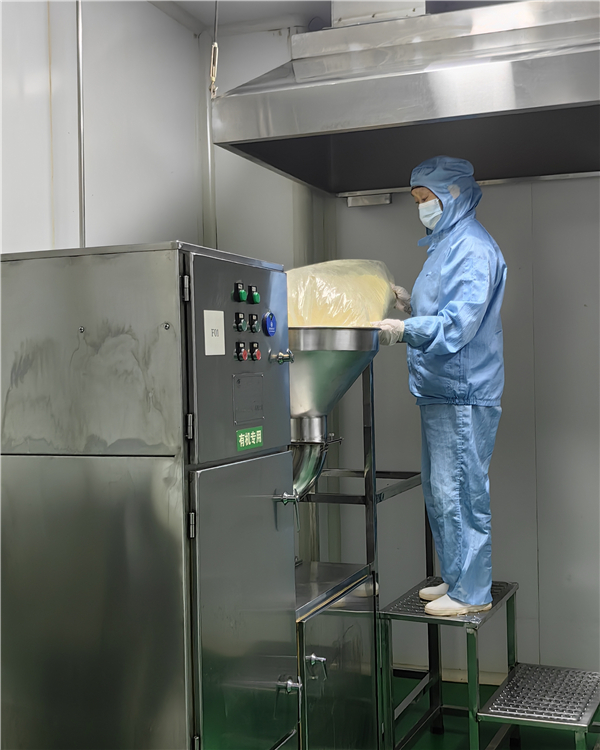
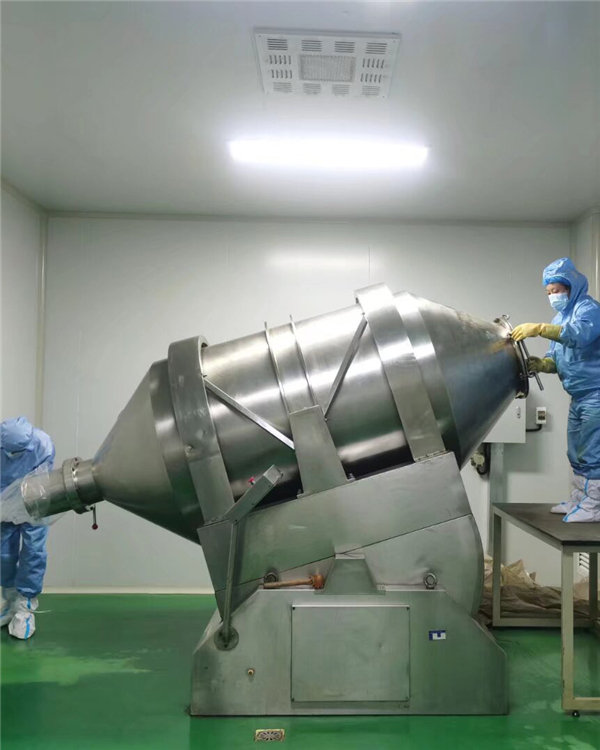
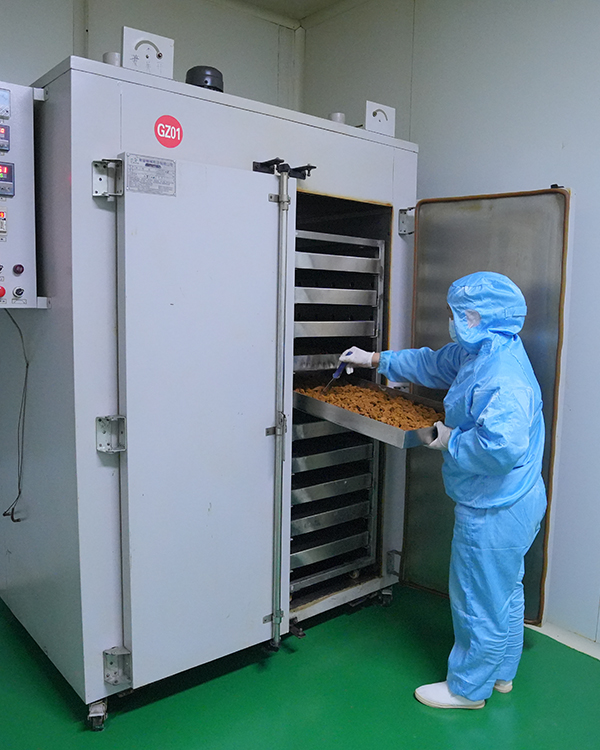
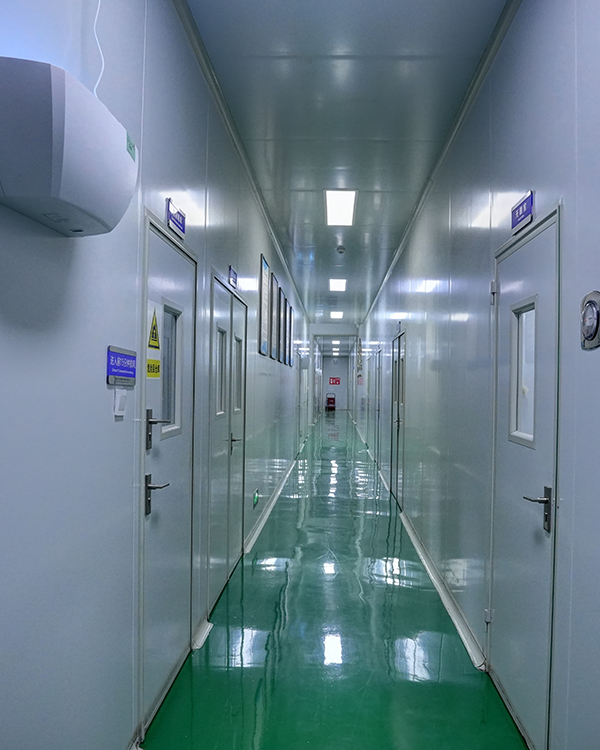
Nutraceutical brands, health-supplement developers, and pharmaceutical procurement teams seek specific processing capabilities from an OEM modified citrus pectin factory. High-solubility formulations, minimal taste profiles, and steady molecular weight parameters are critical to reducing product development cycles. Our production lines support diverse delivery formats:
Tailored particle distribution sizes (typically 40-80 mesh) suitable for high-speed tablet compression machinery without binding agent degradation.
Engineered via agglomeration spray-drying technology for instant cold-water solubility, designed for powdered drink mixes and clinical meal replacements.
High-density, free-flowing powder featuring low moisture retention (<5%) to prevent gelatin or HPMC capsule shell softening and leakage.
For complex multi-ingredient formulations, MCP must remain stable in the presence of synergistic minerals, such as organic sodium, potassium, or calcium alginates. Our research and development lab performs extensive pilot stability testing to support compatibility verifications before scale production begins.
In-depth responses to technical queries submitted by quality control managers and global procurement specialists.
Solid manufacturing and commercial indicators built over two decades of operation.
Complementary natural compounds and functional materials for comprehensive formula optimization.
 Botanical