Explore our premium product portfolio designed for global healthcare, dietary supplements, and food & beverage manufacturers.
Beta-carotene, a critical precursor to Vitamin A and a powerful antioxidant, suffers from an inherent structural vulnerability. Its extensive system of conjugated double bonds makes it highly susceptible to photo-oxidation, thermal degradation, and chemical alteration in the presence of oxygen, light, and acidic environments. In industrial processes, raw crystal beta-carotene degrades rapidly, losing its potency, color uniformity, and health benefits within short periods of storage.
To address these vulnerabilities, **microencapsulation technology** has emerged as the definitive industrial paradigm. At the macromolecular scale, active crystalline or oil-based beta-carotene is entombed in a protective polymeric coating. This coating acts as a selective physical barrier, preventing direct contact with ambient oxygen and light, while controlling the release kinetics inside the target physiological system.
We utilize advanced spray-drying emulsification and coacervation techniques to yield a stable structure. The core materials (Beta Carotene) are dispersed inside an aqueous solution containing wall materials (like modified starch, gum arabic, or sodium octenyl succinate starch), forming micro-emulsions. When processed under pressurized hot-air environments, water evaporates rapidly, leaving behind solid micro-granules (100–250 μm) with outstanding mechanical stability and instant cold-water dispersibility.
By utilizing customized wall-material matrices, we are able to satisfy distinct industrial specifications:
| Stability Parameter | Raw Crystalline Beta-Carotene | Microencapsulated (CWD) Beadlet | OEM Formulation Advantage |
|---|---|---|---|
| Thermal Tolerance | Decomposes above 45°C | Stable up to 120°C (Pasteurization) | Suitable for UHT/Thermal Food Processing |
| Oxygen Resistance | Oxidizes within 24 hours of exposure | Protects active core up to 24 months | Extended product shelf-life and stability |
| Water Solubility | Insoluble, hydrophobic residue | Perfect colloidal dispersion in water | Consistent coloring in RTD beverages |
| Bioavailability | Poor GI tract absorption (<10%) | Micellar digestion pathways (>65%) | Maximizes functional health benefits |
Analyzing procurement dynamics, global logistics routes, regulatory challenges, and compliance frameworks for global enterprises.
Global corporations in the EU and NA demand non-GMO, allergen-free ingredients. Our microencapsulated products strictly utilize non-GMO starch carriers to comply with strict EU standards.
To support continuous assembly-line operations, we maintain multi-ton inventories across regional centers, protecting buyers against raw material volatility and high transport costs.
We provide full verification packages including HPLC assays, particle size distribution charts, microbiology tests, allergen reports, and stability files under ICH guidelines.
Industrial sourcing of microencapsulated beta carotene is no longer a simple transactional purchase; it has become a multi-layered verification process. Purchasing departments in the functional food sector prioritize **microscopic uniform dispersion** and **thermostability**. For instance, in the infant milk formula industry, suppliers must demonstrate absolute batch-to-batch consistency. The microcapsule must protect the carotenoids during high-temperature spray drying of milk powder, yet break down cleanly inside the infant's digestive system to facilitate absorption of Vitamin A.
Resolving formulation bottlenecks and stability crises for different industry sectors.
Traditional beta-carotene causes unwanted sedimentation and "ring formation" on plastic bottles. Our specialized **Cold-Water Dispersible (CWD)** emulsion powder uses nanotech-modified starches that instantly dissolve to yield a perfectly stable colloidal liquid with natural yellow-to-orange hues.
Acidic environments and gel heating profiles degrade colors. Our encapsulated formulation features high thermal resistance that shields the active beta-carotene from temperatures of up to 120°C, ensuring vibrant, non-fading colors throughout shelf life.
Under high pressure, fragile granules break, resulting in rapid oxidation. Our **high-density beadlet technology** features cross-linked gelatin or modified starch networks that act as tiny cushions, resisting high tableting forces up to 20 kN.
The microencapsulation industry is moving away from basic starch/gelatin barriers toward intelligent, responsive delivery systems. As a leading manufacturer, we invest heavily in R&D to optimize the protective wall architectures and release mechanisms.
Using traditional spray-drying with modified starches and gum arabic. Delivers excellent oxidative protection for basic dry food applications and beverage mixes, extending shelf-life from months to years.
Employing enzymatic cross-linking and multi-layered coacervation. This technology allows the beta-carotene to bypass stomach acids completely and dissolve specifically inside the small intestine, maximizing absorption and bioavailability.
Eliminating chemical additives completely. Leveraging natural plant proteins (such as pea protein or faba bean isolates) combined with algal polysaccharides to create fully organic, eco-friendly protection barriers.
Discover our global production footprint, advanced equipment, cleanroom standards, and decades of expertise.
A Global Leader in Natural Ingredients
Benefiting from the solid foundation provided by its parent company, Xi'an Tianben Bioengineering Co., Ltd., Botanical Cube Inc. focuses on researching, developing, producing and selling healthy natural ingredients. With more than two decades of industry experience, it has become a leader in the field, specializing in providing high-quality plant extracts and customized solutions to global customers. Services meet the needs of industries including herbal medicine, health foods, dietary supplements, food and beverages, daily chemicals and cosmetics.
Our operations are supported by three companies - Xi'an Tianben Bioengineering Co., Ltd., Botanical Cube Inc. and Shaanxi Tianben Kangyuan Biotechnology Co., Ltd. - which together operate 3 production bases covering more than 100 acres and process more than 3,000 tons of plant raw materials each year. The product range includes more than 200 plant extracts, and we also provide a variety of certified organic products to meet the global demand for environmentally friendly and healthy solutions. Exporting to 60% of the world's countries, serving more than 200 countries and regions and more than 500 customers from all walks of life.
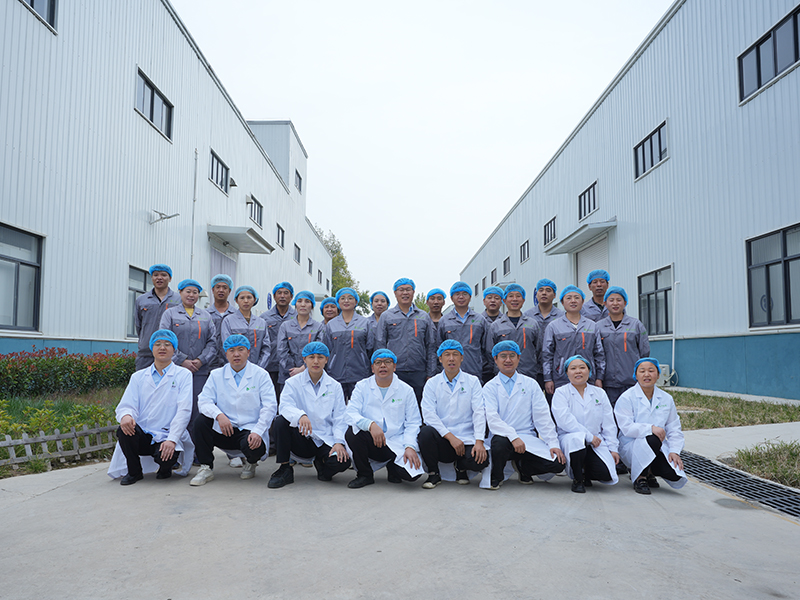
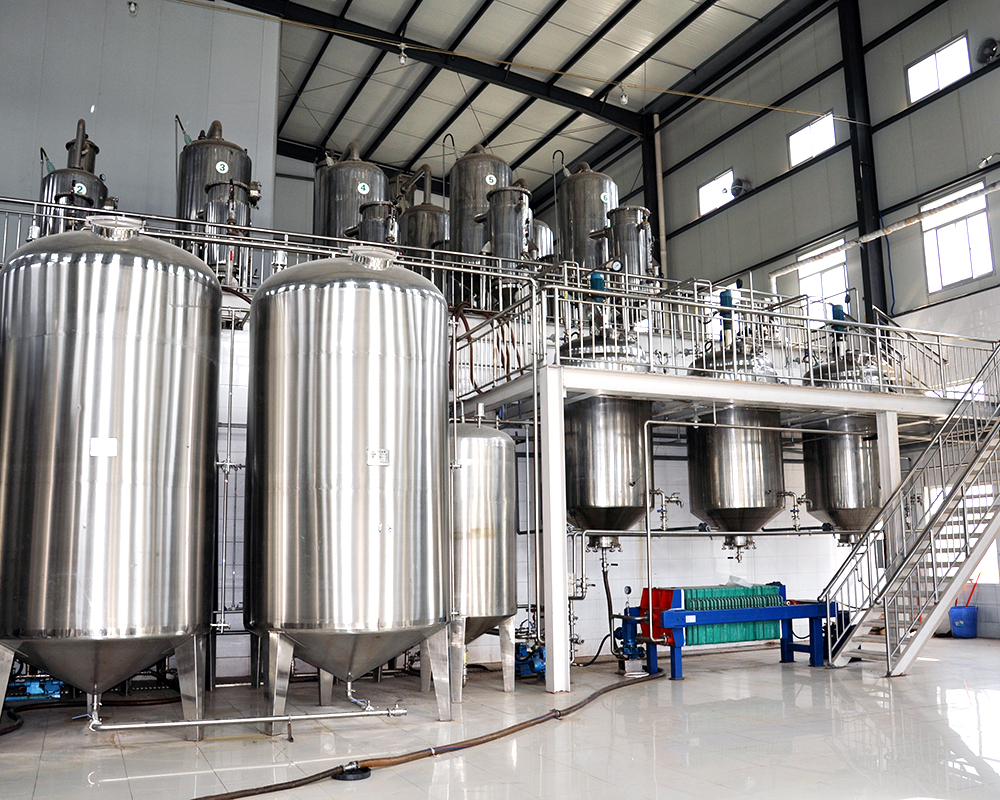
Our first factory was established in 2012 in Sanyuan City, Xi'an, four years after our company was founded. At that time, our production experience was still in its early stages, and we faced many challenges as we worked to refine our processes. However, we remained committed to continuous improvement, investing heavily in technology, training, and quality control to strengthen our capabilities. These early efforts laid a strong foundation for our future growth, shaping the high standards of excellence that we uphold today.
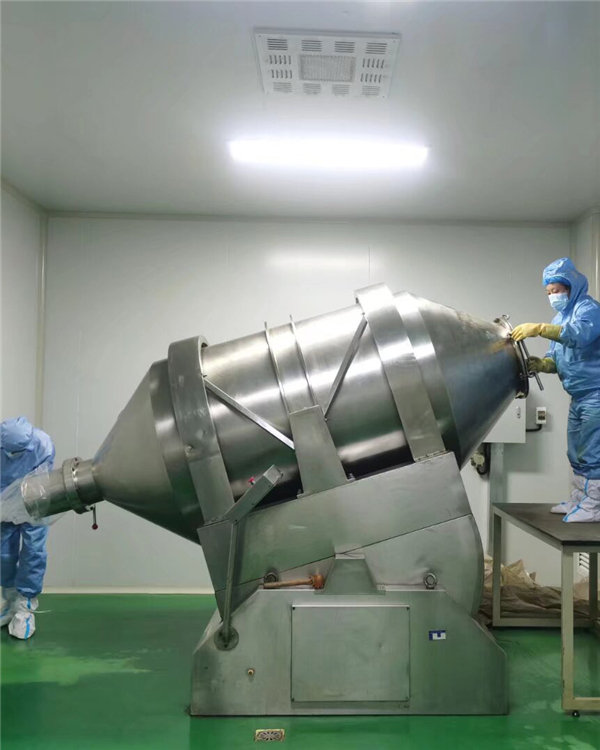
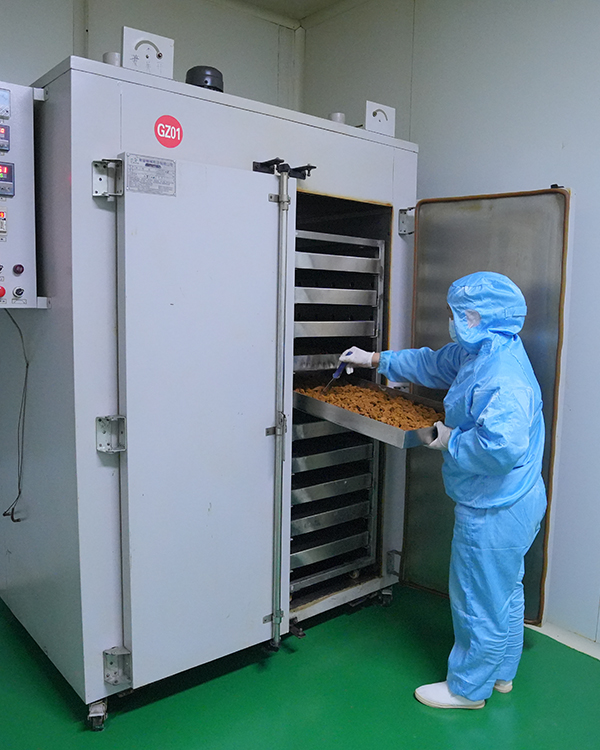
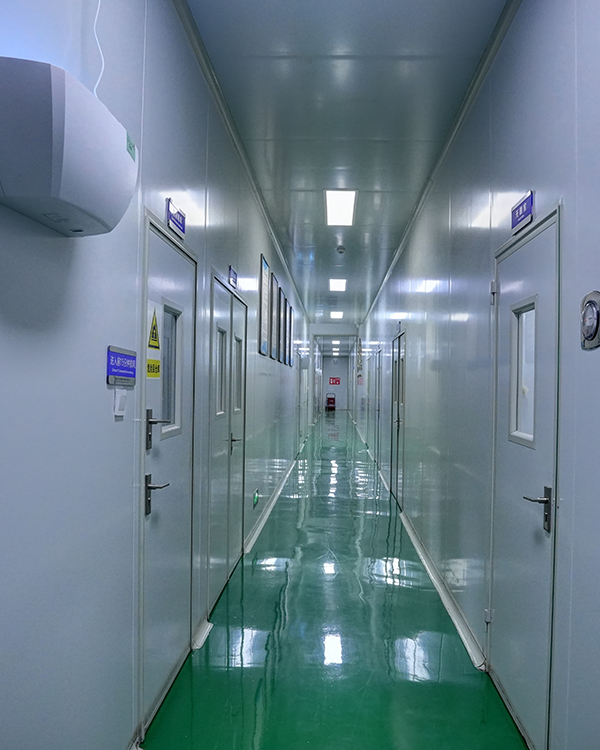
Powder collection, crushing and sieving, mixing and drying processes are all performed in a Class 100,000 cleanroom environment. Our operators strictly follow hygiene protocols and wear sterile gowns, masks and gloves to maintain product purity and safety, thus ensuring that we provide our customers with high quality standards and reliable ingredients.
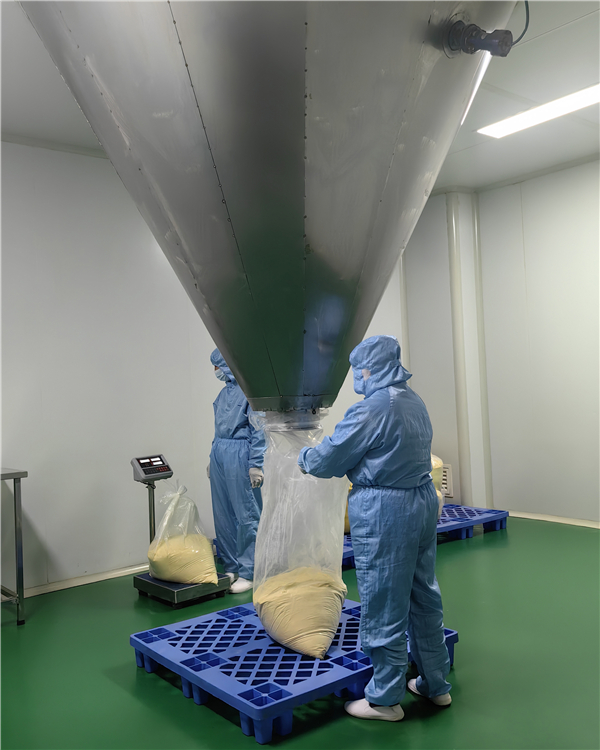
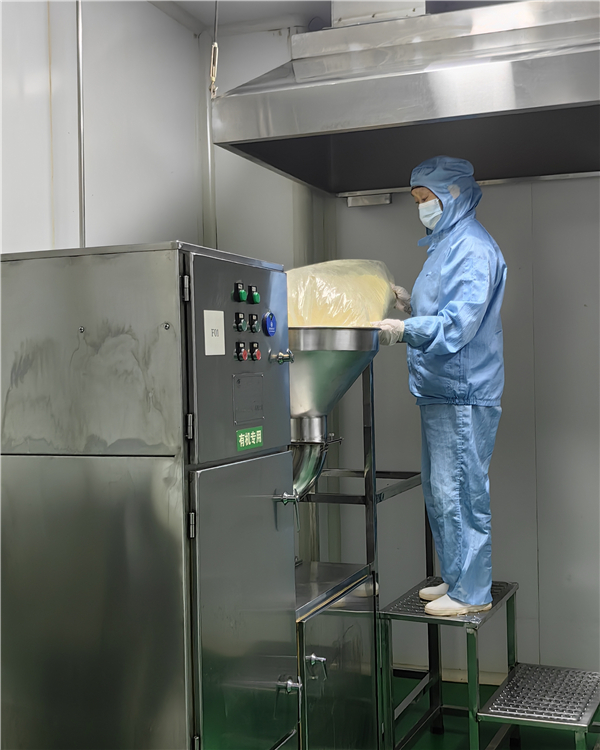
Proven excellence, infrastructure capacity, and global market reach across the functional ingredients sector.
Exporting health ingredients to over 60% of the world's countries requires a robust regulatory framework. Different regional authorities mandate different certification protocols, necessitating active adaptation and localization:
"Every batch of microencapsulated beta carotene undergoes thorough HPLC testing. We guarantee consistent potency, uniform color, and zero micro-particle rupture during shipping and storage."
Answering technical questions frequently asked by formulators, quality managers, and global procurement teams.
Explore our selection of specialized biological materials for health food, cosmetic, and pharmaceutical formulations.
 Botanical