In the rapidly changing landscape of pharmaceuticals and nutritional science, Methylcobalamin (Mecobalamin) stands out as the most biologically active form of Vitamin B12. Unlike its synthetic counterpart, Cyanocobalamin, which requires complex enzymatic processes in the liver to lose its cyano group and pick up a methyl group, Methylcobalamin is already methylated. This pre-activated state enables direct cellular utilization. Consequently, it has become the standard raw material for neuroprotective supplements, clinical therapies targeting peripheral neuropathies, and high-purity dietary integrations.
Global demand for high-grade Methylcobalamin is rising sharply due to a growing elderly population, an increase in metabolic disorders, and a global shift toward preventative medicine. Understanding the complexities of Methylcobalamin manufacturing, synthetic methodologies, quality control systems, and regulatory environments is essential for B2B buyers. The purpose of this guide is to explain these elements, providing purchasers, formulary scientists, and brand owners with the insights needed to establish stable and compliant supply chains.
Sourcing bulk Methylcobalamin requires balancing cost with technical compatibility. Buyers must confirm that raw materials meet local regulatory and manufacturing requirements.
The target market dictates the required purity levels and documentation. Pharmaceutical grade Methylcobalamin must comply with standards like USP (United States Pharmacopeia), EP (European Pharmacopoeia), or BP (British Pharmacopoeia). These specifications limit related impurities (such as hydroxocobalamin) to very low percentages. On the other hand, nutraceutical grade material focuses on stability, assay levels, and avoiding heavy metal or microbial contamination.
Methylcobalamin's physical form affects final product manufacturing. Factories offer various grades: fine powders for dry-mix capsules, granulated versions for direct compression tableting, and micronized powders for sublingual sprays. For liquid products, water solubility and clarity are critical parameters checked in factory quality laboratories.
Environmental factors also present challenges during shipping. Methylcobalamin is light-sensitive and degrades under UV exposure, converting back into hydroxocobalamin. Global buyers need factories that use protective packaging, such as double-bagged pharmaceutical-grade polyethylene linings inside secure fiber drums, alongside temperature-controlled shipping methods.
Industrial-scale production of Methylcobalamin utilizes two main approaches: semi-chemical synthesis from cobalamin precursors and direct biosynthesis through microbial fermentation.
The complex corrin ring structure of Vitamin B12 is produced using bacterial strains like Pseudomonas denitrificans or Propionibacterium freudenreichii. Cultivated in large bioreactors with precise carbon-to-nitrogen ratios, oxygenation levels, and trace cobalt supplementation, these bacteria synthesize cobalamin intermediates intracellularly. The cells are then harvested, lysed, and the raw cobalamin is isolated using adsorption chromatography columns.
To convert isolated hydroxocobalamin or cyanocobalamin into active Methylcobalamin, chemists introduce a methyl donor. The precursor undergoes reduction using reducing agents (such as sodium borohydride or zinc dust) to reduce the cobalt ion from its trivalent (Co3+) state to its highly reactive monovalent (Co1+) state. Once reduced, a methylating agent, such as dimethyl sulfoxide or methyl iodide, is introduced under strict dark-room or yellow-light conditions to avoid photo-degradation.
The reaction mixture contains salts, unreacted reagents, and impurities. Purification involves repeating column chromatography followed by crystallization. By altering solvent polarities using combinations of water, ethanol, and acetone, pure Methylcobalamin crystals form. The crystals are dried under a deep vacuum to protect the heat-sensitive methyl bond.
Benefiting from the solid foundation provided by its parent company, Xi'an Tianben Bioengineering Co., Ltd., Botanical Cube Inc. focuses on researching, developing, producing, and selling healthy natural ingredients. With more than two decades of industry experience, it has become a leader in the field, specializing in providing high-quality plant extracts and customized solutions to global customers. Our services meet the needs of industries including herbal medicine, health foods, dietary supplements, food and beverages, daily chemicals, and cosmetics.
Our operations are supported by three companies - Xi'an Tianben Bioengineering Co., Ltd., Botanical Cube Inc., and Shaanxi Tianben Kangyuan Biotechnology Co., Ltd. - which together operate 3 production bases covering more than 100 acres and process more than 3,000 tons of plant raw materials each year. The product range includes more than 200 plant extracts, and we also provide a variety of certified organic products to meet the global demand for environmentally friendly and healthy solutions. Exporting to 60% of the world's countries, serving more than 200 countries and regions and more than 500 customers from all walks of life.
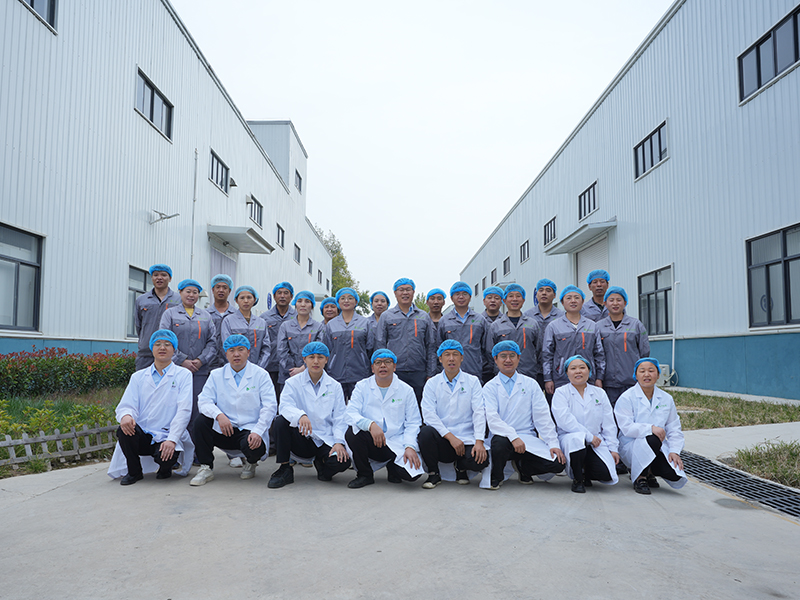
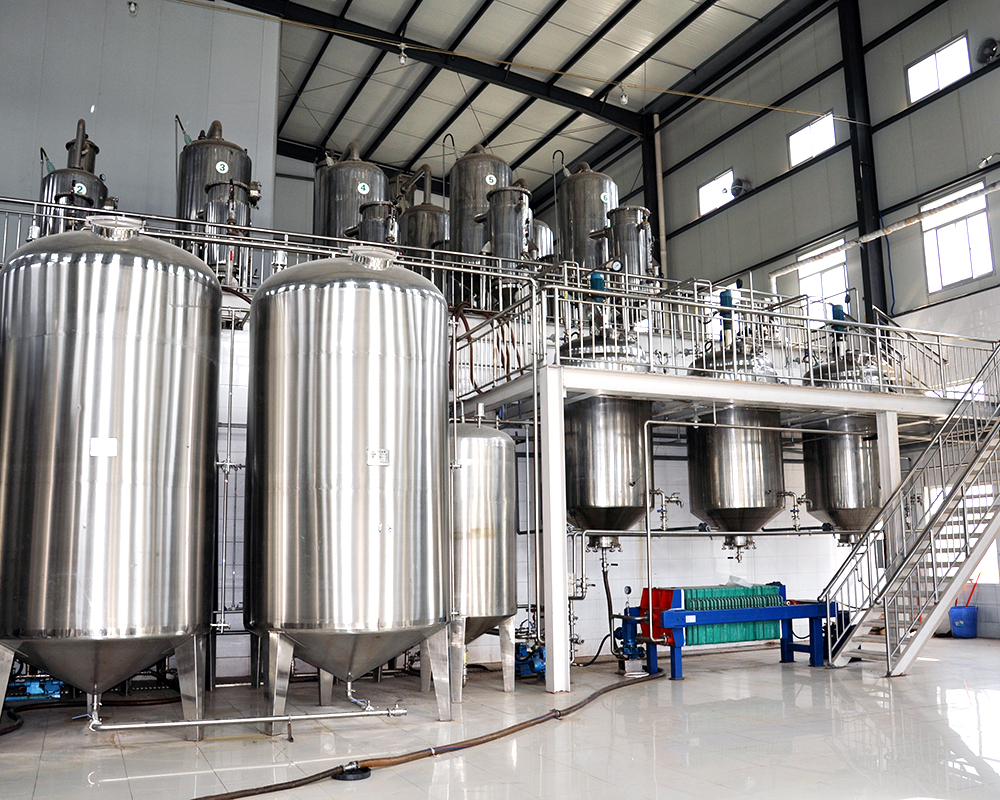
Our first factory was established in 2012 in Sanyuan City, Xi'an, four years after our company was founded. At that time, our production experience was still in its early stages, and we faced many challenges as we worked to refine our processes. However, we remained committed to continuous improvement, investing heavily in technology, training, and quality control to strengthen our capabilities. These early efforts laid a strong foundation for our future growth, shaping the high standards of excellence that we uphold today.
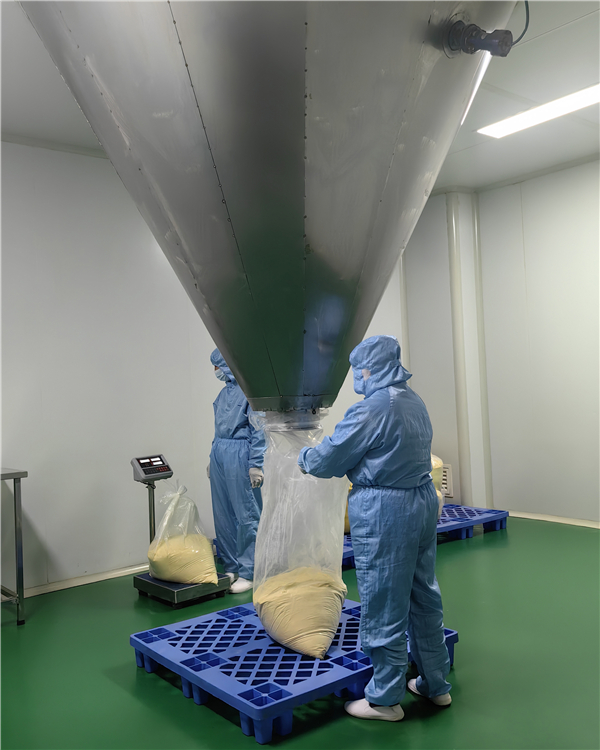
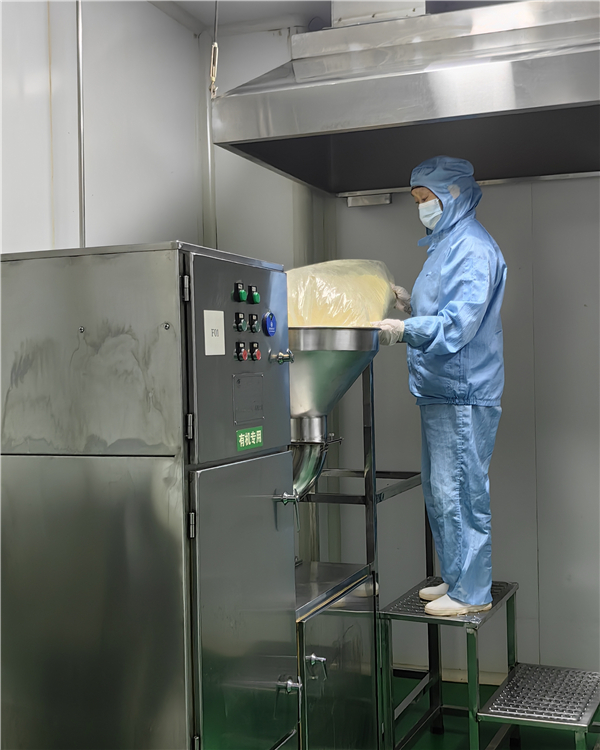
To ensure the manufacturing of sensitive active pharmaceutical ingredients (APIs) and food supplements like Methylcobalamin, our facilities incorporate a Class 100,000 Clean Room environment. This layout prevents environmental contaminants from affecting product purity.
Powder collection, crushing and sieving, mixing and drying processes are all performed in a Class 100,000 cleanroom environment. Our operators strictly follow hygiene protocols and wear sterile gowns, masks, and gloves to maintain product purity and safety, ensuring that we provide our customers with high quality standards and reliable ingredients.
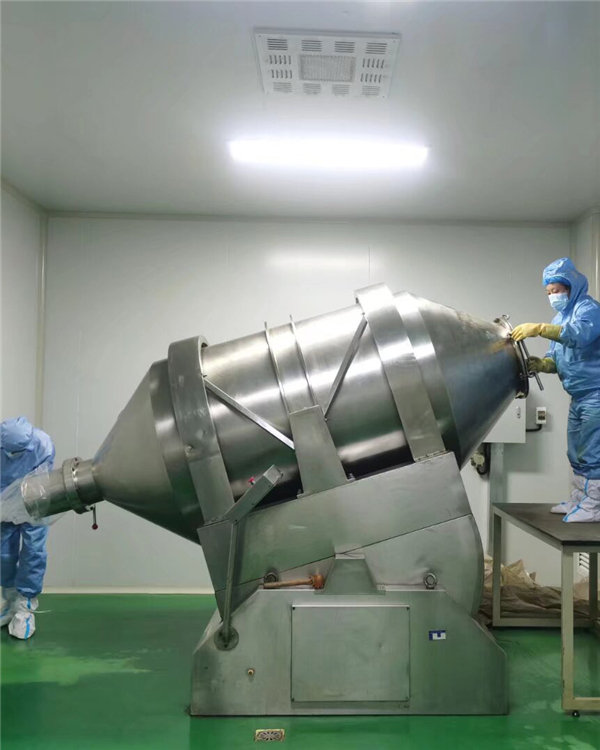
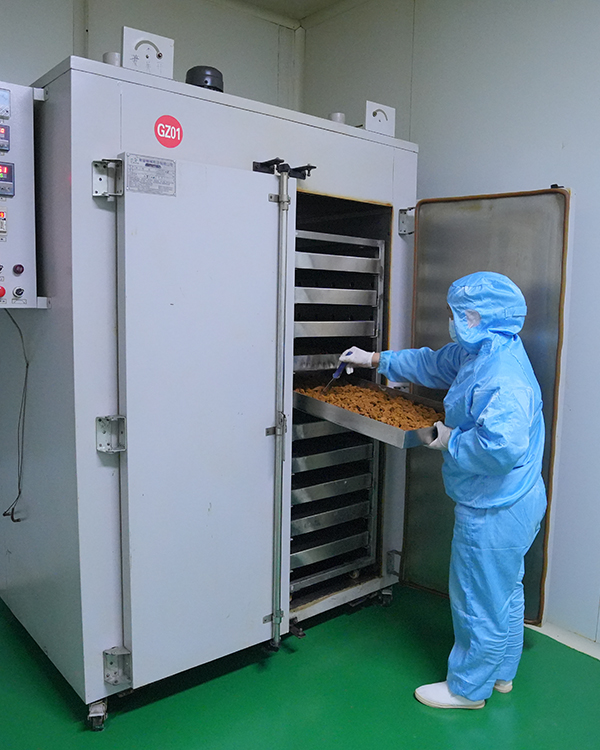
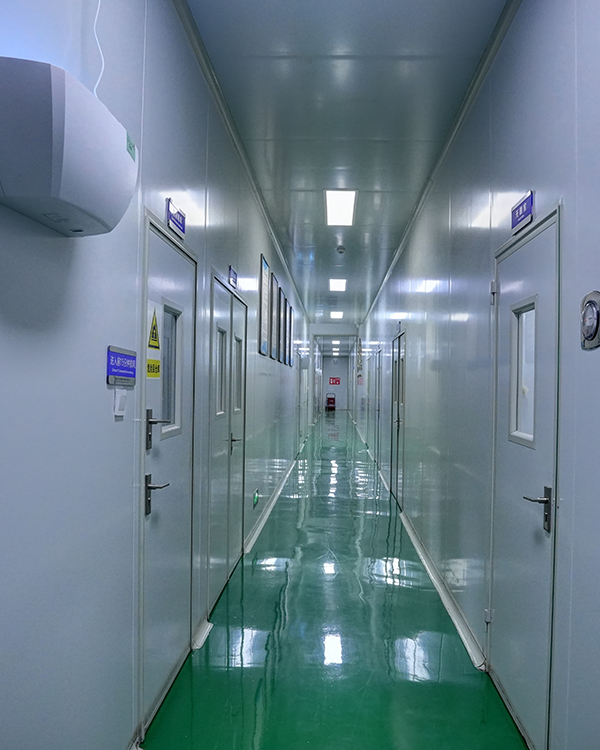
Global commercial production of Methylcobalamin is concentrated in hubs featuring advanced fermentation facilities and biochemical engineering infrastructure. For brand owners, partnering with an experienced OEM/ODM provider is often more practical than managing synthesis independently.
Experienced factories offer customization services tailored to specific applications. This includes wet granulation for tableting, oil dispersions for softgels, micro-encapsulated spray-dried powders to improve stability in multi-ingredient dry mixes, and liquid-stable formulations for clinical ampoules or pediatric syrups.
ODM partnerships go beyond supplying raw powder. Turnkey facilities provide product formulation design, stability studies (under zone IV conditions), regulatory submission support, packaging design, and final batch release testing. This comprehensive service simplifies the path to market for brand owners.
Compliance with international standards is essential for the distribution of pharmaceutical and nutraceutical ingredients. High-quality manufacturers run analytical laboratories that test every batch against rigorous criteria.
Analytical validation at our facilities utilizes High-Performance Liquid Chromatography (HPLC) to verify active ingredient assays, Inductively Coupled Plasma Mass Spectrometry (ICP-MS) to screen for heavy metal limits (such as lead, arsenic, mercury, and cadmium), and microbial assays to confirm the absence of pathogens.
This section provides answers to technical and logistical questions frequently raised by global sourcing teams.
 Botanical