Explore our advanced catalog of standardized bio-actives, botanical extracts, and high-purity natural powder compounds optimized for industry-leading applications.
D-Galacturonic acid is the principal monomeric constituent of pectin, a complex structural polysaccharide found within the primary plant cell walls. Structurally, pectin consists of an alpha-1,4-linked D-galacturonic acid backbone with varying degrees of esterification. In the global B2B sector, understanding the chemical density, molecular weight distribution, and molecular integrity of this backbone is crucial. High-purity galacturonic acid pectin serves not merely as a texturizer, but as an active biochemical matrix suitable for targeted pharmacological delivery, physiological heavy metal chelation, and advanced cosmetic skin-barrier restoration.
As a leading pioneer under our parent entity, Xi'an Tianben Bioengineering Co., Ltd., alongside Botanical Cube Inc. and Shaanxi Tianben Kangyuan Biotechnology Co., Ltd., we bring more than two decades of dedicated research and development in natural ingredients. We process raw biomass with deep-level chemical precision, isolating the homogalacturonan (HG) and rhamnogalacturonan (RG) regions to yield customized pectins with tightly controlled Degree of Esterification (DE). This specialized approach ensures that whether you require high-methoxyl or low-methoxyl variants, the molecular density of the D-galacturonic acid backbone is structurally optimized for your unique formulation needs.
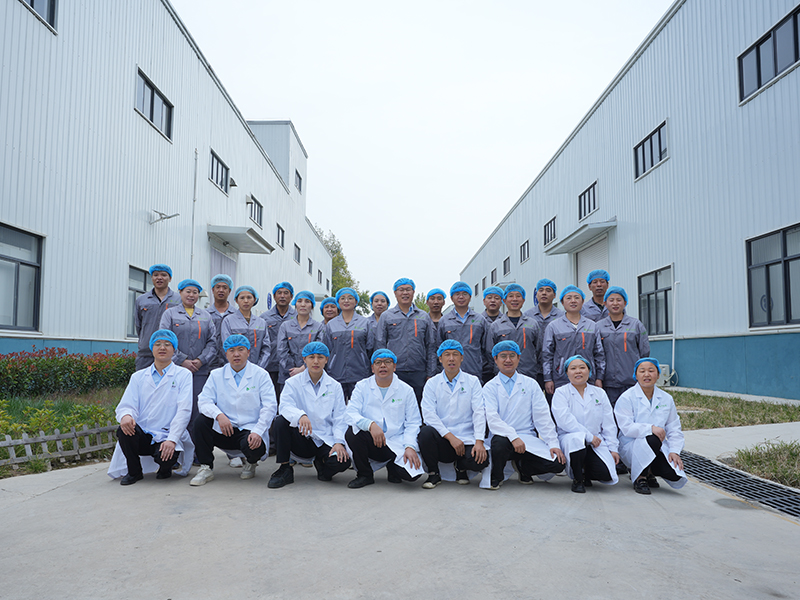
Our commitment to the E-E-A-T principles (Experience, Expertise, Authoritativeness, Trustworthiness) is reflected in our robust manufacturing process. Our three advanced production bases spanning over 100 acres process more than 3,000 tons of plant raw materials annually, converting complex biomass into stable, bio-available ingredients.
Unlocking the macroeconomic shifts driving the demand for plant-derived pectins and high-concentration galacturonic acid compounds across key regional sectors.
The rapid decline of animal-derived gelatin due to clean-label directives, vegan lifestyle adoption, and strict religious compliance (Halal/Kosher) has positioned pectin-derived galacturonic acid as the gold standard for high-performance plant-based hydrocolloids. Its thermal stability and acid resistance exceed starch and gum alternatives.
Modern pharmacokinetics utilize low-esterified galacturonic acid matrices for colon-targeted drug delivery. The structural resilience of the alpha-1,4-linkage allows therapeutic compounds to bypass gastric acidity and release specifically within the large intestine through microbial enzymatic degradation.
D-Galacturonic acid is emerging as a high-intent ingredient in dermatological formulations. It naturally acts as a skin-conditioning humectant, promoting the synthesis of intercellular lipids while shielding delicate dermal cells from environmental particulates and chemical irritants.
How our global B2B clients formulate and commercialize galacturonic acid pectin in response to regional market demands and dietary preferences.
In the US and Canadian markets, dietary supplement brands are prioritizing heavy metal detoxification and gut microbiome reinforcement. High-purity galacturonic acid pectin acts as a natural chelator. Because the negative charge of the carboxyl groups in galacturonic acid binds with high affinity to positively charged heavy metal ions (such as lead, cadmium, and arsenic) in the digestive tract, it facilitates their safe elimination. Formulators utilize our Low-Methoxyl Pectin to create clean-label pectin gummies that require no artificial preservatives.
European regulatory frameworks (specifically under EFSA) mandate transparent additive labelling. Within the expanding vegan milk sector (oat, almond, and pea milks), stabilizing proteins under variable heat treatment is a major hurdle. Our OEM galacturonic acid pectin stabilizes protein suspensions at low pH levels, preventing sedimentation without modifying the sensory profile of the beverage. The product aligns perfectly with the stringent E440 EU purity guidelines.
In Japan, South Korea, and China, anti-pollution skincare is a high-growth market segment. Galacturonic acid is utilized as a bio-barrier ingredient. By forming a breathable, micro-porous polymeric film on the stratum corneum, it prevents PM2.5 air pollution particles from penetrating the skin and triggering inflammatory cascades. Additionally, its high moisture retention value serves as a plant-based alternative to synthetic hyaluronic acids.
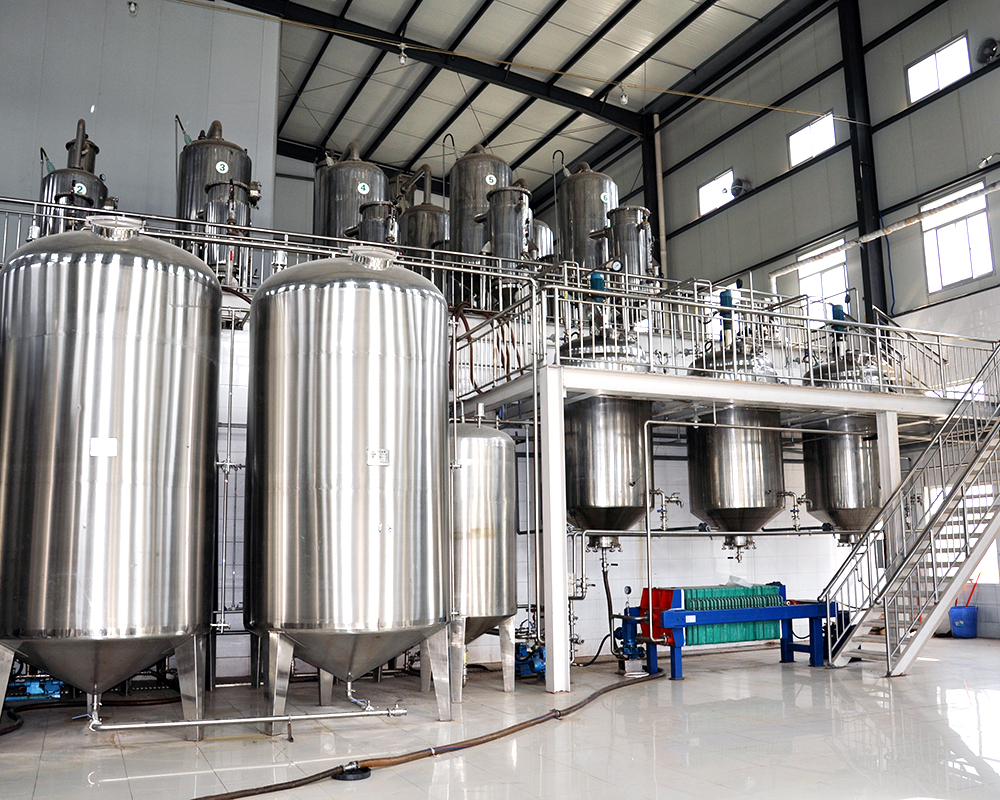
Established in 2012 in Sanyuan City, Shaanxi, our primary production factory represents a decade-long investment in technological optimization and refined process control. In the early stages of our operations, achieving a highly consistent degree of esterification and molecular weight distribution in pectins presented complex challenges. Through continuous investments in R&D and chromatography technology, we have standardized a sophisticated extraction process.
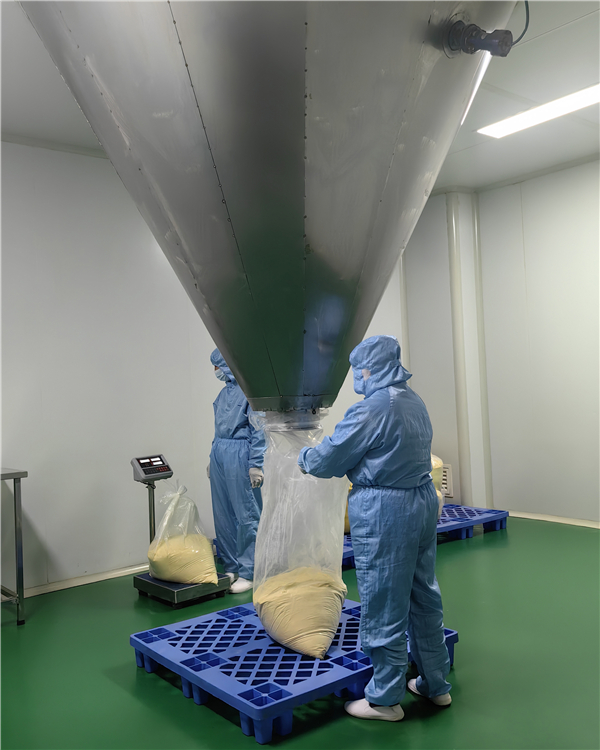
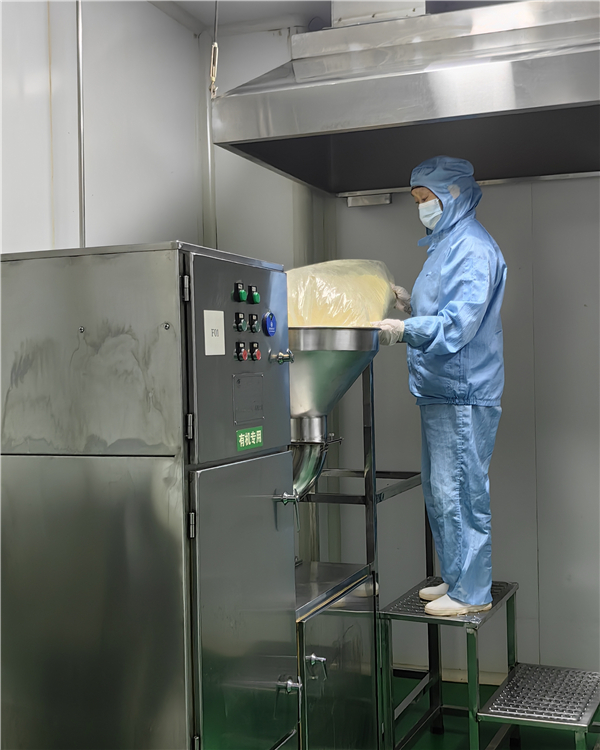
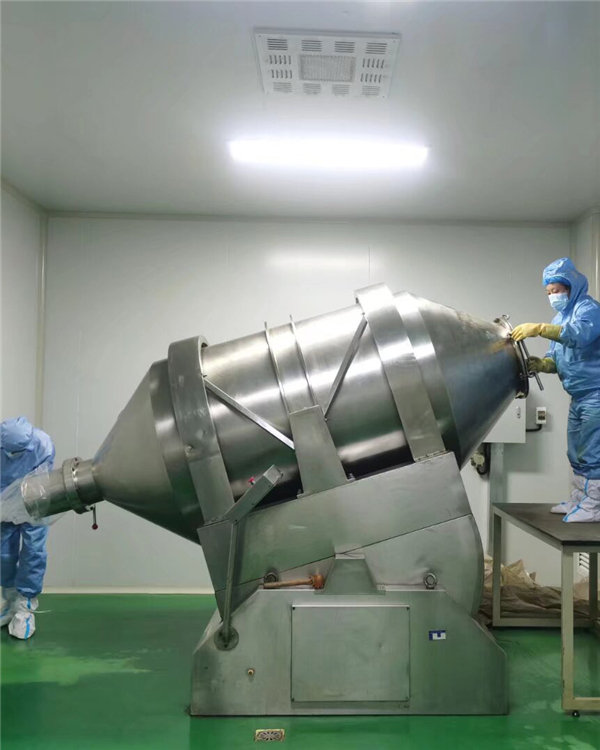
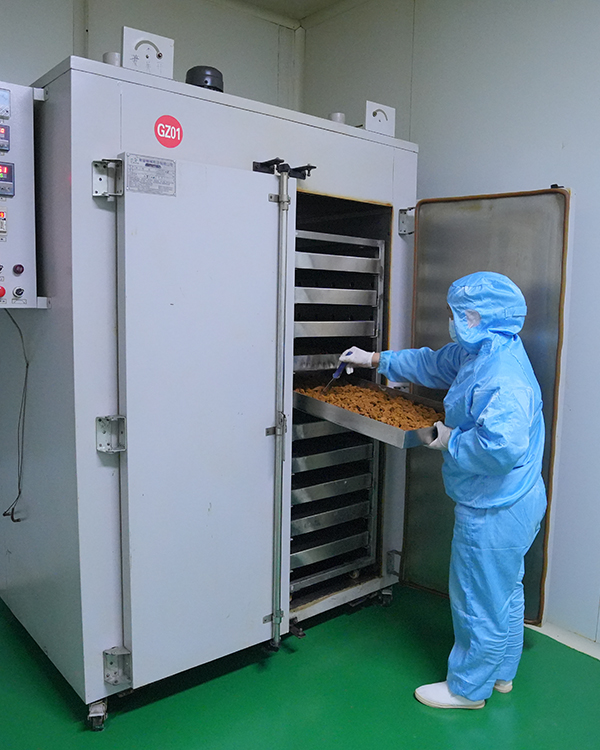
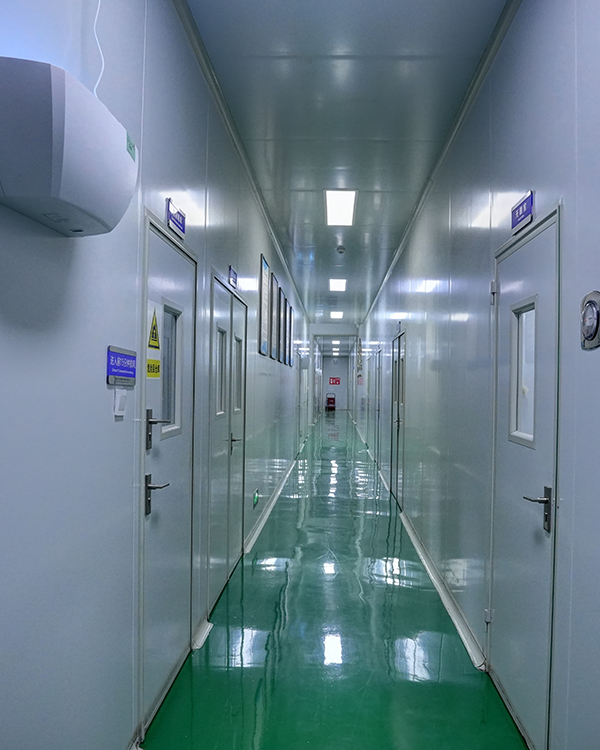
Purity and safety are critical when supplying ingredients for pharmaceutical and food grade applications. Our critical processing stages—including powder collection, crushing, sieving, blending, and dehydration—are performed strictly within a Class 100,000 cleanroom environment. To maintain zero external contamination, operators must adhere to strict hygiene protocols, including sterile gowning, localized negative pressure booths, and high-efficiency particulate air (HEPA) filtration systems.
A visual showcase of our state-of-the-art machinery, extraction lines, and quality control checkpoints at the Sanyuan facility.
Leveraging localized raw material integration, dual-redundant manufacturing processes, and global logistics corridors.
Our factories are strategically situated in Shaanxi province, adjacent to China's premier apple and citrus agricultural basins. This geographical location guarantees an uninterrupted, year-round supply of fresh pomace and peel biomass. By eliminating long-distance domestic transport of raw materials, we minimize degradation and preserve the molecular integrity of pectin chains before extraction begins.
With three unified manufacturing facilities operating under Shaanxi Tianben Kangyuan Biotech and Botanical Cube Inc., we run parallel extraction lines. In the event of scheduled maintenance or energy restrictions, production automatically balances across facilities, guaranteeing that global supply contracts are consistently fulfilled on time.
Operating from the Xi'an logistics hub, we utilize the China-Europe Railway Express for direct overland shipping to continental Europe, alongside express ocean corridors departing from Qingdao and Shanghai ports. We regularly export to over 60% of the world's countries, serving more than 500 major international B2B clients.
For global brands, sourcing bulk raw ingredients from international suppliers requires comprehensive compliance verification. Our operations are fully certified under international standards, including ISO 22000, Kosher, Halal, HACCP, and FDA registration. We provide comprehensive documentation packages for every batch of Galacturonic Acid Pectin:
Our technical support team works directly with your R&D staff to resolve challenges such as syneresis, thermal gelation degradation, and formulation compatibility in water-scarce environments.
Our processes undergo annual verification audits by third-party registries. The high purity of our galacturonic acid backbone ensures superior compatibility and stability in food, medical, and cosmetics applications worldwide.
Addressing key scientific, processing, and procurement questions from food scientists, regulatory specialists, and purchasing managers.
Complementary plant-based extracts, standardized powders, and active molecules developed by our factories to support your clean-label formulations.
 Botanical