High-purity bioactive compounds engineered for clean-label, functional food, and dietary supplement manufacturing.
A deep analytical look at modern market drivers, functional characteristics, and metabolic advantages of complex fiber formulations.
The global market for dietary fiber is undergoing a significant paradigm shift. Historically treated as simple bulking agents to assist with gastrointestinal transit, modern fiber formulations are now recognized as vital modulators of metabolic health, immune function, and the gut microbiome. The transition from single-source fibers (such as standard psyllium husk or oat fiber) to precision-engineered OEM fiber blends is driven by clinical evidence supporting the symbiotic action of different fiber structures.
Industrial food manufacturers, nutraceutical formulators, and pharmaceutical brands are rapidly adjusting to meet the demands of a consumer base that prioritizes gut health, weight management, and clean-label integrity. The international fiber blend sector is projected to maintain a strong Compound Annual Growth Rate (CAGR), fueled by expanding clinical research and the widespread adoption of preventive healthcare products.
By utilizing optimized fiber blends, brands can avoid the typical issues associated with single-source dietary fiber products—such as gas, bloating, and poor solubility. Standardized combinations offer balanced fermentation kinetics throughout the entire length of the colon, optimizing both product tolerability and functional benefits.
Why generic formulations fail to meet modern efficacy standards, and how our tailored OEM capabilities fill this gap.
Customizing ratios of prebiotic soluble fibers to match specific probiotic strains, maximizing metabolic efficacy and clinical validation outcomes.
Solving mouthfeel, solubility, and suspension challenges in powdered beverages, preventing grittiness and off-flavors in functional foods.
Sourcing and formulating non-GMO, organic, allergen-free ingredients that align with current clean-label standards and global regulatory frameworks.
China has established itself as a hub for advanced botanical extraction and custom dietary ingredient manufacturing. Through massive infrastructure investments and strict compliance programs, manufacturers like **Xi'an Tianben Bioengineering Co., Ltd.** and its operating subsidiaries, **Botanical Cube Inc.** and **Shaanxi Tianben Kangyuan Biotechnology Co., Ltd.**, deliver significant production efficiencies and reliable quality control to the global marketplace.
Our three advanced production facilities cover over 100 acres, providing the scale needed to process more than 3,000 tons of botanical and plant-based raw materials each year. By integrating raw material sourcing, automated extraction, dry blending, and international logistics, we minimize transaction costs and supply chain risks for our global clients.
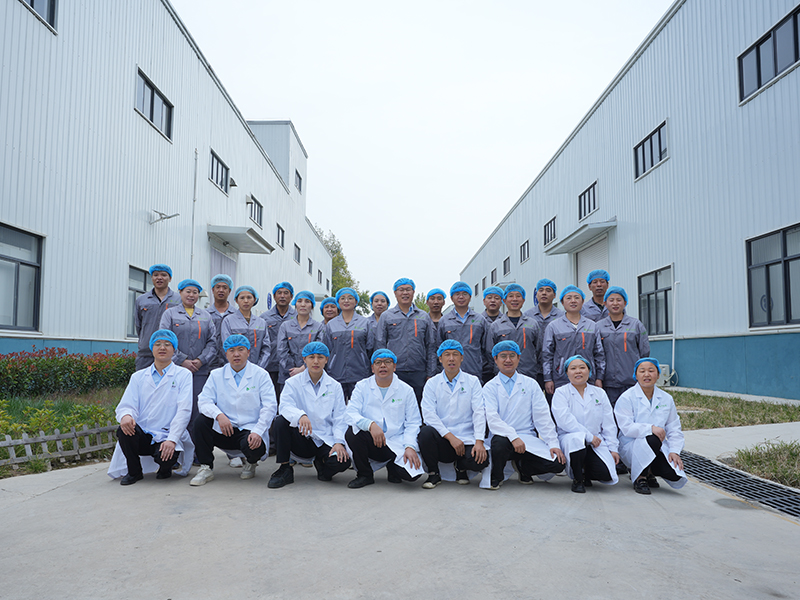
Operational transparency and high standards across our physical infrastructure.
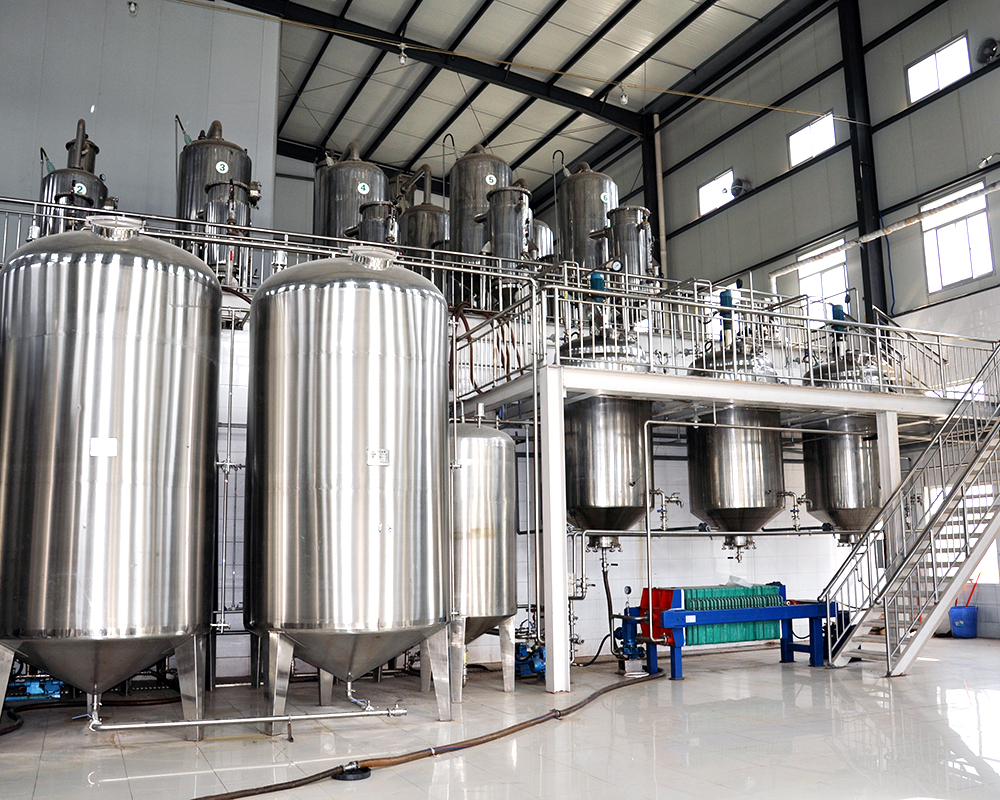
Established in 2012 in Sanyuan County, Xi'an, our Sanyuan facility represents the foundation of our manufacturing processes. In our early years, we refined our processing steps and invested in modern technologies, personnel training, and testing protocols. These foundational improvements shaped the high standards of manufacturing excellence we maintain today.
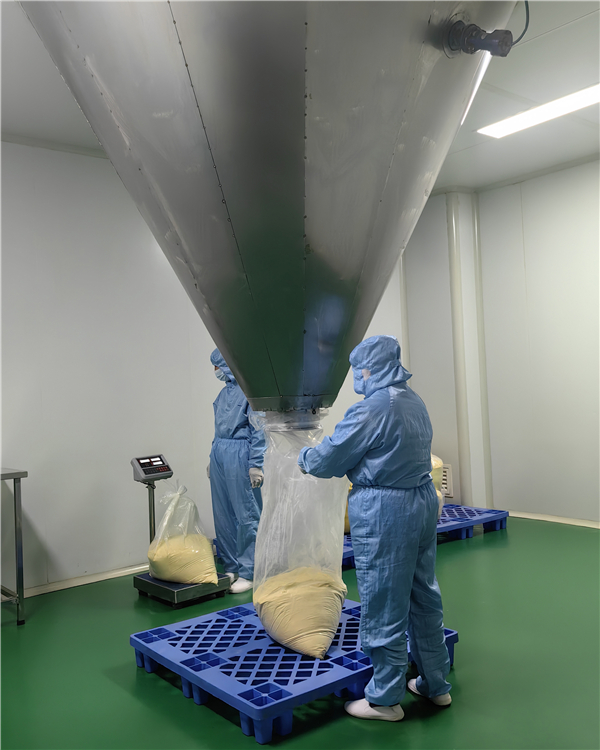
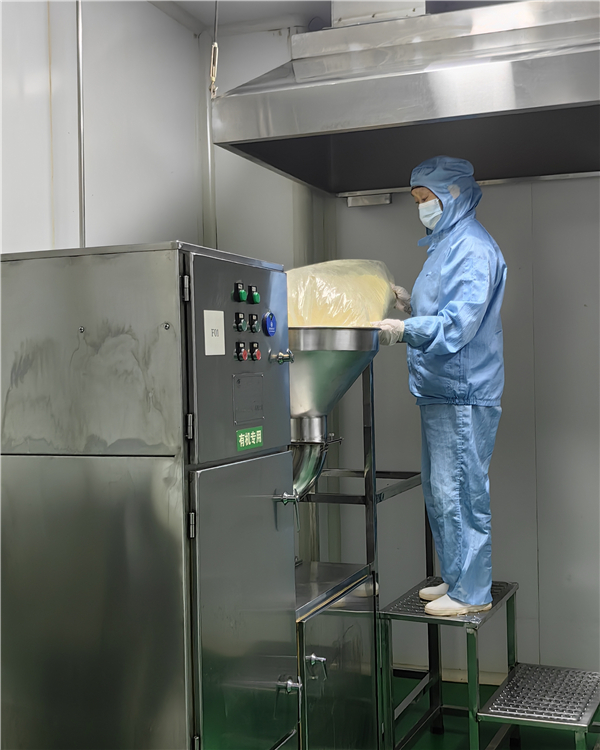
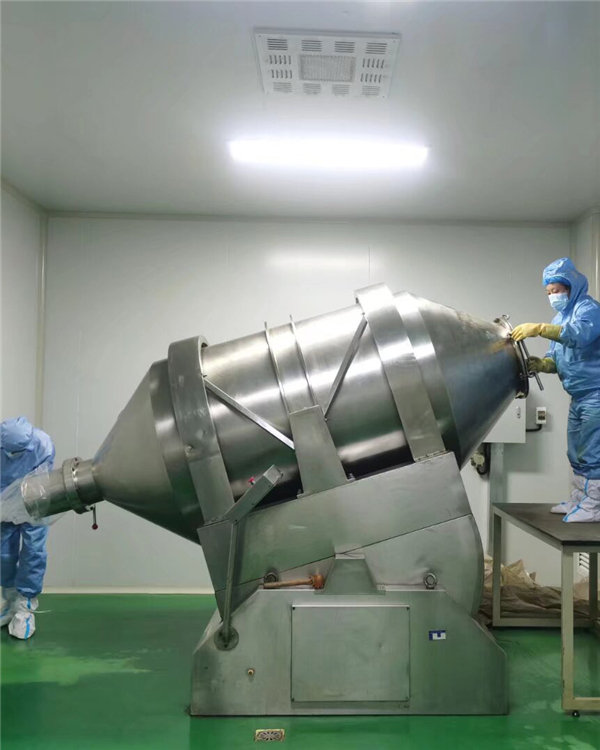
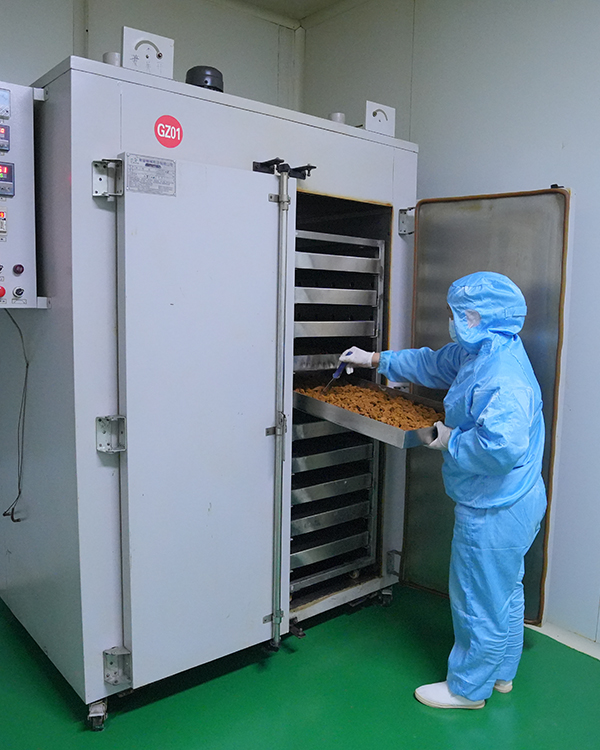
To prevent contamination and maintain consistent quality, all key production steps—including powder collection, crushing, sieving, blending, and drying—are performed inside our certified Class 100,000 cleanroom. Operators follow strict hygiene protocols, including sterile gowns, hairnets, masks, and gloves, to safeguard product purity.

Adapting fiber formulations to meet the specific requirements of global consumer markets.
Dietary fiber is often lost during industrial baking and food processing. By adding customized fiber blends back into formulas, manufacturers can achieve "high-fiber" labeling claims without compromising crumb structure, water retention, shelf life, or texture. Key applications include low-carb breads, high-fiber pastas, and nutritious snack bars.
Soluble fibers are commonly used in instant beverage mixes, meal replacements, and functional ready-to-drink (RTD) formulations. Our customized processing techniques improve dispersibility, preventing sedimentation and off-textures in beverage products while supporting gut health benefits.
We design specialized prebiotic formulations that combine fructans, galactans, and resistant starches. These blends target the growth of beneficial Bifidobacterium and Lactobacillus strains, supporting immunological balance and gastrointestinal health in capsule, tablet, and gummy formats.
Natural polysaccharides and soluble plant fiber fractions function as plant-derived stabilizers, thickeners, and hydrating agents. In skincare formulations, they help form protective moisture barriers, supporting skin barrier function and offering a clean alternative to synthetic polymers.
Key considerations for supply chain directors, quality assurance managers, and global procurement offices.
Procuring raw ingredients for global distribution requires strict adherence to regulatory standards and supply chain logistics. To manage risks associated with heavy metals, pesticide residues, and microbial contamination, modern buyers require comprehensive document verification.
Through our regional offices and distribution partners in key markets, we simplify import processes, assist with customs clearance, and provide complete documentation (including Certificates of Analysis, allergen declarations, and non-GMO statements) to ensure smooth regulatory compliance.
The next generation of dietary fiber and functional ingredient development.
The dietary fiber industry is moving toward personalized nutrition and sustainable sourcing. Driven by advancements in microbiome sequencing, the next generation of prebiotic fiber blends will be customized to support individual gut microbiome profiles.
Additionally, sustainability remains a key priority for the industry. Companies are focusing on upcycled agricultural co-products—such as processing wastes from apples, citrus fruits, and spent grains—and converting them into premium dietary fibers. This approach supports circular economy practices while meeting consumer demand for eco-friendly, nutrient-dense products.
Technical answers to common questions about OEM fiber blend development, manufacturing, and supply chain logistics.
High-quality dietary ingredients manufactured in our certified facilities to support global brand formulations.

 Botanical