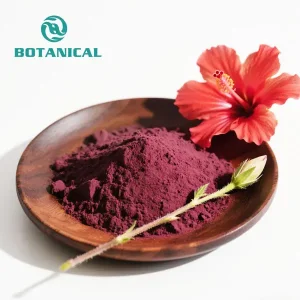
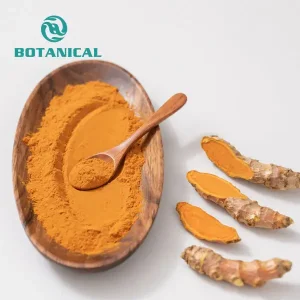
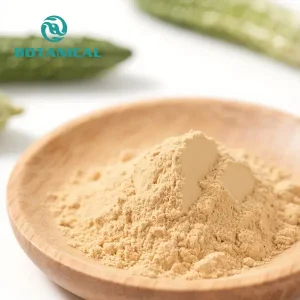
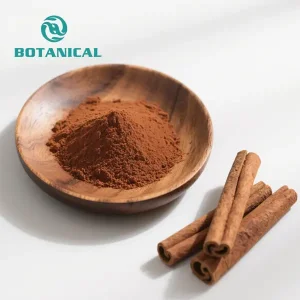
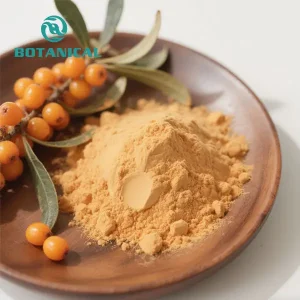
Explore our state-of-the-art biological extracts and organic functional powders manufactured in GMP-grade facilities to support your application formulas.
The global baking industry is undergoing a significant transformation, driven by shifting consumer preferences, supply chain complexities, and strict quality control standards. Cocoa powder is one of the most critical structural and sensory ingredients in bakery operations. Understanding the dynamics of global sourcing is vital for multinational food brands, industrial bakeries, and food tech start-ups looking to maintain product consistency while containing raw material costs.
West Africa (specifically Ivory Coast and Ghana) remains the primary source for the world's raw cocoa beans. However, the commercial and industrial processing of these beans into specialized, bakery-ready cocoa powder has increasingly shifted to highly advanced processing hubs, particularly in China. This shift is driven by the need for exact formulation control, reliable chemical stability, and microbiological purity that raw bean producers cannot easily provide locally.
For industrial bakery applications, cocoa is not just a flavoring agent. It impacts structural parameters like dough hydration, fat-migration, protein cross-linking, and product volume. Choosing the right OEM bakery cocoa supplier is a strategic decision that directly influences production throughput, product shelf life, and brand reputation.
Benefiting from the solid foundation provided by its parent company, Xi'an Tianben Bioengineering Co., Ltd., Botanical Cube Inc. focuses on researching, developing, producing and selling healthy natural ingredients.
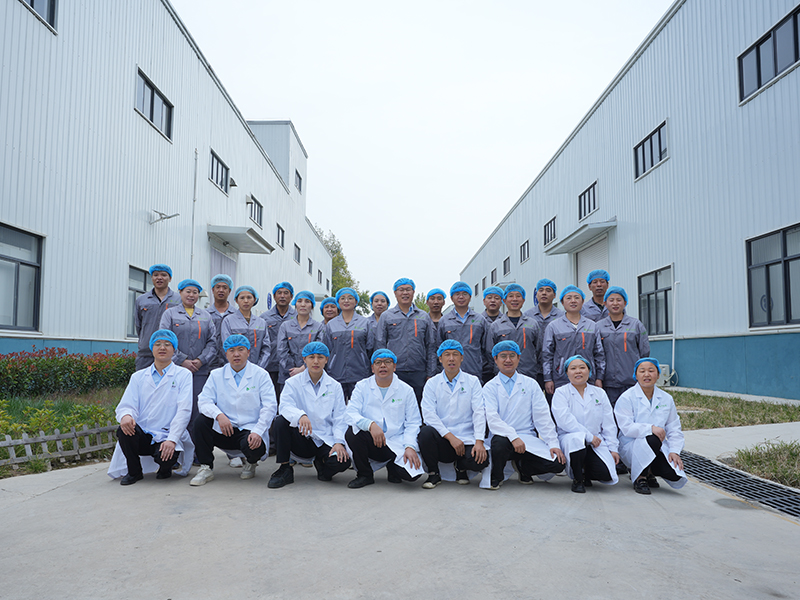
With more than two decades of industry experience, we have become a leader in the field, specializing in providing high-quality plant extracts and customized solutions to global customers. Services meet the needs of industries including herbal medicine, health foods, dietary supplements, food and beverages, daily chemicals and cosmetics.
Our operations are supported by three companies - Xi'an Tianben Bioengineering Co., Ltd., Botanical Cube Inc. and Shaanxi Tianben Kangyuan Biotechnology Co., Ltd. - which together operate 3 production bases covering more than 100 acres and process more than 3,000 tons of plant raw materials each year. The product range includes more than 200 plant extracts, and we also provide a variety of certified organic products to meet the global demand for environmentally friendly and healthy solutions. Exporting to 60% of the world's countries, serving more than 200 countries and regions and more than 500 customers from all walks of life.
Detailed examination of our foundational facilities, showing our long-standing commitment to production improvements and sterile processing protocols.
Our first factory was established in 2012 in Sanyuan City, Xi'an, four years after our company was founded. At that time, our production experience was still in its early stages, and we faced many challenges as we worked to refine our processes. However, we remained committed to continuous improvement, investing heavily in technology, training, and quality control to strengthen our capabilities. These early efforts laid a strong foundation for our future growth, shaping the high standards of excellence that we uphold today.
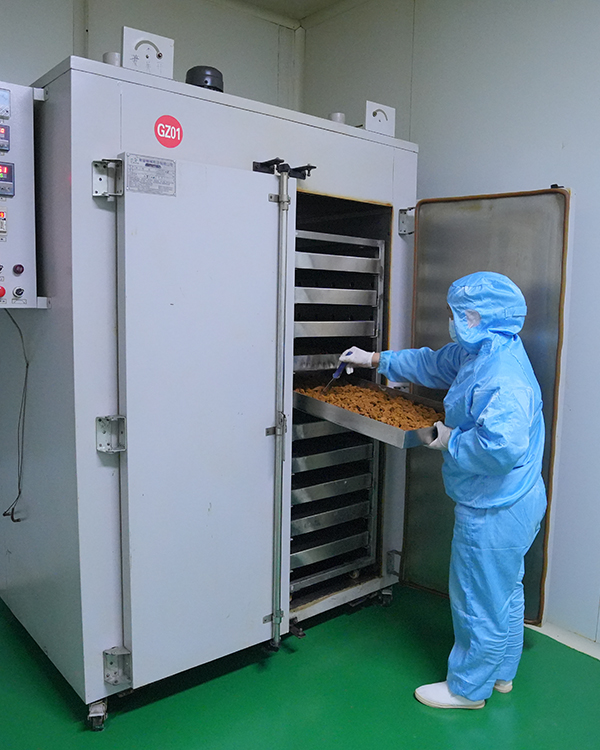
Powder collection, crushing and sieving, mixing and drying processes are all performed in a Class 100,000 cleanroom environment. Our operators strictly follow hygiene protocols and wear sterile gowns, masks and gloves to maintain product purity and safety, thus ensuring that we provide our customers with high quality standards and reliable ingredients.
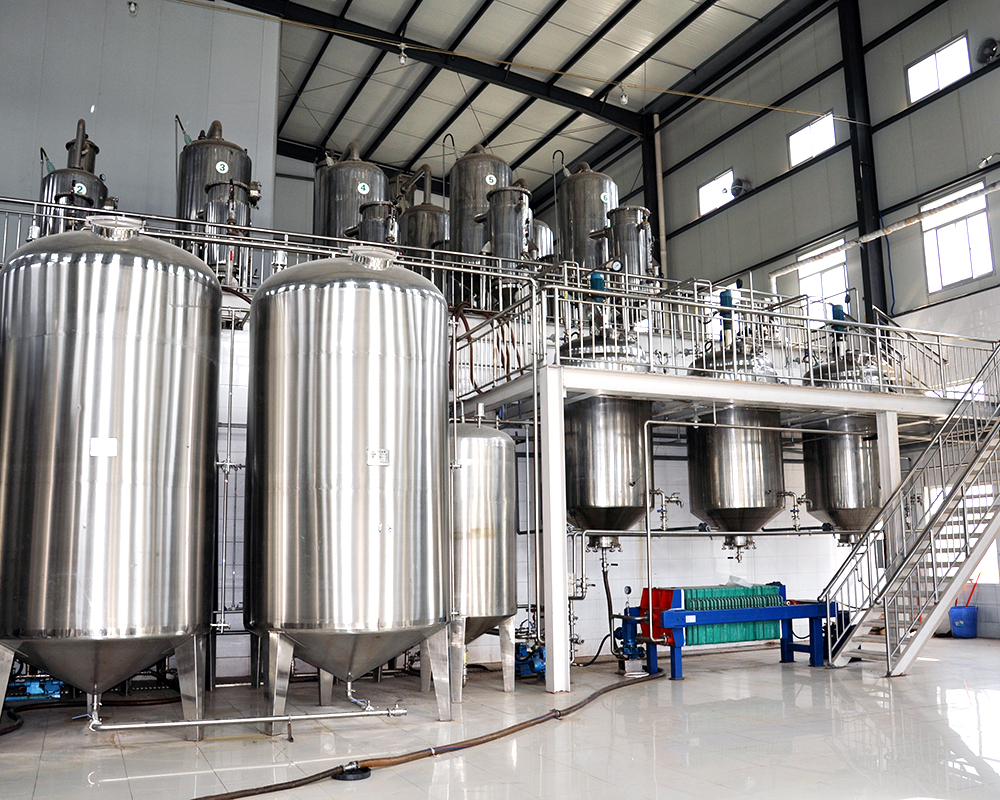
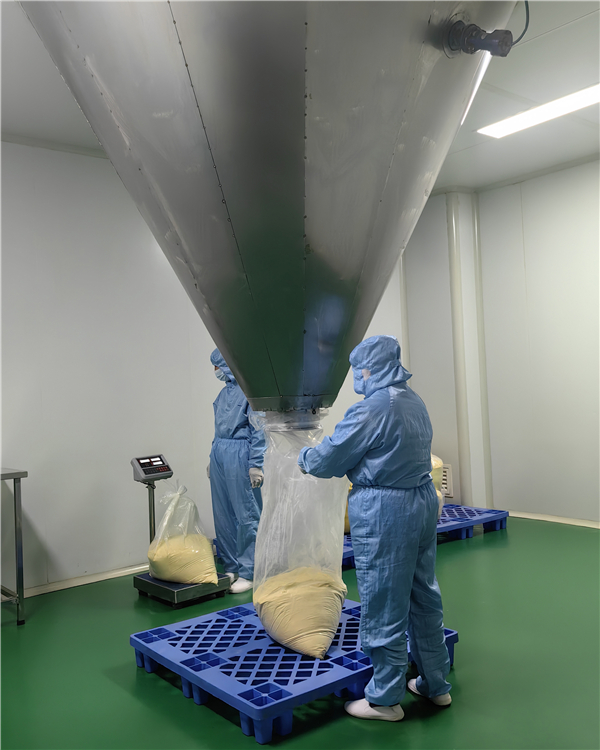
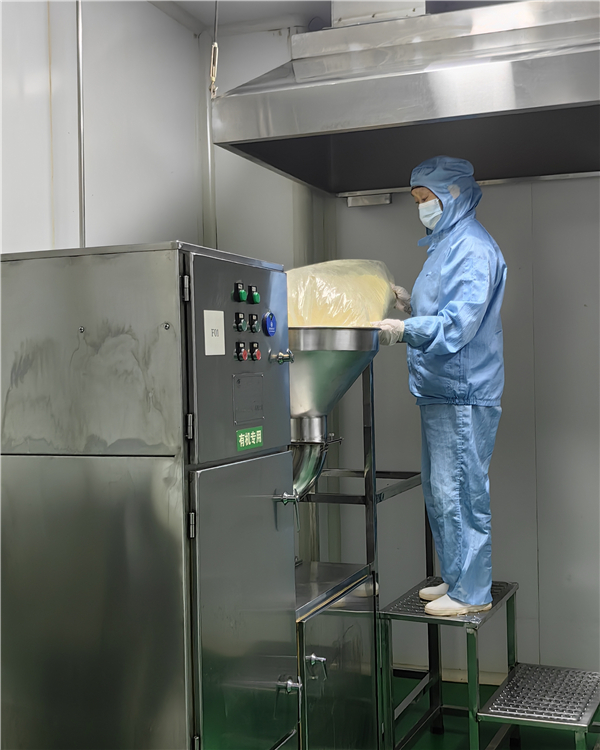
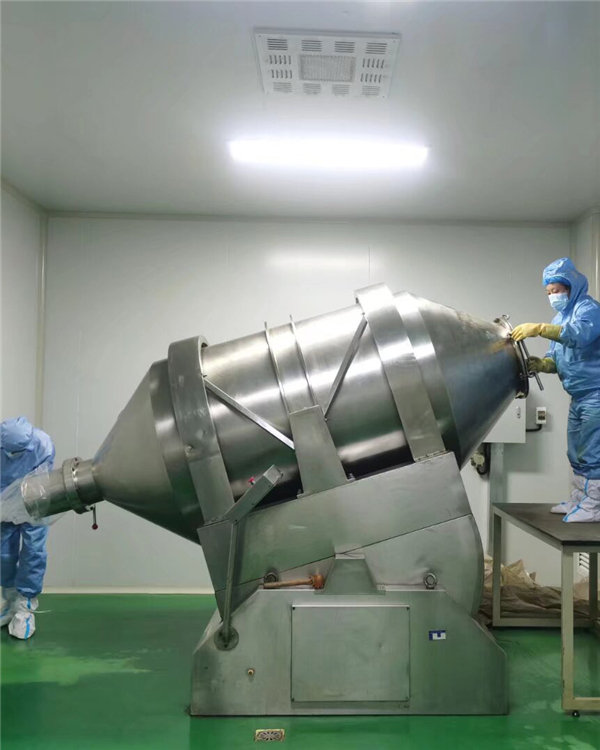

Why top global food manufacturers trust Chinese processing infrastructure for their bulk cocoa and plant-based compound formulations.
Modern Chinese factories utilize advanced mechanical and air-classifier milling technologies that ensure a particle size distribution under 75 microns (200 mesh). This provides rapid solubility and homogeneous dispersion in industrial doughs, preventing gritty textures and stabilizing fat dispersion.
Depending on whether you produce chocolate cakes, thin cookies, or low-acid biscuit wafers, the pH level must be precisely customized. Our factories offer specialized alkalization services ranging from light Dutch-processing (pH 6.8 - 7.2) to heavy/black alkalized cocoa (pH 7.8 - 8.5) using automated, computerized buffering lines.
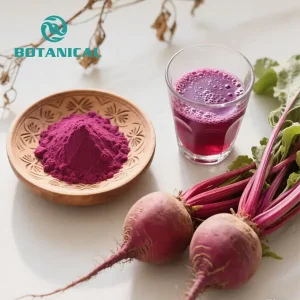
By operating under multi-base entities like Botanical Cube Inc. and Shaanxi Tianben Kangyuan, we can cross-blend standard cocoa powders with natural health ingredients (e.g., beetroot powder, cinnamon extracts, adaptogens) to design highly unique functional baking powders for the active nutrition market.
How cocoa powder performance dictates final baked product characteristics in automated processing plants.
Industrial baking processes are sensitive to minor deviations in raw ingredient performance. For example, in automated rotary-molded cookie lines, variations in the fat content of cocoa powder can cause dough stickiness, leading to high rejection rates at the mold. Below, we break down the critical parameters that global QA managers analyze when sourcing cocoa from OEM factories:
10-12% Defatted Cocoa: This is the workhorse of the bakery industry. Offering a higher starch-to-fat ratio, it absorbs more water, which must be carefully accounted for in dough hydration calculations. It is ideal for biscuits, dry crackers, and structured sponge cakes where structural strength is required.
20-22% High-Fat Cocoa: Reserved for premium applications. High-fat cocoa contributes to a tender, melt-in-the-mouth crumb structure and delays staling (retrogradation of starch) by coating gluten networks in fat, preventing rapid moisture loss.
OEM factories must have automated colorimeters to measure L*, a*, and b* values (the international standard for color measurement). Slight deviations in alkalization pressure and temperature can shift color from rich reddish-brown to deep black. A consistent color profile ensures that customers see the exact same product on store shelves batch after batch.
Consumers want fewer chemical additives. Natural cocoa powder (non-alkalized, retaining its native antioxidants and light acidic flavor) is seeing double-digit growth. Sourcing organic beans with full pesticide-free certification is key to capturing this segment.
Functional cocoa blends that contain added plant extracts (such as cinnamon bark extract for glucose support or fruit powders for natural sweetness) allow bakeries to market products under the "Active Nutrition" or "Healthy Aging" banners.
New regulations (like the EU Deforestation Regulation) require strict geolocation data of the farms where beans were harvested. Partnering with sophisticated OEM suppliers ensures that import documentation is structured correctly to avoid customs delays.
Explore our secondary line of specialized nutritional compounds designed for advanced wellness, functional bakery, and cosmetic formulations.
 Botanical