ODM High Purity Oat Fiber Suppliers & Manufacturers

Expert-Grade Insoluble Dietary Fiber Solutions: Elevating Nutritional Profiles with High-Purity Cellulose and Advanced Micromilling Technology.

🧬 The Science of High Purity Oat Fiber

In the evolving landscape of functional food ingredients, High Purity Oat Fiber has emerged as a critical component for manufacturers seeking to optimize texture while delivering significant health benefits. Unlike standard oat flour, our high-purity ODM oat fiber is concentrated to contain upwards of 90% total dietary fiber, specifically targeting the insoluble fraction which is essential for digestive health and metabolic regularity.

As a leading ODM Oat Fiber manufacturer, Botanical Cube Inc. utilizes proprietary enzymatic and physical extraction processes to remove starches and proteins, leaving behind a clean-label, keto-friendly, and non-GMO cellulose matrix. This "Information Gain" approach ensures our partners receive not just a commodity, but a bio-available solution tailored for modern consumer demands.
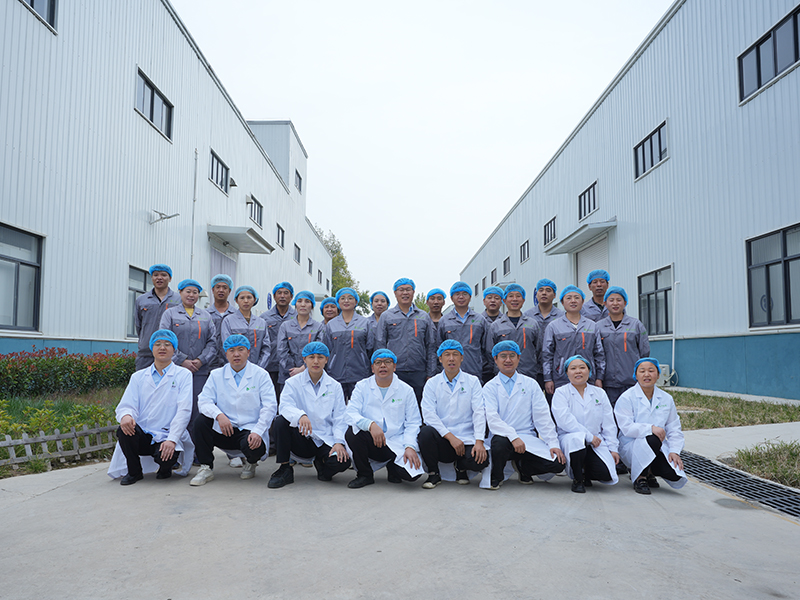
Botanical Cube Factory

20+

Years Industry Experience

3,000+

Tons Annual Processing

60+

Countries Exported To

100,000

Class Clean Room (GMP)

Why Source High Purity Oat Fiber from China?

🏭

Supply Chain Integration

China's proximity to vast oat cultivation regions in the northern highlands ensures a steady supply of high-quality raw materials, reducing logistics costs and ensuring freshness.

🔬

R&D Innovation

Our Sanyuan factory integrates AI-driven quality control and advanced micronization technology, achieving particle sizes as fine as 400 mesh for seamless incorporation into beverages.

⚖️

Scalable Manufacturing

With three major production bases, we offer the flexibility to scale from small pilot batches to multi-ton ODM orders without compromising on purity or lead times.
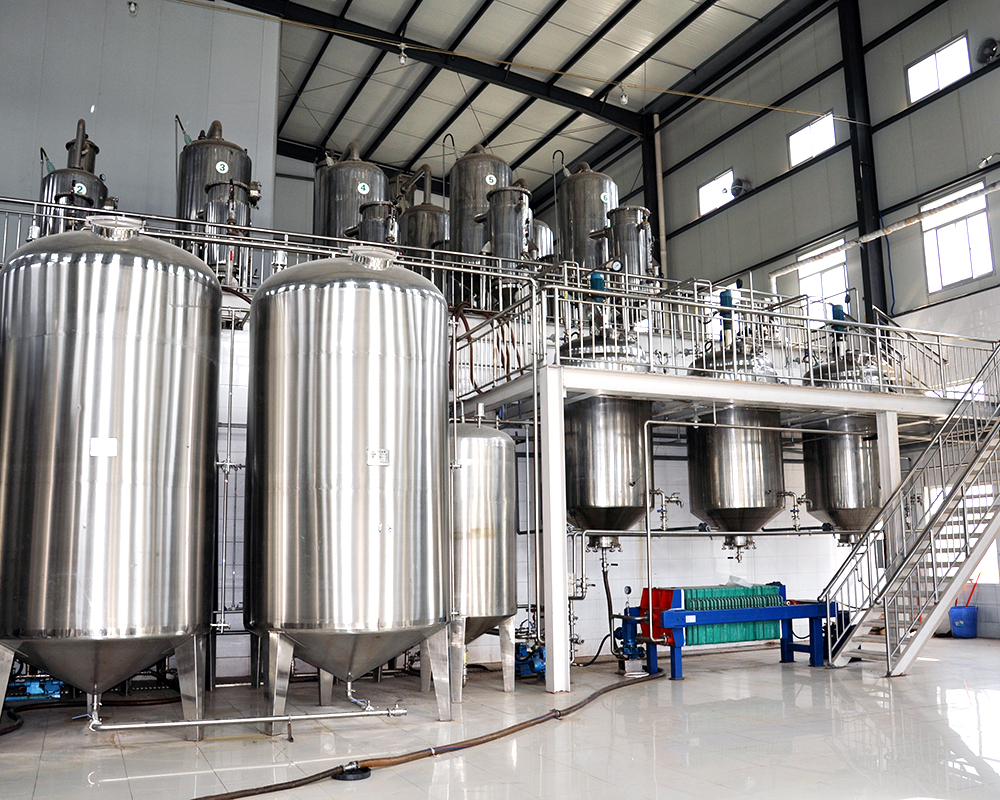
Our Manufacturing Infrastructure

Sanyuan Factory

Sanyuan Factory: The Heart of Production

Established in 2012, our Sanyuan facility represents over a decade of continuous investment in biotechnology. Our parent company, Xi'an Tianben Bioengineering Co., Ltd., has laid a foundation of excellence that allows us to process more than 200 plant extracts today.

  • 100,000-Class Clean Room: All crushing, sieving, and mixing are performed in sterile environments to guarantee ingredient safety.
  • Global Compliance: Our operations serve over 500 customers across 200 regions, meeting stringent international food safety standards.

Global Trends in Oat Fiber Application

1. Clean Label & Plant-Based

As consumers pivot away from synthetic additives, oat fiber serves as a natural bulking agent and texture improver in vegan meat and dairy alternatives.

2. Keto & Low-Glycemic Diets

High purity oat fiber contains virtually zero net carbs, making it the "Gold Standard" for keto baking and low-sugar formulations.

3. Functional Gut Health

Recent clinical studies highlight the role of insoluble oat fiber in promoting peristalsis and supporting a healthy microbiome, driving its inclusion in supplements.

Macro Solutions for Global Enterprises

Localized Application Scenarios

We don't just supply fiber; we provide technical integration solutions:

Bakery & Snacks: Increases moisture retention and shelf life while reducing calorie density in bread and muffins.
Meat Alternatives: Enhances the "bite" and fibrous texture of plant-based burgers and sausages.
Beverages: Our ultra-fine 400 mesh powder provides a smooth mouthfeel without grittiness in meal replacement shakes.

Frequently Asked Questions

What is the difference between Oat Fiber and Oat Bran? +
Oat Bran contains the outer casing of the oat and includes protein, fats, and starches. High Purity Oat Fiber is produced by removing these components, leaving nearly 100% insoluble fiber. It is lower in calories and carbs than bran.
Is your ODM oat fiber Non-GMO and Gluten-Free? +
Yes, our raw materials are sourced from non-GMO crops. We also offer certified Gluten-Free options through rigorous cross-contamination controls in our 100,000-class clean rooms.
What is the typical mesh size for food applications? +
We offer a range from 80 mesh to 400 mesh. For baking, 100 mesh is standard, while 300-400 mesh is recommended for liquid applications to prevent sedimentation.
How do you ensure Information Gain in your supply chain? +
We provide full CoA (Certificate of Analysis), third-party lab testing for heavy metals and pesticides, and detailed application guides to help R&D teams maximize the functional benefits of our fiber.