The global probiotics market has transcended the basic "gut health" narrative, evolving into a sophisticated $75 billion industry driven by clinical precision and formulation stability. For high-quality stable probiotic formulation manufacturers & factories, the primary challenge is no longer just culturing bacteria, but ensuring these live microorganisms survive the journey from the production floor to the consumer's intestinal tract.
Modern consumers in North America, Europe, and the Asia-Pacific region are increasingly demanding "Information Gain"—they seek clinical proof of viability. This has forced factories to move beyond traditional freeze-drying into advanced Water Activity ($a_w$) control and Multi-layer Microencapsulation. At Botanical Cube Inc., we recognize that stability is the "Golden Standard" of the probiotic industry.
Shift from general wellness to "Precision Biotics" targeting immunity, skin health (gut-skin axis), and cognitive function (psychobiotics).
Managing heat sensitivity and oxidative stress during tableting or encapsulation remains the critical bottleneck for Tier-2 factories.
FDA, EFSA, and SAMR are tightening standards on CFU (Colony Forming Unit) claims at the end of shelf life, not just at manufacture.
Benefiting from the solid foundation provided by its parent company, Xi'an Tianben Bioengineering Co., Ltd., Botanical Cube Inc. focuses on researching, developing, producing and selling healthy natural ingredients. With more than two decades of industry experience, it has become a leader in the field, specializing in providing high-quality plant extracts and customized solutions to global customers.
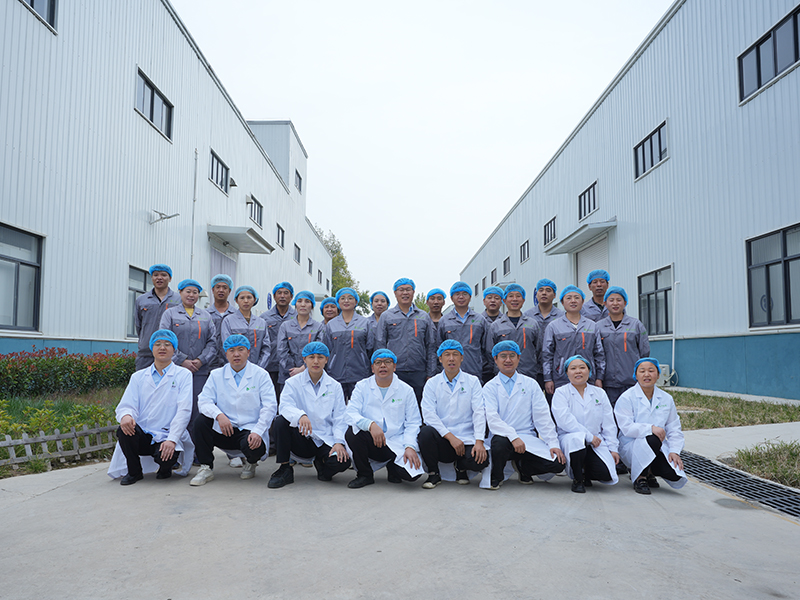
Our operations are supported by three companies - Xi'an Tianben Bioengineering Co., Ltd., Botanical Cube Inc. and Shaanxi Tianben Kangyuan Biotechnology Co., Ltd. - which together operate 3 production bases covering more than 100 acres and process more than 3,000 tons of plant raw materials each year.
The hallmark of a High-Quality stable probiotic formulation lies in the synergy between strain selection and protective technology. Botanical Cube's R&D team utilizes a 4-tier stabilization strategy:
Not all probiotics react the same to freezing. We develop proprietary "Glassy State" matrices using disaccharides and polyols that protect the lipid bilayer of the bacteria during the lyophilization process, preventing cell-wall rupture.
To combat the acidic environment of the stomach (pH 1.5-3.5), our formulations utilize a pH-dependent enteric coating. The first layer protects against moisture, the second against oxygen, and the third ensures targeted release in the small intestine.
Moisture is the enemy of probiotic stability. Our 100,000-Class Clean Rooms maintain strict humidity controls below 30% during the blending and packaging phases, ensuring the final product reaches an $a_w$ of < 0.2.
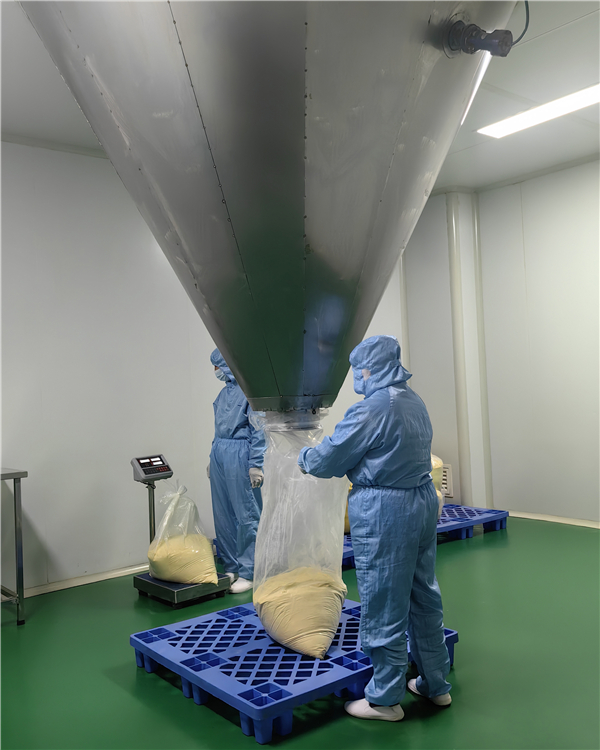
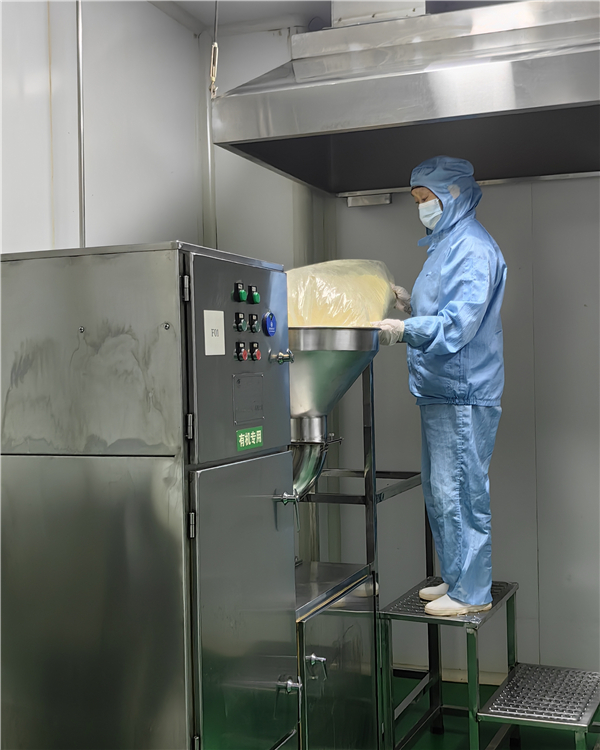
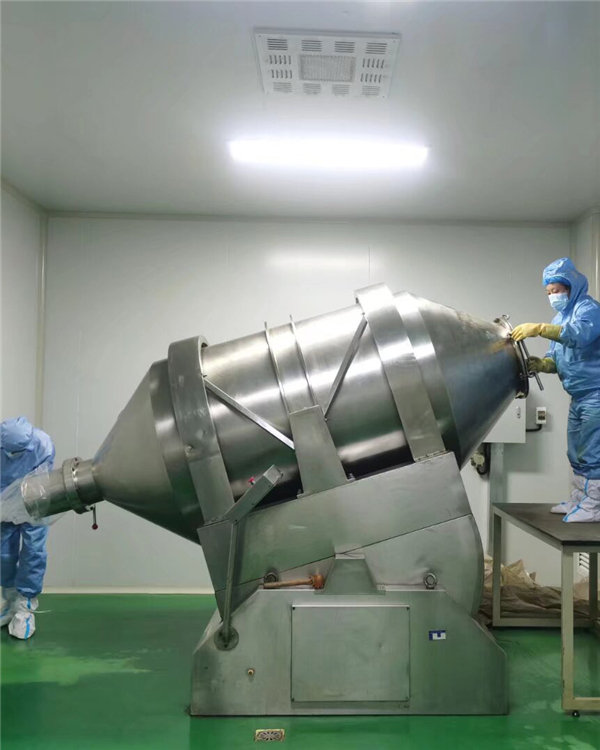
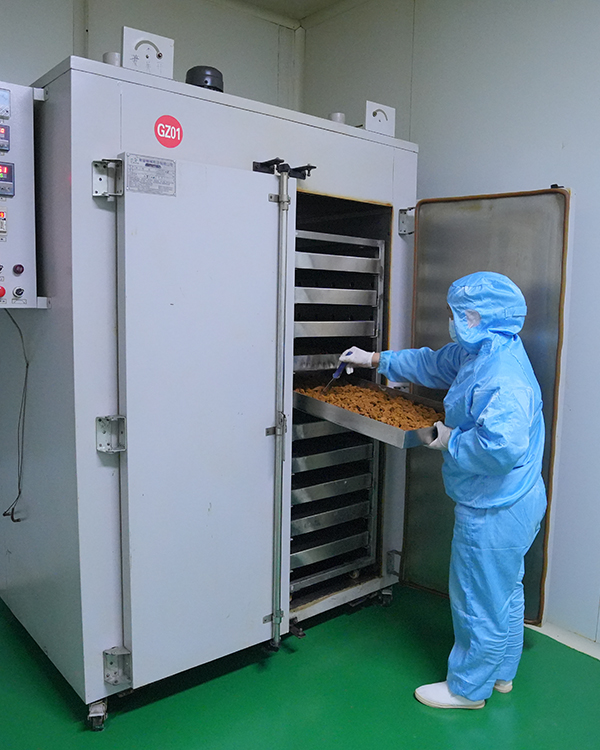
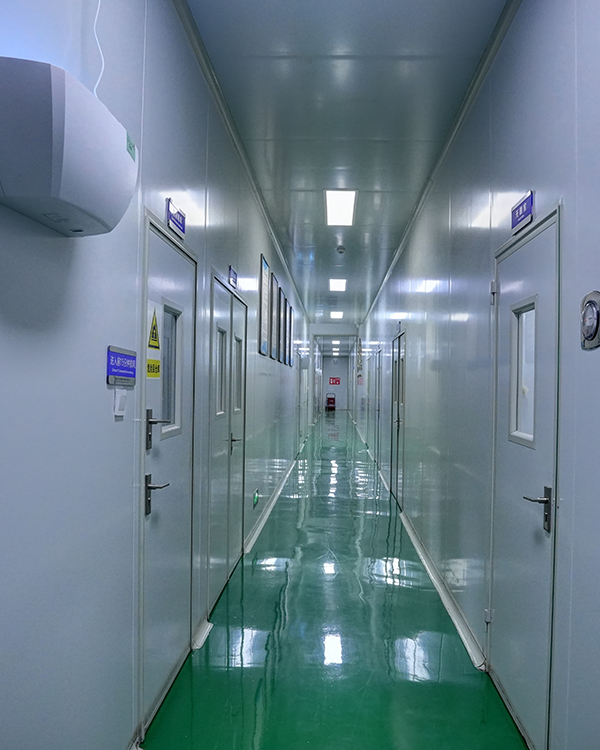
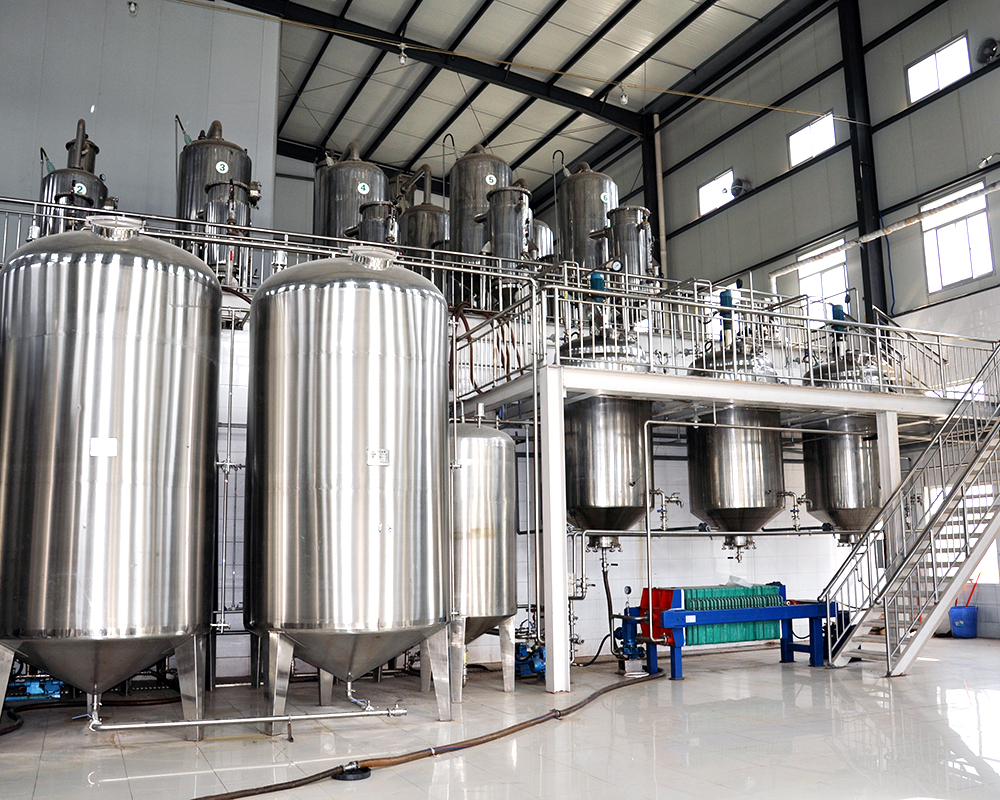
Our first factory was established in 2012 in Sanyuan City, Xi'an. These early efforts laid a strong foundation for our future growth, shaping the high standards of excellence that we uphold today.
Powder collection, crushing and sieving, mixing and drying processes are all performed in a Class 100,000 cleanroom environment. Our operators strictly follow hygiene protocols and wear sterile gowns, masks and gloves to maintain product purity and safety, thus ensuring that we provide our customers with high quality standards and reliable ingredients.
We provide full-service manufacturing from strain selection to final packaging, optimizing for specific shelf-life requirements (up to 24 months at room temperature).
The next frontier. Combining stable live strains with heat-treated "postbiotics" for synergistic immune-modulating effects in beverage applications.
Utilizing plant-based prebiotic carriers like Inulin or FOS derived from sustainable organic sources to meet the "Clean Label" trend.
In North America, the focus is on high-potency (50B+ CFU) capsules for intensive gut support. In the European market, there is a significant trend towards "functional chocolates" and dairy-free probiotic shots. Meanwhile, in Southeast Asia, stability in high-humidity tropical climates is the primary demand, where Botanical Cube's moisture-barrier technology excels.
We utilize a combination of low-heat freeze-drying, protective matrix coating, and nitrogen-purged packaging. This ensures that the metabolic activity of the strains remains dormant until they reach the consumer's digestive system.
Our facilities are GMP certified, and we provide organic-certified ingredients to meet global demands for healthy and environmentally friendly solutions. Our quality control lab conducts rigorous HPLC and microbial testing on every batch.
Yes, we specialize in customized solutions for herbal medicine, dietary supplements, and functional food industries. We can blend plant extracts (like Oyster Mushroom or Pandan Leaf) with specific probiotic strains for a holistic health product.
Moisture content measures the total water, but water activity measures the "free" water available for microbial reactions. By keeping $a_w$ below 0.2, we effectively stop the degradation processes that kill probiotic cells.
 Botanical