 Botanical
1 / 5
Retinal Powder—also known as retinal, vitamin A aldehyde, or retinene—has quickly become one of the most in-demand active ingredients in modern anti-aging skincare. As the direct precursor of retinoic acid, retinal offers faster conversion, higher bioactivity, and better visible results compared with traditional retinol. This makes it a go-to molecule for brands aiming to achieve clinically backed wrinkle reduction, improved skin texture, and enhanced cellular turnover without the high irritation commonly seen with prescription-level retinoids.
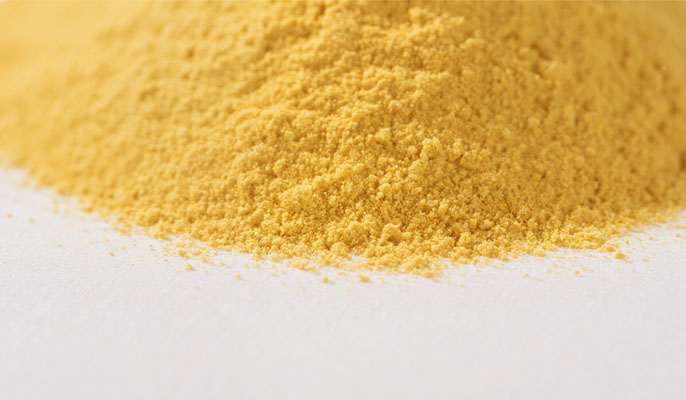
At its core, the effectiveness of Retinal Powder comes from the ingredient's unique role in the retinoid pathway. Unlike retinol, which requires two metabolic conversions, retinal needs only one step to reach active retinoic acid—resulting in noticeably stronger performance at lower usage levels. This efficiency is the primary reason why retinal-based serums and night creams are gaining popularity in both premium and clinical-grade skincare markets.
From a market perspective, demand for retinal has grown rapidly over the past 2–3 years. Major cosmetic brands are reformulating retinol products into "next-generation retinoids," and consumers are increasingly searching for terms like retinal skincare, retinal vs retinol, and retinal cream for anti-aging. As a result, the global supply chain requires not only a stable source of high-purity Retinal Powder but also technical support for formulation, encapsulation, and delivery systems.
This is where stable Retinal Powder production makes a difference. Controlled low-temperature processing and enhanced stabilization techniques reduce oxidation—one of the biggest challenges of retinal. The powder is available in multiple purities (1%–10% or customized) and can be provided in oil-soluble or pre-encapsulated options to improve compatibility in emulsions and high-activity serums.
Proprietary stabilization and packaging technology (oxygen-impermeable, with desiccant) delivers a minimum purity of >99.5% and a guaranteed 36-month shelf life under recommended storage.
Pre-dispersed retinal powders in synergistic bases like silica or specific polymer blends achieve:
Tailored particle sizes, concentrations (from 0.1% up to 1.0%), and carrier systems perfectly align with your product's vehicle—whether it's water-based, anhydrous, or encapsulated.
| Item | Specification | Result |
|---|---|---|
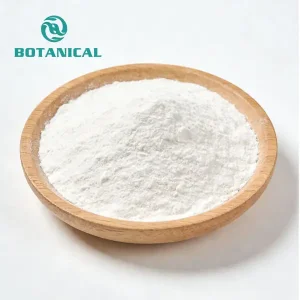
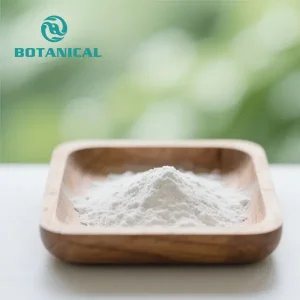
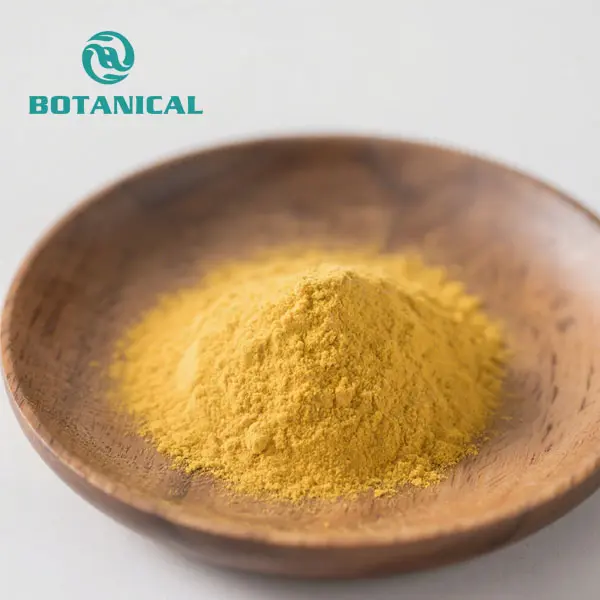
| Appearance | Yellow to orange crystalline powder | Complies |
| Odor | Characteristic, mild | Complies |
| Identification (HPLC) | Retinal peak consistent with standard | Complies |
| Assay (HPLC) | ≥ 98.0% | 98.6% |
| Retinal All-Trans Content | ≥ 90.0% | 92.4% |
| Absorption Max (λmax) | 380–385 nm | 382 nm |
| Specific Rotation | +35° to +45° | +39.2° |
| Loss on Drying | ≤ 1.0% | 0.42% |
| Residue on Ignition | ≤ 0.5% | 0.12% |
| Heavy Metals (Pb, As, Hg, Cd) | ≤ 10 ppm total | < 5 ppm |
| Arsenic (As) | ≤ 2 ppm | < 1 ppm |
| Lead (Pb) | ≤ 2 ppm | < 1 ppm |
| Cadmium (Cd) | ≤ 1 ppm | < 0.2 ppm |
| Mercury (Hg) | ≤ 0.1 ppm | < 0.05 ppm |
| Particle Size | 100% pass 80 mesh | Complies |
| Bulk Density | 0.30–0.50 g/mL | 0.41 g/mL |
| Melting Point | 63–65°C | 64.1°C |
| Solubility | Soluble in oils & organic solvents | Complies |
| Microbiology | ||
| Total Plate Count | ≤ 1,000 CFU/g | <100 CFU/g |
| Yeast & Mold | ≤ 100 CFU/g | <10 CFU/g |
| E. coli | Negative | Negative |
| Salmonella | Negative | Negative |
| Staphylococcus aureus | Negative | Negative |
| Conclusion | The product conforms to the stated specification. | — |