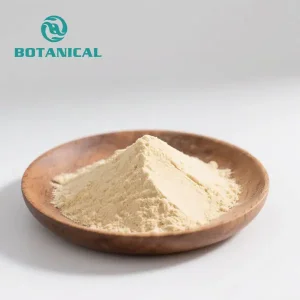
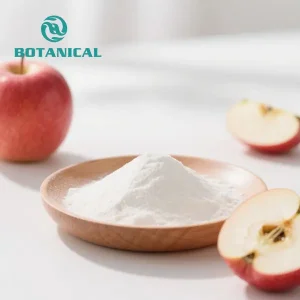
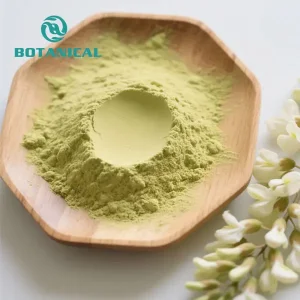
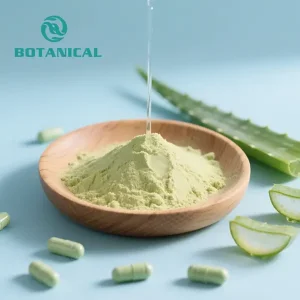
Explore our premium catalog of high-purity natural extracts and plant-based functional ingredients engineered for global distribution.
Ceramides represent approximately 50% of the intercellular lipid matrix within the human skin’s stratum corneum. They serve as the structural "mortar" holding the cellular "bricks" (corneocytes) together. This barrier prevents transepidermal water loss (TEWL) and shields the body from environmental pathogens, oxidative stress, and chemical irritants. As biological aging progresses, the body's endogenous production of ceramides falls rapidly, leading to micro-fissures, dehydration, and increased susceptibility to inflammatory conditions.
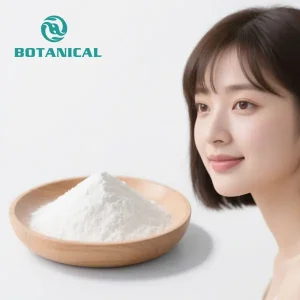
Phytoceramides are plant-derived sphingolipids structurally analogous to those found natively in human skin tissue. Commonly sourced from botanical matrices such as wheat (Triticum aestivum), rice (Oryza sativa), and konjac (Amorphophallus konjac), these compounds present a glycosylated structure (principally glucosylceramides). When introduced through topical skincare formulations or dietary ingestion (nutricosmetics), they effectively interface with the lipid bilayers. The key difference lies in their polar lipid content; wheat and rice phytoceramides are rich in glycolipids and phospholipids that accelerate cellular absorption, optimizing the structural integration of lipids into the cellular membrane.
Scientific studies confirm that oral administration of phytoceramides allows them to be absorbed in the small intestine, transported via blood vessels, and delivered to the basal layer of the epidermis. From there, they migrate upward to the stratum corneum, repairing the lipid barrier from the inside out. This mechanism makes phytoceramides a key ingredient for modern cosmetic and food science.
Analyzing the international market dynamics, supply structures, and the geopolitical regulatory frameworks shaping phytoceramide raw material sourcing.
The global phytoceramides market is experiencing strong growth, driven by the clean label movement, vegan cosmetics, and the rising popularity of "beauty-from-within" products. In North America and Europe, consumers are increasingly seeking plant-derived alternatives to animal-derived sphingolipids. Historically, ceramides were extracted from bovine brains. However, BSE concerns and safety regulations shifted the industry toward botanical alternatives. Today, phytoceramides are the industry standard for anti-aging cosmetic creams, barrier-repair lotions, and nutricosmetic supplements.
Asia-Pacific leads the production and consumption of plant-derived ceramides, particularly rice and konjac-derived variants, driven by J-Beauty and K-Beauty formulation trends. Major global extractors have built advanced supply lines using regional agricultural resources. For example, wheat phytoceramides are mainly processed in Europe and China, where large wheat crops provide a steady supply. For B2B buyers, choosing a supplier requires looking beyond simple pricing; it demands verifying raw material traceability, non-GMO status, gluten-free validation (especially for wheat-derived lipids), and solvent residue limits.
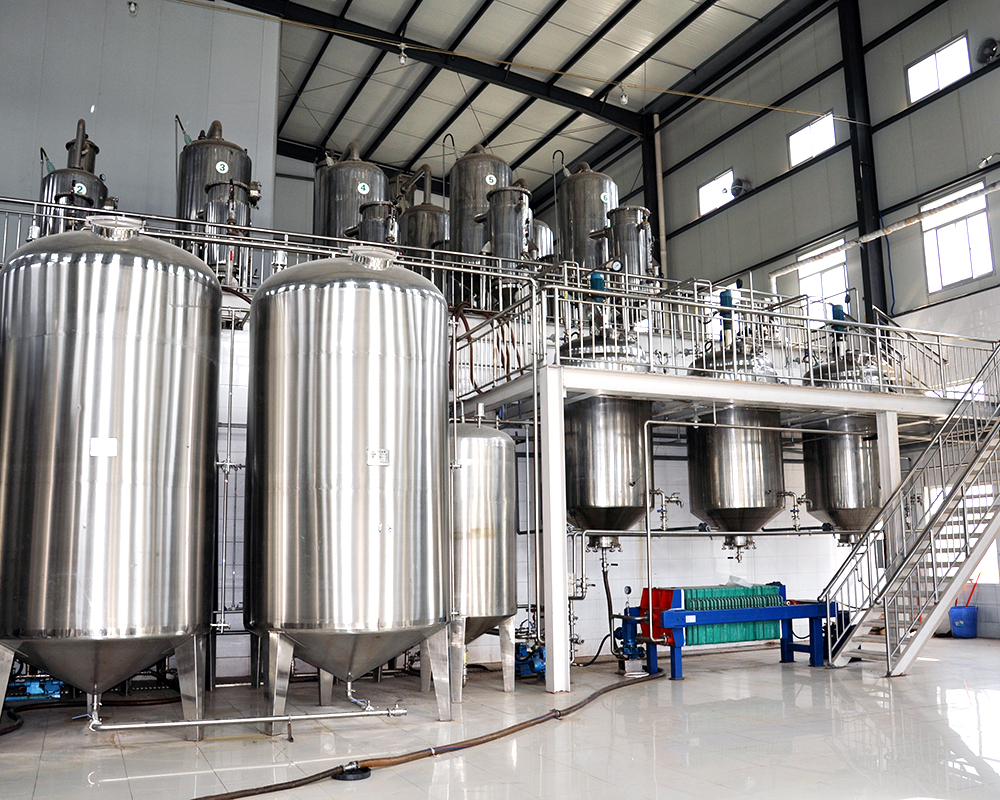
Extracting lipophilic constituents from plant matrices without damaging their biological activity requires precise extraction methods. Traditional processing relies on hydrocarbon solvents. However, modern environmental regulations and E-E-A-T principles have driven suppliers toward greener methods, such as supercritical carbon dioxide (SC-CO2) extraction and advanced enzymatic hydrolysis.
Selecting non-GMO botanical sources. The bran fraction of rice or the polar lipid-rich gluten portion of wheat is isolated and finely ground to optimize surface area for lipid recovery.
Utilizing supercritical CO2 at targeted pressures (250–350 bar) and temperatures (40–60°C) to cleanly extract neutral and polar lipids, eliminating organic solvent residues.
Separating glucosylceramides from generic plant sterols and triglycerides using column chromatography, standardizing the final powder to exact concentrations (e.g., 5% glucosylceramides).
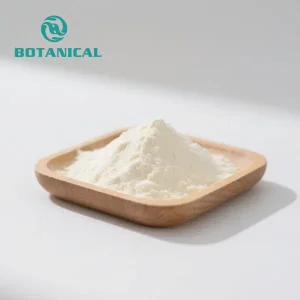
For water-dispersible applications, the purified lipids are micro-encapsulated with food-grade carrier matrices (like dextrins or gum arabic) under aseptic conditions.
Benefiting from the solid foundation provided by its parent company, Xi'an Tianben Bioengineering Co., Ltd., Botanical Cube Inc. focuses on researching, developing, producing and selling healthy natural ingredients. With more than two decades of industry experience, it has become a leader in the field, specializing in providing high-quality plant extracts and customized solutions to global customers. Services meet the needs of industries including herbal medicine, health foods, dietary supplements, food and beverages, daily chemicals and cosmetics.
Our operations are supported by three companies - Xi'an Tianben Bioengineering Co., Ltd., Botanical Cube Inc. and Shaanxi Tianben Kangyuan Biotechnology Co., Ltd. - which together operate 3 production bases covering more than 100 acres and process more than 3,000 tons of plant raw materials each year. The product range includes more than 200 plant extracts, and we also provide a variety of certified organic products to meet the global demand for environmentally friendly and healthy solutions. Exporting to 60% of the world's countries, serving more than 200 countries and regions and more than 500 customers from all walks of life.
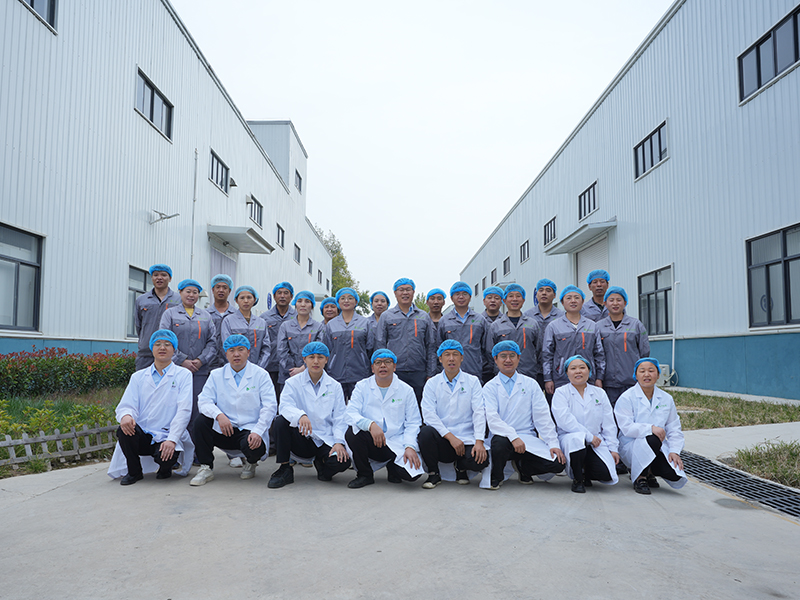
Our first factory was established in 2012 in Sanyuan City, Xi'an, four years after our company was founded. At that time, our production experience was still in its early stages, and we faced many challenges as we worked to refine our processes. However, we remained committed to continuous improvement, investing heavily in technology, training, and quality control to strengthen our capabilities. These early efforts laid a strong foundation for our future growth, shaping the high standards of excellence that we uphold today.
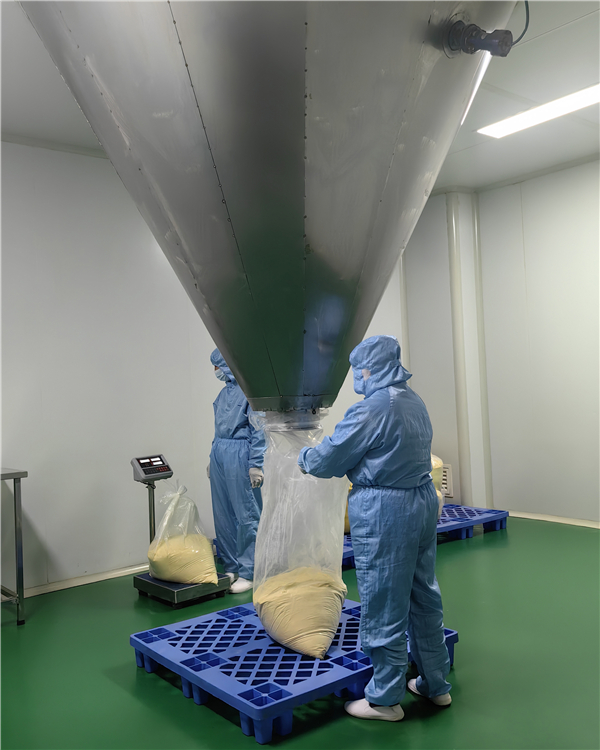
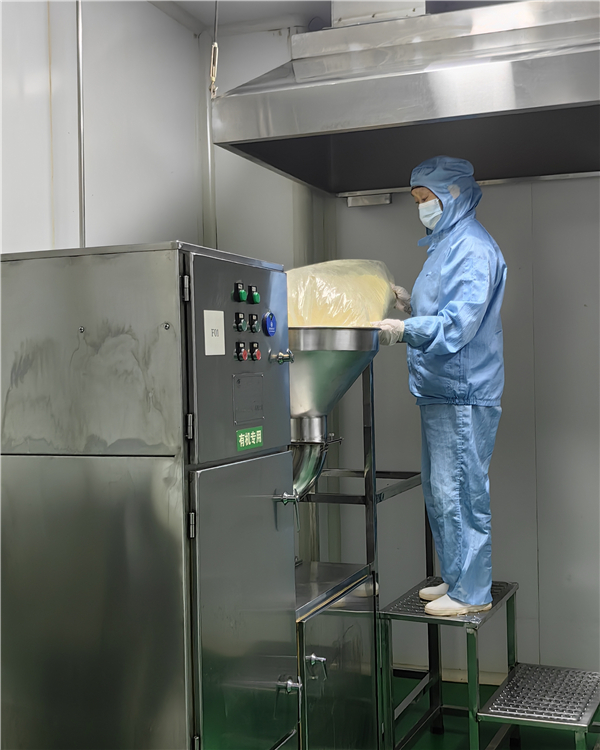
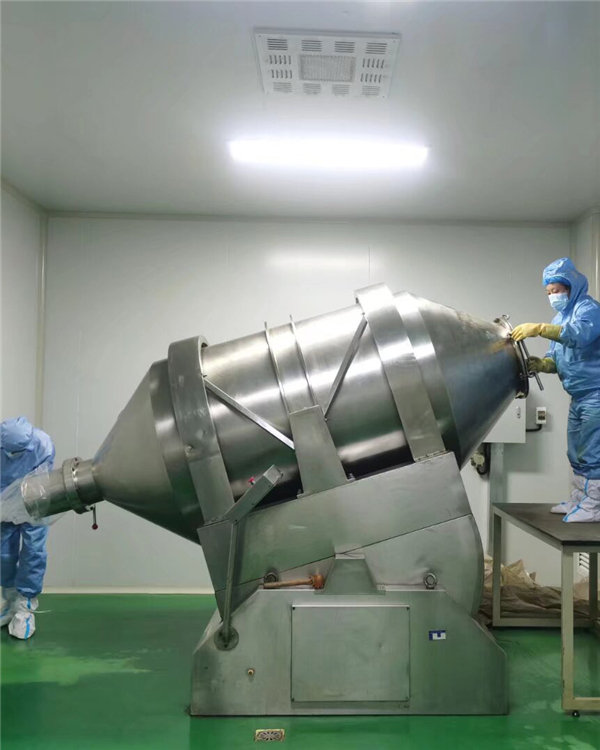
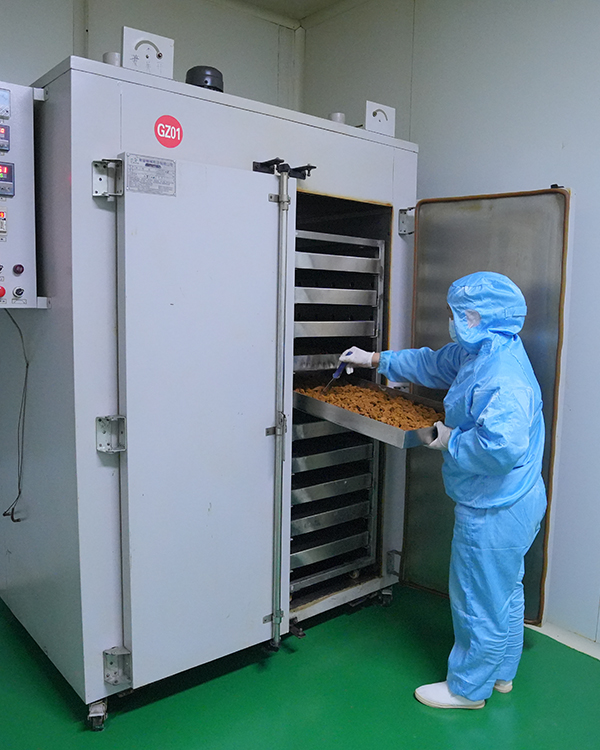
Powder collection, crushing and sieving, mixing and drying processes are all performed in a Class 100,000 cleanroom environment. Our operators strictly follow hygiene protocols and wear sterile gowns, masks and gloves to maintain product purity and safety, thus ensuring that we provide our customers with high quality standards and reliable ingredients.

How commercial buyers integrate phytoceramides powder into global consumer products across functional categories.
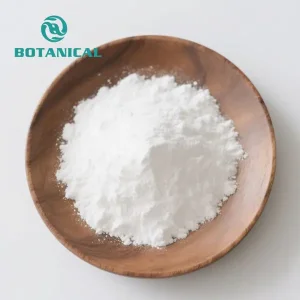
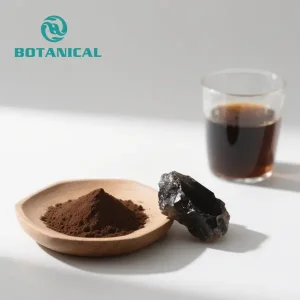
Oral beauty capsules, tablets, and powders formulated with phytoceramides focus on systematic hydration. Formulators combine phytoceramides with synergistic active ingredients, such as natural biotin and autolyzed yeast extract, to support skin elasticity and hair structure.
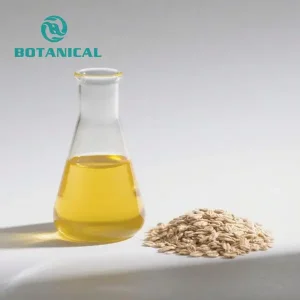
For barrier creams, serums, and body oils, lipid-dispersible phytoceramides are used in emulsion systems. Combining them with botanical emollients like oat oil improves stability and enhances their natural skin-conditioning benefits.
Water-soluble micro-encapsulated phytoceramides are used in collagen shots, wellness drinks, and powdered shake mixes. These formulations must remain clear and free of sedimentation, requiring high stability across different pH levels and temperatures.
Depending on target market demographics and localized consumer behaviors, B2B product developers deploy phytoceramides in highly distinct formats:
The North American Sports Nutrition Segment: A growing trend focuses on full-body hydration. Formulators are adding phytoceramides to hydration drink powders. These products target dry skin caused by environmental exposure and frequent bathing, using plant-derived lipids to help retain skin moisture.
The European Clean & Clinical Beauty Space: European formulations focus on targeting sensitive and reactive skin. Brands combine wheat-derived phytoceramides with antioxidant plant extracts like quercetin to support skin-barrier repair and calm redness.
The East Asian Nutricosmetics Industry: In Japan, South Korea, and China, oral beauty supplements are a standard part of daily routines. Phytoceramides are often formulated with collagen peptides, apple stem cell extract, and low-molecular-weight hyaluronic acid to target dry winter air and support skin hydration from within.
Addressing critical inquiries from quality assurance, R&D specialists, and global procurement departments.
Wheat-derived phytoceramides are rich in polar lipids and glycolipids, which help enhance bioavailability. Rice-derived ceramides are highly valued in clean-label applications for their low allergy profile and mildness. Konjac-derived phytoceramides provide a high concentration of glucosylceramides, making them ideal for targeted, lower-dosage formulations.
Our extraction processes isolate polar lipids while separating wheat proteins (such as gluten). We test each batch using high-sensitivity ELISA methods to ensure gluten levels remain below 20 ppm, meeting international gluten-free labeling standards.
We use High-Performance Liquid Chromatography coupled with Evaporative Light Scattering Detection (HPLC-ELSD) to determine absolute glucosylceramide content. Additionally, we conduct regular tests for heavy metals (using ICP-MS), pesticide residues, and microbial profiles in our Class 100,000 cleanroom laboratory.
Because phytoceramides are natural lipids, they are sensitive to oxidation. They should be stored in tightly sealed containers, away from direct sunlight, moisture, and high temperatures. We package our bulk powders using double-layer polyethylene liners inside fiber drums, flushed with nitrogen to protect stability throughout their shelf life.
High-purity botanical raw materials and biological extracts manufactured under GMP-compliant environments.
 Botanical