Explore our certified organic botanical extracts and micro-powder ingredients, tailored for international food and beverage innovators.
An in-depth whitepaper on chlorophyll photolysis mitigation, enzymatic degradation pathways, and innovative botanical processing methods.
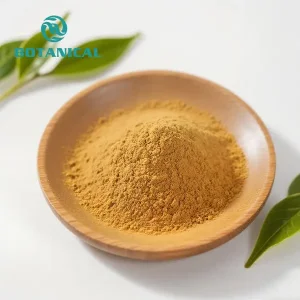
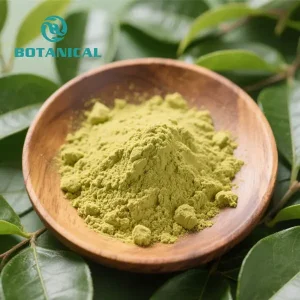
In the rapidly expanding global functional food, beverage, and dietary supplement sectors, organic matcha tea powder (derived from shade-grown Camellia sinensis) has established itself as a cornerstone clean-label ingredient. Its rich profile of L-theanine, catechins (most notably epigallocatechin gallate, or EGCG), and chlorophyll provides a trifecta of stress reduction, metabolic support, and natural green coloration. However, for industrial manufacturers, the high susceptibility of natural chlorophyll to degradation when exposed to light, heat, oxygen, and acidic environments presents a severe product formulation challenge.
In standard beverage manufacturing (such as RTD bottled teas and dairy-free lattes) and commercial bakery formulations, matcha powder is subjected to stress factors that accelerate color loss:
To solve these industrial pain points, our research and development teams have designed a multi-step botanical stabilization process. This ensures that the matcha powder retains its vivid green color and nutritional profile throughout its shelf life without the use of artificial additives or synthetic pH modifiers.
A look at the processes and scientific breakthroughs we utilize to safeguard the vibrant quality of our organic matcha powder.
Utilizing high-density polyethylene netting (Tana method) to block up to 98% of sunlight for 20-30 days before harvest. This forces the tea leaves to hyper-accumulate chlorophyll *a* and *b*, establishing a naturally dense green foundation.
Employing high-pressure steam at 100°C for 15-20 seconds immediately after harvesting. This step deactivates polyphenol oxidase (PPO) and chlorophyllase enzymes, halting the natural oxidation and browning of the leaves.
Milling dried Tencha leaves at sub-zero temperatures (0°C to 5°C) using advanced air-jet pulverizers. This avoids the frictional heat of stone mills that degrades chlorophyll, yielding a consistent D50 particle size of under 10 microns.
Stable-color organic matcha powder is changing formulation design in several key consumer industries. By removing the risk of aesthetic degradation, it allows product developers to create cleaner, more visually consistent products.
In RTD beverages, maintaining visual appeal throughout a 9-to-12-month shelf life is vital. Our stable-color matcha powder resists degradation under high thermal sterilization, remaining bright green in bottled lattes, energy drinks, and canned teas.
Baking demands thermal stability. In cookies, cakes, and fillings, standard matcha turns brown when exposed to high oven heat. Our heat-resistant organic matcha maintains its bright green hue under standard baking conditions without artificial colors.
With the rise of oat, almond, and coconut milks, matcha provides a natural color and flavor pairing. Our powder blends smoothly with plant proteins and fats, resisting separation and maintaining its green color even in slightly alkaline formulations.
Beyond beverages, matcha is a key ingredient in meal replacements, protein powders, and cosmetic face masks. The stable color ensures these products maintain their visual appeal during storage and use, reflecting the quality of the active botanicals.
Understanding regional market demands is essential for successful product development. Here is how B2B buyers can customize stable-color organic matcha for different global regions:
In North America, consumers look for clean-label, functional energy ingredients. R&D teams use stable-color matcha to replace artificial green colorants in ready-to-drink canned energy blends, ensuring the product looks appealing from purchase to consumption.
European markets prioritize organic authenticity and strict regulatory compliance. Our organic matcha meets EFSA standards, ensuring low pesticide residues and zero heavy metal contamination, making it ideal for certified organic foods, drinks, and dietary supplements.
In the Asia-Pacific region, consumers have a refined appreciation for matcha's traditional taste profile. Our stable-color powder meets this demand by delivering the rich umami flavor and vibrant green color expected in premium RTD teas and confectioneries.
A Global Leader in Natural Ingredients and Customized Plant Extract Solutions
Benefiting from the solid foundation provided by its parent company, Xi'an Tianben Bioengineering Co., Ltd., Botanical Cube Inc. focuses on researching, developing, producing, and selling healthy natural ingredients. With more than two decades of industry experience, it has become a leader in the field, specializing in providing high-quality plant extracts and customized solutions to global customers. Our services meet the needs of industries including herbal medicine, health foods, dietary supplements, food and beverages, daily chemicals, and cosmetics.
Our operations are supported by three companies—Xi'an Tianben Bioengineering Co., Ltd., Botanical Cube Inc., and Shaanxi Tianben Kangyuan Biotechnology Co., Ltd.—which together operate 3 production bases covering more than 100 acres and process more than 3,000 tons of plant raw materials each year.
The product range includes more than 200 plant extracts, and we also provide a variety of certified organic products to meet the global demand for environmentally friendly and healthy solutions. Exporting to 60% of the world's countries, serving more than 200 countries and regions and more than 500 customers from all walks of life.
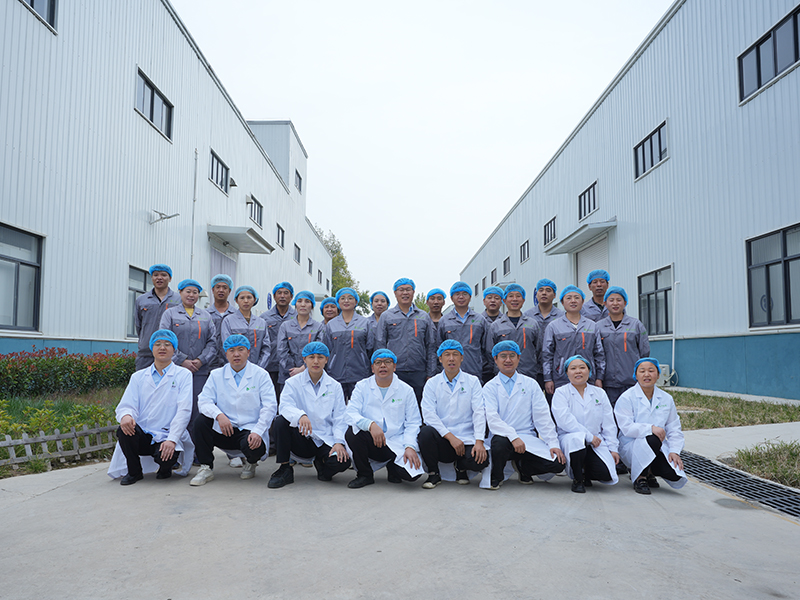
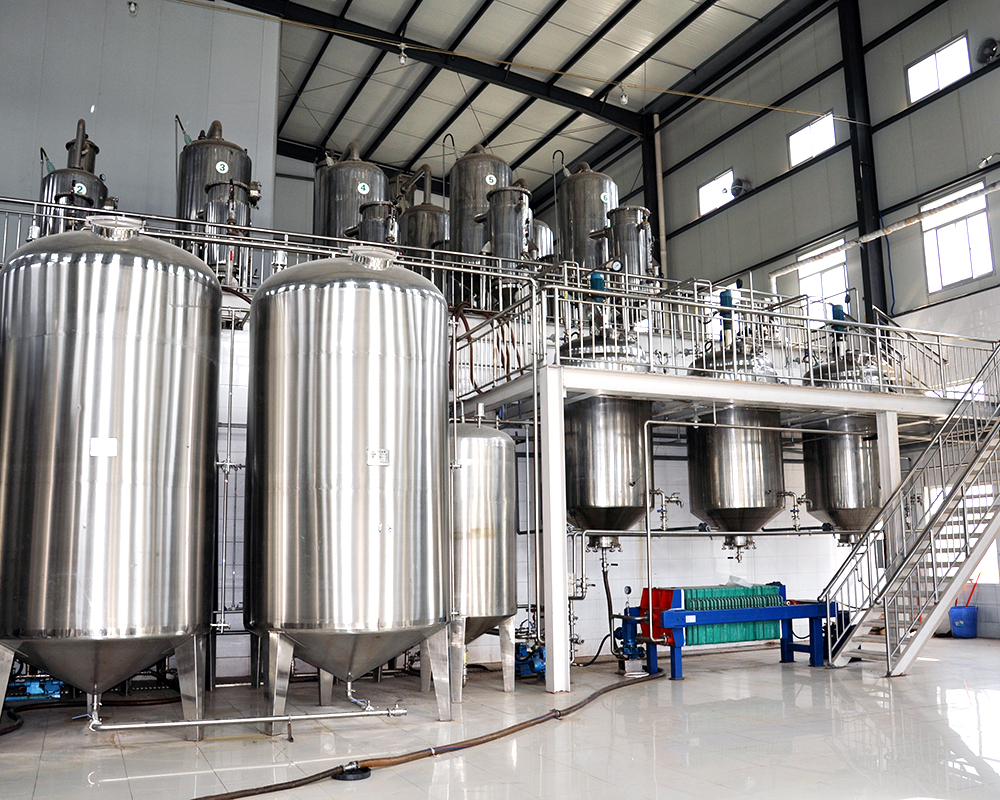
Our first factory was established in 2012 in Sanyuan City, Xi'an, four years after our company was founded. At that time, our production experience was still in its early stages, and we faced many challenges as we worked to refine our processes. However, we remained committed to continuous improvement, investing heavily in technology, training, and quality control to strengthen our capabilities. These early efforts laid a strong foundation for our future growth, shaping the high standards of excellence that we uphold today.
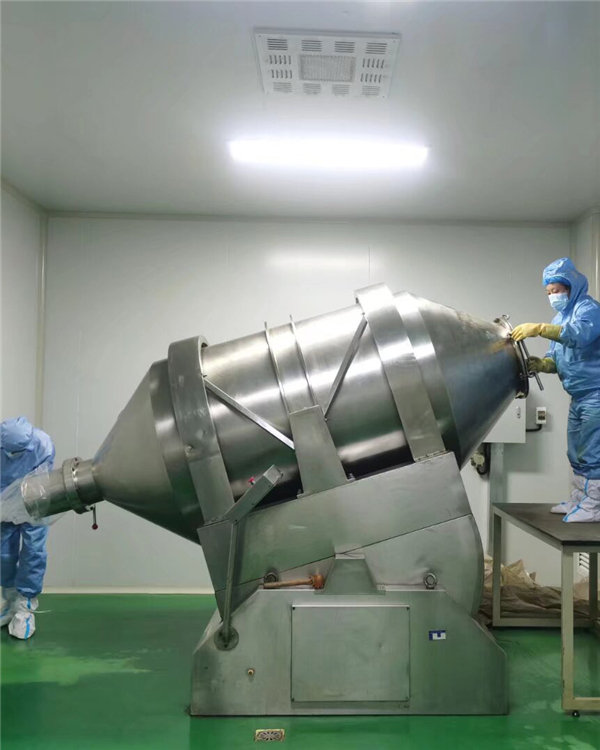
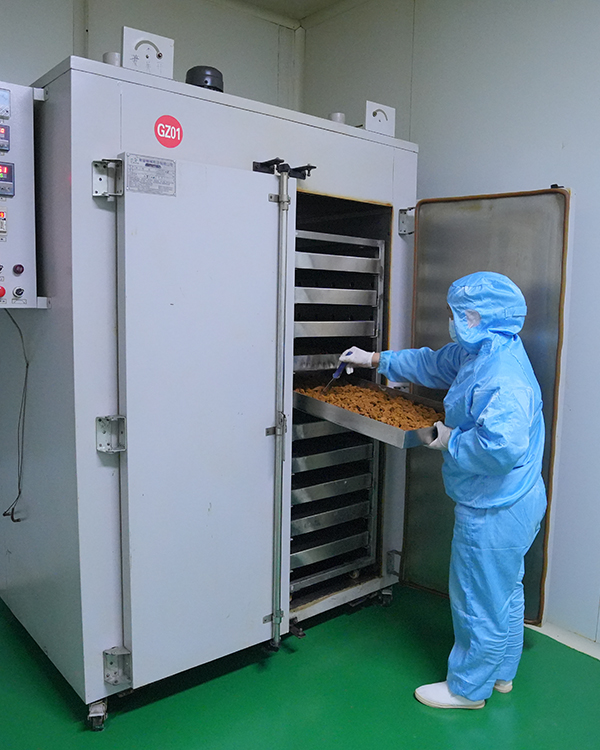
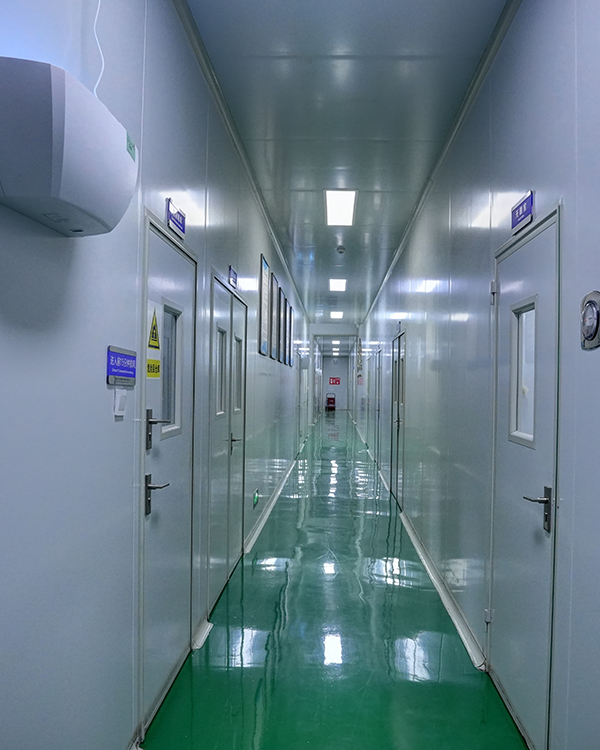
Powder collection, crushing and sieving, mixing, and drying processes are all performed in a Class 100,000 cleanroom environment. Our operators strictly follow hygiene protocols and wear sterile gowns, masks, and gloves to maintain product purity and safety, thus ensuring that we provide our customers with high quality standards and reliable ingredients.
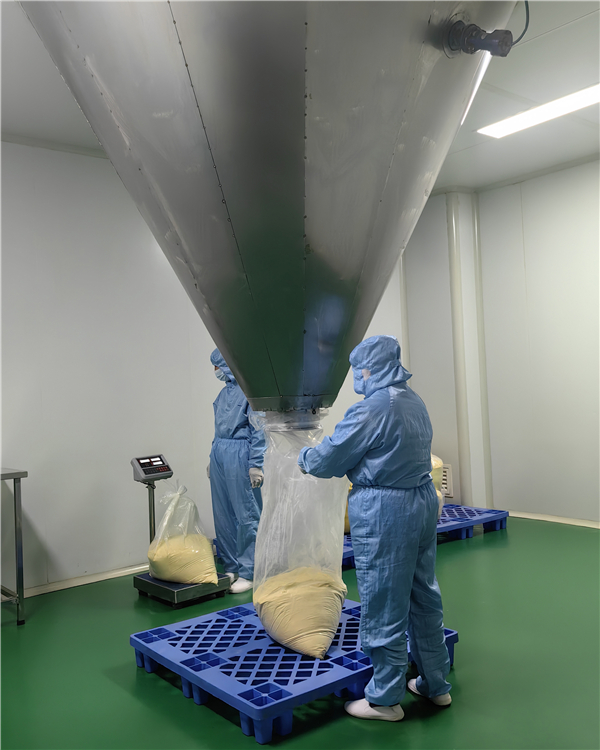
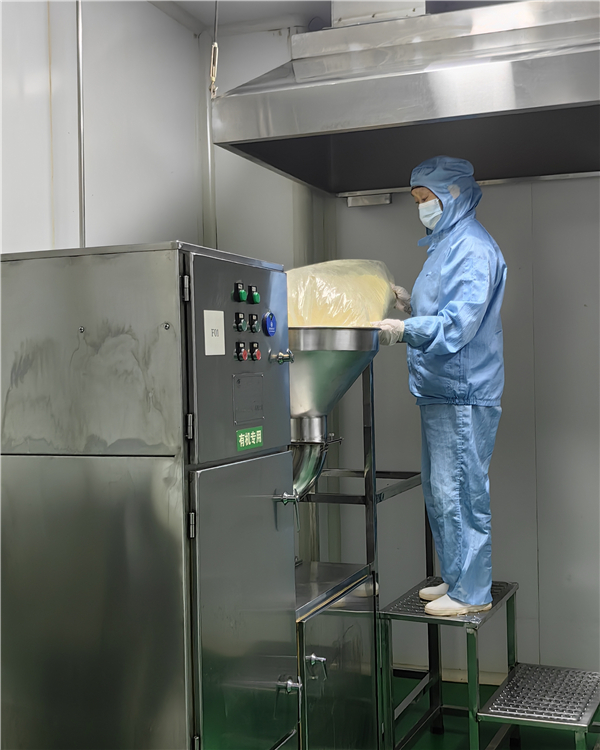
How we combine regional agricultural networks with advanced industrial systems to ensure reliable global delivery.
We work directly with certified organic tea plantations in Shaanxi and Zhejiang provinces. This geographical diversity protects our raw material supply from regional weather variations and ensures consistent quality.
By processing over 3,000 tons of botanical raw materials annually across three specialized facilities, we optimize energy and yield, helping to stabilize ingredient costs for our partners.
We maintain regional warehousing and streamlined ocean shipping paths to ensure prompt delivery, helping B2B buyers minimize inventory storage costs and maintain lean supply chains.
Exporting to over 60% of the world's countries requires strict compliance with international food safety and organic standards. We provide documentation and testing to support global market access:
Common questions from B2B buyers, product developers, and quality assurance teams.
Complementary botanical powders and ingredients to support your product development goals.
 Botanical