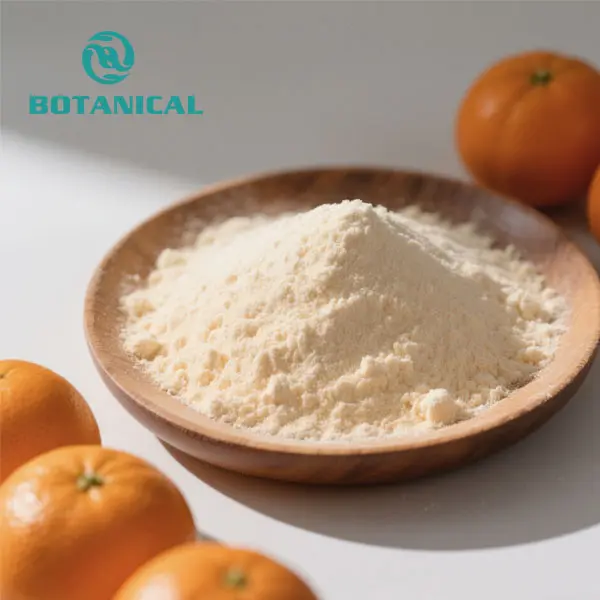
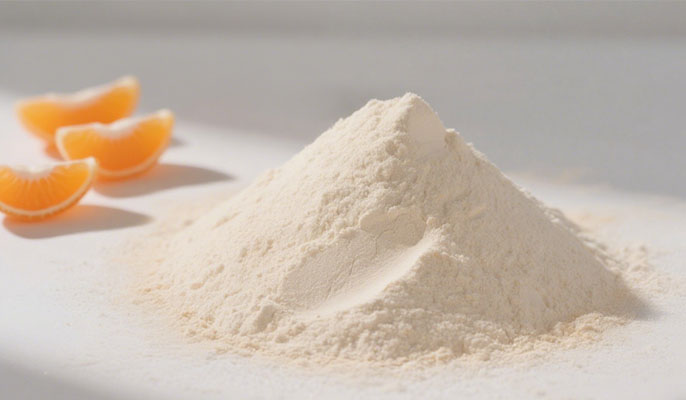
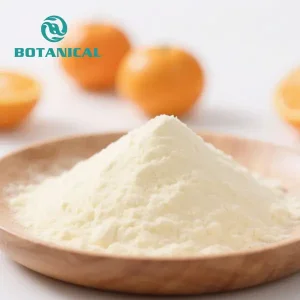
Citrus Pectin Powder—also known as fruit pectin, pectin fiber, or in its processed form modified citrus pectin (MCP)—is a natural polysaccharide extracted from the peel and pulp of citrus fruits. Its core active component is galacturonic acid, a complex carbohydrate that gives pectin its gelling, thickening, and stabilizing functions. The higher the galacturonic acid content, the better the solubility, purity, and functional behavior in food, supplements, and cosmetic applications.
Today, citrus pectin is experiencing strong market demand. Its dual role as both a clean-label ingredient and a functional dietary fiber makes it popular across gummies, nutraceutical powders, functional beverages, bakery products, and even skin-care formulations. With consumers seeking plant-based, allergen-free, and gut-friendly ingredients, citrus-derived pectin continues to climb in global formulations.
From our perspective as a botanical ingredient manufacturer, our Citrus Pectin Powder stands out for several reasons. First, we focus on controlled extraction that preserves a higher proportion of bioactive galacturonic acid, which directly influences viscosity, gelling strength, and functional performance in finished products. Unlike suppliers that produce general-grade pectin, we work with specific citrus raw materials to ensure consistency in color, mesh size, and dissolution behavior—critical factors for brands producing gummies, tablets, thickening agents, or fiber blends.
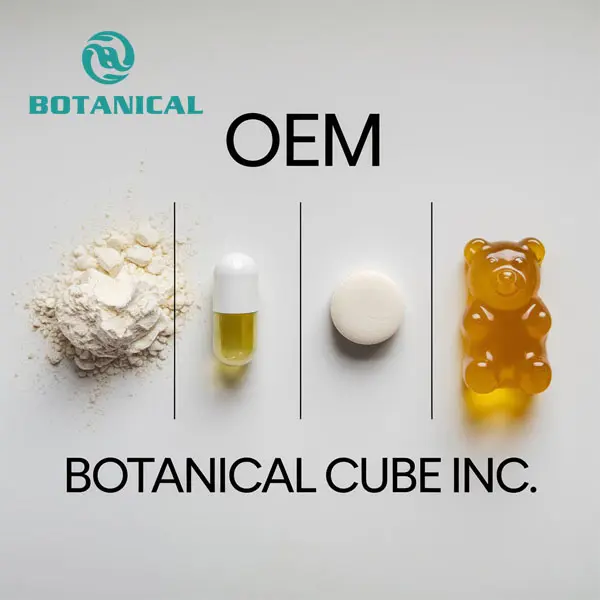
In addition, we integrate OEM and ODM services into our pectin supply chain. Because we understand how pectin behaves in real formulations, we can help customers adjust gelling properties, solubility curves, flavor compatibility, and dosage during the development stage. This gives brands a faster path to stable products—whether it’s high-gel gummies, instant drink powders, or clean-label functional foods. Our ability to transform raw Citrus Pectin Powder into private-label finished goods is a unique advantage not all raw-material suppliers can match.
Why Choose Our Citrus Pectin Powder?
1
Bioavailability with Quantifiable Results
Standard pectin has a large molecular size (often >100 kDa), limiting its absorption in the gastrointestinal tract. Our proprietary enzymatic hydrolysis process consistently produces MCP with an average molecular weight of <15 kDa. This optimized size allows for significantly higher systemic absorption, enabling its bioactive functions—such as promoting cellular and immune health—which are clinically supported.
2
Purity & Heavy Metal Specification
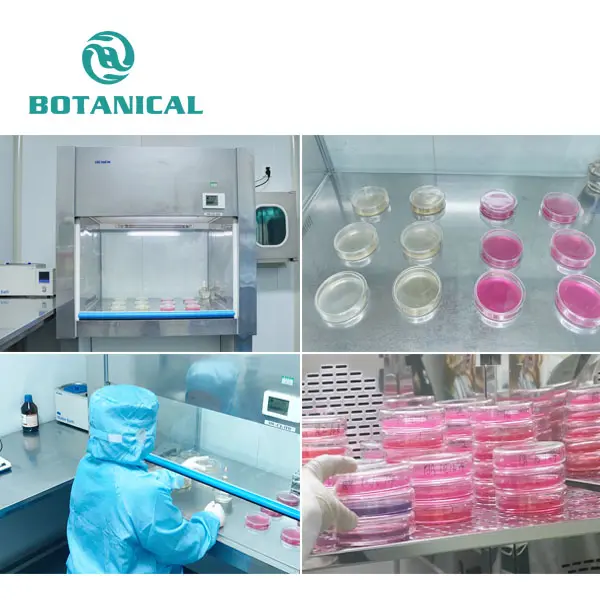
Our raw citrus peels are sourced from designated, non-GMO orchards, and every batch of our final pectin powder is tested to ensure heavy metal levels (like Lead and Cadmium) are > 50% below the strictest international pharmacopeia standards. This gives you a crucial safety margin and simplifies your own compliance.
3
Two Decades of OEM Expertise
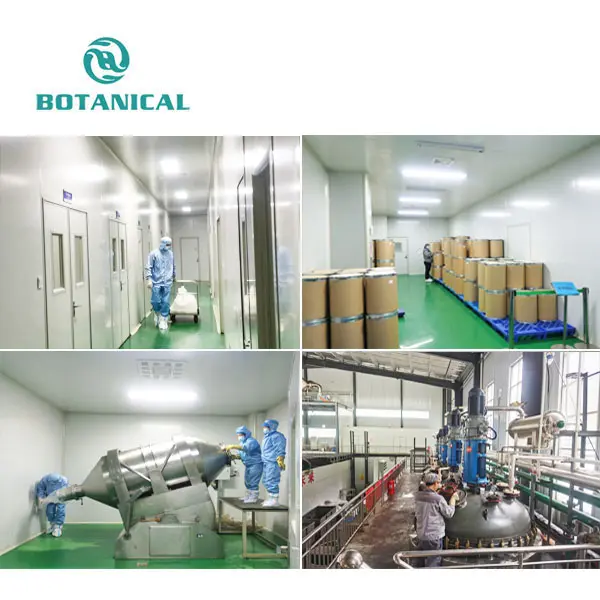
With nearly 20 years of focused experience in pectin extraction and application, we go beyond selling a standard product. Whether you need a specific particle size (from 80 to 200 mesh) to prevent clumping in your powder blends, a target gelling index for your gummies, or a unique combination with other active ingredients, we engineer the pectin to fit your exact application.
Certificate of Analysis (COA)
| Item |
Specification |
Result |
| Appearance | Light yellow to off-white fine powder | Conforms |
| Odor & Taste | Characteristic, no off-odor | Conforms |
| Identification | Positive | Conforms |
| Galacturonic Acid Content | ≥ 65% | 68.4% |
| Degree of Esterification (DE) | 50–75% | 62.1% |
| Mesh Size | 95% pass 80 mesh | 98.2% |
| Moisture | ≤ 10% | 6.3% |
| Ash | ≤ 5% | 3.1% |
| pH (1% solution) | 3.0–4.0 | 3.46 |
| Viscosity (2% solution) | 30–150 mPa·s | 92 mPa·s |
| Lead (Pb) | ≤ 2.0 mg/kg | <0.5 mg/kg |
| Arsenic (As) | ≤ 1.0 mg/kg | <0.2 mg/kg |
| Cadmium (Cd) | ≤ 1.0 mg/kg | <0.1 mg/kg |
| Mercury (Hg) | ≤ 0.1 mg/kg | <0.02 mg/kg |
| Total Plate Count | ≤ 10,000 cfu/g | 1,300 cfu/g |
| Yeast & Mold | ≤ 1,000 cfu/g | 120 cfu/g |
| Conclusion | Meets the specification | Pass |
Common Applications
1. Food & Beverage
Used as a gelling agent, thickener, and stabilizer in jams, jellies, yogurt, and sauces.
2. Dietary Supplements
Natural soluble fiber for gut health, cholesterol management, and detox formulas.
3. Gummies & Soft Chews
Provides clean-label gelling properties and improves bite texture.
4. Functional Drinks
Enhances viscosity and mouthfeel in fiber drinks or anti-sugar formulas.
5. Pharmaceuticals
Acts as a binder, disintegrant, and controlled-release agent in tablets.
6. Cosmetics & Care
Used for viscosity control and stabilizing emulsions in creams and serums.
Recommended Dosage
Food Applications: 0.2%–1.5% depending on desired gel strength.
Gummies: 1.0%–2.5% depending on firmness requirements.
Nutritional Powders: 1–5 g per serving for digestive health.
Functional Beverages: 0.1%–0.5% for stability and texture.
Pharma/Tablets: 1%–3% as a binder or controlled-release ingredient.
Cosmetic Formulations: 0.2%–1% in emulsions and gels.
Bulk Supplier & OEM Expertise
Ready to launch a next-generation supplement that truly works? Choosing a long-term partner means securing consistency, not just the lowest price. With nearly 20 years of specialized experience and critical international certifications, we deliver Modified Citrus Pectin with guaranteed low-molecular-weight consistency—meaning proven bioavailability and zero production headaches for you. Let's talk about optimizing your next launch.
Frequently Asked Questions
1. Is Citrus Pectin Powder soluble in cold water?
It is partially soluble in cold water and fully soluble in hot water. Pre-mixing with warm water improves dispersion.
2. What is the difference between citrus pectin and modified citrus pectin (MCP)?
MCP is processed to a lower molecular weight for higher systemic bioavailability, primarily for supplements. Regular citrus pectin is ideal for food gelling and cosmetic applications.
3. Why is my pectin not forming a gel?
Gel formation depends on pH, sugar levels, and calcium content. For optimal results, adjust acidity to pH 2.8–3.5 and ensure the correct sugar-to-pectin ratio.
4. Can citrus pectin be used in sugar-free products?
Yes. Low-ester (LM) pectin can be used with calcium to form stable gel structures in low-sugar or sugar-free formulations.
5. Does citrus pectin work as a fiber supplement?
Yes. It contains natural soluble fiber (galacturonic acid), which supports healthy digestion and cholesterol management.
6. How to prevent clumping when mixing pectin powder?
Pre-blend the powder with sugar, maltodextrin, or use warm water to improve dispersion and avoid the formation of lumps.
 Botanical