Premium functional extract powders and active biological formulations designed to meet BPOM safety guidelines and support the regional transition toward preventative healthcare.
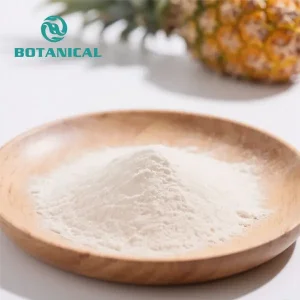
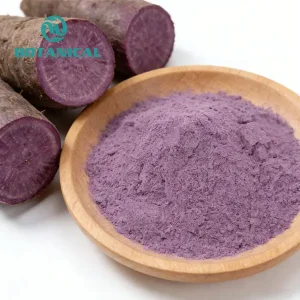
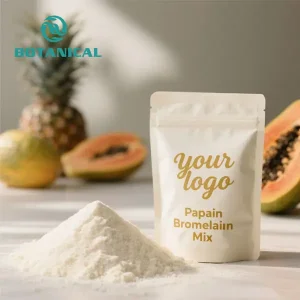
Indonesia's health supplement ecosystem is undergoing a dramatic structural transformation. Driven by a rapidly growing middle-class demographic, increasing urbanization across major cities like Jakarta, Surabaya, and Bandung, and a heightened post-pandemic awareness of wellness, the nation's demand for high-quality functional ingredients has surged. According to recent market reports, the Indonesian dietary supplement market is expanding at a compound annual growth rate (CAGR) exceeding 7.2%, positioning the country as one of the key strategic focus areas for health supplement manufacturers globally.
However, entering and operating successfully in the Indonesian market requires a deep understanding of local regulatory frameworks, consumption habits, and supply chain logistics. Most notably, the BPOM (Badan Pengawas Obat dan Makanan) maintains strict regulatory control over health supplement registrations. Ingredients must comply with rigorous safety thresholds, raw material verification, and heavy metal testing. Furthermore, with Indonesia's implementation of mandatory Halal certification under the BPJPH (Halal Product Assurance Organizing Agency), health supplement brands must secure fully traceable, Halal-compliant supply sources. This regulatory landscape elevates the value of international raw material partners who can supply comprehensive technical dossiers, clean certificates of analysis (CoAs), and verified halal processes.
Navigating BPOM and Halal standards in Southeast Asia's largest economy requires raw material suppliers to demonstrate high E-E-A-T credentials:
While local manufacturing in Indonesia handles secondary processing and packaging, sourcing active, standardized botanical extracts from specialized extraction plants in China provides critical cost advantages, scaling consistency, and advanced technological expertise.
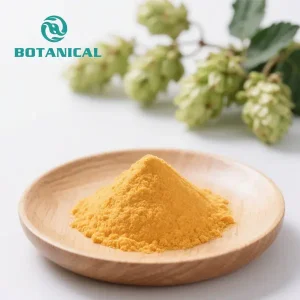
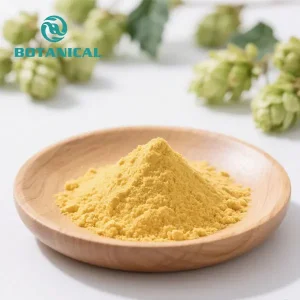
Chinese botanical extraction facilities leverage decades of research, high-capacity machinery, and specialized chromatography systems. By centralizing the raw extraction phase in advanced hubs like Xi'an, companies like Botanical Cube Inc. can refine raw botanical biomass with high efficiency, ensuring consistent batches that meet precise active marker concentrations—such as 4% Chicoric acid in Echinacea Purpurea or 8-Prenylnaringenin (8-PN) in hop cone extract.
For Indonesian supplement manufacturers, sourcing raw extracts directly from a certified partner resolves the issues of batch inconsistency and localized raw agricultural supply chain disruptions. By integrating China's raw material refinement capabilities with Indonesia's local packaging, formulation, and commercial distribution networks, global and regional supplement brands achieve optimized price-to-performance metrics, enabling them to offer competitive pricing on retail shelves in Southeast Asia.
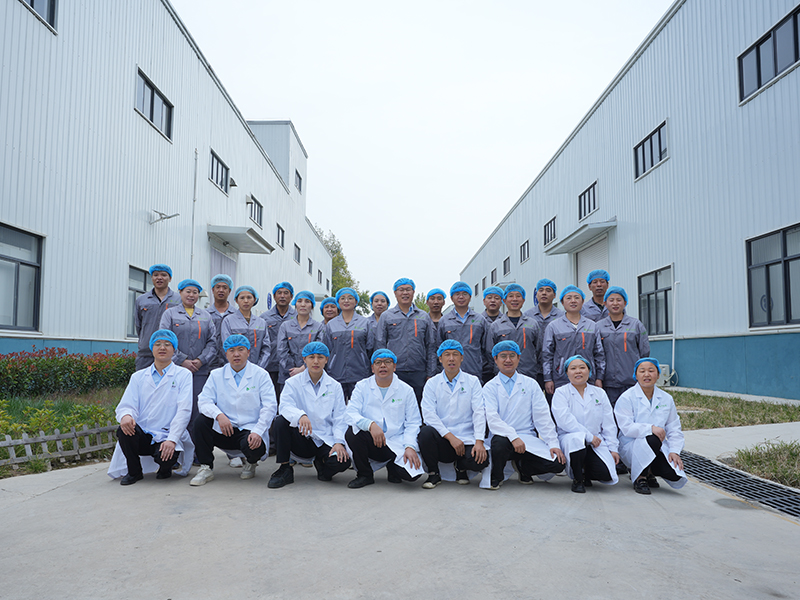
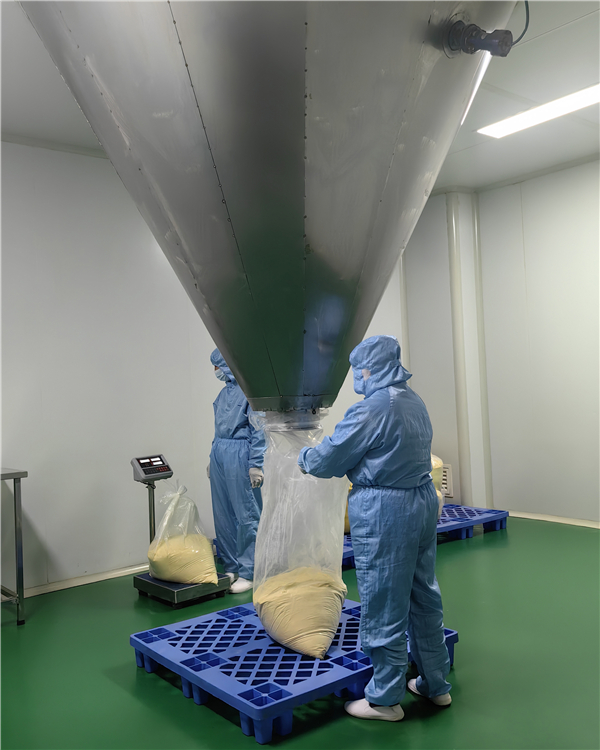
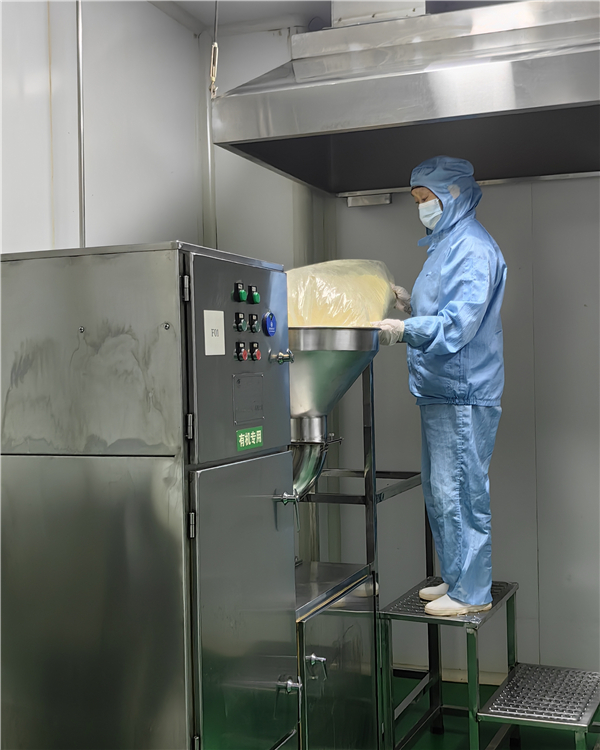
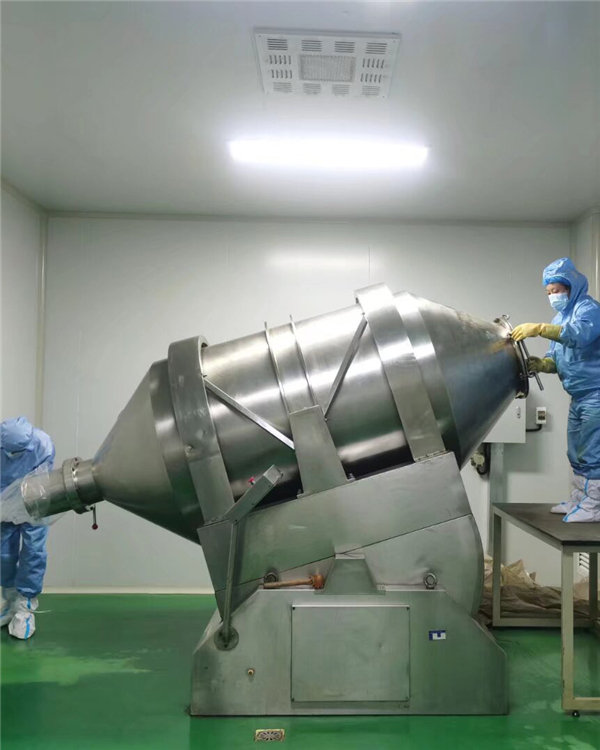
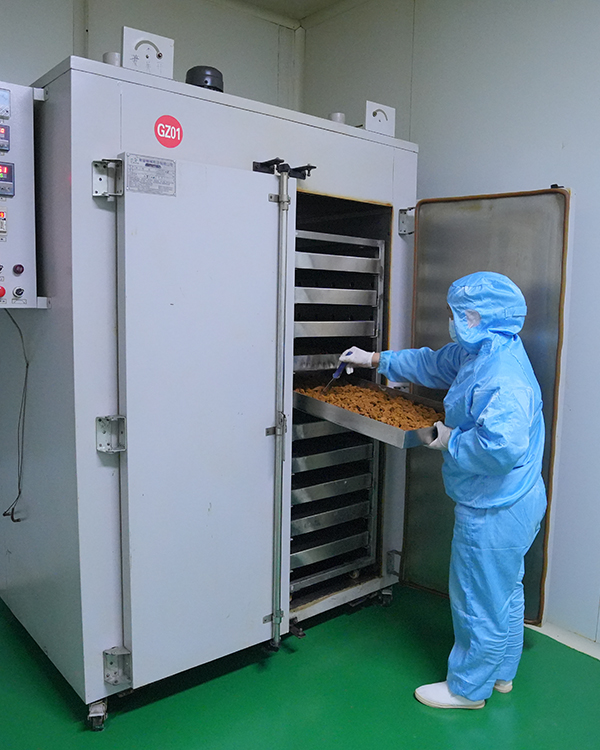
A deep dive into our manufacturing infrastructure, showing how we process botanical raw materials into high-purity supplement ingredients.
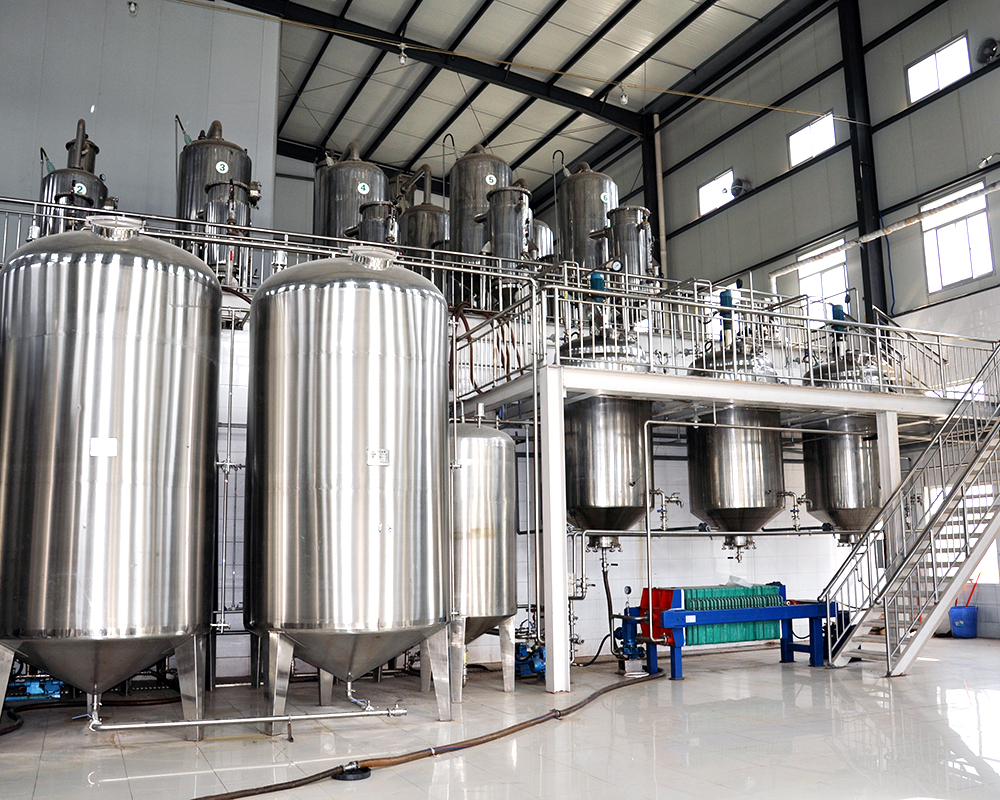
Founded in 2012, our Sanyuan production plant serves as our primary extraction facility. Over more than a decade, we have systematically optimized our extraction systems, vacuum filtration technologies, and drying towers. These optimizations minimize thermal degradation of fragile phytochemicals, preserving active therapeutic molecules.
To meet the safety expectations of leading pharmaceutical and nutraceutical manufacturers in Indonesia and worldwide, all post-extraction processing—including milling, sifting, blending, and drum-filling—is conducted in a Class 100,000 cleanroom. This environment maintains positive air pressure, HEPA filtration, and strict hygiene protocols. Operators wear cleanroom-grade protective suits, masks, and gloves to eliminate physical, chemical, and biological cross-contamination risks.
How specialized health supplement extracts are formulated and consumed within the context of Indonesian regulatory requirements and traditional wellness frameworks.
Traditional Indonesian herbal medicine, known as Jamu, is modernizing. Manufacturers across the archipelago are incorporating standardized botanicals like Gingerol, Holy Basil, and curcumin-based extracts into modern capsule formats. This process standardizes dosages, improves stability, and helps satisfy BPOM safety thresholds.
Rapid urbanization in Jakarta, Medan, and Surabaya has fueled consumer demand for convenient functional beverages. Utilizing water-soluble ingredients like Ube Purple Yam extract and chicory root inulin, beverage manufacturers are developing functional dairy products, high-fiber RTD teas, and antioxidant drinks.
With an expanding fitness demographic, the demand for clean, halal-compliant sports nutrition products has risen. Combining ingredients like Papain-Bromelain mixtures for muscle recovery and Chondroitin Sulfate for joint support allows regional supplement factories to produce high-efficacy sport capsules and powders.
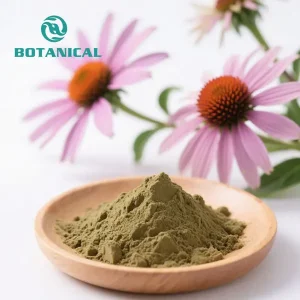
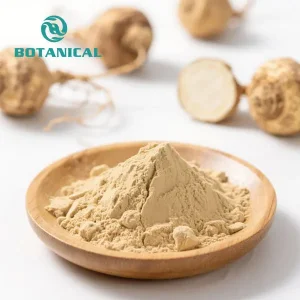
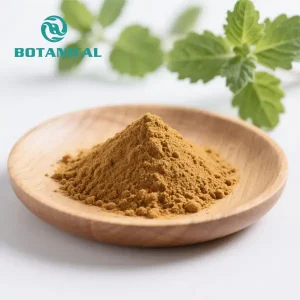
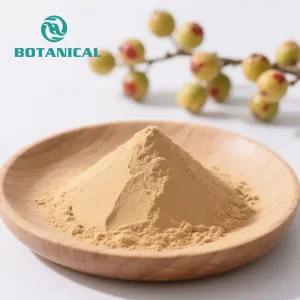
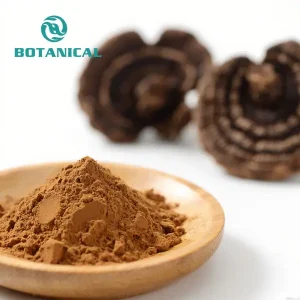
Explore our selection of specialized extract powders developed for modern health, wellness, and anti-aging applications in Indonesia.
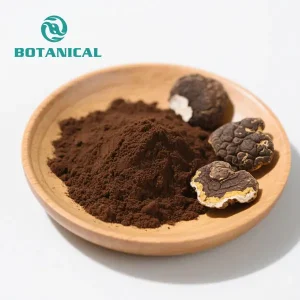
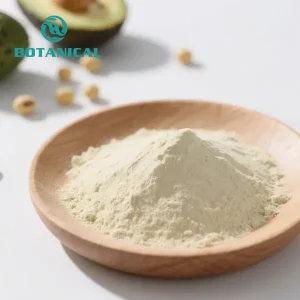
Key technological and market shifts that are shaping how supplement ingredients are sourced, processed, and formulated for Southeast Asia.
Modern consumers and regulatory agencies like BPOM increasingly require standardized concentrations of active compounds rather than simple plant powders. Sourcing extracts with precise quantities of active chemical compounds—such as standardized polyphenols or active enzymes—ensures consistent product efficacy and safety across every batch.
There is growing market demand for clean-label supplements processed without harsh organic solvents. Modern facilities utilize advanced green extraction technologies, such as supercritical carbon dioxide extraction and low-temperature water extraction, to produce clean, chemical-free ingredients suitable for global wellness markets.
As regulatory requirements for Halal compliance tighten across Southeast Asian countries, including Indonesia and Malaysia, tracing the origin of every enzyme, carrier agent, and capsule material has become essential. Brands that maintain fully auditable, certified halal manufacturing pathways are better positioned to build long-term trust and compliance in these regions.
Single-herb formulations are increasingly being replaced by complex, synergistic ingredient blends. Supplement brands are combining enzyme complexes, herbal extracts, and key nutrients—like combining Papain with Bromelain—to create products that offer broader, multi-action health support.
Product developers are prioritizing formulations that improve the bioavailability of active compounds. Technologies like micronization, natural lipid-based carriers, and specialized enzyme blends help ensure that ingredients can be efficiently absorbed and utilized by the human body.
The incorporation of digital tracking, lot-specific analytical certificates, and transparent laboratory validation is becoming standard practice. Brands that provide comprehensive quality documentation, heavy metal testing, and microbiological profiling help simplify regulatory compliance and accelerate product registration processes.
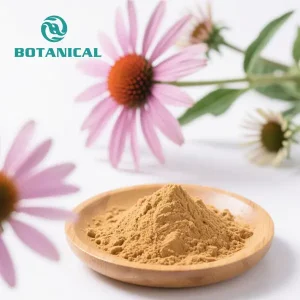
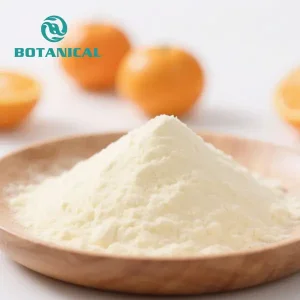
A comprehensive selection of certified herbal extracts and active botanical ingredients manufactured to meet international quality, safety, and purity standards.
Professional answers to common technical, regulatory, and supply chain questions for manufacturers and distributors sourcing health supplement ingredients.
 Botanical