Analyzing key drivers, consumer demand shifts, and macroeconomics within functional ingredient sectors.
Insoluble dietary fiber—primarily comprised of cellulose, hemicellulose, lignin, and resistant starches—has transitioned from a basic dietary filler to a critical functional compound driving innovation across global B2B sectors. As consumer awareness surrounding digestive health, glucose management, and clean-label diets continues to climb, the demand for high-quality, sustainably sourced bulk insoluble fiber has reached unprecedented levels. Modern food science and nutraceutical product development place a high priority on fiber's unique mechanical properties, including high water-binding and oil-binding capacities, rendering it an indispensable texturizer and stabilizer.
According to current industrial research, the global dietary fiber market is projected to expand at a compound annual growth rate (CAGR) exceeding 8.5% over the next decade. The insoluble segment represents the lion's share of this market, heavily utilized in daily baking, meat processing, dairy alternatives, pet nutrition, and therapeutic formulations. North American and European procurement channels show a strong preference for non-GMO, allergen-free, and organically certified insoluble fibers extracted from natural cereal crops, fruits, and wood pulp. Meanwhile, the Asia-Pacific region, led by advanced extraction facilities in China, serves as the manufacturing powerhouse providing high-yield, cost-competitive solutions that satisfy complex international regulatory and quality criteria.
Information Gain Insight: While soluble fiber focuses on viscosity and prebiotic properties in the lower digestive tract, insoluble fiber provides crucial mechanical bulking. In food technology, optimizing particle size distribution (PSD) allows manufacturers to enhance texture and moisture retention without altering sensory profiles. Knowing the exact mesh size and water-binding capacity is critical for achieving formulating success.
How global industries formulate, design, and optimize products utilizing high-purity insoluble fiber.
In bread, pasta, and baked goods, insoluble fiber acts as a structurally inert bulk builder. It reduces caloric density and holds moisture, preventing retrogradation (staling) and extending shelf life.
Emulsified meats and plant-based meat substitutes leverage the oil and water retention of fiber to enhance structural integrity. This directly minimizes cooking loss while improving mouthfeel and chewiness.
Commonly compressed as an excipient, binder, or disintegrant in tablets and capsules. In powder blends, it acts as a functional filler that promotes satiety and supports lower gastrointestinal motility.
High-grade insoluble fiber is crucial for regulating gastrointestinal transit time in companion animals and livestock, preventing diarrhea, and assisting in pet weight-management formulations.
Introducing Botanical Cube Inc. & the Shaanxi Organic Ingredient Processing Ecosystem.
Benefiting from the solid foundation provided by its parent company, Xi'an Tianben Bioengineering Co., Ltd., Botanical Cube Inc. focuses on researching, developing, producing and selling healthy natural ingredients. With more than two decades of industry experience, it has become a leader in the field, specializing in providing high-quality plant extracts and customized solutions to global customers. Services meet the needs of industries including herbal medicine, health foods, dietary supplements, food and beverages, daily chemicals and cosmetics.
Our operations are supported by three companies—Xi'an Tianben Bioengineering Co., Ltd., Botanical Cube Inc., and Shaanxi Tianben Kangyuan Biotechnology Co., Ltd.—which together operate 3 production bases covering more than 100 acres and process more than 3,000 tons of plant raw materials each year. The product range includes more than 200 plant extracts, and we also provide a variety of certified organic products to meet the global demand for environmentally friendly and healthy solutions. Exporting to 60% of the world's countries, serving more than 200 countries and regions and more than 500 customers from all walks of life.
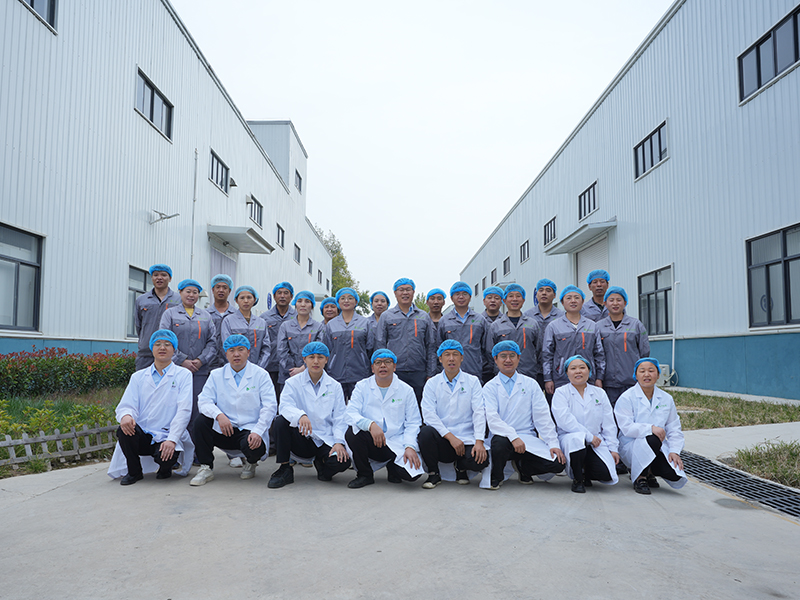
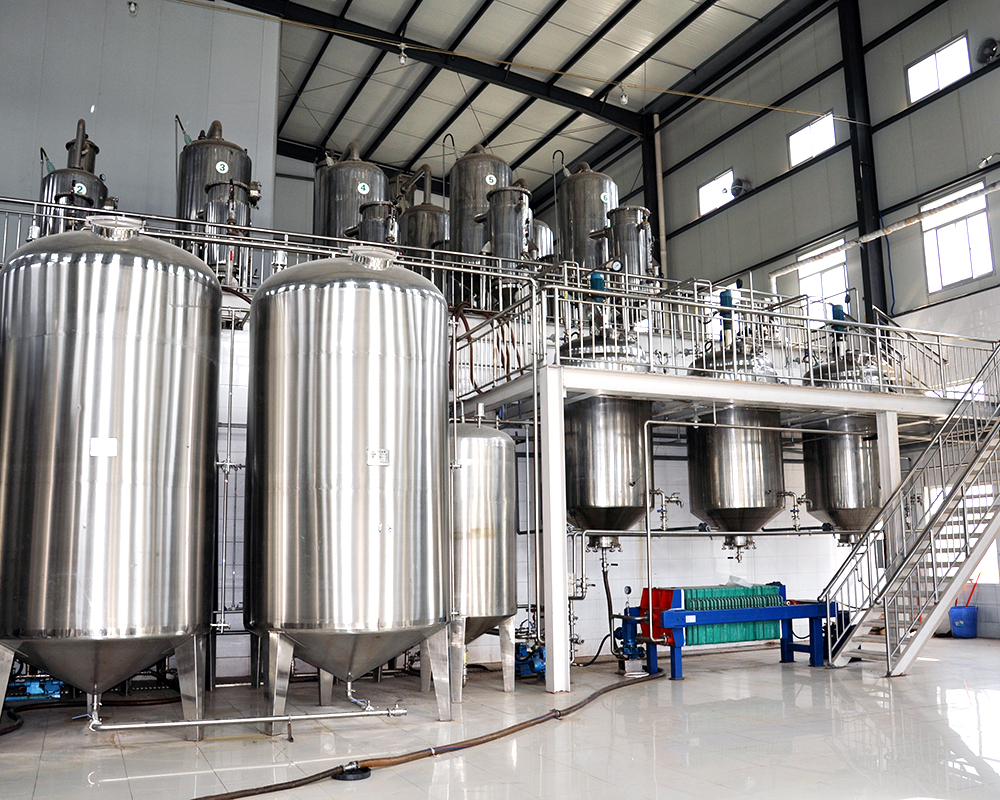
A closer look at our strict purification standards, manufacturing history, and clean environment.
Our first factory was established in 2012 in Sanyuan City, Xi'an, four years after our company was founded. At that time, our production experience was still in its early stages, and we faced many challenges as we worked to refine our processes. However, we remained committed to continuous improvement, investing heavily in technology, training, and quality control to strengthen our capabilities. These early efforts laid a strong foundation for our future growth, shaping the high standards of excellence that we uphold today.
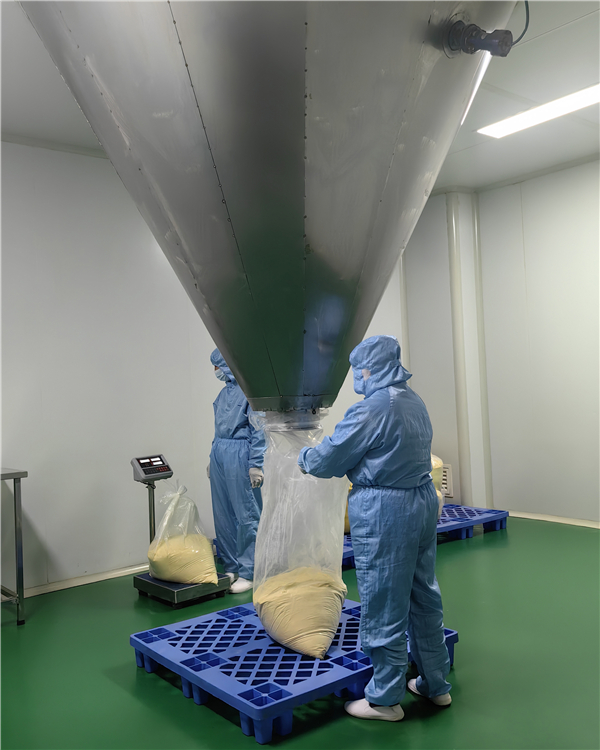
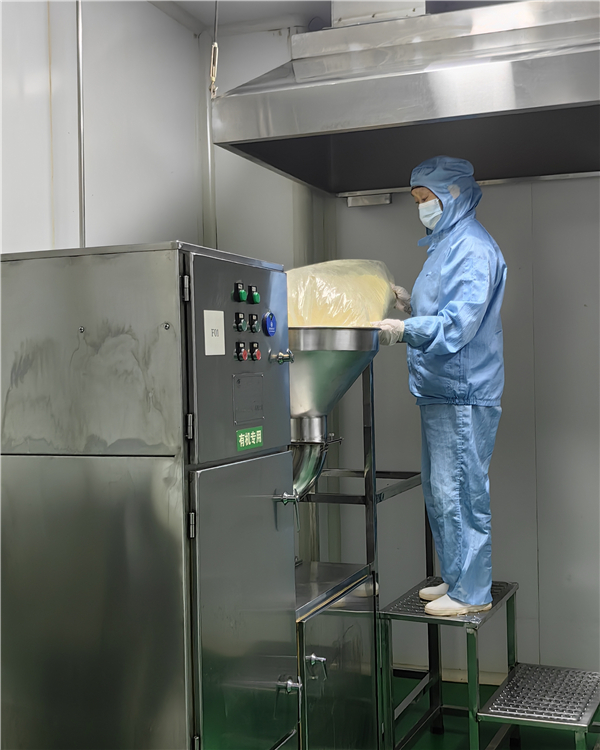
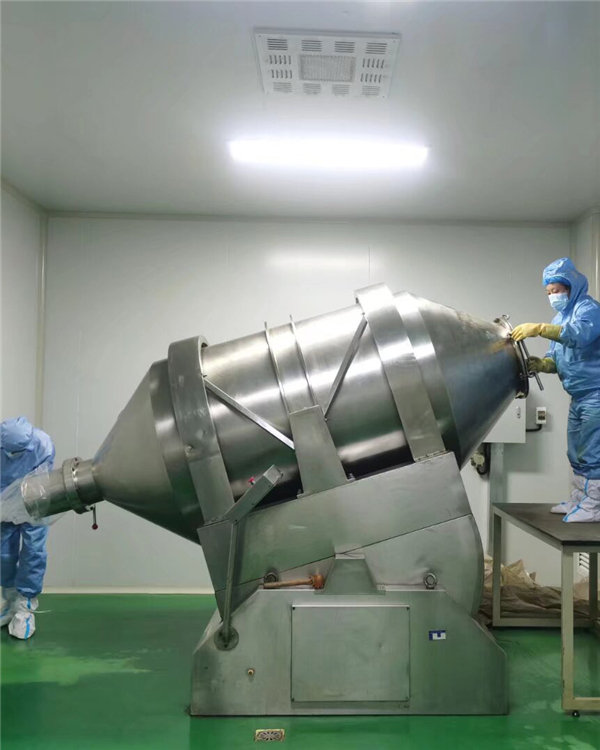
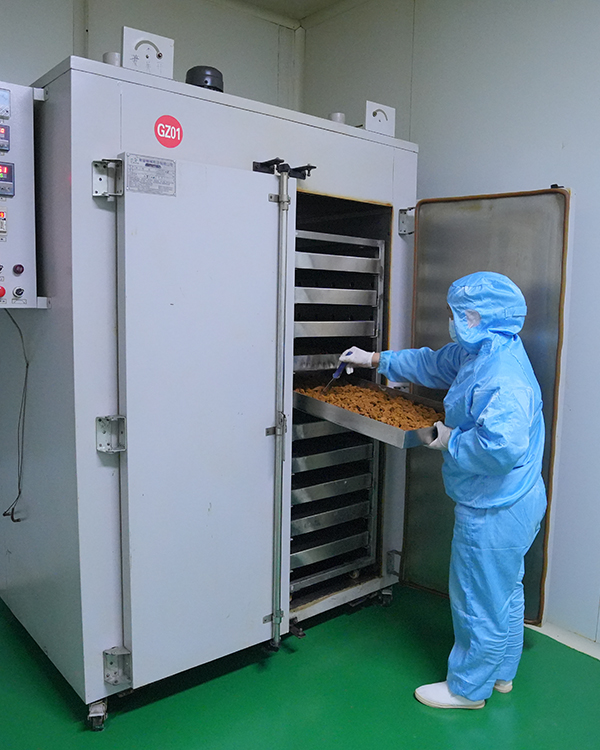
Powder collection, crushing and sieving, mixing and drying processes are all performed in a Class 100,000 cleanroom environment. Our operators strictly follow hygiene protocols and wear sterile gowns, masks and gloves to maintain product purity and safety, thus ensuring that we provide our customers with high quality standards and reliable ingredients.

What B2B procurement managers must consider for sourcing efficiency, cost reduction, and clean labels.
B2B procurement of bulk insoluble fiber requires more than just searching for competitive raw material prices. In today's highly regulated market, corporate purchasing departments must carefully analyze traceability, security of supply, and strict parameter control. As consumer interest shifts toward allergen-free, pesticide-free, and non-GMO profiles, sourcing from facilities that guarantee multi-certification compliance (such as ISO, GMP, Kosher, Halal, and Organic) is essential to protecting brand equity.
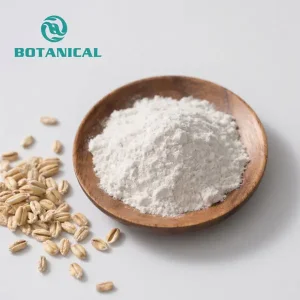
Moreover, the clean-label trend is driving major reformulations. Brands are actively replacing synthetic or heavily modified binders with natural insoluble fiber alternatives like oat fiber, bamboo fiber, and apple fiber. This change helps cleaner ingredient declarations on final packaging and aligns with the growing demand for dietary products that promote colon health, aid blood sugar control, and target weight management. Partnering with vertically integrated manufacturers like Botanical Cube Inc. allows global buyers to benefit from customized milling sizes (ranging from fine 200-mesh powders to coarse fibers) to meet exact physical formulation requirements.
Providing direct, expert answers to key technical and logistics questions for B2B buyers.
Soluble fiber dissolves in water, forming a gel-like substance that increases formulation viscosity and acts as a prebiotic. Insoluble fiber does not dissolve; it passes through the digestive tract largely intact. In manufacturing, insoluble fiber is utilized primarily for structural bulking, moisture retention, oil binding, and anticaking, whereas soluble fiber is preferred for mouthfeel modification and soluble dietary enrichment.
At our Sanyuan Factory, established in 2012, all final-stage processing—including powder collection, fine crushing, sieving, mixing, and drying—takes place in a Class 100,000 cleanroom environment. This prevent cross-contamination. Operators follow strict decontamination protocols, wearing sterile gowns, masks, and gloves. We also employ advanced metal detectors and analytical instruments to ensure heavy metal and microbiological counts remain well below global regulatory thresholds.
Yes. Particle size is a crucial factor in sensory perception and functional performance. We offer customized milling services, providing mesh sizes from 80-mesh (ideal for coarse bakery textures) up to ultra-fine 200-mesh or 300-mesh powders, which disperse smoothly in functional beverages and tablets without causing a gritty texture.
Our raw materials, plant extracts, and fiber solutions serve the herbal medicine, health foods, dietary supplements, food and beverages, daily chemical products, and cosmetics sectors. We export to over 60% of countries worldwide, serving more than 500 customers across various fields.
We supply full documentation including Certificate of Analysis (COA), heavy metal and pesticide residue reports, Allergen Declarations, Non-GMO statements, Kosher and Halal credentials, and Organic Certifications for our organic plant product lines.
 Botanical