Premium Raw Materials Sourced and Developed for Advanced Cosmetics and Nutraceutical Applications
Analyzing Structural Lipids, Barrier Function, and Trans-Epidermal Water Loss (TEWL)
Ceramides are structurally heterogeneous, sphingoid-based lipids that make up approximately 50% of the intercellular lipid matrix in the stratum corneum. From a biophysical perspective, they act as the structural mortar binding the corneocyte "bricks" together. In clinical dermatology, the integrity of this lipid barrier dictates the rate of trans-epidermal water loss (TEWL) and governs the skin's defense mechanism against environmental toxins, pathogens, and UV radiation. Without sufficient ceramides, the skin structure collapses, leading to clinical dry skin, atopic dermatitis, psoriasis, and accelerated cellular aging.
B2B cosmetic formulation demands a sophisticated understanding of ceramide nomenclature and stereochemistry. Our factory produces a range of high-purity ceramides, with specific focus on Ceramide NP (Ceramide 3), Ceramide AP (Ceramide 6-II), and Ceramide EOP (Ceramide 1). Each structure features unique acyl chain lengths and degrees of saturation. For instance, Ceramide EOP contains a vital esterified omega-hydroxy fatty acid structure that acts as a structural rivet, cross-linking the extracellular lipid lamellae into cohesive bilayers. By offering these molecules in highly bioavailable, purified forms, we allow formulators to replicate the skin's natural lipid ratio, restoring homeostasis to compromised epidermal systems.
Unmatched Bio-Fermentation Infrastructure, Supply Chain Integration, and Cost-Efficiency
As the cosmetic landscape shifts toward clean beauty and sustainable biotechnology, the production of ceramides has transitioned from animal extraction to advanced yeast fermentation. Chinese biochemical manufacturers, particularly those in the Shaanxi bio-industrial cluster, have pioneered the commercial-scale fermentation of Wickerhamomyces ciferrii—a specialized yeast strain utilized to synthesize high-yield phytosphingosine. This precursor is subsequently acetylated and converted into skin-identical Ceramide NP and Ceramide AP.
Sourcing from an integrated Chinese manufacturer like Botanical Cube Inc., supported by the deep bioengineering heritage of Xi'an Tianben Bioengineering Co., Ltd., provides distinct macro-advantages:
Our close proximity to domestic bio-feedstock supplies and integrated processing plants minimizes logistics overheads and ensures stable pricing structures for multi-ton annual contracts.
Advanced enzymatic synthesis and green chemistry separation techniques yield high stereochemical purity, matching European standards at a fraction of Western production costs.
Equipped with GMP-certified cleanrooms, ISO 9001, Kosher, Halal, and organic certifications, our materials meet rigid EU REACH and US FDA import mandates.
Furthermore, our streamlined domestic shipping corridors out of Xi'an directly connect with global hubs, ensuring that transit lead times are kept to an absolute minimum. In an era plagued by supply chain disruptions, partnering directly with an asset-heavy manufacturer that controls its production bases ensures uninterrupted raw material pipelines for multinational cosmetics brands.
A Global Leader in Natural Ingredients
Benefiting from the solid foundation provided by its parent company, Xi'an Tianben Bioengineering Co., Ltd., Botanical Cube Inc. focuses on researching, developing, producing and selling healthy natural ingredients. With more than two decades of industry experience, it has become a leader in the field, specializing in providing high-quality plant extracts and customized solutions to global customers. Services meet the needs of industries including herbal medicine, health foods, dietary supplements, food and beverages, daily chemicals and cosmetics.
Our operations are supported by three companies - Xi'an Tianben Bioengineering Co., Ltd., Botanical Cube Inc. and Shaanxi Tianben Kangyuan Biotechnology Co., Ltd. - which together operate 3 production bases covering more than 100 acres and process more than 3,000 tons of plant raw materials each year. The product range includes more than 200 plant extracts, and we also provide a variety of certified organic products to meet the global demand for environmentally friendly and healthy solutions. Exporting to 60% of the world's countries, serving more than 200 countries and regions and more than 500 customers from all walks of life.
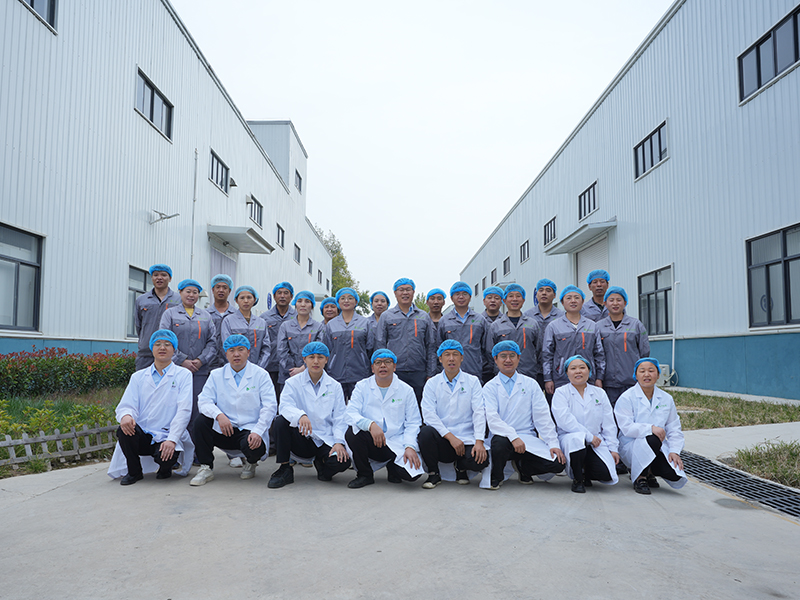
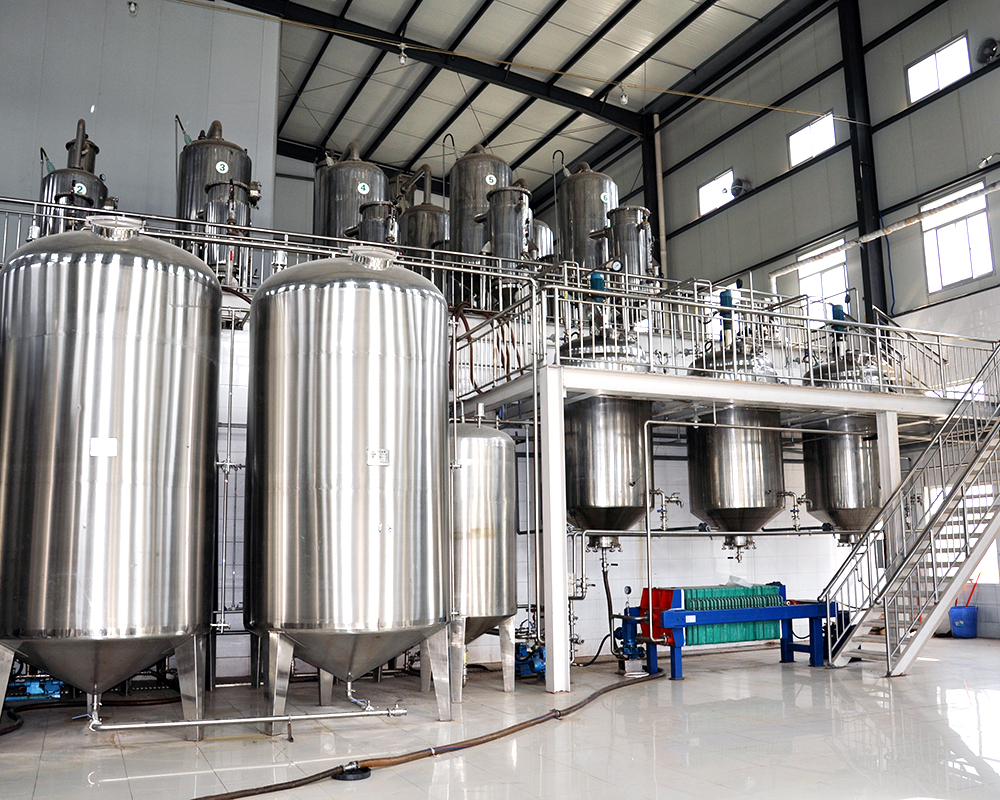
Established in 2012 | Sanyuan City, Xi'an
Our first factory was established in 2012 in Sanyuan City, Xi'an, four years after our company was founded. At that time, our production experience was still in its early stages, and we faced many challenges as we worked to refine our processes. However, we remained committed to continuous improvement, investing heavily in technology, training, and quality control to strengthen our capabilities. These early efforts laid a strong foundation for our future growth, shaping the high standards of excellence that we uphold today.
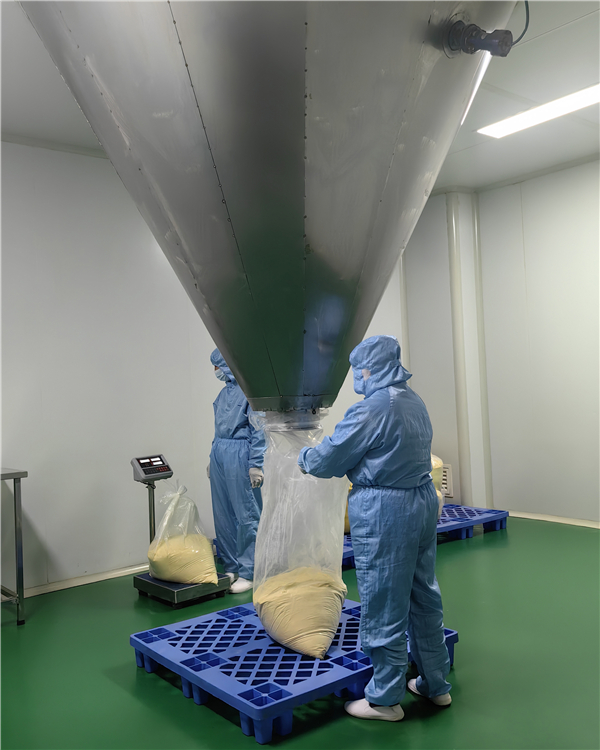
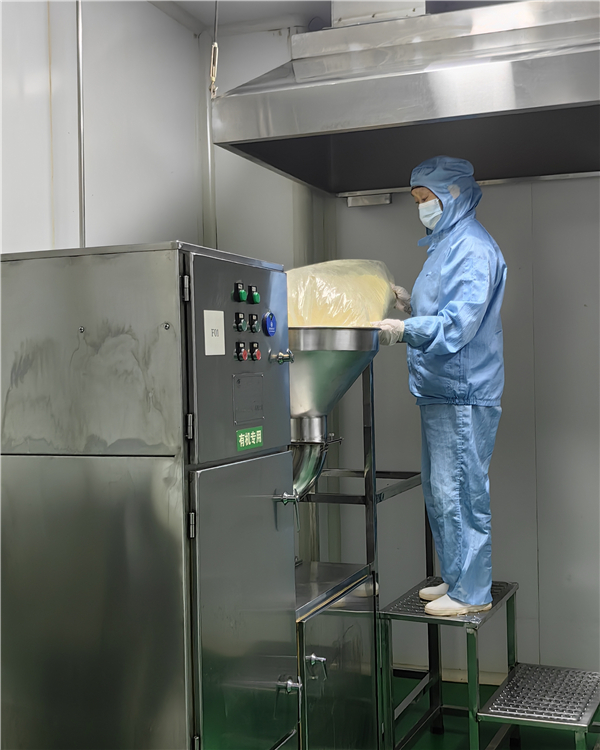
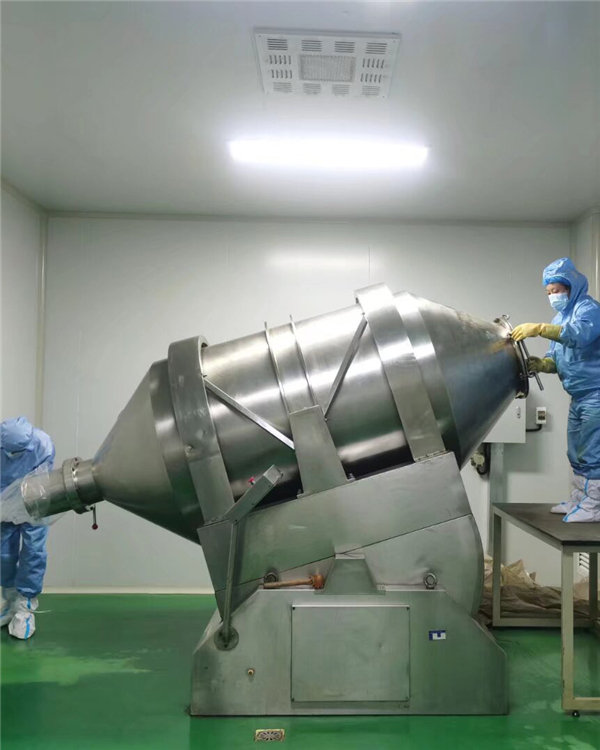
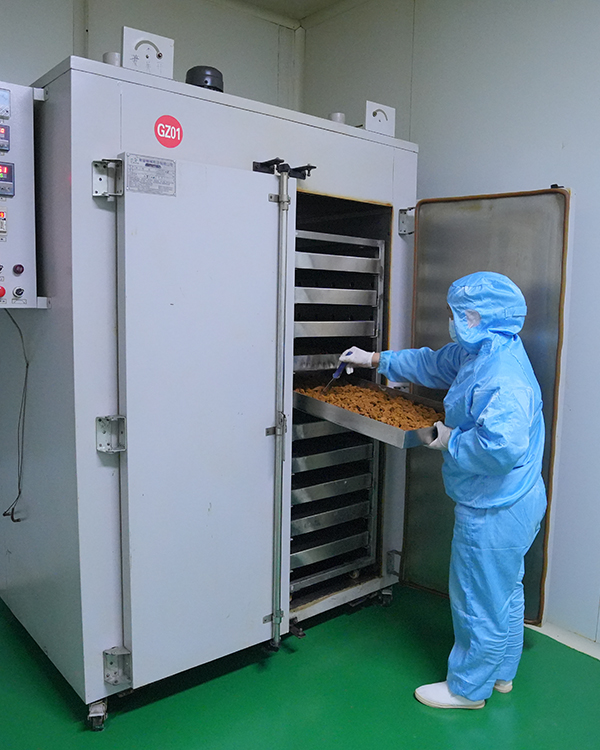
Powder collection, crushing and sieving, mixing and drying processes are all performed in a Class 100,000 cleanroom environment. Our operators strictly follow hygiene protocols and wear sterile gowns, masks and gloves to maintain product purity and safety, thus ensuring that we provide our customers with high quality standards and reliable ingredients.

Analyzing Certificate of Analysis (COA) Profiles and Active Ingredient Verification
For procurement officers and cosmetic scientists representing international skincare brands, purchasing bulk active ingredients is subject to strict verification protocols. Ceramides destined for dermal application must verify multiple chemical parameters to avoid formulation failure, emulsion cracking, or adverse dermatological reactions. A comprehensive COA from an authentic ceramide supplier must detail the following core metrics:
1. Chromatographic Purity (HPLC-ELSD): Because ceramides lack chromophore groups with high UV absorption, High-Performance Liquid Chromatography coupled with Evaporative Light Scattering Detection (HPLC-ELSD) is the industry standard for purity quantification. Raw powder shipments must exhibit a minimum ceramide content of 98.0% to prevent impurity-induced skin irritation.
2. Melting Point Range: Skin-identical ceramides possess elevated melting points (e.g., Ceramide NP melts between 85°C and 95°C). Lower melting ranges suggest residual solvents, fatty acid impurities, or incomplete deacetylation of phytosphingosine precursors.
3. Heavy Metal and Microbiological Control: Skincare actives must adhere to strict limits—Arsenic < 2 ppm, Lead < 5 ppm, and total aerobic microbial count < 100 CFU/g. Our Class 100,000 cleanrooms directly isolate the drying, milling, and sifting phases, guaranteeing zero cross-contamination before shipping.
Developing Bilayer Structures and Enhancing Bioavailability via Molecular Encapsulation
One of the primary challenges when formulating with pure Ceramide NP or Ceramide AP is their highly crystalline structure, which makes them hydrophobic. Incorporating raw ceramide powder directly into the aqueous phase of an emulsion will lead to crystallization and poor skin absorption. Expert formulators overcome this through lipid-phase co-melting or utilizing advanced delivery systems, such as nano-emulsions, liposomes, and solid lipid nanoparticles (SLNs).
Furthermore, research demonstrates that ceramides do not operate in isolation within the skin barrier. To optimize epidermal repair, formulations should mimic the physiological ratio of the intercellular lipid matrix: a 3:1:1:1 ratio of Ceramides, Cholesterol, Free Fatty Acids, and Phytosphingosine. When applied in this exact stoichiometry, the lipid mixture integrates directly into the damaged lamellar structures of the stratum corneum, accelerating barrier recovery far more effectively than ceramides used alone.
To support this synergy, Botanical Cube Inc. provides a portfolio of companion actives that can be formulated alongside ceramides to enhance overall product performance:
Acts as an anti-inflammatory agent to calm vascular hyper-reactivity while ceramides restore the physical barrier.
Protects skin lipids from peroxidation, maintaining the integrity of newly synthesized ceramide structures.
Rich in polar lipids and natural ceramides, serving as an ideal solvent phase to dissolve crystalline ceramide powders.
Analyzing Bio-Synthetics, Clean Beauty Mandates, and the Rise of Neuro-Cosmetics
The global ceramide market is experiencing rapid expansion, driven by consumer awareness of "barrier health." Moving forward, several macro trends will shape B2B procurement and product development:
1. Transition to Eco-Friendly Fermentation: Consumers are actively rejecting petrochemical-derived or animal-sourced ingredients. Green chemistry, powered by yeast fermentation, yields high-purity phytoceramides while minimizing the ecological footprint. Our factories utilize renewable plant-derived glucose as the fermentation substrate, offering brands a strong marketing angle for eco-conscious consumers.
2. Focus on Sensitive Skin and Neuro-Cosmetics: In a post-pandemic market, consumer reports of sensitive skin have surged. Ceramides are now being formulated alongside neuro-soothing actives to manage itchy, inflamed, or hyper-reactive skin. This intersection of barrier repair and sensory soothing is driving the demand for specialized multi-lamellar emulsions.
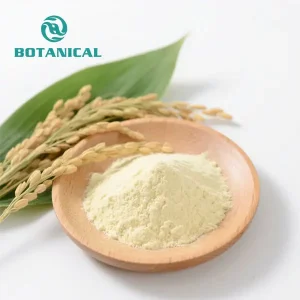
3. Oral Beauty (Nutricosmetics): The concept of "beauty from within" is gaining significant traction. Phytoceramides sourced from rice bran or wheat gluten are increasingly being formulated into dietary supplements. Clinical trials demonstrate that oral intake of ceramides significantly improves skin hydration and reduces wrinkle depth by supporting lipid synthesis from within the dermis.
Addressing Crucial Formulation, Solubility, and Sourcing Inquiries for Procurement Managers
Premium Botanical Extracts and Bio-Actives for Innovative Cosmetic Formulations
 Botanical