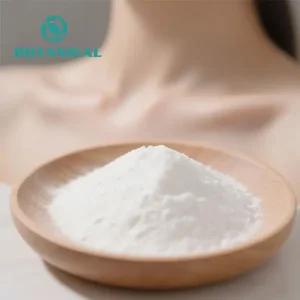
 High-Quality Polyglutamic Acid (PGA) powder Manufacturers
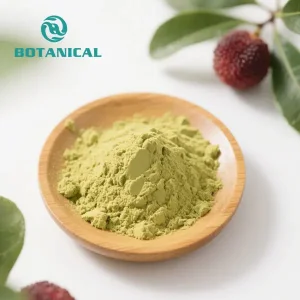 High-Quality Pure Myrica Extract Ampelopsin Powder Supplier
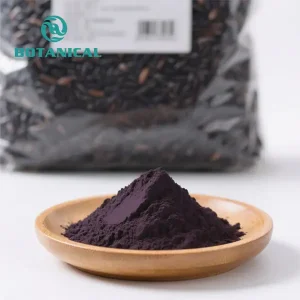 Wholesale Natural Black Rice Extract Powder Suppliers
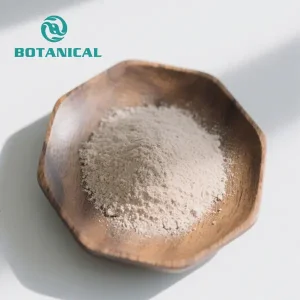 Wholesale Saccharomyces Boulardii Bulk Powder Manufacturers
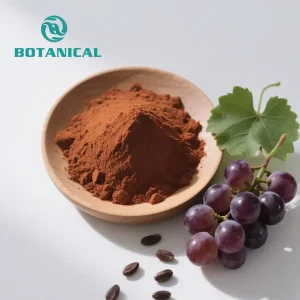 OEM Grape Seed Extract OPC Proanthocyanidins Powder Suppliers
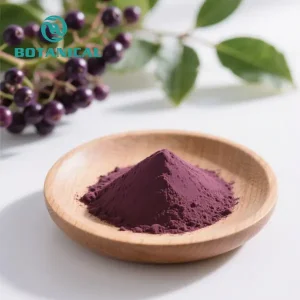 Wholesale Organic Black Elderberry Extract Powder Manufacturers
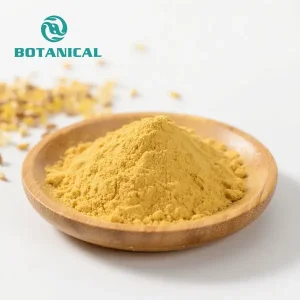 Wholesale Natural Bee Pollen Powder Supplier
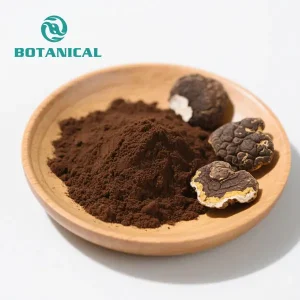 Wholesale Chaga mushroom extract powder Supplier
As the global food industry shifts toward "Clean Label" and "Functional Nutrition," oat fiber has emerged as the gold standard for insoluble dietary fiber. Unlike chemical fillers, oat fiber is derived from the non-GMO oat husk, offering a neutral sensory profile that meets the rigorous demands of the modern consumer.
Wholesale bulk oat fiber suppliers play a critical role in stabilizing global supply chains. With its exceptional water-binding capacity and thermal stability, oat fiber is indispensable in reducing caloric density in high-volume production without sacrificing the structural integrity of the final product.
Botanical Cube Inc., supported by Xi'an Tianben Bioengineering Co., Ltd., leverages 20+ years of botanical extraction expertise to refine oat fiber processing. Our technological lineage ensures that every batch meets the pharmaceutical-grade standards required by global nutraceutical giants.
Benefiting from the solid foundation provided by its parent company, Xi'an Tianben Bioengineering Co., Ltd., Botanical Cube Inc. focuses on researching, developing, producing and selling healthy natural ingredients. With more than two decades of industry experience, it has become a leader in the field, specializing in providing high-quality plant extracts and customized solutions to global customers.
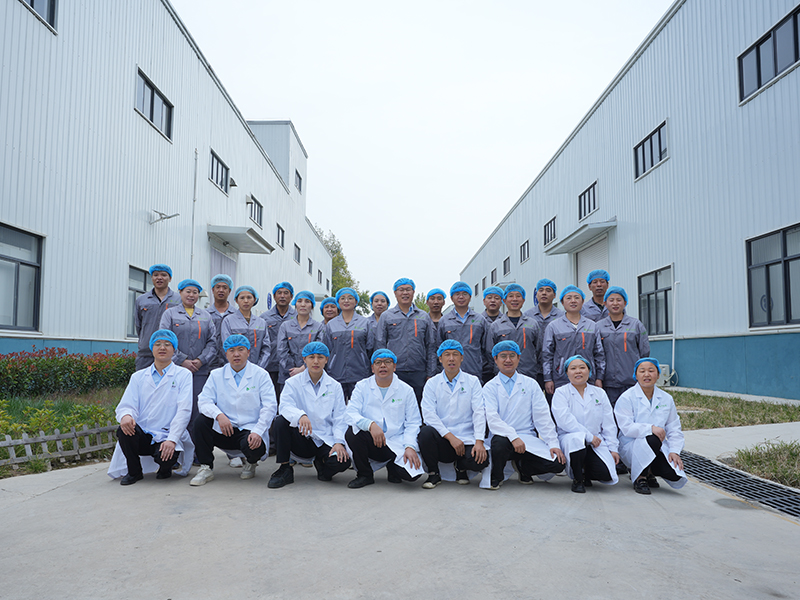
Tons Processed Annually
Unique Plant Extracts
Global Export Reach
Class Clean Room
Future technical routes focus on Micronization. By utilizing air-jet milling, our factories can produce oat fiber with particle sizes below 50 microns. This eliminates "grittiness," allowing for application in smooth beverages and dairy alternatives where traditional fiber would fail.
By applying targeted enzymatic cleaning, we remove residual starches and proteins from the oat husk. This creates a fiber with >90% purity, ensuring it remains inert in complex chemical formulations, crucial for wholesale stability.
Our roadmap includes transitioning to a circular economy model. We are implementing waste-to-energy systems at our Sanyuan facility to reduce the carbon footprint of bulk oat fiber production, meeting the ESG requirements of Tier-1 global food brands.
China's Inner Mongolia and Hebei provinces provide a stable, high-yield source of high-quality oats. By positioning our factories near these agricultural hubs, we minimize logistics costs and ensure 100% traceability from seed to fiber.
Operating three production bases (including the Sanyuan City facility established in 2012), we control every stage: from crushing and sieving to sterilization. This integration allows for a cost-efficiency ratio that Western manufacturers cannot match without compromising quality.
We provide localized regulatory support, including ISO, HALAL, KOSHER, and Organic certifications. Our team acts as a bridge, ensuring that bulk shipments comply with the specific health and safety standards of North America, Europe, and Southeast Asia.
In keto-friendly and low-carb bread, oat fiber provides the necessary volume and "crumb" texture without adding digestible carbohydrates. It acts as an excellent moisture regulator, extending shelf life.
Used as a fat mimetic in processed meats. Its high water-binding capacity reduces purge loss during cooking, resulting in a juicier mouthfeel in reduced-fat sausages and burgers.
A primary ingredient in fiber capsules and powder mixes. Our 100,000-class clean room ensures that the microbial load is negligible, meeting the strictest supplement safety protocols.
Micronized oat fiber is increasingly used as a natural, biodegradable alternative to plastic microbeads in exfoliating scrubs and as an oil-absorbent in pressed powders.
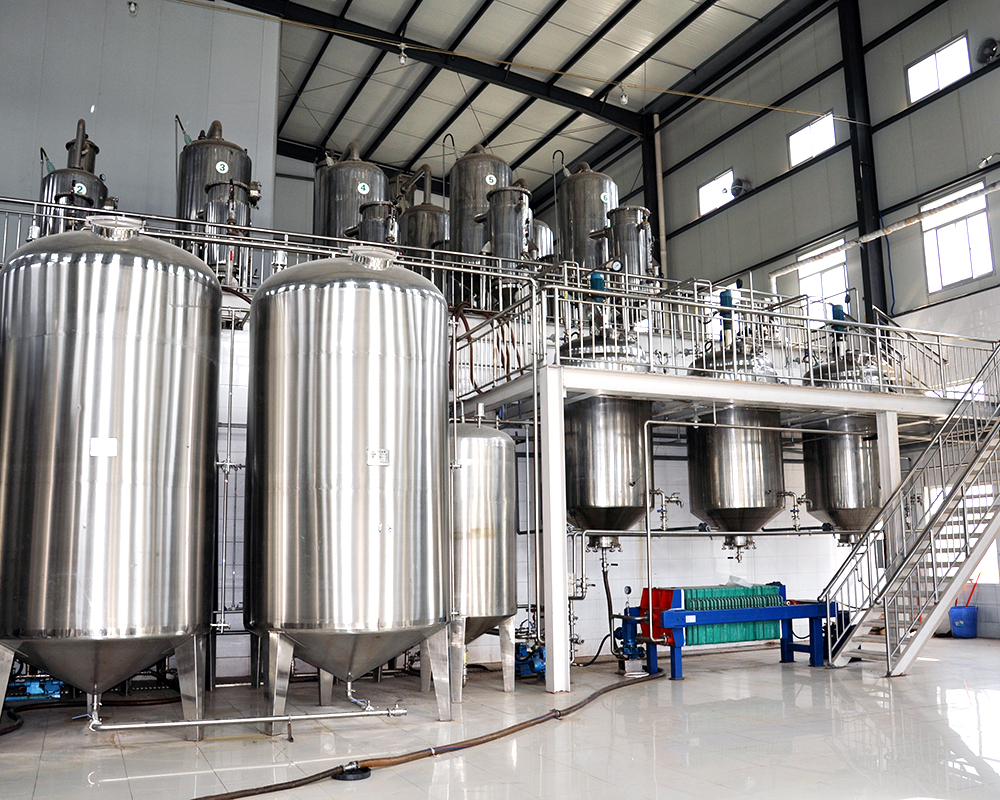
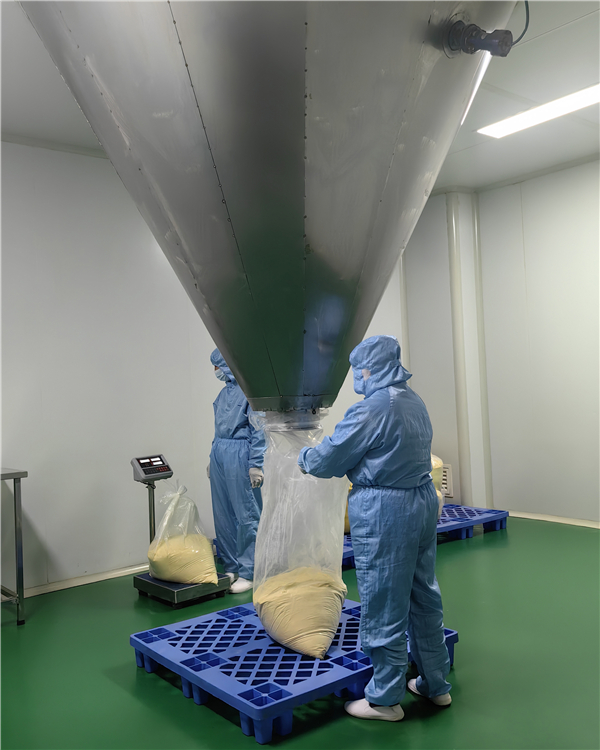
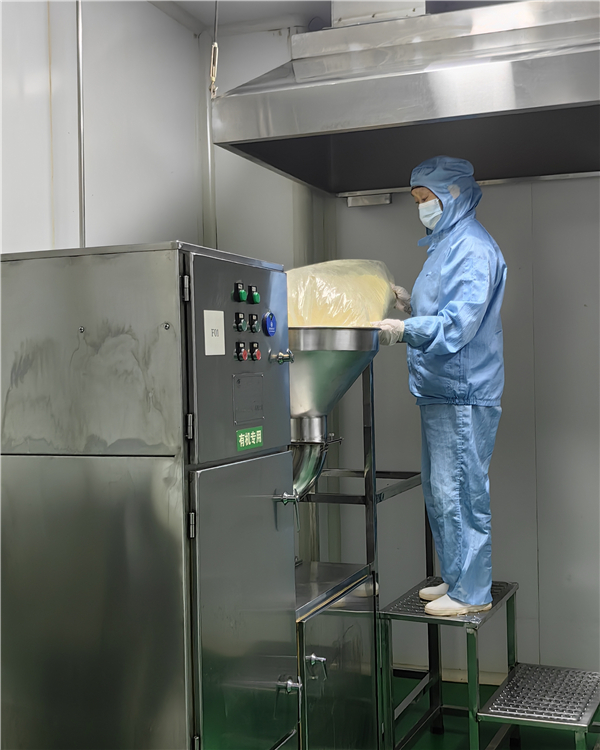
Our first factory was established in 2012 in Sanyuan City, Xi'an. Over the years, we have invested heavily in technology, training, and quality control. Today, powder collection, crushing, sieving, mixing, and drying processes are all performed in a Class 100,000 cleanroom environment.
Our operators strictly follow hygiene protocols, wearing sterile gowns, masks, and gloves to maintain product purity. This ensures we provide our customers with high-quality standards and reliable ingredients.
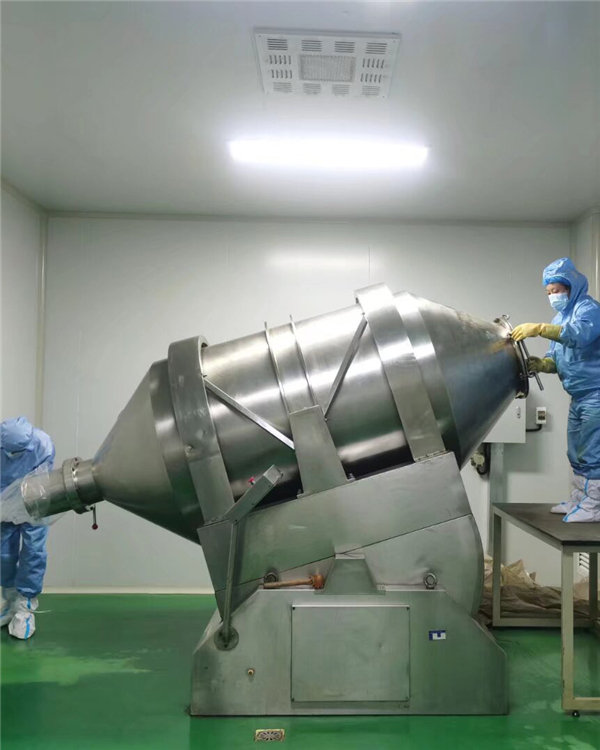
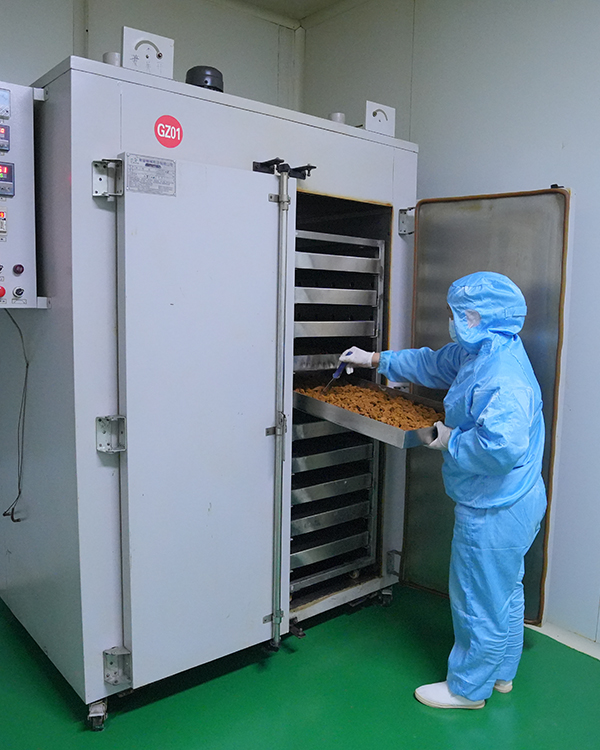
When stored in a cool, dry environment in its original unopened packaging, our oat fiber has a shelf life of 24 months. Its low moisture content and inert nature make it highly stable.
While oats are naturally gluten-free, cross-contamination is common. We offer specific batches that are tested to meet the <20ppm gluten threshold for certified "Gluten-Free" labeling.
Yes. As a primary manufacturer, we can adjust our milling process to provide fiber ranging from 30 mesh (coarse) to 200 mesh (extra fine) based on your specific application needs.
For wholesale bulk shipments, our standard MOQ starts at 25kg (one drum), but we specialize in FCL (Full Container Load) shipments for global distribution.
We source only from non-GMO oat cultivars. Each batch is accompanied by a Certificate of Analysis (COA) and a non-GMO declaration, verified by third-party testing.
Most of our bulk exports originate from the Port of Tianjin or Port of Qingdao, ensuring efficient sea freight to Europe, the Americas, and beyond.
 OEM Bulk Hops Extract Powder with Xanthohumol Manufacturers
 ODM organic chicken collagen powder Suppliers
 OEM hydrolyzed bovine hide collagen powder Manufacturers
 ODM Pure α-Ketoglutarate AKG Powder Factories
 ODM ceramides powder Factories
 ODM Withania Somnifera Extract Powder Suppliers
 Wholesale Chondroitin Sulfate Powder Bulk Supplier
 ODM 100% Pure Kojic Acid Powder Manufacturer
 Botanical