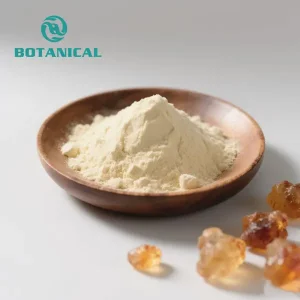
Industrial grade, certified raw materials manufactured under strict quality standards for functional food production.
Vitamin B12 (Cobalamin) is a critical water-soluble vitamin vital for neurological function, DNA synthesis, and red blood cell formation. Unlike other nutrients, B12 is synthesized exclusively by micro-organisms, meaning natural dietary sources are confined to animal products. With the exponential rise in plant-based diets, vegan lifestyles, and global initiatives addressing subclinical nutritional deficiencies, B12 food fortification has transitioned from a niche market segment to a public health priority.
Today, the global market for B12 fortified foods is experiencing unprecedented growth. Cereal flakes, alternative milks (oat, soy, almond), infant formula, protein blends, and nutritional yeasts serve as primary carriers. According to global health metrics, subclinical deficiency impacts up to 40% of populations in industrialized nations and over 70% in developing regions. Leading enterprises are seeking high-grade, bioavailable, and heat-stable Vitamin B12 raw material formulations to integrate seamlessly into complex industrial food processing lines.
"Fortifying daily foods with highly bioavailable Cobalamin forms like Methylcobalamin and Cyanocobalamin is the most viable strategy to combat wide-scale nutritional deficiency in modern plant-based consumers."
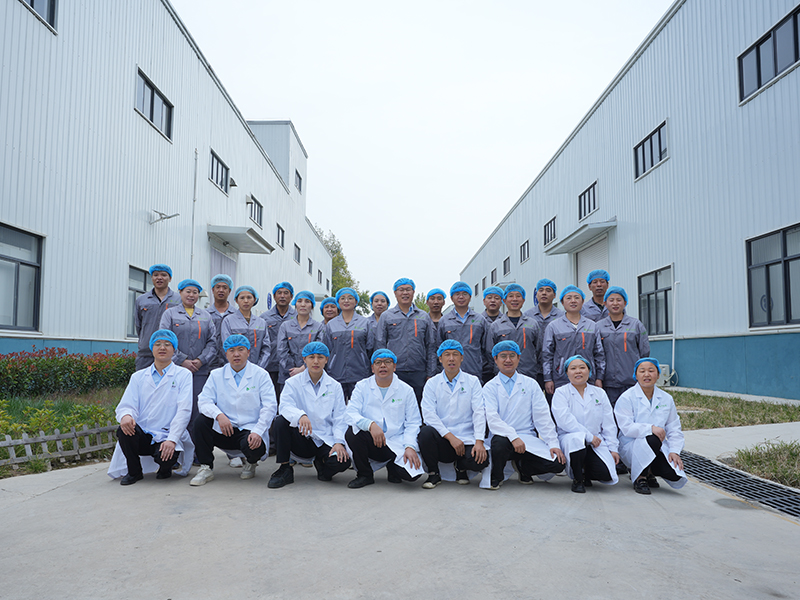
A Global Leader in Natural Ingredients and Functional Food Custom Solutions
Benefiting from the solid foundation provided by its parent company, Xi'an Tianben Bioengineering Co., Ltd., Botanical Cube Inc. focuses on researching, developing, producing and selling healthy natural ingredients. With more than two decades of industry experience, we have emerged as a premier leader in the field, specializing in providing high-quality plant extracts, vitamin premixes, and customized solutions to global customers. Our services meet the demanding needs of industries including herbal medicine, health foods, dietary supplements, food and beverages, daily chemicals, and cosmetics.
Our comprehensive operations are supported by three robust organizations - Xi'an Tianben Bioengineering Co., Ltd., Botanical Cube Inc., and Shaanxi Tianben Kangyuan Biotechnology Co., Ltd. - which together operate 3 production bases covering more than 100 acres and process more than 3,000 tons of plant raw materials and active chemical compounds each year. Our product range includes more than 200 high-purity plant extracts, and we also provide a variety of certified organic products to meet the global demand for environmentally friendly and healthy solutions. Today, we proudly export to 60% of the world's countries, serving more than 200 countries and regions and over 500 customers from all walks of life.
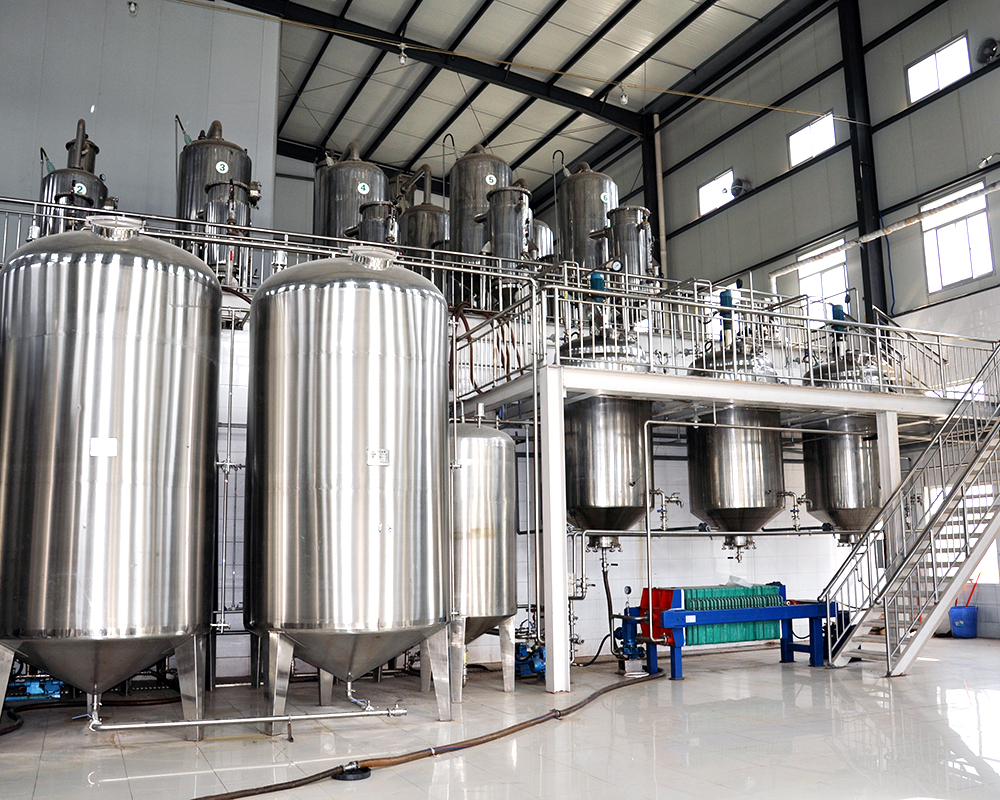
Our first factory was established in 2012 in Sanyuan City, Xi'an, four years after our company was founded. At that time, our production experience was still in its early stages, and we faced many challenges as we worked to refine our extraction and stabilization processes. However, we remained committed to continuous improvement, investing heavily in advanced technology, ongoing training, and rigorous quality control to strengthen our overall capabilities. These early efforts laid a strong foundation for our future growth, shaping the high standards of excellence that we uphold today.
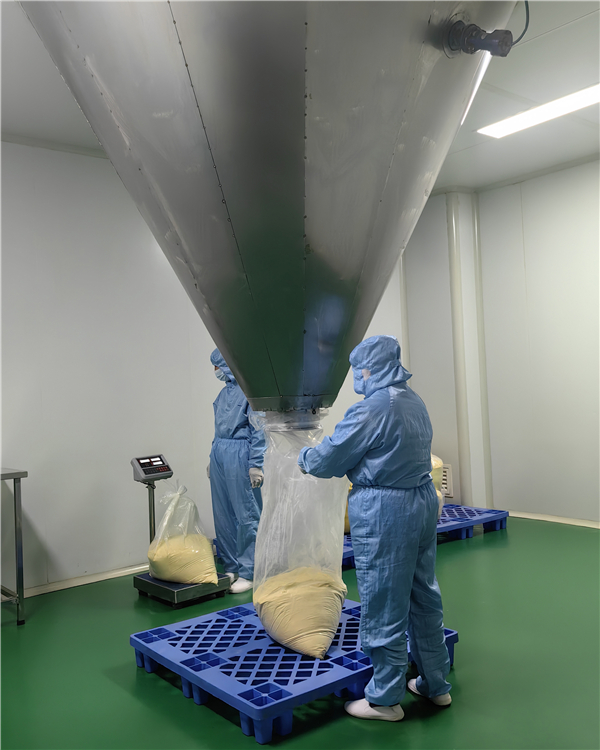
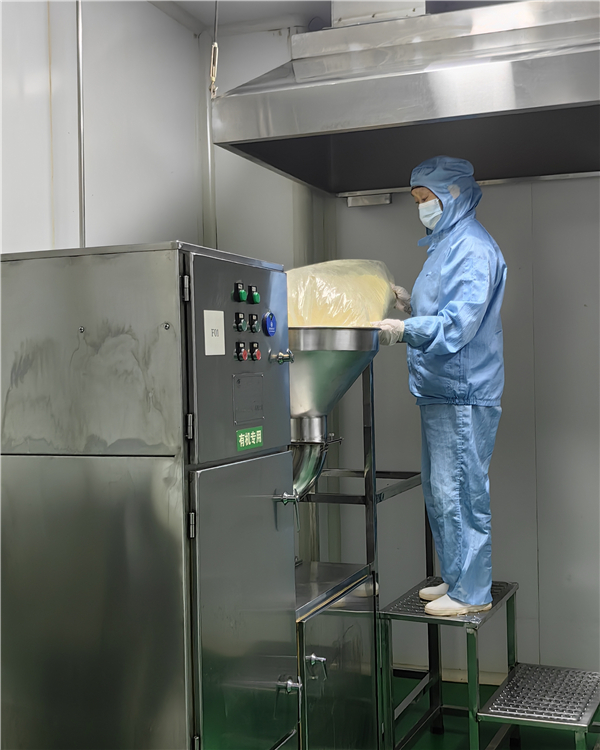
Powder collection, crushing and sieving, mixing, and drying processes are all performed in a Class 100,000 cleanroom environment. Our operators strictly follow hygiene protocols and wear sterile gowns, masks, and gloves to maintain absolute product purity and safety, thus ensuring that we provide our customers with high quality standards and reliable ingredients.
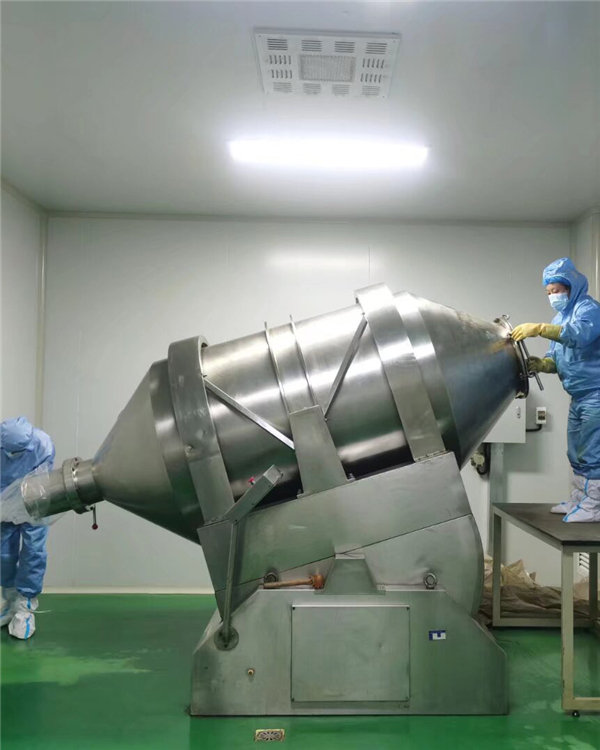
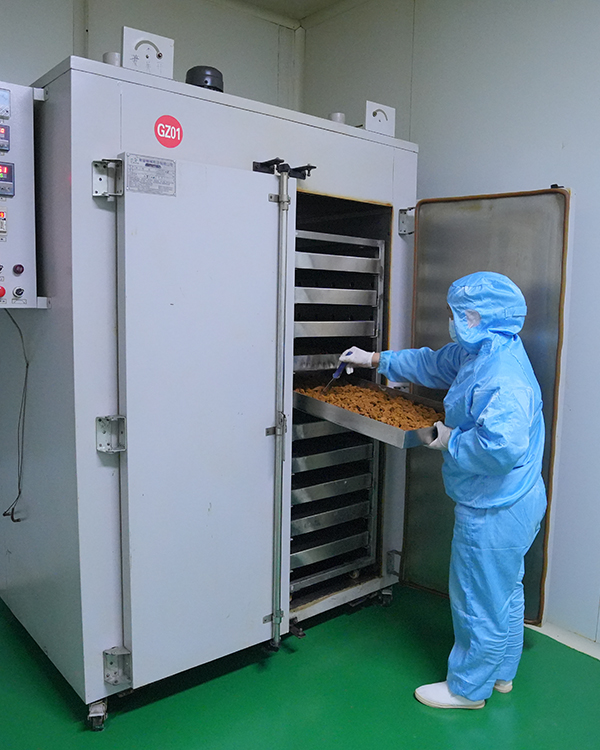
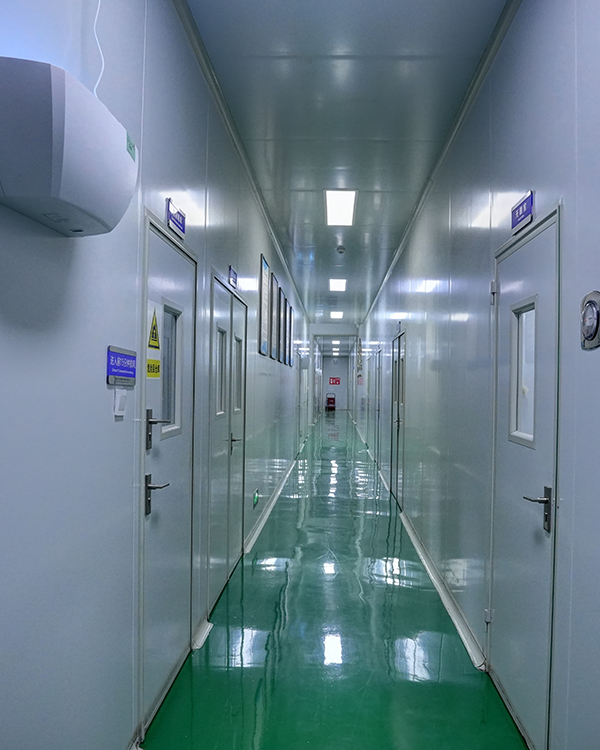
Unmatched supply chain integration, raw material scale, and efficiency advantages.
Our factory leverages local proximity to raw starting materials for microbial fermentation, reducing raw chemical and substrate logistics costs while securing massive, year-round inventory reserves.
From microencapsulated Cyanocobalamin 1% to cold-water soluble Methylcobalamin, our R&D teams adjust carrier systems (Maltodextrin, Silica, Starch) to fit specific food extrusion speeds and temperatures.
Our production pathways hold rigorous certifications including FSSC 22000, ISO 9001, Kosher, Halal, and USDA Organic designations, verifying conformity to tight global standards.
Adapting B12 compounds to various manufacturing matrices and regulatory standards.
Different functional food structures introduce distinct degradation stressors. Cobalamin is highly sensitive to light, oxygen, high temperatures, acid conditions, and reducing agents like Vitamin C. Understanding localized food matrices allows us to tailor custom stabilization pathways:
| Food Carrier Matrix | Common B12 Active Forms | Technological Stressors | Our Customized Stabilizing Solutions |
|---|---|---|---|
| Plant-Based Milk (Soy/Oat/Almond) | Cyanocobalamin, Methylcobalamin | Ultra-High Temperature (UHT) sterilization, oxidation, exposure to UV light | Microencapsulation using gum arabic or starch coat to block oxygen and UV decay. |
| Ready-to-Eat (RTE) Breakfast Cereals | Cyanocobalamin 1% Food Grade | High thermal shearing force during pressure extrusion, long-term dry shelf storage | Post-extrusion spraying techniques applied in combination with carrier lipids. |
| Nutritional Yeast & Seasoning Blends | Methylcobalamin, Cyanocobalamin | Homogenous dry mixing, humidity changes during bulk packaging | Particle micronization matching carrier grain sizes to prevent mechanical separation. |
| Energy Bars & Protein Powders | Hydroxocobalamin, Methylcobalamin | Presence of heavy minerals, acidic fruit extracts, high moisture content | Complex coacervation matrix encapsulation protecting B12 from mineral-induced reduction. |
North America: The market focus heavily centers on plant-based alternatives and allergen-free dietary supplements. Manufacturers require Non-GMO Project Verified, clean-label, vegan-friendly B12 options, with Cyanocobalamin remaining the dominant choice for FDA fortified grain mandates.
European Union: Strictly aligned with EFSA guidelines. The focus resides on traceability and natural, non-synthetic sources where possible. EU buyers seek Methylcobalamin due to its natural, active co-enzyme profile, demanding zero chemical residues and comprehensive GMO declarations.
Asia-Pacific: Dynamic market expansion driven by infant nutrition and functional energy drink formulations. Compliance with national standards like China's GB14880 and India's FSSAI is paramount, necessitating detailed documentation on compound assay values and biological safety.
The global functional food ecosystem is shifting from basic fortification to high-efficiency bio-availability. Today’s consumers are looking for "clean labels," meaning that food companies must minimize chemical additives. This creates a high demand for organic-carrier vitamin premixes, where B12 is spray-dried with organic chlorella, pea proteins, or organic maltodextrins.
Additionally, precision nutrition is on the rise. Multi-vitamin blends containing B12, Vitamin D3, and Omega-3 are increasingly formulated in single-dose, dispersible powders. The challenge for modern factories lies in preventing cross-reactions; for example, high dosages of Vitamin C and Copper can rapidly degrade Cobalamin in liquid mixtures. At Botanical Cube Inc., we use advanced molecular protection to isolate sensitive molecules, ensuring a stable 24-month shelf life without altering the food's taste, odor, or color.
When sourcing B12 ingredients on a wholesale basis, global buyers must assess multiple critical control points. It is not simply about raw unit cost; the actual total cost of ownership depends on processing losses (overages), assay consistency, and regulatory approval speed. Partnering with an experienced manufacturer like Botanical Cube Inc. ensures that batches are backed by state-of-the-art analytical testing (HPLC, ICP-MS for heavy metals) and comprehensive logistical safety measures.
A systematic checklist for international supply chain managers sourcing B12 compounds:
In-depth technical answers addressing B12 food fortification, formulation stability, and commercial logistics.
Cyanocobalamin is a synthetic, highly stable form of Vitamin B12. It features high thermal and oxidative stability, making it the preferred choice for foods undergoing intensive thermal processes like baking or extrusion. Methylcobalamin is a naturally occurring co-enzyme form, highly valued in clean-label and natural supplement markets, though it is slightly more sensitive to light and requires advanced microencapsulation to prevent degradation during storage.
Because B12 is added to foods in microgram quantities, preventing cross-contamination is absolutely vital. A Class 100,000 cleanroom (ISO 8 equivalent) controls airborne particulates, humidity, and microbial presence. This guarantees that when B12 is diluted or blended into carriers like maltodextrin, the resulting powder remains sterile, highly uniform, and free of physical or biological impurities.
We use micro-emulsion and specialized spray-drying techniques to coat the active B12 molecules with food-grade hydrophilic polymers. This keeps the vitamin fully soluble in liquid bases (like oat or soy) and prevents it from settling, separating, or reacting with fortifying minerals like calcium carbonate, ensuring maximum bioavailability upon consumption.
Our standard food-grade B12 powders exhibit a shelf life of 24 months when stored in their original sealed double-polyethylene food-grade lining inside fiber drums. It should be kept in cool, dry areas away from direct sunlight. Under these conditions, the degradation rate is minimal, meaning you don't need to over-formulate with excessive "overage" margins.
Yes. While 1% Cyanocobalamin or Methylcobalamin on a maltodextrin carrier is the industry standard, our Sanyuan and affiliated factories can customize concentrations anywhere from 0.1% up to 10%, or offer 99% pure crystalline B12 for specialized pharmaceutical or high-potency supplement applications.
We maintain centralized testing laboratories utilizing High-Performance Liquid Chromatography (HPLC), Gas Chromatography (GC), and atomic absorption spectroscopy. Each production run undergoes testing at multiple stages—from raw fermentation culture to cleanroom processing—before receiving COA (Certificate of Analysis) sign-off for global export.
Consistent, high-yield plant extracts and chemical bases matching rigorous commercial criteria.
 Botanical