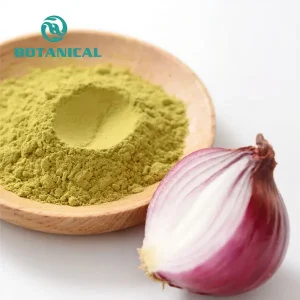
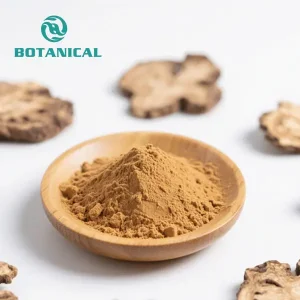
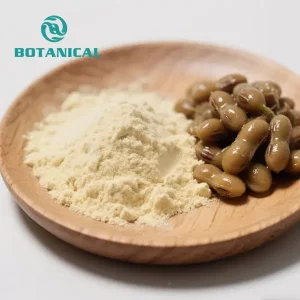
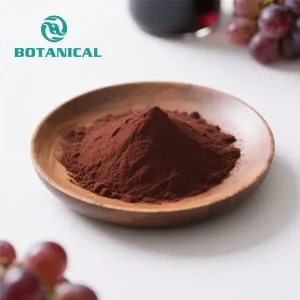
Integrate our high-purity active raw materials into your OEM gummy formulations for premium health benefits.
Why multinational supplement brands are shifting from animal-based gelatin to plant-derived pectin systems.
The global nutraceutical and dietary supplement markets are undergoing a seismic shift. Modern consumers demand clean-label, vegan, and organic certified delivery formats. This cultural shift has directly translated into a massive surge in the procurement of high-grade OEM pectin for gummies. Traditionally, animal gelatin dominated the confectionery sector due to its elastic texture and ease of manufacturing. However, the rise of vegetarianism, halal and kosher dietary requirements, and the consumer perception of plant-derived ingredients have made pectin the premier gelling agent of choice for modern health and wellness brands.
💡 Information Gain Insight: Not all pectin is created equal. Commercial gummy formulations require strict optimization of the Degree of Esterification (DE) and Degree of Amidation (DA) to ensure the physical matrix can support highly concentrated active botanical ingredients without degrading the gel structure.
For procurement directors and product developers, selecting the right pectin partner is not merely about finding a ingredient supplier. It requires identifying an integrated manufacturer capable of standardizing gel behavior under fluctuating processing environments. Variables such as pH levels, sugar content (soluble solids), ionic calcium availability, and the thermal profile during depositing must be systematically addressed. High-precision manufacturing guarantees that the final gummies maintain shape, prevent syneresis (weeping), and preserve the biological potency of added active compounds over a standard 24-month shelf life.
Driven by the expansion of the functional supplement sector (vitamin gummies, sleep aids, and beauty blends). Strict clean-label requirements demand non-GMO, organic citrus-derived pectins that exhibit rapid setting speeds to match high-volume rotary moulding machinery.
Strong emphasis on sustainable sourcing, zero chemical residues, and EFSA-compliant labeling. European brands prefer premium apple pomace pectin characterized by high molecular weight and flexible thermoreversibility, allowing gentle heating and cooling processes.
Rapidly adopting plant-based confectionery technology due to rising middle-class disposable incomes and regional preference for chewable formats. High heat tolerance is crucial in tropical regional supply chains to prevent melting without refrigerated transport.
A deep dive into High Methoxyl (HM) and Low Methoxyl (LM) systems to secure optimal texture and active ingredient stability.
High Methoxyl pectin (DE > 50%) requires a high concentration of soluble solids (typically 55% or greater) and a highly acidic environment (pH range of 2.8 to 3.5) to achieve gelation. The mechanism relies primarily on hydrogen bonding and hydrophobic interactions between methyl ester groups. This chemical reaction occurs rapidly upon cooling, creating a firm, clean-breaking texture ideal for traditional functional gummies. The key challenge lies in the tight processing window: if the temperature drops too quickly before depositing, pre-gelation occurs, leading to irregular shapes and wasted batches.
Low Methoxyl pectin (DE < 50%) forms cross-linked gel networks through ionic interactions with divalent cations, predominantly Calcium (Ca2+), commonly referred to as the "egg-box model." Because LM pectin gelation is independent of high sugar concentrations, it is the cornerstone technology for formulating low-sugar, sugar-free, and keto-friendly gummies. Formulation scientists must carefully buffer the calcium content; excessive calcium results in immediate precipitation and chalky textures, while insufficient calcium leads to incomplete gelation and structural collapse.
Integrating highly active substances—such as botanical extracts, probiotics, liposomal vitamins, and organic acids—can severely alter the ionic charge and pH of the gummy syrup. Pectin, being an anionic polysaccharide, interacts directly with charged active molecules. For instance, highly alkaline botanical powders can raise the pH, preventing HM pectin from setting. Conversely, highly acidic active ingredients can degrade pectin chains through acid hydrolysis at high temperatures.
To mitigate these risks, our technical roadmap leverages advanced buffering systems—using precise ratios of citric acid, sodium citrate, and potassium phosphate—to stabilize the pH during the critical cook-and-deposit phases. This ensures structural integrity and uniform active distribution throughout the product lifespan.
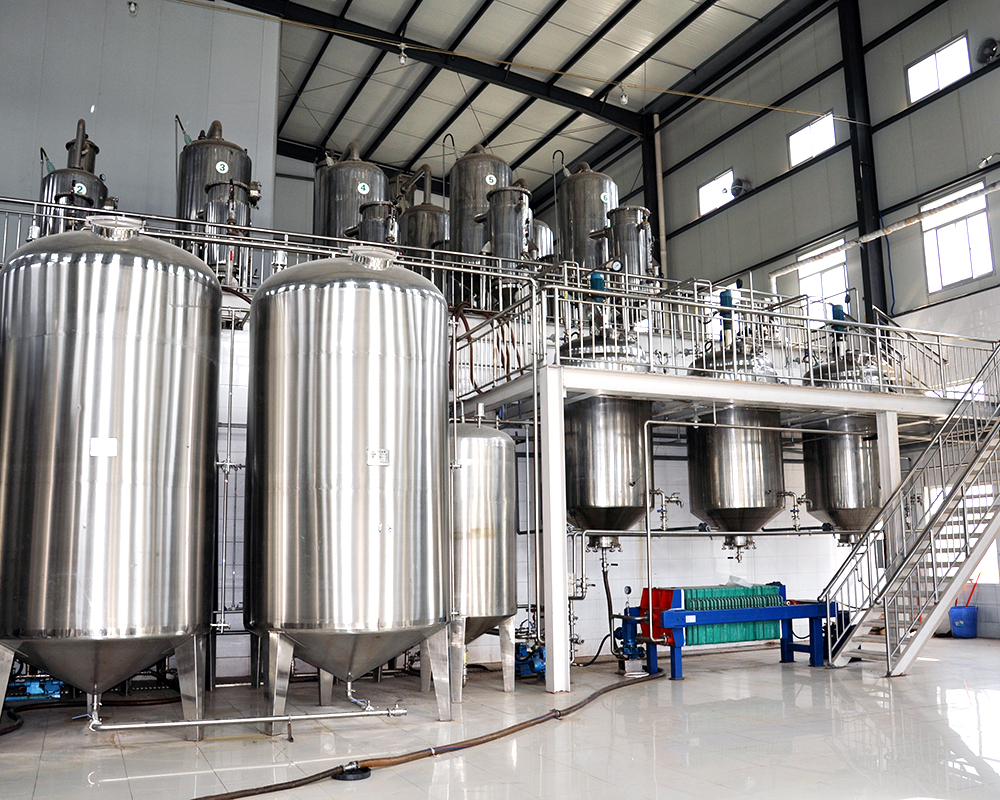
Benefiting from decades of botanical extraction expertise to deliver specialized pectin-gummy solutions.
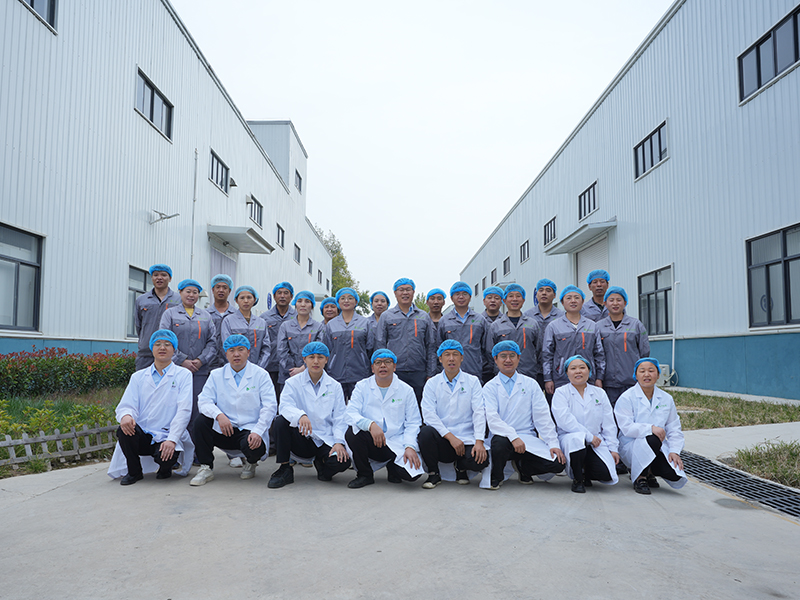
Benefiting from the solid foundation provided by its parent company, Xi'an Tianben Bioengineering Co., Ltd., Botanical Cube Inc. focuses on researching, developing, producing and selling healthy natural ingredients. With more than two decades of industry experience, it has become a leader in the field, specializing in providing high-quality plant extracts and customized solutions to global customers. Our services meet the demanding needs of industries including herbal medicine, health foods, dietary supplements, food and beverages, daily chemicals and cosmetics.
Our operations are supported by three integrated companies - Xi'an Tianben Bioengineering Co., Ltd., Botanical Cube Inc. and Shaanxi Tianben Kangyuan Biotechnology Co., Ltd. - which together operate 3 advanced production bases covering more than 100 acres and process more than 3,000 tons of plant raw materials each year.
Our product range includes more than 200 plant extracts, and we also provide a variety of certified organic products to meet the global demand for environmentally friendly and healthy solutions. Exporting to 60% of the world's countries, we serve more than 200 countries and regions and support more than 500 customers from all walks of life with raw materials and finished formulation capabilities.
Our first factory was established in 2012 in Sanyuan City, Xi'an, four years after our company was founded. At that time, our production experience was still in its early stages, and we faced many challenges as we worked to refine our processes. However, we remained committed to continuous improvement, investing heavily in technology, training, and quality control to strengthen our capabilities. These early efforts laid a strong foundation for our future growth, shaping the high standards of excellence that we uphold today.
Powder collection, crushing and sieving, mixing and drying processes are all performed in a Class 100,000 cleanroom environment. Our operators strictly follow hygiene protocols and wear sterile gowns, masks and gloves to maintain product purity and safety, thus ensuring that we provide our customers with high quality standards and reliable ingredients.
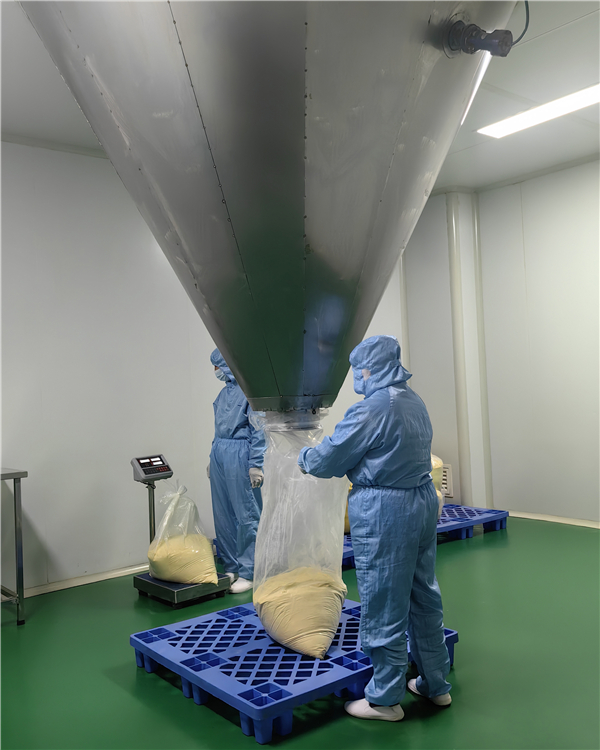
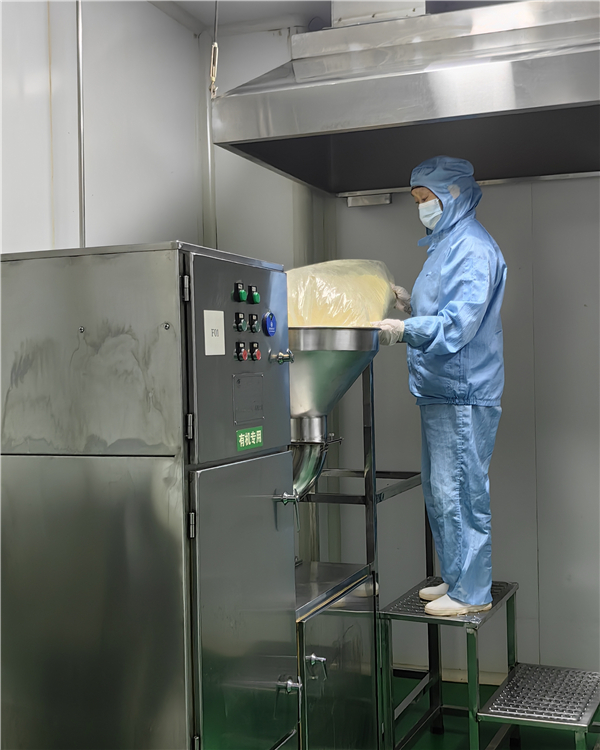
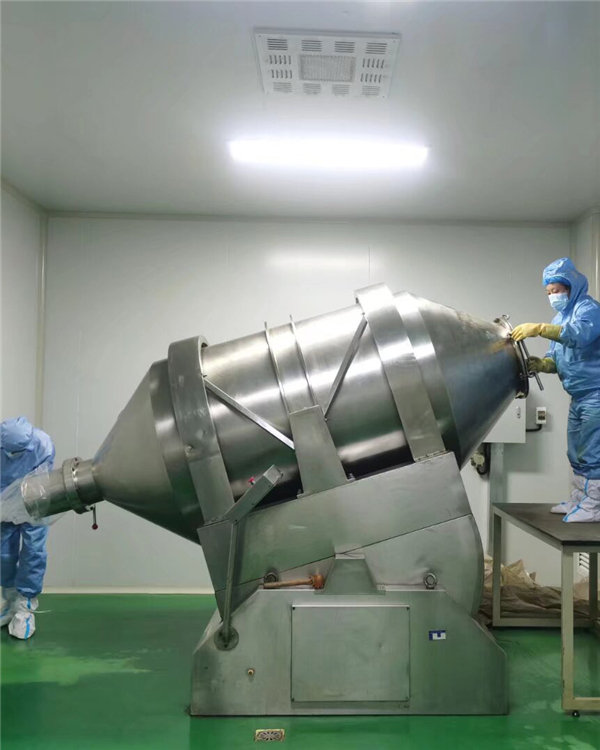
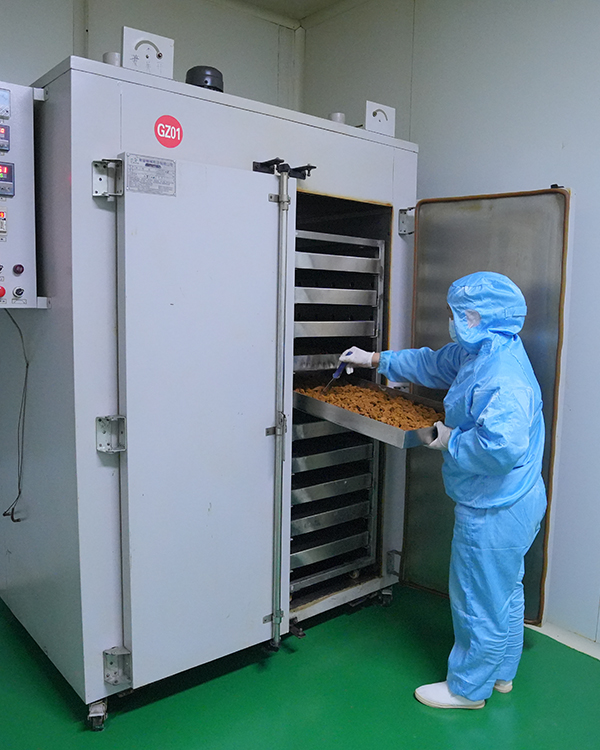

Our operational reach translates into reliable bulk manufacturing, global logistics security, and validated E-E-A-T compliance.
Pioneering tomorrow's gummy delivery systems with advanced material science and sustainable manufacturing.
One of the most persistent issues in the global supply chain is the thermal degradation of pectin gummies during transit in equatorial regions. While traditional gelatin gummies melt at approximately 35°C (95°F), specialized pectin matrices developed in our labs can withstand temperatures up to 60°C (140°F) without structural failure. This thermal durability minimizes the necessity for expensive temperature-controlled shipping and warehouse storage, significantly lowering carbon footprints and supply chain costs for our global B2B clients.
To cater to brands seeking unique chewing experiences—ranging from elastic bouncy textures to soft, melt-in-mouth profiles—our research team has designed hybrid starch-pectin systems. By blending native tapioca or pea starch with Citrus/Apple pectins, we can adjust the gelling kinetics. This hybridization allows us to reduce reliance on single-source pectin raw materials, buffering our clients against agricultural price spikes and climate-induced citrus crop shortages.
As governments globally enforce sugar taxes and consumers actively manage their glycemic indexes, the demand for low-sugar and sugar-free gummies has surged. Formulating these products using pectin requires replacing sucrose and glucose syrup with polyols (such as maltitol, erythritol, and xylitol) or soluble prebiotic fibers (like inulin or fructooligosaccharides). Our formulation protocols stabilize these sugar-free syrups, preventing crystallization and maintaining a glossy, clear appearance.
🌱 Natural Colors and Flavors: Our extraction capabilities allow us to seamlessly combine natural coloring agents (like anthocyanins, spirulina, and beta-carotene) with pectin bases. This prevents color fading from UV light exposure and oxidation, ensuring long-term aesthetic appeal on retail shelves.
Providing localized regulatory support, comprehensive testing protocols, and global compliance documentation.
Entering international markets with functional health gummies requires strict adherence to localized food safety and pharmaceutical laws. A minor compliance mismatch in labeling, heavy metal limits, or pesticide residues can lead to costly border rejections. Botanical Cube Inc. ensures absolute peace of mind through a comprehensive documentation package and strict compliance protocols:
Every batch of pectin and active botanical extract is tracked from raw material farming plots to final packaging. Our ERP systems ensure rapid recall capability and absolute transparency.
We deploy advanced High-Performance Liquid Chromatography (HPLC), Gas Chromatography-Mass Spectrometry (GC-MS), and Inductively Coupled Plasma Mass Spectrometry (ICP-MS) to test for purity, heavy metals, and active ingredient stability.
Our manufacturing facilities and ingredients comply with ISO 22000, HACCP, Halal, Kosher, and USDA Organic standards, streamlining regulatory approvals in North America, Europe, and Asia.
Furthermore, we offer customized formulation adjustment services based on regional laws. For instance, if a target market has strict limits on specific active substances or additives, our lab can modify the formulation—such as replacing specific preservatives or modifying pH regulators—without altering the organoleptic quality of the final gummy product.
Expert technical answers to critical formulation and procurement questions.
Incorporate these top-tier raw materials into your OEM lines to support skin health, metabolism, and immune wellness.
 Botanical