Providing significant industrial value gain through deep technical mastery and high-performance solutions.
Dietary fiber has transcended its traditional role as a mere structural bulking agent. Modern nutrition views fiber as a critical prebiotic scaffold, crucial for gut-brain axis communication, glycemic curve moderation, and metabolic homeostasis. This scientific realignment is reshaping global B2B procurement patterns.
For brands targeting consumer demands, utilizing an advanced ODM Food Fiber Ingredient Supplier is a strategic necessity to secure clean-label status while optimizing organoleptic profiles.
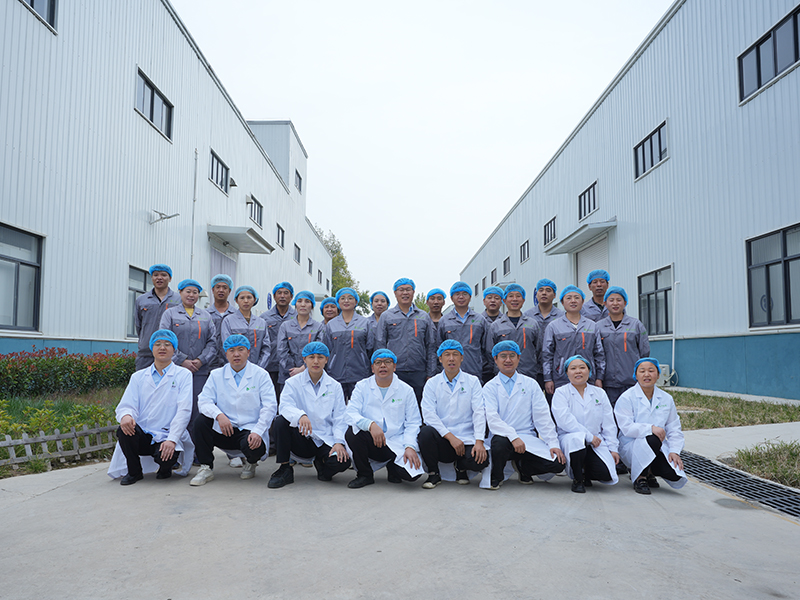
Established in 2012 under our parent company Xi'an Tianben Bioengineering Co., Ltd., our production plant in Sanyuan represents a key processing asset. We have evolved past early-stage manufacturing challenges to deploy a highly integrated technological pipeline.
Our operations feature a Class 100,000 Clean Room system, ensuring processing conditions meet strict safety profiles for premium biological powders.
Our operation is built on the combined power of three entities: Xi'an Tianben Bioengineering Co., Ltd., Botanical Cube Inc., and Shaanxi Tianben Kangyuan Biotechnology Co., Ltd. Together, we operate three extraction bases covering over 100 acres and processing more than 3,000 tons of plant biomass annually.
This allows us to maintain stable, large-scale supply chains, serving clients across more than 200 countries and regions.
Statistical proof of our processing capabilities and international distribution reach.
In North America and Europe, clean label requirements demand natural, non-GMO, and minimally processed ingredients. Buyers seek soluble dietary fibers that don't alter the texture, taste, or visual clarity of functional beverages and dairy alternatives.
Formulating with fibers requires addressing challenges like viscosity, thermal stability during HTST processing, and prebiotic selectivity. Through specialized ODM partnerships, companies can customize raw material properties, such as particle size distribution and hydration rate, to match their manufacturing lines.
Modern regulatory environments require complete auditability from farm to factory. Our integration under Xi'an Tianben Bioengineering ensures full tracking of raw materials, meeting ESG goals and clean sourcing standards.
Founded in 2012 in Sanyuan County, Shaanxi, our first dedicated facility represents a key step in our growth. In the early stages, our operations focused on refining extraction runs and establishing robust process validations.
Through continuous investment in technology, plant training, and strict quality control systems, we have scaled our production capacity while maintaining high purity standards across all batches.
Initial extraction research and development programs launched under Xi'an Tianben Bioengineering.
Commissioned our first automated extraction line to standardize mass-market volumes.
Installed the Class 100,000 cleanroom system to process sensitive nutraceutical and dietary powder lines.
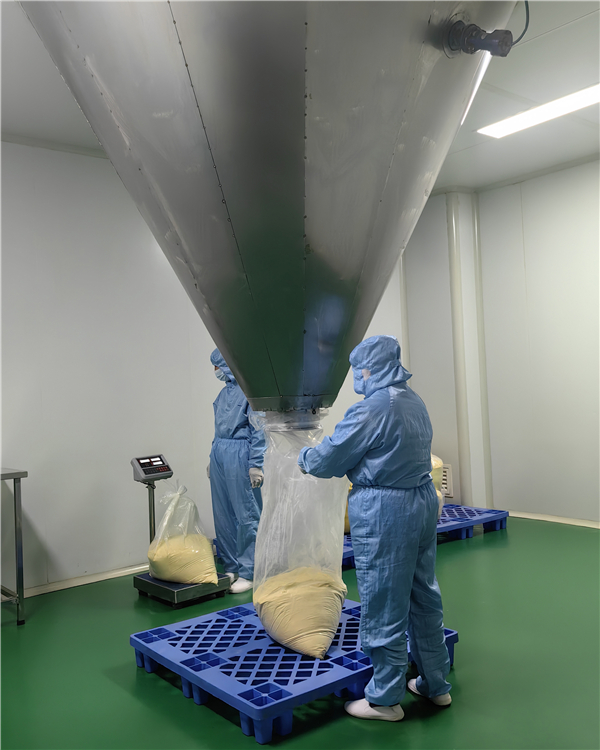
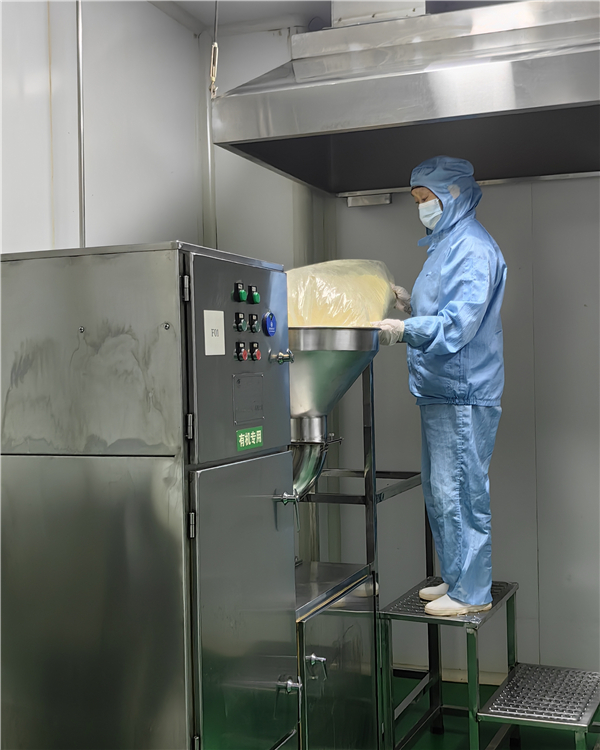
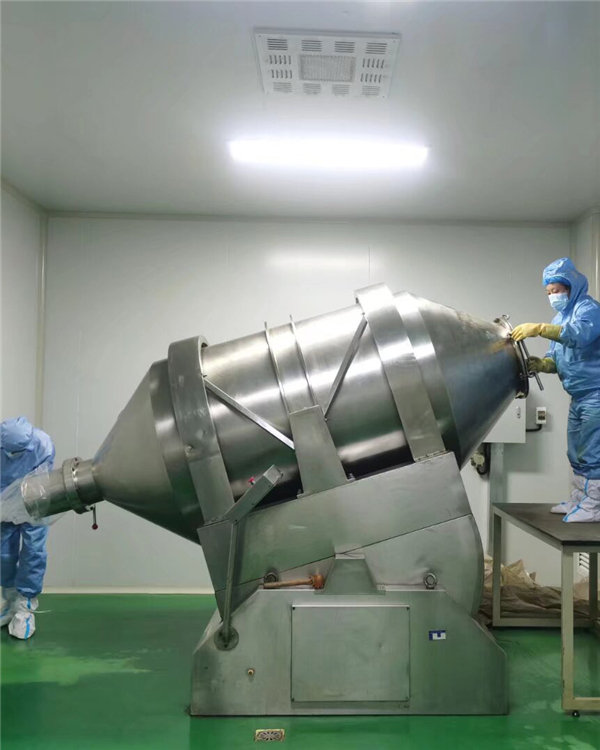
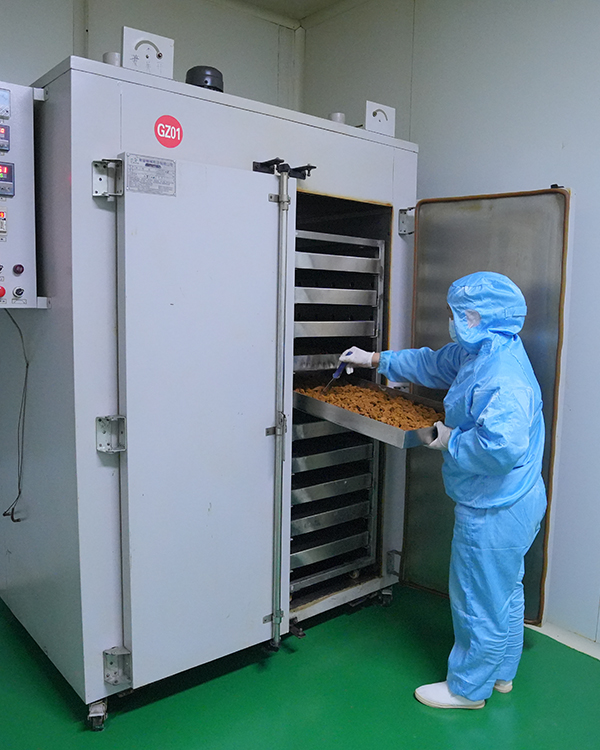
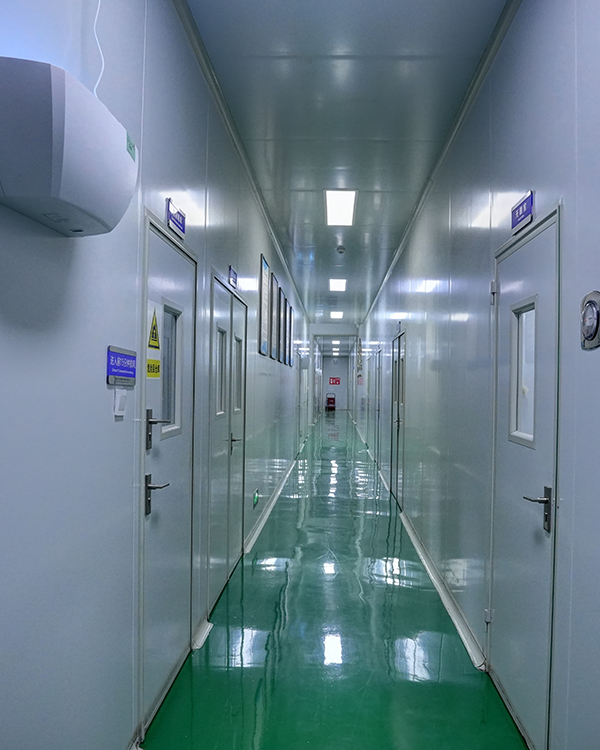
How we control variables to protect compound stability and limit contaminants.
Processing dietary fiber requires consistent particle sizing to ensure steady dissolution rates. Raw plant material is ground and sieved using dynamic micro-mesh screeners in a positive-pressure, HEPA-filtered cleanroom. This prevents cross-contamination and maintains uniform batch sizes.
To avoid ingredient separation in final formulations, our industrial mixers homogenize active fiber carriers with target nutritional blends. Operating parameters like shear force, temperature, and relative humidity are tracked continuously, meeting strict safety protocols.
We use spray drying and low-temperature vacuum systems to process heat-sensitive ingredients. These techniques maintain bio-activity and preserve prebiotic structures while keeping moisture levels below strict thresholds to limit microbial growth.
Tailored processing systems designed for key food and health product categories.
Adding fiber to beverages often introduces problems with sedimentation and cloudiness. Our ODM solutions offer high-solubility, low-viscosity dietary fibers that remain stable under thermal processing. This supports clear formulation profiles in low-pH drinks, RTD teas, and functional sports beverages.
In baked goods, fiber is used to optimize crumb structure, control moisture levels, and extend shelf life. We provide custom insoluble and soluble fiber blends that improve dough handling and water retention, helping manufacturers create clean-label, high-fiber, and sugar-reduced products.
For tablets, capsules, and powder blends, our dietary fibers serve as clean-label carriers and binders. These ingredients provide consistent flowability, low hygroscopicity, and good compatibility with active herbal extracts and vitamins.
Our commitment to research and development in dietary fiber and plant extraction technologies.
Developing enzyme-assisted extraction techniques to target specific degrees of polymerization (DP), helping to optimize prebiotic activity and gut fermentation rates.
Creating integrated systems that combine probiotics with targeted fiber carriers. This approach improves probiotic survival through processing and transit.
Using micro-encapsulation technologies to control where fibers dissolve in the digestive tract, directing prebiotic action to the lower colon.
Expanding our raw material sourcing to extract functional dietary fibers from agricultural upcycling, supporting circular economy initiatives.
Meeting regional standards to support smooth global distribution.
Navigating regulatory systems requires detailed documentation. We provide full support for FDA GRAS notices, EFSA Novel Food evaluations, and China's National Health Commission registrations, ensuring compliance across different markets.
Our processing facilities maintain updated international certifications, including ISO 22000, HACCP, Kosher, Halal, and USDA Organic certifications, verifying compliance with clean-label requirements.
With exports reaching over 60% of our business volume, we manage international customs documentation, phytosanitary requirements, and import declarations to prevent delivery delays.
Addressing key industrial, technical, and regulatory questions from procurement managers.
 Botanical