Explore our top-tier, clinically-tested functional botanical formulations engineered for international distribution.
In the wake of the clean-label food movement and the rapid growth of plant-based nutrition, Pea Hull Fiber (extracted from the outer shells of Pisum sativum) has emerged as one of the most commercially viable dietary fibers globally. Originally processed as a secondary agricultural milling fraction, high-purity pea hull fiber is now highly sought after for its superb water-binding capabilities, natural hypoallergenic properties, and complete absence of genetically modified organisms (non-GMO status).
Industrial food processors and dietary supplement brands are actively replacing synthetic texturizers with natural pea hull fiber to satisfy stringent clean-label regulations in North America, Western Europe, and Asia-Pacific. As a highly functional, insoluble-dominant dietary fiber system, it contributes minimal calories while vastly enhancing structural integrity, mouthfeel, and shelf stability across a broad spectrum of finished goods.
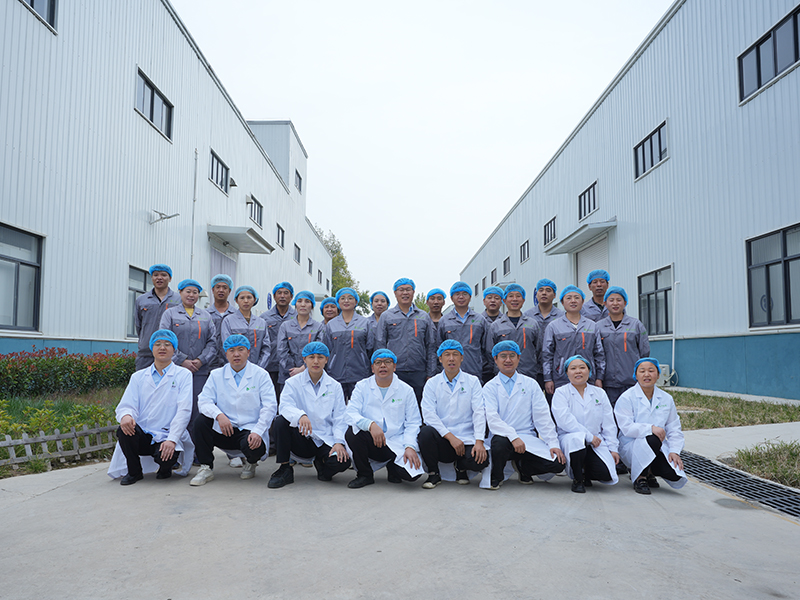
Benefiting from the solid foundation provided by our parent company, Xi'an Tianben Bioengineering Co., Ltd., Botanical Cube Inc. focuses on researching, developing, producing, and selling healthy natural ingredients.
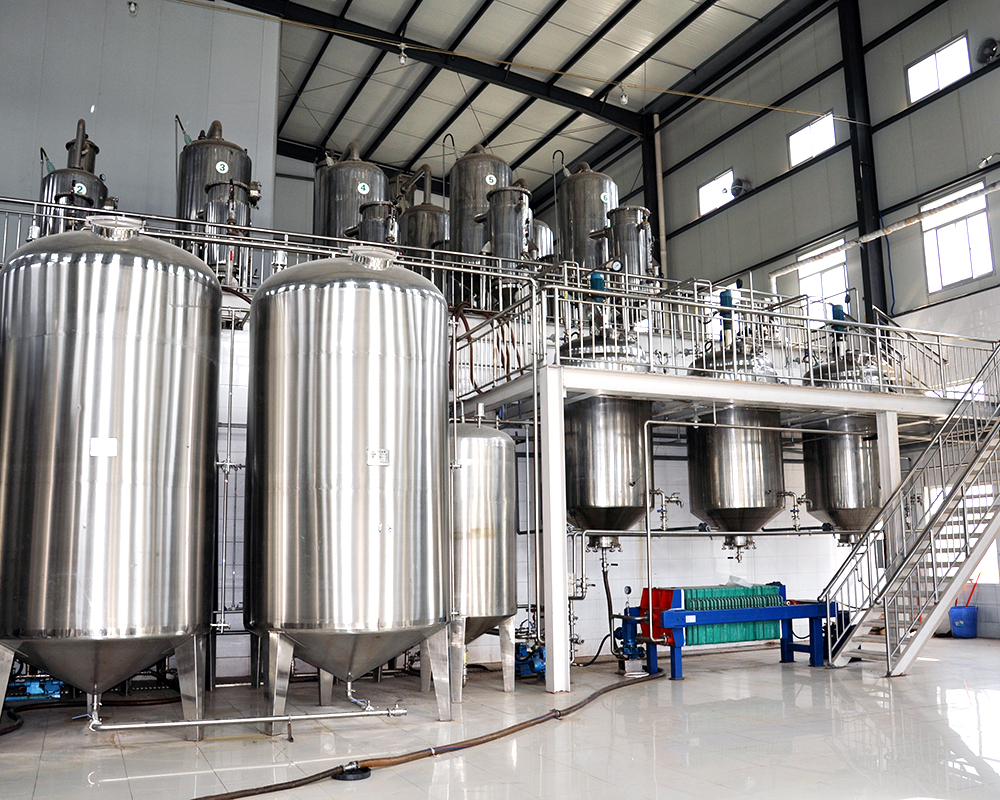
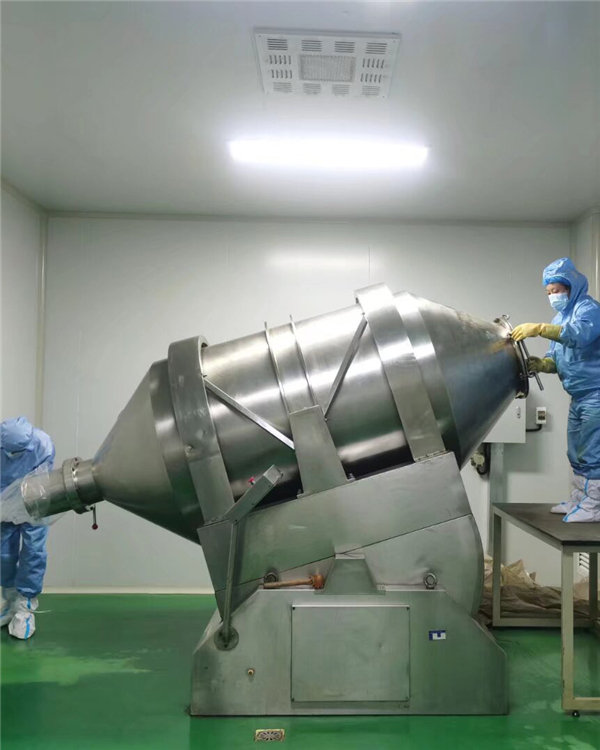
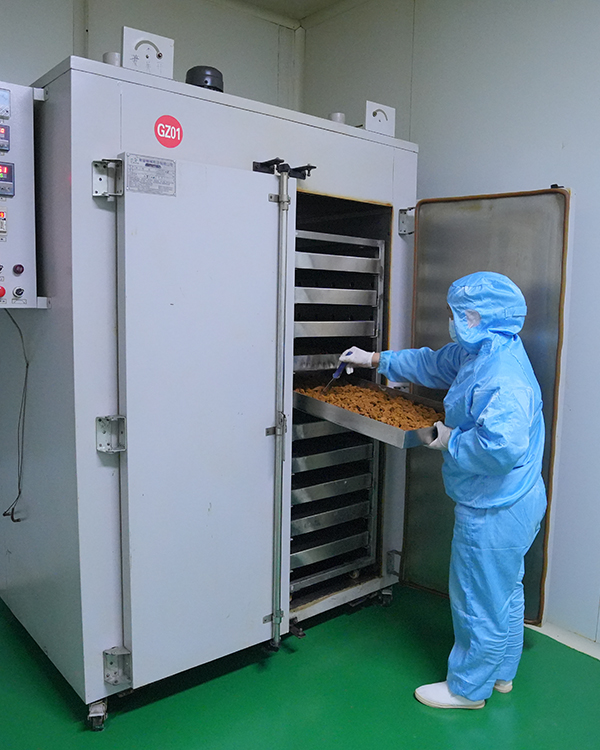
Established in 2012 in Sanyuan, Xi'an, our first factory was built with long-term technological excellence in mind. Over the last decade, we have refined our raw material milling, fiber extraction, and dry air-classification systems. Our state-of-the-art facility integrates advanced mechanical separation protocols to manufacture pea hull fiber with superior water-binding capacity without resorting to chemical modifications.
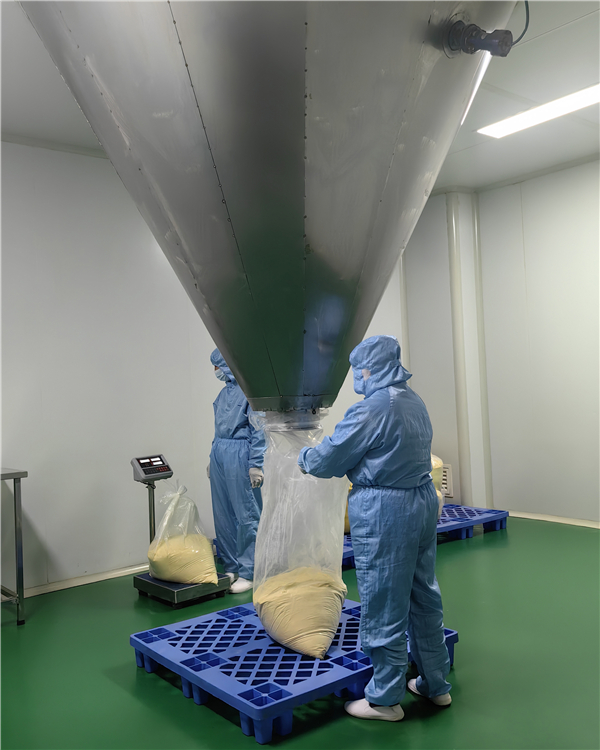
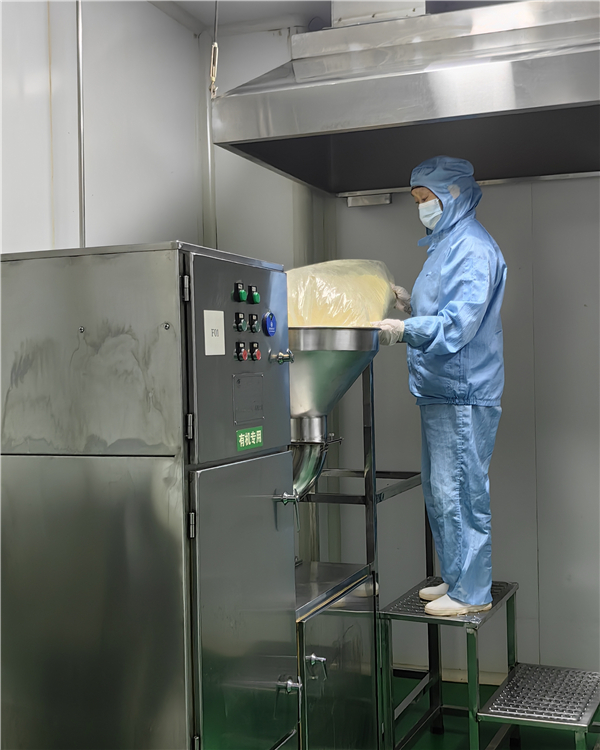
Our core processes—including powder collection, precision crushing, micro-sieving, dry blending, and thermodynamic sterilization—are performed strictly inside a Class 100,000 Cleanroom Environment. Technicians adhere to rigorous sanitization protocols, utilizing sterile protective apparel to prevent cross-contamination, ensuring full compliance with GFSI and international safety protocols.

Analyzing the macro-shifts in raw material processing, sustainability directives, and structural engineering of pea fiber molecules.
Modern consumers demand seamless textures. By utilizing ultra-fine dry milling and wet micro-fibrillation technologies, we optimize the particle size distribution of pea hull fiber (ranging from 50 to 200 mesh) to achieve smooth, non-gritty textures in plant milk, high-viscosity dressings, and smooth dairy substitutes.
Pea hull fiber sits at the heart of circular agricultural production. As companies align with ESG metrics and global zero-waste declarations, sourcing pea hulls from starch-extraction streams reduces water footprint and chemical waste, making it the premier carbon-neutral fiber source for ethical enterprises.
Unlike wheat fiber or soy fiber, pea hull fiber is completely gluten-free, soy-free, and hypoallergenic. This positions it as the optimal structural binder for mainstream clean-label formulations seeking to avoid allergen declarations on their retail packaging.
Bridging functional food chemistry with targeted commercial applications to improve yield, control moisture, and clean up labels.
In gluten-free bread, muffins, and cookies, pea hull fiber replicates the elastic, moisture-retentive properties of gluten. By creating a physical capillary matrix, it prevents moisture migration, significantly prolonging crumb softness, reducing staling, and improving dietary fiber content on the Nutritional Facts panel.
During cooking, moisture loss leads to shrunken patties and dry sausage textures. Pea hull fiber acts as a natural water-binding agent (holding up to 8 times its weight in water) and fat mimetic. It stabilizes emulsified meat systems and creates a juicy, satisfying chew in plant-based burger patties.
Premium dry kibble and wet canned formulations benefit from pea hull fiber's low glycemic index and non-digestible polysaccharides. It acts as an effective dietary bulking agent that promotes optimal gastrointestinal motility and stool consistency in dogs, cats, and agricultural livestock.
Answers to complex formulator questions regarding quality metrics, molecular behavior, and global logistics.
Pea hull fiber is derived exclusively from the outer shell (testa) of the pea and consists primarily of insoluble hemicellulose, cellulose, and pectin. It is optimized for water absorption (up to 1:8 ratio) and mechanical texturizing. Pea inner fiber (or cotyledon fiber) is derived from the internal cells of the pea seed and contains a higher ratio of soluble fibers and residual starches, making it better suited for emulsification than heavy structuring.
No. Our pea hull fiber is sourced from strictly non-GMO yellow peas (Pisum sativum). Peas are not listed as major allergens under EU, FDA, or APAC food labeling regulations, allowing manufacturers to clean up their product labels by replacing soy or wheat-derived ingredients.
Our standard packaging consists of multi-wall, heat-sealed kraft paper bags (typically 20kg or 25kg net weight) or bulk super-sacks. Under dry, cool warehouse conditions (relative humidity below 60%, temperature under 25°C), our pea hull fiber has a verified shelf-life of 24 months from the date of manufacture.
Due to its chemical structure—primarily comprising high-molecular-weight structural cellulose and hemicellulose—our pea hull fiber is highly heat-stable. It retains its physical water-holding properties under high-shear, high-temperature extrusion processes, making it ideal for plant-based meat analogues and pet kibble production.
Our extended catalog of scientifically-backed natural ingredients, processed to meet rigorous international standards.
 Botanical