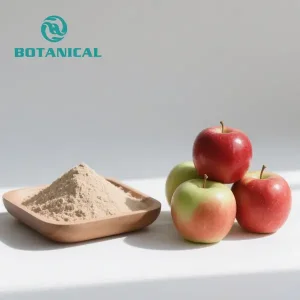
Discover our premium range of bioactive formulations, botanical extracts, and dietary fiber solutions engineered for clean label applications.
The global consumer landscape is undergoing a massive transformation. No longer satisfied with simple ingredient omissions, modern consumers scrutinize back-of-pack labels for chemical additives, synthetic binders, and overly processed carriers. This has propelled clean label fiber from a niche dietary additive into a critical functional driver for food, beverage, and nutraceutical brands.
A clean label designation demands that fibers are derived from natural sources, processed using solvent-free physical methods, and possess high functional utility (such as water binding, texture enhancement, or stabilization) without chemical modification. As a primary clean label fiber supplier, Botanical Cube Inc., alongside its parent firm Xi'an Tianben Bioengineering Co., Ltd., offers high-purity natural solutions designed to replace synthetic hydrocolloids while providing significant prebiotic benefits.
The rise of semantic search queries like "organic apple pectin bulk," "non-GMO oat fiber manufacturer," and "natural prebiotic fiber supplier" indicates that formulation specialists are actively seeking raw material partners who can guarantee clean extraction processes, complete transparency, and robust functional performance.
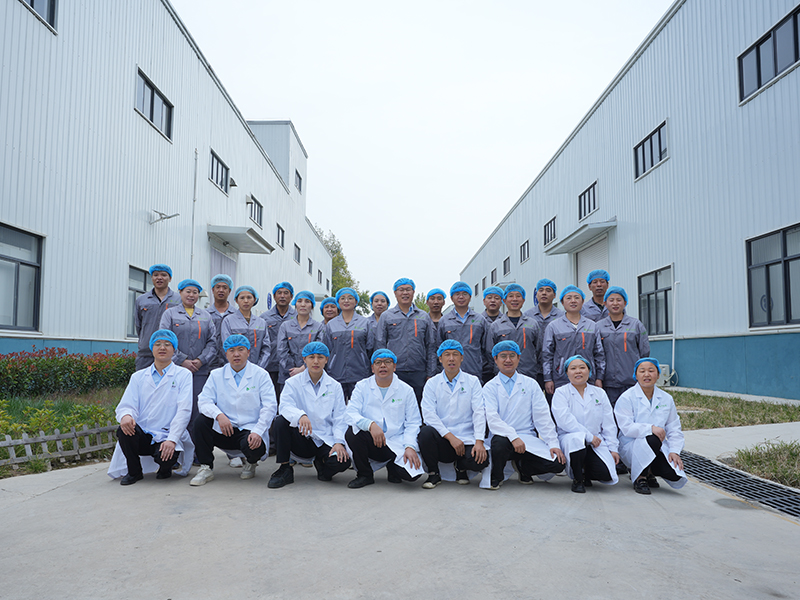
Exploring the key factors pushing global procurement teams toward clean label alternatives.
Global food manufacturers require scalable ingredient streams. Replacing chemical emulsifiers requires advanced plant fibers (such as pectin and oat fiber) that deliver the same mouthfeel, shelf-stability, and water-retention properties without sacrificing label integrity.
Stringent compliance guidelines have phased out several modified starches. Botanical Cube's processing lines ensure that all plant fibers meet strict criteria for minimal processing, solvent absence, and organic traceability, aligning with USDA and EFSA requirements.
Whether texturing plant-based yogurt in North America or modifying the fiber content of premium bakeries in Europe, clean label fibers must adapt to regional water profiles, pH levels, and diverse industrial baking processes.
How our advanced manufacturing plants support secure, high-yield global clean label fiber distribution.
With more than two decades of biotechnology innovation, Botanical Cube Inc., along with Shaanxi Tianben Kangyuan Biotechnology Co., Ltd., operates 3 modern production bases covering over 100 acres. By processing more than 3,000 tons of plant raw materials annually, our facility integrates high-capacity output with adaptive automation to mitigate global supply risks.
Our smart logistics platform optimizes the sourcing of botanical raw materials, reducing lead times for global partners. By implementing real-time process monitoring, Botanical Cube ensures that each batch of fiber displays consistent viscosity, water-binding capacity, and purity. This structural reliability is key to managing ingredient volatility for brands worldwide.
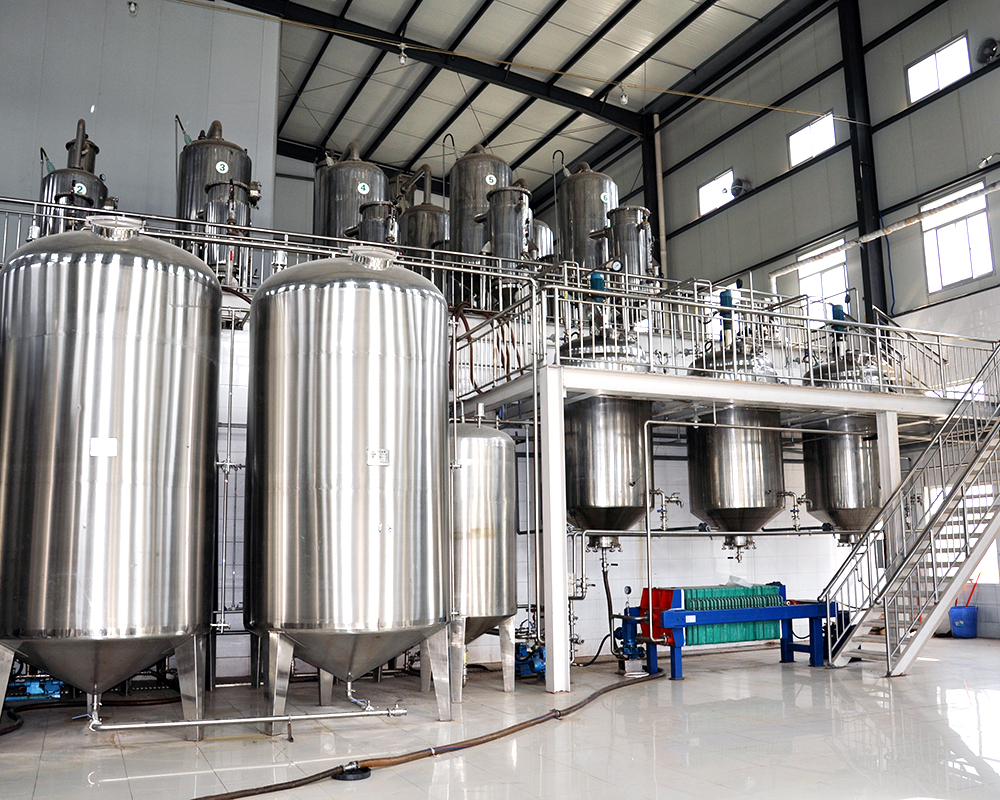
Established in 2012 in Sanyuan, Shaanxi, our primary extraction plant was designed with scalability in mind. Recognizing the complexities of botanical raw materials, we committed to continuous technology investments, advanced training protocols, and rigorous QC procedures. This early focus laid the foundation for the precision extraction methods we use today.
By utilizing physical extraction processes—excluding harsh solvents like hexane or chlorinated hydrocarbons—our facility preserves the natural fiber structures. The result is a clean label ingredient that functions perfectly in various formulations while complying with global organic standards.
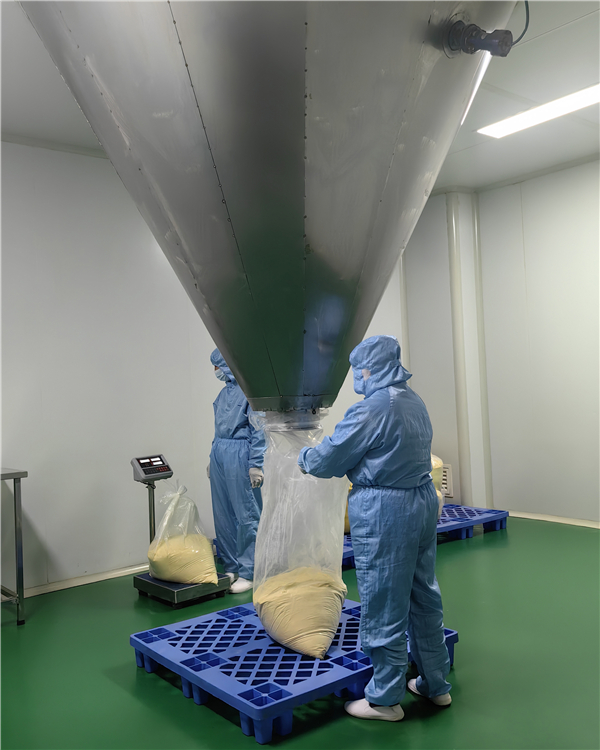
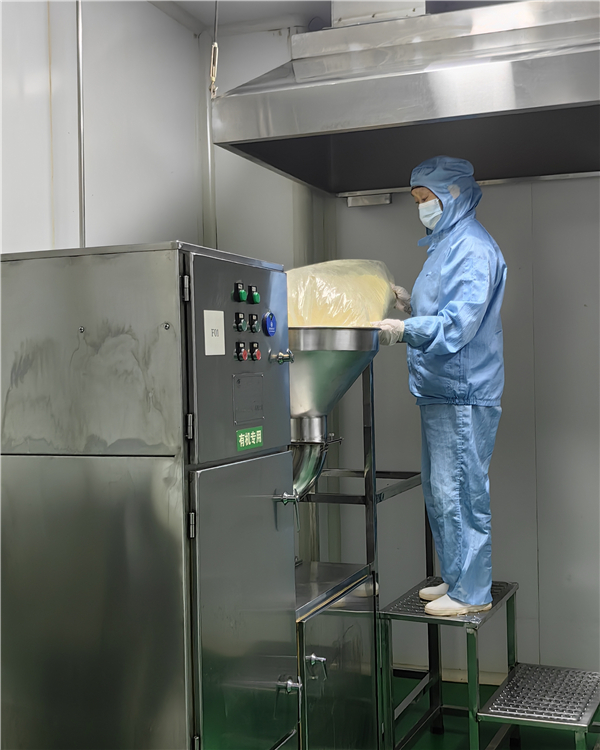
Contamination control is critical in producing clean label fibers. At Botanical Cube, powder collection, crushing, sieving, blending, and drying processes are conducted entirely within our Class 100,000 cleanroom. Operators follow strict hygiene protocols, including sterile gowns, masks, and gloves, to safeguard product purity and safety.
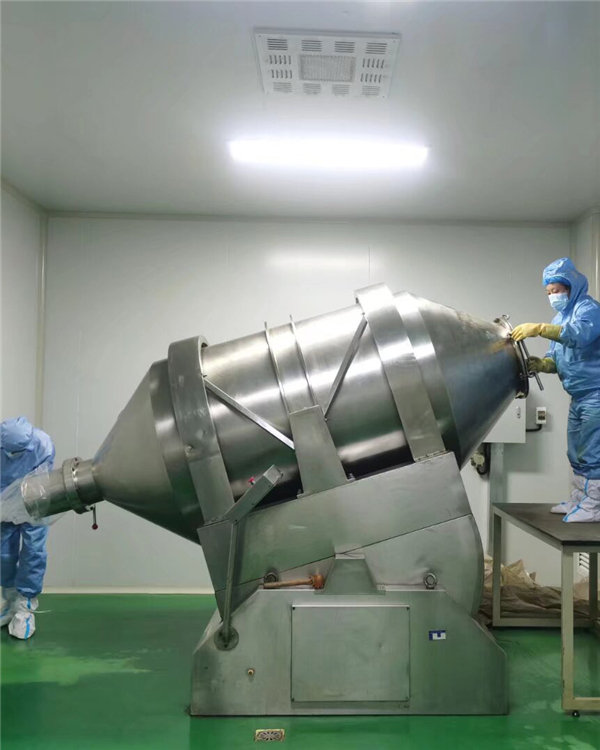
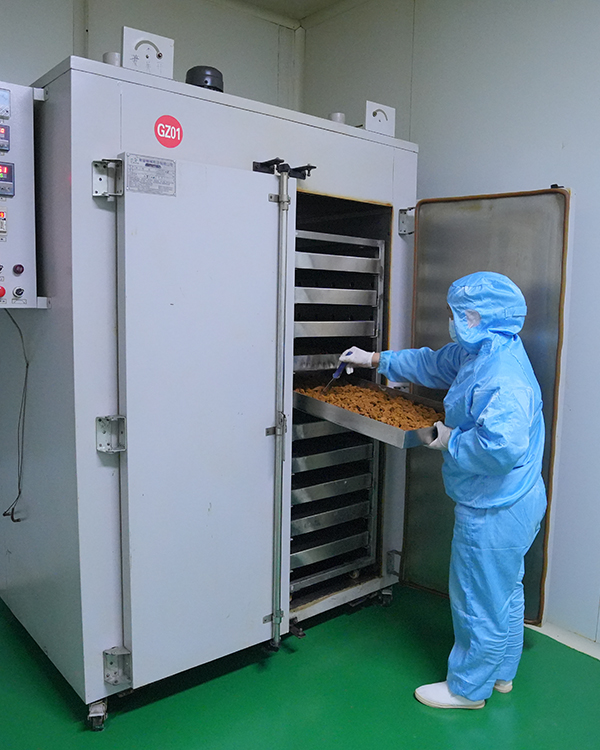

How R&D teams use natural fibers to resolve common texture, stability, and nutritional challenges.
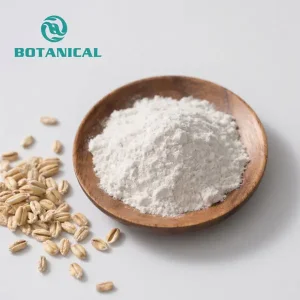
Replacing gluten or fat in bakery items often compromises crumb structure. Clean label fibers, such as oat and apple pectin, bind water effectively to retain moisture, extend shelf-life, and improve texture in gluten-free products.
Providing a satisfying mouthfeel in low-sugar beverages can be challenging. Soluble clean label fibers add natural body, prevent sedimentation of key extracts (such as super greens), and increase dietary fiber content.
Clean label fibers act as excellent natural binders for tablets or flow-agents in capsules. This helps manufacturers eliminate synthetic additives like silicon dioxide or magnesium stearate.
An objective, technical analysis comparing clean label plant fibers with traditional texturizers.
| Functional Parameter | Clean Label Plant Fiber (e.g., Apple Pectin / Oat Fiber) | Synthetic / Chemical Additives (e.g., Methylcellulose, CMC) | Formulation Advantage |
|---|---|---|---|
| Label Declaration | Natural Fruit/Grain Fiber (Friendly Consumer Perception) | E-numbers, Carboxymethyl Cellulose (High Consumer Resistance) | Increases consumer trust and supports premium positioning. |
| Extraction Chemistry | Water/Physical extraction, Solvent-free process | Chemical synthesis, etherification, acid-treatments | Reduces heavy chemical residues, meeting organic standards. |
| Water Binding Capacity | High (up to 10-15x dry weight) | Very High (Variable gelation properties) | Matches synthetic performance using physical mechanics. |
| Prebiotic Content | Highly active (promotes beneficial gut bacteria) | Zero nutrition (inert carrier) | Allows for dual functional claims (Texture + Gut Health). |
| Thermal Stability | Excellent across baking temperatures | Excellent, but prone to syneresis | Maintains consistent quality during heat processing. |
Answers to key technical questions from procurement directors and R&D scientists.
A clean label fiber is derived from natural, non-GMO food sources (like fruits, grains, or vegetables) and processed through physical methods (such as washing, milling, and drying) without chemical modifications. It should be listed as a recognizable food ingredient on the package rather than a chemical additive or E-number.
We perform powder collection, milling, and blending in our dedicated Class 100,000 cleanroom. This controlled environment prevents external contamination. Additionally, every batch undergoes strict third-party testing for heavy metals, pesticide residues, and microbial activity to ensure global compliance.
Yes. By combining soluble fibers like apple pectin with insoluble plant fibers, manufacturers can replicate the gelling and emulsification qualities of methylcellulose. This combination matches the hot-bite and juice-retention properties of traditional binders.
Typically, our clean label fibers offer a shelf life of 24 months when stored in original sealed packaging in a cool, dry place. Because natural fibers are highly hygroscopic, protective food-grade barrier packaging is essential to prevent clumping during transport and storage.
Across our three manufacturing sites, we maintain an annual processing capacity of over 3,000 tons. We secure raw agricultural materials through long-term farming partnerships, shielding our clients from seasonal price fluctuations and ingredient shortages.
Explore our wider range of high-quality extracts, superfoods, and active powders to enhance your clean label formulations.
 Botanical