Magnesium is a key biological mineral that participates in over 300 metabolic pathways in the human body, such as cellular energy creation, DNA maintenance, muscle function, and nervous system signaling. As the global wellness industry shifts towards high-performance ingredients, inorganic magnesium forms (like magnesium oxide or sulfate) are being phased out. Their low absorption rates and common digestive side effects have driven this change.
Chelated magnesium represents a major leap in bioavailability. By chemically bonding magnesium ions with organic ligands—such as amino acids or organic acids (e.g., malic acid, glycine, taurine, or threonic acid)—manufacturers shield the mineral from reacting with other dietary elements in the stomach. This structure keeps the magnesium stable as it passes through the stomach and enters the small intestine, where it is absorbed efficiently via amino acid pathways.
According to current market intelligence, the global demand for premium magnesium chelates is projected to grow at a CAGR of 8.2% through 2030, driven by the sports nutrition, cognitive wellness, and clinical supplementation sectors.
Understanding the chemical and structural markers that separate high-purity molecular chelates from cheap physical mixtures.
A true chelate features a ring-like heterocyclic structure where the magnesium ion is held by coordinate covalent bonds with the alpha-amino and carboxyl groups of the ligand. This shields the magnesium ion, preventing it from binding with phytates or phosphates in the gastrointestinal tract, which would otherwise form insoluble precipitates.
Standard magnesium oxide relies on passive diffusion, which has an absorption rate of only 4%. In contrast, fully reacted amino acid chelates utilize active peptide transport pathways (such as PEPT1) in the small intestine. This bypasses competitive ion pathways, resulting in significantly higher mucosal absorption and plasma concentration levels.
Sophisticated buyers require Fourier-Transform Infrared Spectroscopy (FTIR) and X-ray Diffraction (XRD) fingerprinting. FTIR validation detects changes in the carbonyl stretching frequency, confirming a true covalent-ionic bond between the metal and ligand, rather than a simple dry-blend of magnesium oxide and amino acids.
| Magnesium Form | Absorption Rate | Primary Biological Pathway | Primary Industrial Application | Digestive Tolerance |
|---|---|---|---|---|
| Magnesium Malate | Very High | Kreb's Cycle Intermediate (Malic Acid) | Energy, fibromyalgia, and chronic fatigue formulations | Excellent |
| Magnesium Glycinate | Excellent | Dipeptide Pathway (Glycine Ligand) | Sleep, anxiety, and general wellness formulas | Excellent |
| Magnesium Oxide | Very Low (~4%) | Passive Ion Diffusion | Bulk laxative, low-cost multi-vitamins | Poor (High Osmotic Effect) |
| Magnesium L-Threonate | High (Crosses BBB) | Threonic Acid Transporters | Nootropics and cognitive focus supplements | Excellent |
China has become the global center for high-performance organic mineral synthesis and biological extractions. Within China, Shaanxi province stands out as a premier industrial base. This regional cluster offers unique manufacturing advantages that optimize the supply chain for global buyers.
Raw Material Integration: Being located close to raw material hubs reduces transportation costs for ligands and mineral precursors. This ensures a steady supply chain and minimizes price volatility.
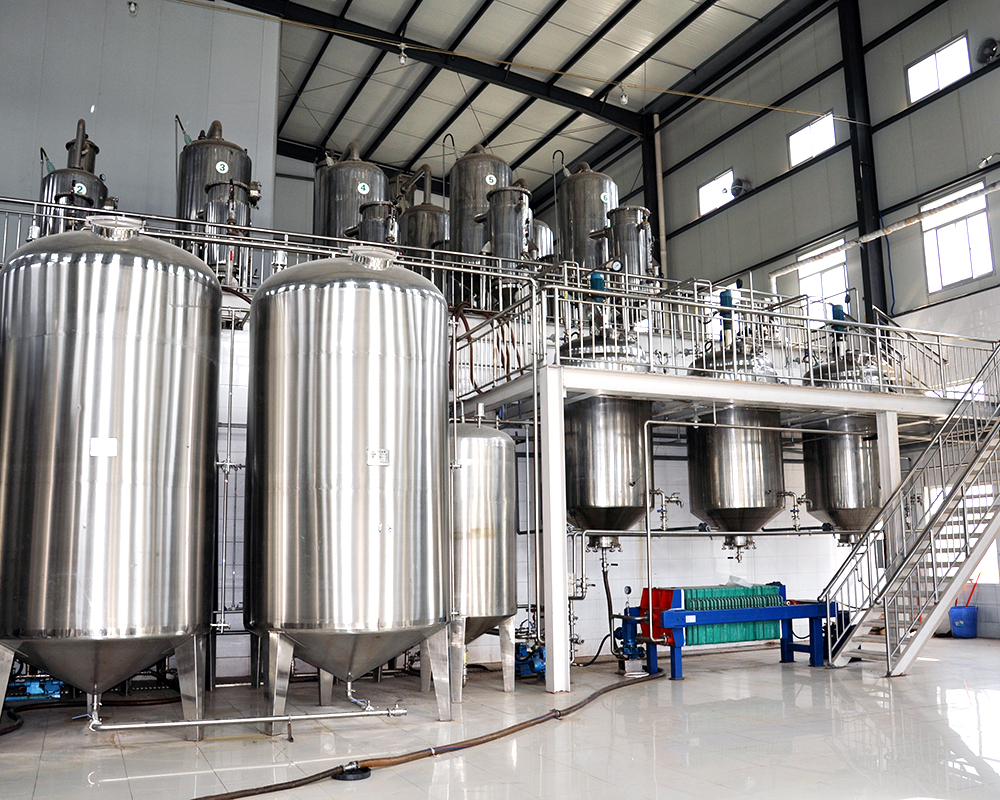
Energy and Labor Efficiency: Modern automated synthesis plants operate at scale, lowering overhead costs per ton. By utilizing automated crystallization and spray-drying systems, we maintain high purity levels while reducing energy use.
Advanced Production Clusters: By grouping raw extraction, chemical synthesis, and testing facilities in one region, we streamline logistics and accelerate product development. This allows us to take a product from lab synthesis to container shipment faster than other global competitors.
Benefiting from the solid foundation provided by its parent company, Xi'an Tianben Bioengineering Co., Ltd.
Benefiting from the solid foundation provided by its parent company, Xi'an Tianben Bioengineering Co., Ltd., Botanical Cube Inc. focuses on researching, developing, producing and selling healthy natural ingredients. With more than two decades of industry experience, it has become a leader in the field, specializing in providing high-quality plant extracts and customized solutions to global customers. Services meet the needs of industries including herbal medicine, health foods, dietary supplements, food and beverages, daily chemicals and cosmetics.
Our operations are supported by three companies - Xi'an Tianben Bioengineering Co., Ltd., Botanical Cube Inc. and Shaanxi Tianben Kangyuan Biotechnology Co., Ltd. - which together operate 3 production bases covering more than 100 acres and process more than 3,000 tons of plant raw materials each year. The product range includes more than 200 plant extracts, and we also provide a variety of certified organic products to meet the global demand for environmentally friendly and healthy solutions. Exporting to 60% of the world's countries, serving more than 200 countries and regions and more than 500 customers from all walks of life.
Our first factory was established in 2012 in Sanyuan City, Xi'an, four years after our company was founded. At that time, our production experience was still in its early stages, and we faced many challenges as we worked to refine our processes. However, we remained committed to continuous improvement, investing heavily in technology, training, and quality control to strengthen our capabilities. These early efforts laid a strong foundation for our future growth, shaping the high standards of excellence that we uphold today.
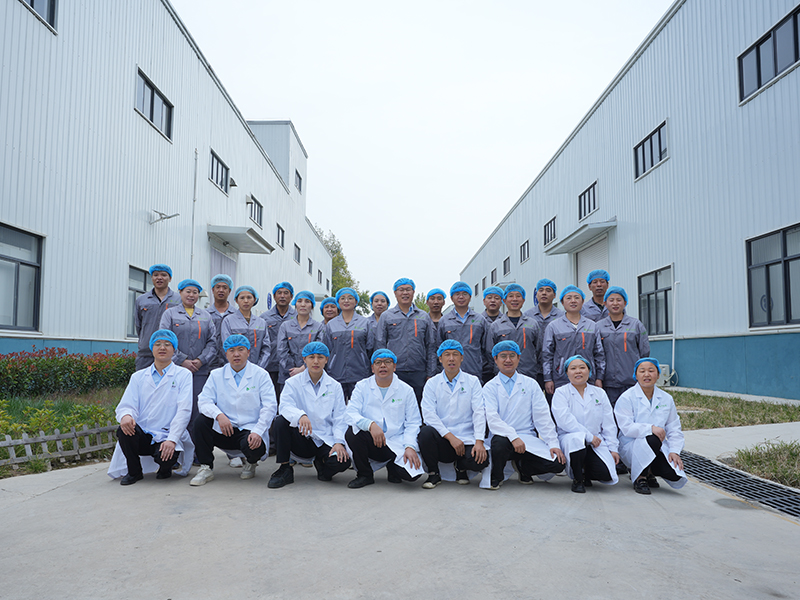
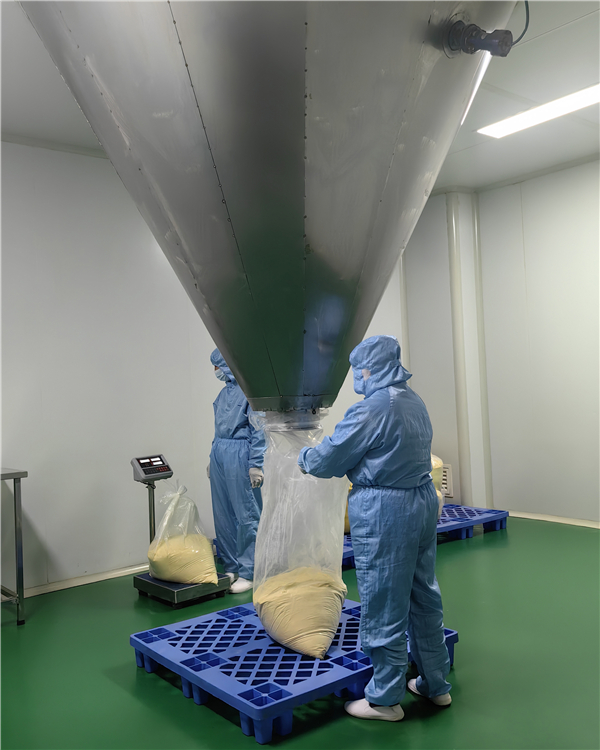
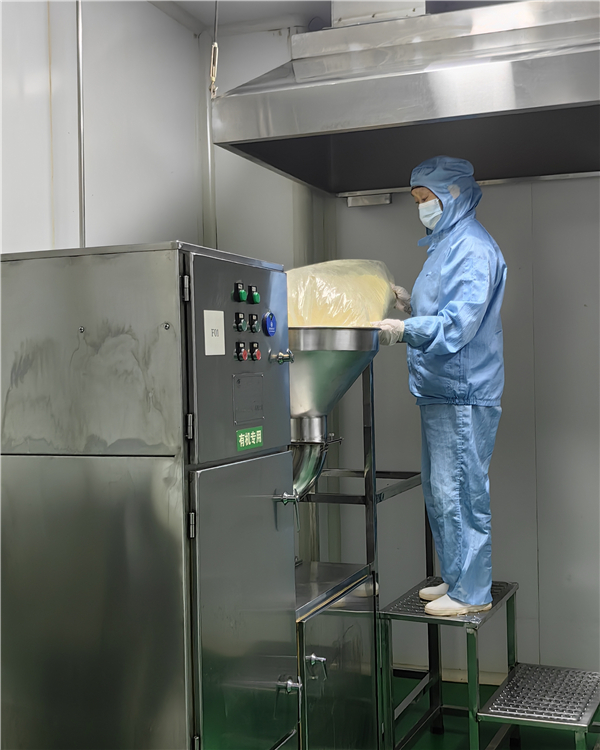
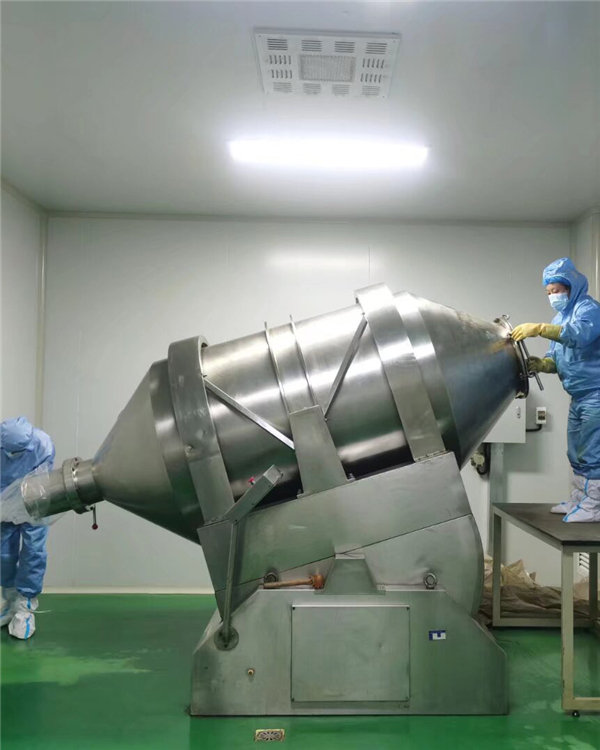
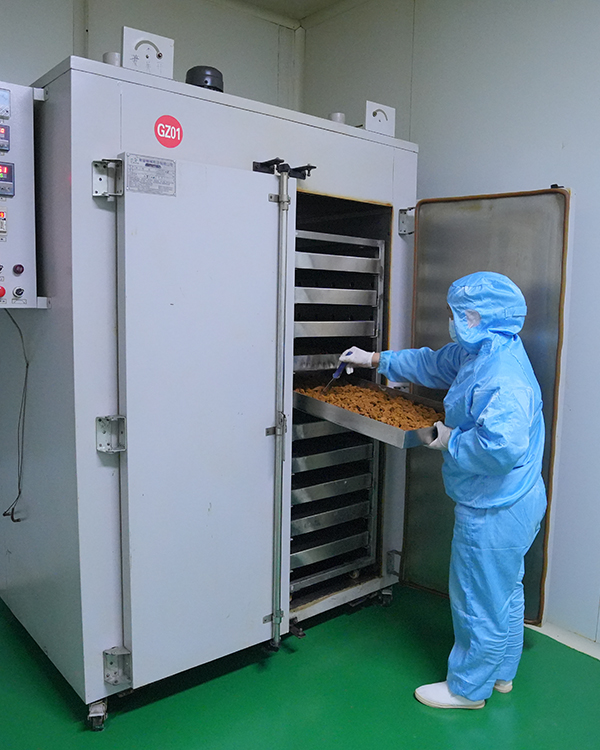
Powder collection, crushing and sieving, mixing and drying processes are all performed in a Class 100,000 cleanroom environment. Our operators strictly follow hygiene protocols and wear sterile gowns, masks and gloves to maintain product purity and safety, thus ensuring that we provide our customers with high quality standards and reliable ingredients.

How distinct regions utilize magnesium chelates to optimize health outcomes and cater to regional market demands.
In the USA and Canadian sports markets, magnesium malate is widely used in pre-workout recovery drinks. Combining it with L-Carnitine and essential electrolytes helps prevent muscle cramping and aids cellular energy production during high-intensity training programs.
European dietary supplements prioritize bone health and sleep quality. Formulations often pair magnesium glycinate with botanical extracts like valerian root or maqui berry. These blends promote nervous system relaxation and bone mineral density in aging demographics.
In highly urbanized Asian markets, stress management products are popular. High-performance magnesium powders are blended with probiotics (like Bifidobacterium Lactis) and adaptogens. These formulations help support gut-brain axis balance and regulate physical responses to daily stress.
Sourcing bulk minerals requires strict quality control protocols to protect brand reputation and ensure consumer safety. When evaluating a potential manufacturing partner for chelated magnesium, your quality assurance team should verify several key operational parameters:
Industrial minerals can sometimes contain traces of heavy metals. Reputable factories use Inductively Coupled Plasma Mass Spectrometry (ICP-MS) to confirm that Lead, Arsenic, Cadmium, and Mercury levels remain well below USP and EP limits.
Different product formats require specific particle sizes. Capsules need fine, free-flowing powders (typically 80-100 mesh), whereas tablets need granulated materials that compress easily. Direct compression (DC) grades help save production time and reduce manufacturing costs.
Ensure the facility holds recognized international certifications, such as ISO 22000, Kosher, Halal, USDA Organic, and GMP. This guarantees that manufacturing practices meet global import standards.
Technical answers for procurement officers, quality control teams, and formulation chemists.
 Botanical