Premium biological active compounds processed with state-of-the-art extraction technology, specifically curated to meet the needs of J-Beauty skin science formulations.
The metropolitan area of Tokyo stands as the world's most sophisticated and demanding demographic hub for anti-aging technology. Driven by a rapidly aging society—where over 29% of the national population is aged 65 and above—the demand in Japan has transitioned decisively from superficial "beauty enhancement" to rigorous, scientifically-validated preventative longevity solutions (Healthy Aging). This societal transition directly governs how R&D teams in Tokyo's major cosmetics and pharmaceutical centers specify raw ingredients.
J-Beauty brands operating out of districts like Ginza and Chiyoda operate under the strict scrutiny of the Pharmaceuticals and Medical Devices Agency (PMDA). Ingredients intended for anti-aging formulations must demonstrate high bio-availability, minimal cytotoxicity, and complete traceability. Consequently, purchasing directors look beyond simple chemical names, seeking factories that offer structured analytical verification, including HPLC purity graphs, heavy metal assays (targeting strict limits for lead, arsenic, and cadmium), and pesticide residue screenings that match Japanese food safety regulations.
SEO Information Gain Insight: The modern Tokyo formulation standard requires dual-functional actives. An ingredient must not only inhibit superficial aging (such as tyrosinase inhibition by Kojic Acid) but must also support deep cellular viability and anti-inflammatory pathways (such as Nrf2 activation by Trans-Pterostilbene).
On a global scale, the market for functional anti-aging ingredients is witnessing unprecedented growth. As consumers in Western Europe and North America adopt Asian skincare philosophies, the demand for natural, plant-based molecules (phytochemicals) has surged. Brands are transitioning away from harsh synthetic rejuvenators in favor of bio-fermented peptides, high-purity plant extracts, and organic-certified botanical substrates.
However, global sourcing is fraught with logistics challenges, raw material variability, and regulatory divergences. Leading suppliers must possess a deep matrix of international quality certifications—such as ISO 22000, HACCP, HALAL, KOSHER, and USDA Organic. By aligning Chinese extraction capacity with Tokyo's precise delivery timelines (via direct shipping routes from Qingdao/Shanghai to the Port of Tokyo), Botanical Cube Inc. ensures a seamless, risk-free supply chain.
The Shaanxi extraction cluster, centered in Xi'an, represents the global heartland of botanical raw materials. Drawing raw ingredients from the diverse ecosystem of the Qinling Mountains, factories under the Botanical Cube Inc. umbrella optimize extraction efficiency to levels unattainable by local Japanese operations.
In Tokyo's competitive skincare sector, brands continuously seek structural differentiation. Our ingredients integrate seamlessly into localized cosmetic applications:
1. Premium Whitening (Bihaku) Creams: Kojic Acid Dipalmitate (KAD) acts as an oil-soluble, high-stability alternative to traditional vitamin C derivatives, preventing oxidative darkening within lipid structures.
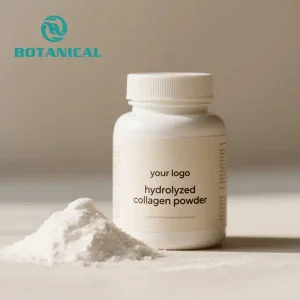
2. Anti-Wrinkle & Firming Essences: Our low-molecular-weight Hydrolyzed Collagen Powder absorbs rapidly through the stratum corneum, reinforcing the extracellular matrix under Tokyo's dry urban climate conditions.
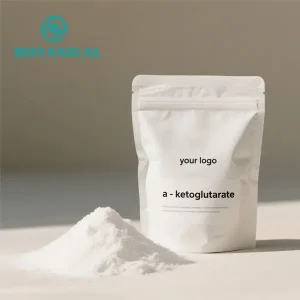
3. Longevity Dietary Supplements: α-Ketoglutarate (AKG) and Dihydroberberine are integrated into premium hard capsules targeted at Silver Generation consumers seeking mitochondrial rejuvenation.
A Global Leader in Natural Ingredients
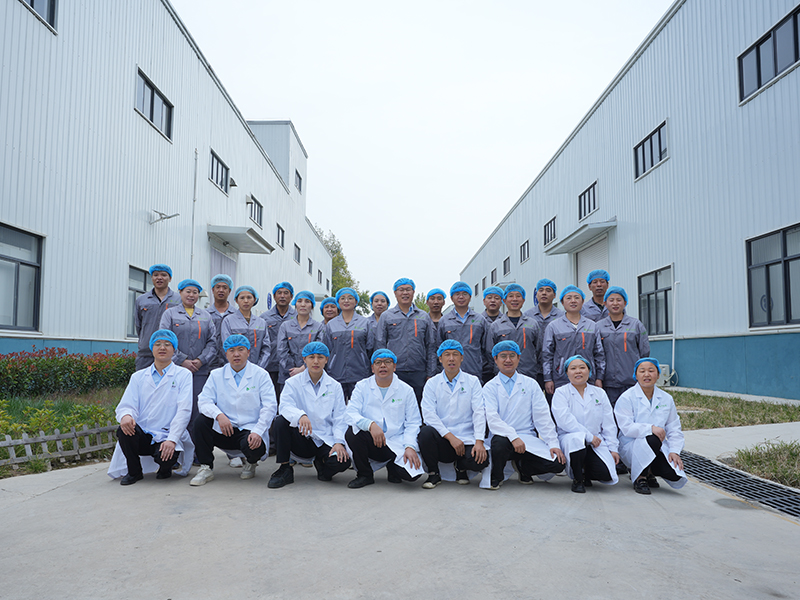
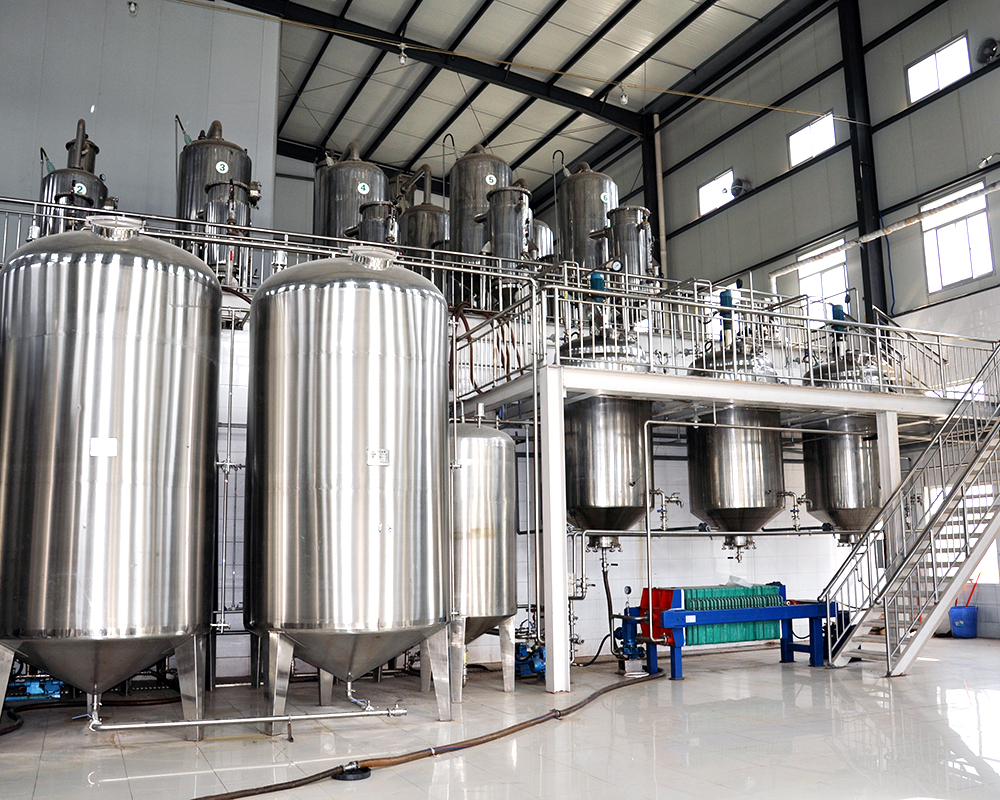
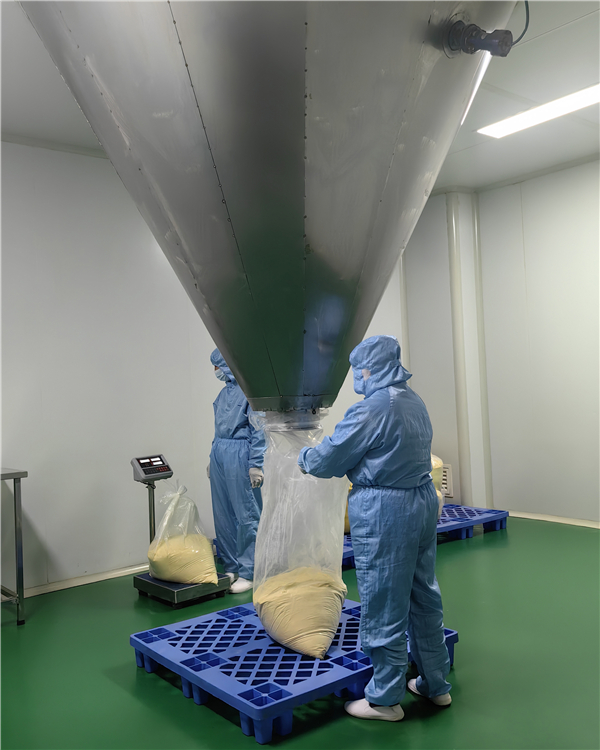
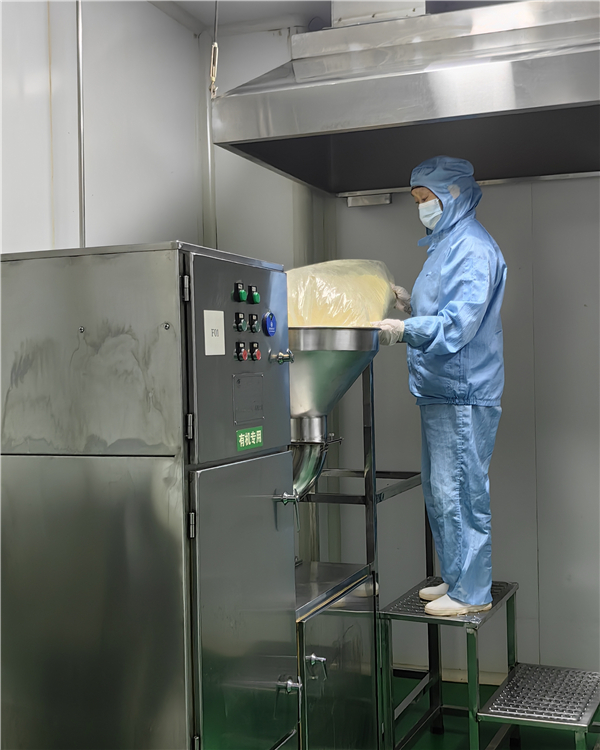
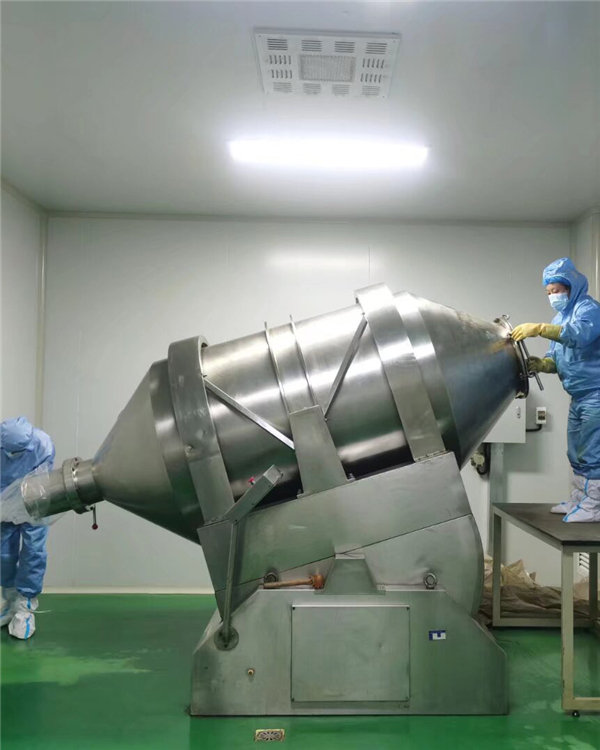
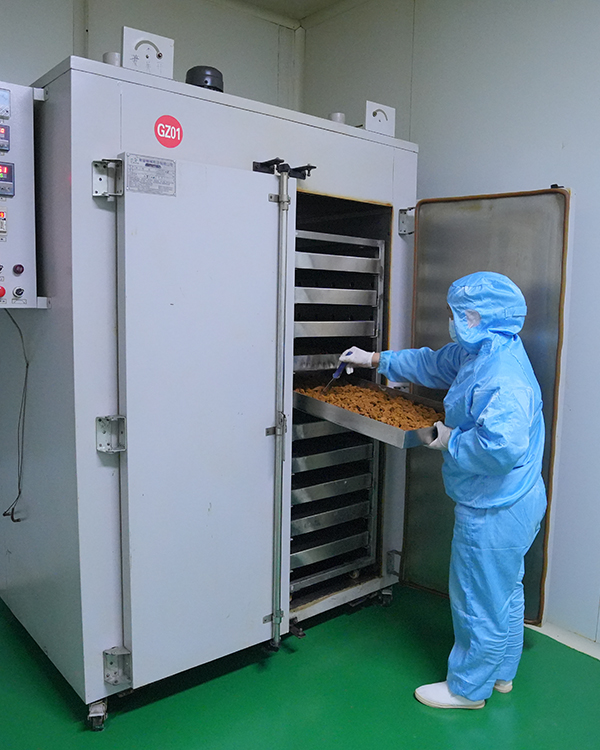
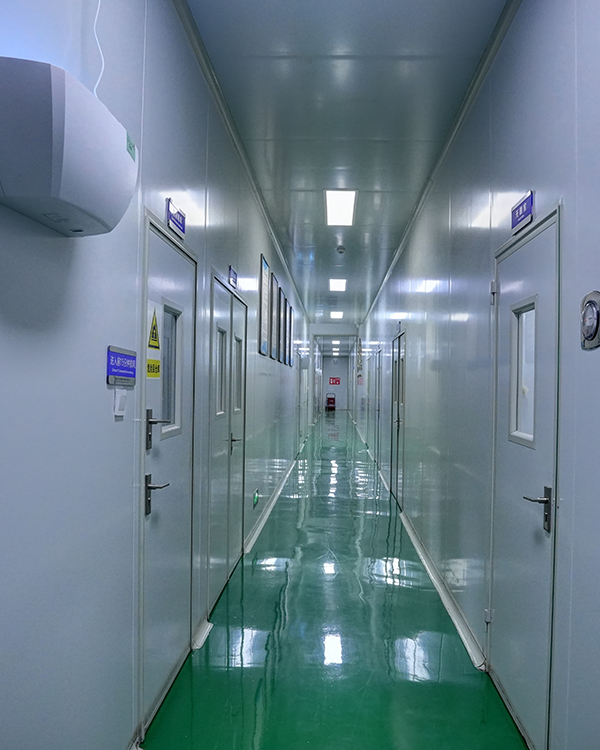
The global anti-aging scene is shifting from external correction to intracellular preservation. Key trends include the growth of cellular health ingredients such as Alpha-Ketoglutarate (AKG) and Pterostilbene, which stimulate sirtuins and clean senescent cells. Botanical extracts must retain high biological synergy, steering R&D away from harsh isolates toward full-spectrum standardized bio-actives.
When supplying the Tokyo market, raw ingredients must meet absolute purity thresholds. Heavy metal concentrations must fall below 10 ppm, with arsenic specifically under 2 ppm. Botanical Cube Inc. executes triple testing on every batch: testing raw biomass, intermediate extracts, and final micronized powders using ICP-MS and HPLC analytical protocols.
Modern procurement requires supply chain transparency and carbon footprint metrics. Our 3 production bases leverage closed-loop water systems and clean energy inputs, providing Tokyo cosmetic conglomerates with the raw metrics needed to satisfy internal ESG audits and build verifiable retail trust.
Explore our verified selection of high-yield botanical extracts and functional nutrition powders optimized for stability, compatibility, and bioavailability.

Expert answers regarding quality verification, PMDA compliance, chemical properties, and supply chain logistics.
 Botanical