Wholesale Pure B12 Manufacturers & Manufacturer

A Comprehensive Industry Whitepaper on Global Cobalamin Supply Chains, Advanced Bio-fermentation Technology, and Multi-Sector Applications

1. The Global Landscape of Pure Vitamin B12 (Cobalamin)

Vitamin B12, chemically classified as cobalamin, is one of the most complex organometallic molecules utilized in human nutrition, clinical therapies, and animal husbandry. Characterized by a central cobalt ion surrounded by a corrin ring, Vitamin B12 is essential for cellular division, neurological integrity, DNA synthesis, and hematopoiesis. The global wholesale market for pure B12 has transitioned from a standard dietary commodity to a highly specialized ingredient matrix. Large-scale procurement demands strict compliance with pharmacopeial monographs (USP, EP, JP, ChP) and requires a detailed understanding of the different chemical variants, such as Cyanocobalamin, Methylcobalamin, Adenosylcobalamin, and Hydroxocobalamin.
As clinical evidence continues to support the role of B12 in managing cognitive decline, hyperhomocysteinemia, and macrocytic anemia, B2B buyers must partner with manufacturers capable of delivering consistent purity, verified low heavy-metal contents, and validated microbial controls. In the following sections, we analyze the manufacturing methodologies, localized regulatory demands, and supply chain strategies driving the B12 sector.

Market Size & Growth

Expanding at a CAGR of 6.2% annually, fueled by the rising global demand for plant-based foods, vegan supplements, and functional energy beverages.

Pharmaceutical Purity

High-purity raw crystalline B12 (exceeding 98.5% to 99% pure HPLC test assays) is critical to prevent contamination in clinical applications.

Global Logistics

Consolidated shipping and localized regulatory clearance represent key bottlenecks for international dietary ingredient distributors.

2. Technical Synthesis Pathways & Industrial Production Roadmap

Unlike other water-soluble vitamins, Vitamin B12 cannot be synthesized at a viable commercial scale through purely chemical methods due to the complexity of its corrin ring and multiple stereospecific centers. Instead, contemporary wholesale manufacturers rely exclusively on microbial fermentation pathways.

Microbial Strains and Fermentation Mechanics

Industrial synthesis generally utilizes non-pathogenic, highly optimized strains of Pseudomonas denitrificans or Propionibacterium freudenreichii. Pseudomonas denitrificans is the preferred strain for large-scale operations due to its oxygen-dependent growth characteristics and high cobalamin yield. Under strictly controlled aerobic conditions, the microorganisms utilize carbon sources like beet molasses or corn steep liquor, supplemented with essential trace elements—particularly cobalt salts—to initiate the complex biosynthetic pathway.

The biosynthesis process involves over thirty enzymatic steps, divided into an oxygen-dependent and oxygen-independent phase. The insertion of cobalt into the macrocyclic ring structure is the critical step that defines the overall yield.

Fermentation Milestones

Strain Optimization

High-yield strain selection using non-GMO mutation strategies.

Aerobic Cultivation

48-72 hour fermentation with continuous oxygenation and feeding controls.

Crystallization & Assays

Advanced resin chromatography purification achieving >99% crystal purity.

Downstream Processing (DSP) & Crystallization

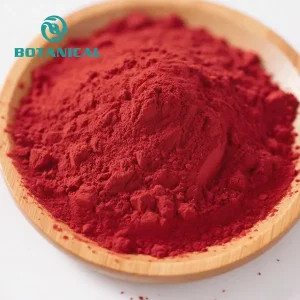
Once the fermentation cycle is complete, the bacterial biomass is harvested via high-speed centrifugation. Cellular lysis is achieved using thermal treatment or enzymatic degradation to release the intracellular cobalamin. Crucially, during purification, the addition of a cyanide derivative converts the heterogeneous cobalamins into the stable, crystallizable form: Cyanocobalamin. Following adsorption chromatography on macroreticular resins, the material is subjected to repeated crystallization using aqueous acetone solutions, yielding pure, dark-red B12 crystals.

3. Botanical Cube Inc. & Parent Enterprise Infrastructure

Benefiting from the solid foundation provided by its parent company, Xi'an Tianben Bioengineering Co., Ltd., Botanical Cube Inc. focuses on researching, developing, producing, and selling healthy natural ingredients. With more than two decades of industry experience, it has become a leader in the field, specializing in providing high-quality plant extracts and customized solutions to global customers. Our services meet the needs of industries including herbal medicine, health foods, dietary supplements, food and beverages, daily chemicals, and cosmetics.
3
Production Bases
100+
Acres of Facilities
3,000+
Tons Processed / Yr
200+
Certified Products
Our operations are supported by three companies—Xi'an Tianben Bioengineering Co., Ltd., Botanical Cube Inc., and Shaanxi Tianben Kangyuan Biotechnology Co., Ltd.—which together operate 3 production bases covering more than 100 acres and process more than 3,000 tons of plant raw materials each year. The product range includes more than 200 plant extracts, and we also provide a variety of certified organic products to meet the global demand for environmentally friendly and healthy solutions. Exporting to 60% of the world's countries, serving more than 200 countries and regions, and partnering with more than 500 customers across diverse industries.

Sanyuan Factory: Established in 2012

Our first factory was established in 2012 in Sanyuan City, Xi'an, four years after our company was founded. At that time, our production experience was still in its early stages, and we faced many challenges as we worked to refine our processes. However, we remained committed to continuous improvement, investing heavily in technology, training, and quality control to strengthen our capabilities. These early efforts laid a strong foundation for our future growth, shaping the high standards of excellence that we uphold today.

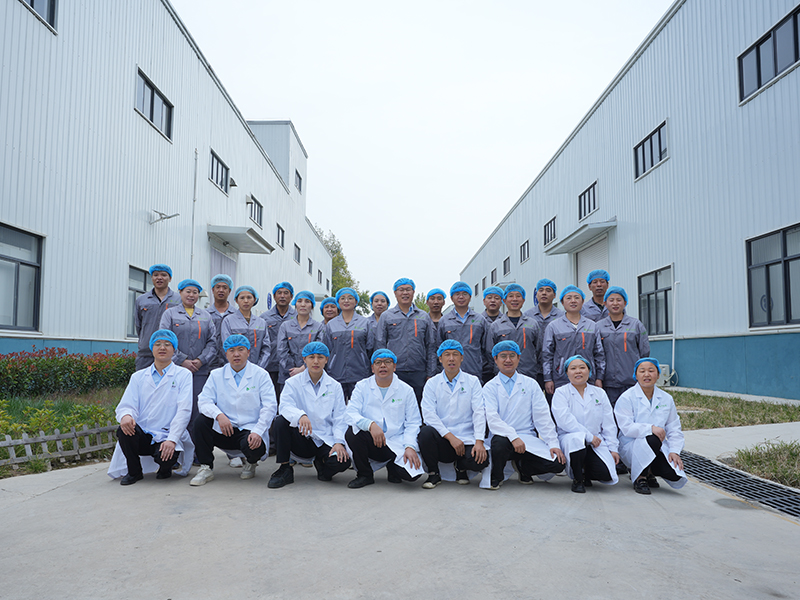
Today, our specialized facility operates a Class 100,000 Cleanroom environment where powder collection, crushing and sieving, mixing, and drying processes are all performed. Our operators strictly follow hygiene protocols and wear sterile gowns, masks, and gloves to maintain product purity and safety, ensuring that we provide our customers with high quality standards and reliable ingredients.

Botanical Cube Inc. Manufacturing Facility

4. Localized Application Scenarios for Pure Vitamin B12

As a highly versatile active ingredient, pure Vitamin B12 is formulated into distinct chemical and physical grades to match the localized demands of multiple industrial domains.

Pharmaceuticals & Clinical Use

In pharmaceutical compounding, pure Methylcobalamin and Hydroxocobalamin are the preferred active pharmaceutical ingredients (APIs). Liquid parenterals, tablets, and nasal sprays are used to treat peripheral neuropathy, chronic fatigue, and pernicious anemia. High-purity inputs are required to minimize endotoxins and related impurities.

Nutraceuticals & Supplements

The demand for pure Cyanocobalamin remains high in the dietary supplement industry. Manufacturers supply raw powder blended with carriers (like dicalcium phosphate or maltodextrin) to achieve 1% or 0.1% trituration grades. These mixtures are ideal for capsules, multivitamins, and vegan energy tablets.

Food & Beverage Fortification

Food safety authorities in both the US and EU permit B12 fortification in plant-based milk alternatives (oat, almond, soy), energy drinks, and infant nutrition powders. Due to processing heat, thermal stability is critical, requiring micro-encapsulated spray-dried B12 options.

5. Supply Chain Resilience & Efficiency Advantages of Chinese Production

China stands as the global hub for Vitamin B12 production, manufacturing more than 70% of the world's supply. This concentration is not merely a result of cost advantages, but of structural, environmental, and technological factors that enhance supply chain resilience.
Botanical Cube Industrial Production Site

Industrial Integration and Raw Material Access

Chinese B12 manufacturers benefit from fully integrated supply chains. The essential precursors for microbial fermentation, such as specialized carbon sources, trace cobalt compounds, and extraction resins, are sourced from regional industrial clusters. This reduces trans-provincial transport delays and lowers production costs.

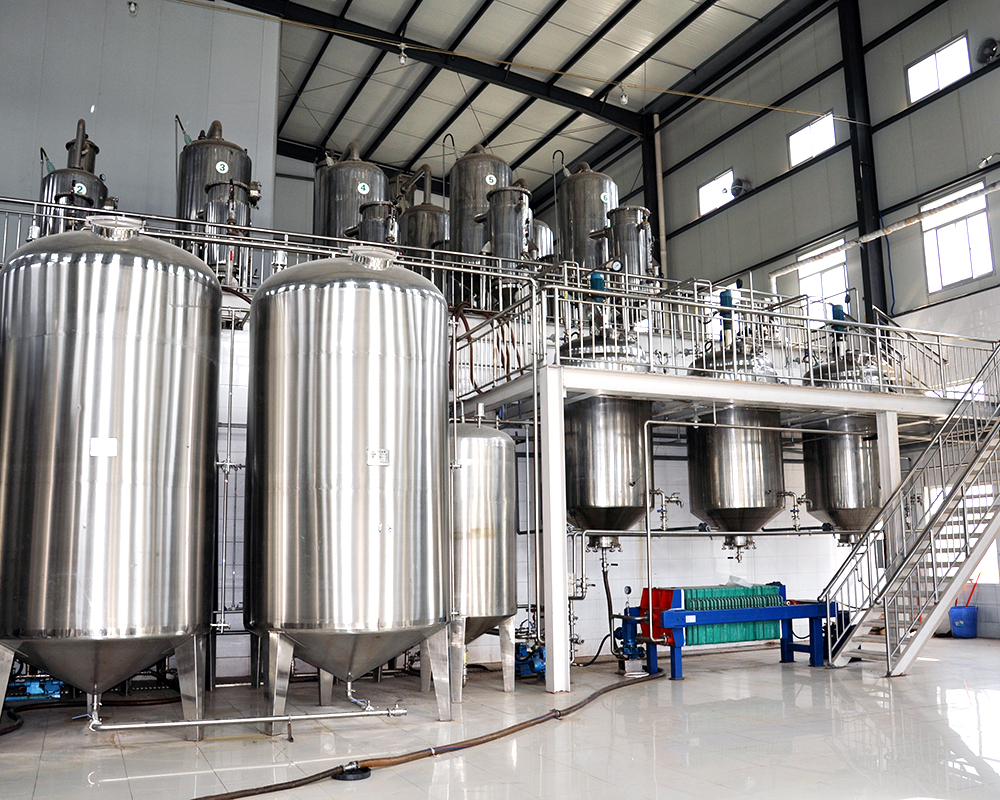
Advanced fermentation facilities, like those run by the Botanical Cube group, use automated, closed-loop PLC monitoring systems. These tools optimize dissolved oxygen, temperature, and pH in real time. The resulting consistency limits batch-to-batch variation, which is a common issue for smaller production setups.

Additionally, the close proximity to shipping hubs like Qingdao, Tianjin, and Shanghai guarantees rapid container dispatch, allowing global distributors to maintain low lead times.

6. Localized Regulatory Compliance & Quality System Standards

Entering major global markets like North America, the European Union, and Southeast Asia requires adherence to localized regulatory frameworks. Pure B12 is subject to scrutiny regarding its source, residual solvents, heavy metals, and allergen content.

Pharmacopeia Monographs

Pharma-grade B12 must comply with current USP and EP standards. This includes strict limits on total related substances (<2.0%) and individual impurities (<0.5%). Complete documentation, including Cep/CoS, DMF, and US-FDA registrations, is provided to support client filings.

Global Certifications

Facilities operate under certified cGMP and FSSC 22000 management frameworks. To meet international dietary needs, products are certified Halal, Kosher, non-GMO, and free from common allergens.

Traceability & Analytical Testing

Every batch undergoes testing via HPLC, ICP-MS (for heavy metals like arsenic, lead, cadmium, and mercury), and GC (for residual solvents like acetone and ethanol). Certificates of Analysis (CoA) are issued for each shipment.

7. Technology Roadmap & Future Outlook

The industrial production of Vitamin B12 is transitioning toward more sustainable manufacturing practices. Key areas of innovation include synthetic biology and green chemistry to optimize fermentation efficiency and reduce energy usage.

Synthetic Biology Integration

Researchers are engineering strains of Escherichia coli and Bacillus subtilis with synthetic B12 pathways. These efforts aim to simplify the fermentation process, shorten cultivation times, and reduce dependence on cobalt precursors.

Green Chemistry Purification

New purification methods aim to replace traditional organic solvents with water-based resins and green extraction systems. These modifications lower hazardous waste output and decrease the environmental impact of large-scale operations.

Alternative Cobalt Recovery

In line with global ESG initiatives, manufacturers are introducing advanced waste treatment facilities designed to recover cobalt from wastewater streams. This closed-loop approach helps lower production costs and minimizes heavy metal release.

8. Frequently Asked Questions (FAQ) for B2B Buyers

Key technical and logistics inquiries regarding bulk Vitamin B12 procurement.

Q1: What are the main differences between Cyanocobalamin and Methylcobalamin in B2B formulations?
Cyanocobalamin is the most stable and cost-effective form of Vitamin B12, making it the industry standard for food fortification and general dietary supplements. It features a cyanide molecule attached to the cobalamin core. Methylcobalamin, on the other hand, is an active coenzyme form that is highly bioavailable but more sensitive to light and air. It is widely used in high-end nutraceuticals and targeted sublingual tablets.
Q2: How does Botanical Cube Inc. handle quality control in its Class 100,000 Cleanroom?
In our Sanyuan Factory, the Class 100,000 cleanroom houses the critical steps of powder collection, crushing, sieving, blending, and drying. We maintain strict control over air pressure differentials, temperature, humidity, and airborne particulate levels. Operators are required to follow sterile gowning protocols, which helps protect our raw ingredients from microbiological and environmental contamination.
Q3: What are the standard packaging specifications for pure B12 crystals and triturates?
Pure crystalline Vitamin B12 is typically packed in 1kg or 5kg aluminum tins, protected by vacuum-sealed double food-grade polyethylene inner liners, and outer fiber drums (typically 25kg net weight). For 1% or 0.1% triturated grades, the product is packaged in standard 25kg drums. Keep the containers stored in cool, dark, dry warehouses to protect the active ingredient from degradation.
Q4: What certifications are available to verify compliance for international imports?
We provide a complete documentation package, including cGMP, ISO 22000, FSSC 22000, Kosher, Halal, and non-GMO certificates. We can also provide a DMF (Drug Master File) for pharmaceutical clients, as well as third-party lab testing certificates of analysis (CoA) detailing HPLC purity assays and heavy metal limits.