Explore our premium grade bulk materials optimized for cosmetics, food, beverage, and nutraceauticals
A comprehensive analysis of raw-material crystallization, glass transition temperatures, and carrier engineering for global enterprise sourcing managers.
Pure natural honey is a supersaturated carbohydrate solution consisting primarily of D-fructose (~38%) and D-glucose (~31%), bound in a water matrix of 17% to 20%. For food, nutraceutical, and cosmetic manufacturers, translating liquid honey into a solid-state powder presents a physical chemistry challenge. Fructose and glucose are highly hygroscopic and possess exceptionally low glass transition temperatures (Tg), ranging from -42°C to -50°C.
At room temperatures, dry honey in its pure amorphous form naturally transitions into a rubbery, sticky state, resulting in rapid caking, wall deposition in spray dryers, and poor shelf stability. To resolve this, modern ingredient engineering blends liquid honey with high-molecular-weight carrier materials. These matrices elevate the aggregate glass transition temperature of the compound, ensuring a free-flowing, stable, and highly soluble powder appropriate for automated dry-blending manufacturing lines.
Selecting the correct carrier (e.g., Maltodextrin, Chicory Inulin, Gum Arabic) is the single most critical factor in achieving formulation compatibility, allergen management, and clean-label compliance for global product launches.
Analyzing the global transition toward functional sweeteners, clean-label compliance, and dust-free processing lines.
Global regulatory bodies and consumer groups are increasingly demanding transparency in food labels. Liquid sucrose and high-fructose corn syrups (HFCS) are actively being replaced by natural, minimally processed sweetening agents. Bulk honey powder offers a clean-label alternative, presenting a wholesome identity that aligns with consumer perception of natural products. Furthermore, organic-certified honey powders using organic tapioca starch as a carrier allow developers to maintain a "No Added Refined Sugar" claim on their packaging.
Modern B2B factories operate high-speed automated dry mixing lines. Liquid honey is notoriously difficult to manage in these settings; its high viscosity requires specialized drum-heating blankets, pumps, and tedious clean-in-place (CIP) cycles. Transitioning to a free-flowing dehydrated honey powder removes these bottlenecks. The raw ingredient is easily dosed, pneumatic-conveyed, and mixed without sticky residue, drastically decreasing operational downtime and cross-contamination risks.
Shipping liquid honey involves transporting approx. 18-20% pure water weight. This weight, combined with the heavy weight of steel drums or intermediate bulk containers (IBCs), increases carbon footprints and ocean freight fees. Spray-dried honey powder lowers the moisture content below 3-4%. By dehydrating the product at the manufacturing source, enterprise buyers optimize cargo weight, eliminate leak hazards, and gain significant cost savings in transcontinental logistics.
B2B procurement guidelines to ensure chemical, biological, and physical parameters meet stringent quality control standards.
For long shelf-life formulations (such as powdered nutritional beverages, protein blends, or cake mixes), the water activity ($a_w$) of honey powder must be strictly controlled under 0.30 aw, with total moisture under 3.5%. Elevated moisture levels trigger recrystallization of the amorphous sugars, prompting caking and promoting yeast/mold growth if exposed to environmental humidity.
Enterprise buyers must clarify the honey-to-carrier ratio. Industry-standard options feature between 50% to 70% pure honey solids. The carrier matrix must be verified: Maltodextrin (derived from corn, wheat, or tapioca) is widely used for optimal solubility and neutral flavor, while natural gum arabic or inulin serves clean-label, low-glycemic, or fiber-enriched specifications.
Adhering to strict EU/FDA compliance, wholesale honey powder batches must undergo chromatography testing (LC-MS/MS and GC-MS/MS) to confirm the absence of Glyphosate, Pyrrolizidine Alkaloids (PAs), and antibiotic residues (such as Chloramphenicol and Nitrofurans). Heavy metal thresholds must be verified below established pharmaceutical standards: Lead (Pb) < 0.5 ppm, Cadmium (Cd) < 0.1 ppm, and Mercury (Hg) < 0.1 ppm.
A Global Leader in Natural Ingredients & Advanced Botanical Extractions
Benefiting from the solid foundation provided by its parent company, Xi'an Tianben Bioengineering Co., Ltd., Botanical Cube Inc. focuses on researching, developing, producing, and selling healthy natural ingredients. With more than two decades of industry experience, it has become a leader in the field, specializing in providing high-quality plant extracts and customized solutions to global customers. Our services meet the demanding needs of industries including herbal medicine, health foods, dietary supplements, food and beverages, daily chemicals, and cosmetics.
Our operations are supported by three integrated companies - Xi'an Tianben Bioengineering Co., Ltd., Botanical Cube Inc., and Shaanxi Tianben Kangyuan Biotechnology Co., Ltd. - which together operate 3 production bases covering more than 100 acres and process more than 3,000 tons of plant raw materials each year.
Our expansive product range includes more than 200 high-performance plant extracts, and we provide a variety of certified organic products to meet the global demand for environmentally friendly and healthy solutions.
Currently, we export to 60% of the world's countries, serving more than 200 countries and regions, and partnering with more than 500 customers across diverse commercial industries.
Established infrastructure designed for pristine purity, micronization, and thermal protection of plant compounds.
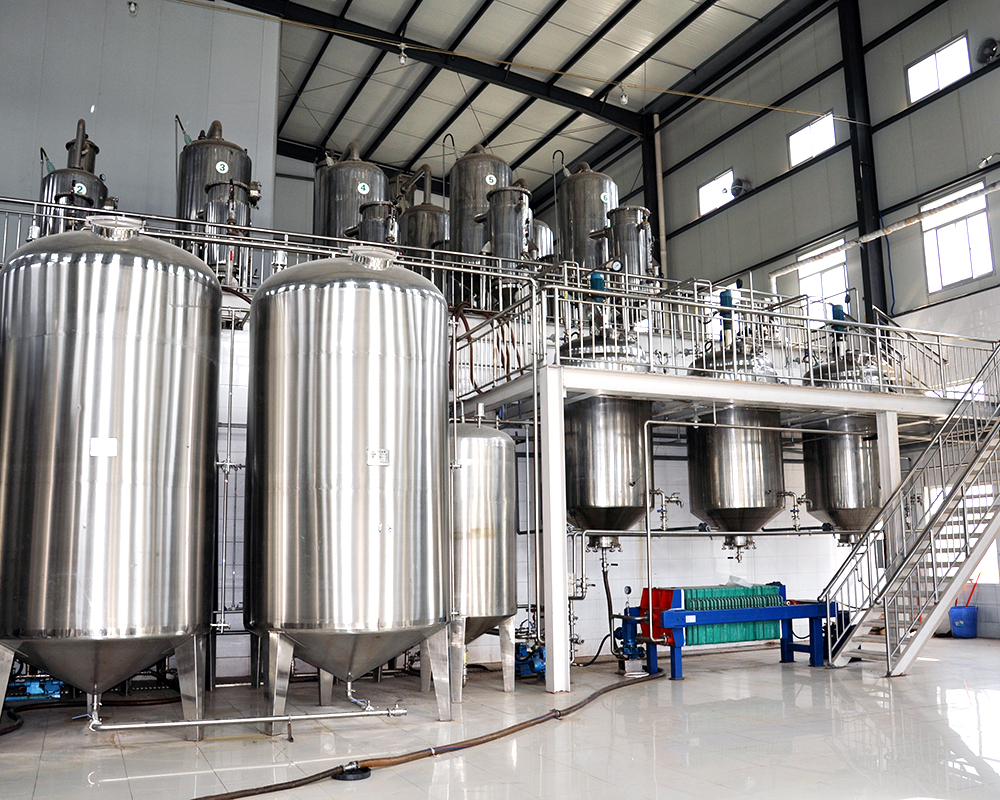
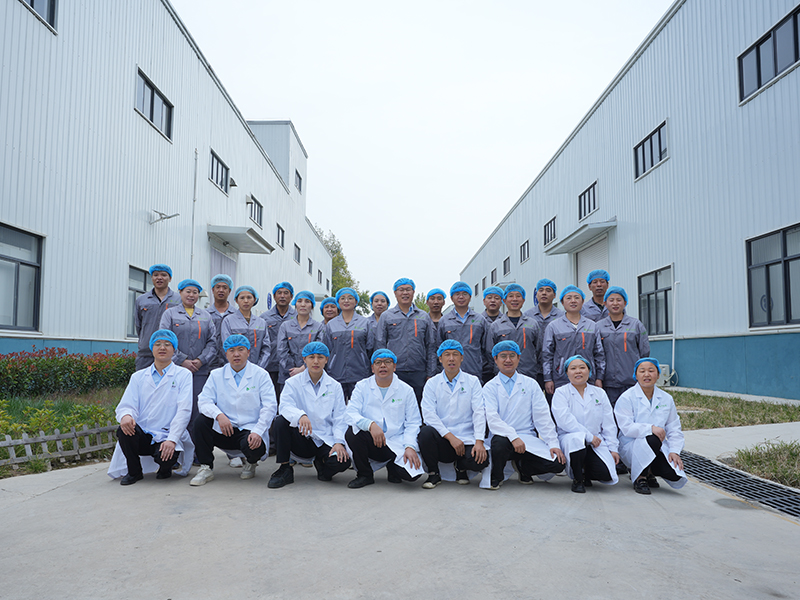
Our first factory was established in 2012 in Sanyuan City, Xi'an, four years after our company was founded. At that time, our production experience was still in its early stages, and we faced challenges as we worked to refine our processes. However, we remained committed to continuous improvement, investing heavily in technology, training, and quality control to strengthen our capabilities. These early efforts laid a strong foundation for our growth, shaping the high standards of excellence that we uphold today.
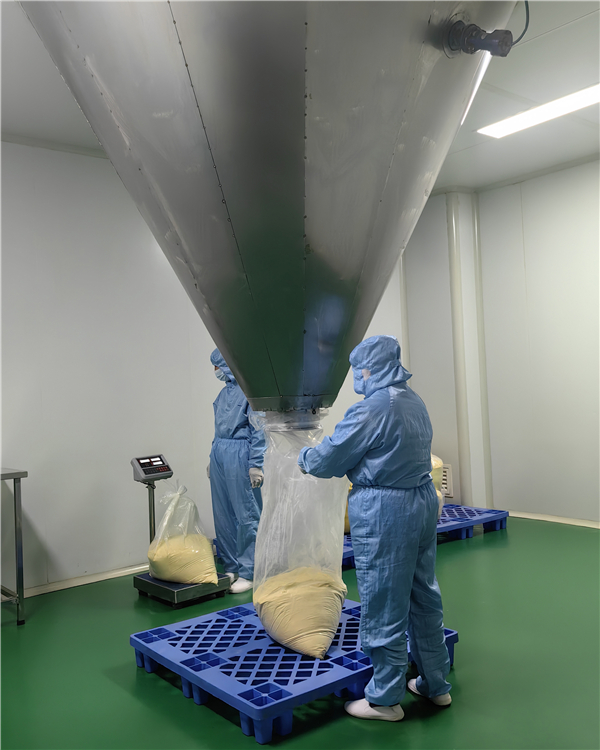
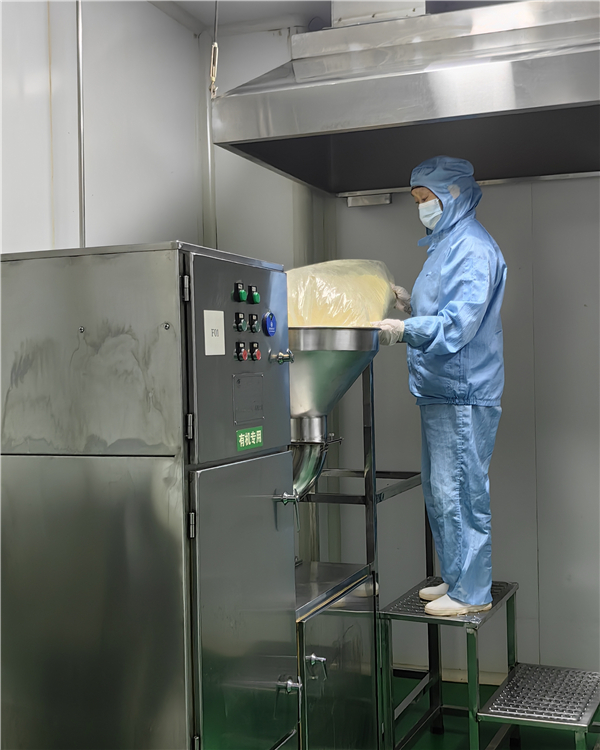
Powder collection, crushing and sieving, mixing and drying processes are all performed in a Class 100,000 cleanroom environment. Our operators strictly follow hygiene protocols and wear sterile gowns, masks, and gloves to maintain product purity and safety, thus ensuring that we provide our customers with high quality standards and reliable ingredients.
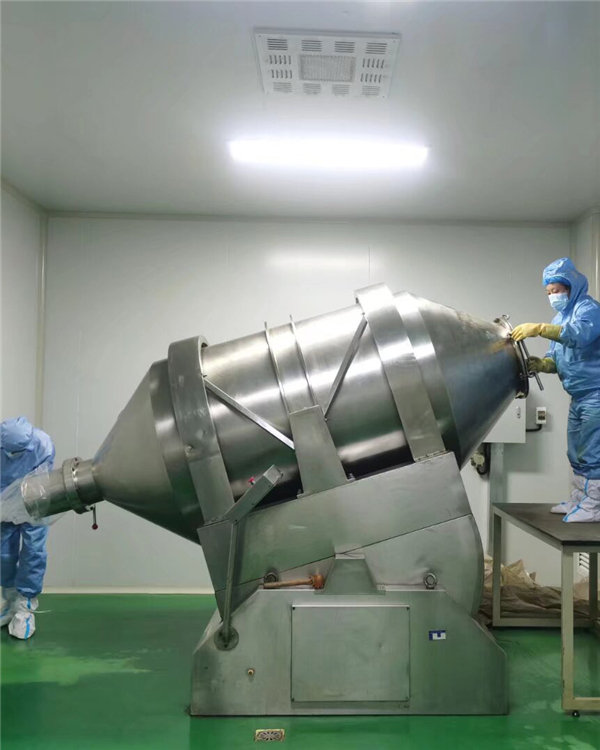
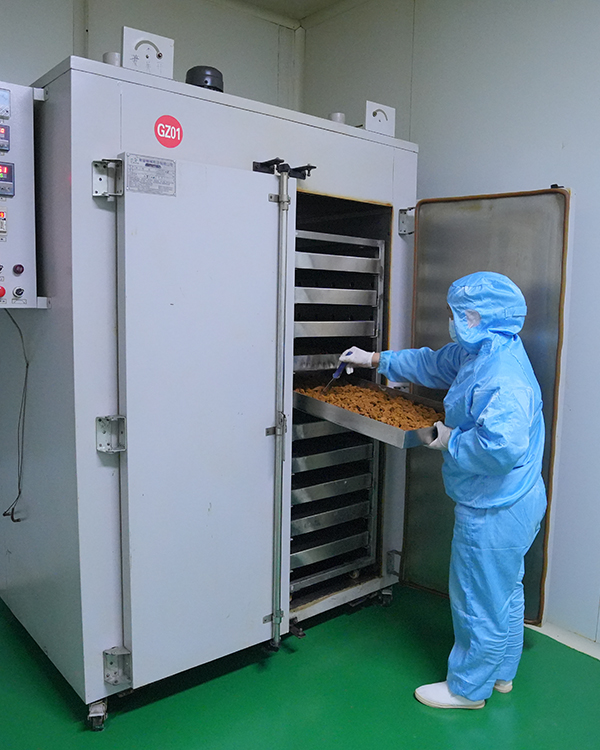

Tailored physical characteristics and packaging methodologies for distinct industry verticals.
In nutraceutical capsules, tablets, and drink mixes, honey powder serves as a flavor enhancer and therapeutic binder. Its natural antioxidant profile (polyphenols and flavonoids) complements vitamin formulations.
Industrial baking systems utilize honey powder to control crumb moisture and promote Maillard browning. Unlike liquid honey, it does not disrupt dry recipe batching or cause regional caramelized hot spots during industrial baking.
Honey is celebrated for its natural emollient, antimicrobial, and humectant benefits. Dehydrated honey powder allows manufacturers of dry masks, bath bombs, and solid hair bars to incorporate honey without introducing water.
Navigating international borders with rigorous verification, origin testing, and supply chain integrity.
Regulatory compliance is a critical barrier for enterprise food and beverage manufacturers importing natural raw materials. Adulteration of honey (using C4 sugars, corn syrup, or cane sugar) is closely monitored by customs and health agencies. Our manufacturing protocols include rigorous testing to prove honey authenticity.
We support regional buyers by providing localized compliance documentation, including Stable Carbon Isotope Ratio Analysis (SCIRA) to rule out C4 sugar additions, botanical pollen analysis, and complete trace allergen mapping.
Three independent production bases ensure that raw material sourcing, processing, and shipping continue unimpeded during localized agricultural interruptions.
Our pre-cleared regulatory paperwork minimizes port-of-entry retention times, keeping your Just-In-Time (JIT) warehouse schedules reliable.
Innovation pipelines exploring carrier-free processes, low-temperature microencapsulation, and next-generation prebiotic delivery systems.
Historically, spray drying has required at least 30-50% carrier addition. The industry's ultimate goal is a 100% pure honey dry powder. Our R&D team is piloting low-temperature vacuum belt drying techniques combined with surface-modification technology to raise the glass transition temperature ($T_g$) of fructose molecules naturally, paving the way for carrier-free, pure dry honey crystals.
Spray drying heat (often 150°C+ inlet temp) can volatilize the subtle aromatics of organic honey. We are refining microencapsulation matrices using natural proteins and gum arabic at lower temperatures, preserving volatile flavor compounds (such as methyl anthranilate) to ensure the reconstituted powder tastes like fresh liquid honey.
Synergizing the digestive properties of honey with modern gut-health ingredients, our future roadmap includes pre-blended products featuring spore-forming probiotics and prebiotic fibers like Jerusalem artichoke inulin. This serves the fast-growing functional food sector, reducing mixing complexity for health brand formulations.
Addressing the most pressing technical, chemical, and logistics questions from professional purchasers.
A continuous supply of premium certified raw materials to support your manufacturing pipeline
 Botanical