Explore our certified botanical concentrates engineered for dietary supplements, pharmaceuticals, and functional food systems.
In the modern bio-industrial era, plant-based fiber has evolved from a simple digestive aid into a multifunctional structural ingredient. Structurally categorized into soluble and insoluble dietary fibers, these polymers play an indispensable role in modifying food viscosity, enhancing water-holding capacities (WHC), stabilizing oil-in-water emulsions, and serving as vital prebiotic substrates for gut microbiota. Global market research projects the plant-based dietary fiber sector to cross USD 12 billion by 2030, registering a robust CAGR of 8.2%.
This rapid market expansion is fueled by structural transformations across major buyer segments. In North America and Western Europe, the focus has shifted toward allergen-free, non-GMO insoluble dietary fibers extracted from oat, bamboo, and peas. Concurrently, developing markets in Asia-Pacific are witnessing massive shifts toward functional nutrition products that require stable, high-purity natural dietary fibers to meet clean-label standards. Modern buyers require not just fiber, but precision-engineered physical architectures with optimized particle size distribution, color index, and heavy metal compliance.
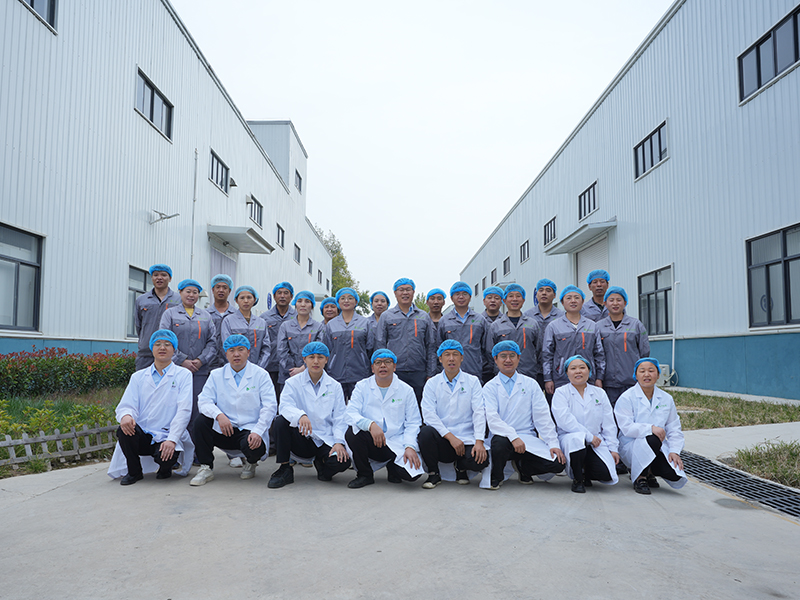
A deep look into the structural alignment of Xi'an Tianben Bioengineering Co., Ltd. and Botanical Cube Inc.
Benefiting from the solid foundation of Xi'an Tianben Bioengineering Co., Ltd., we combine scientific plant taxonomy with advanced bio-extraction to create highly consistent fiber matrices.
Operating three advanced production facilities covering over 100 acres across China. This decentralized yet unified manufacturing network guarantees raw material security and production stability.
Processing more than 3,000 tons of natural plant raw materials each year. Our facility is engineered for scale, handling large-batch OEM runs without compromising ingredient integrity.
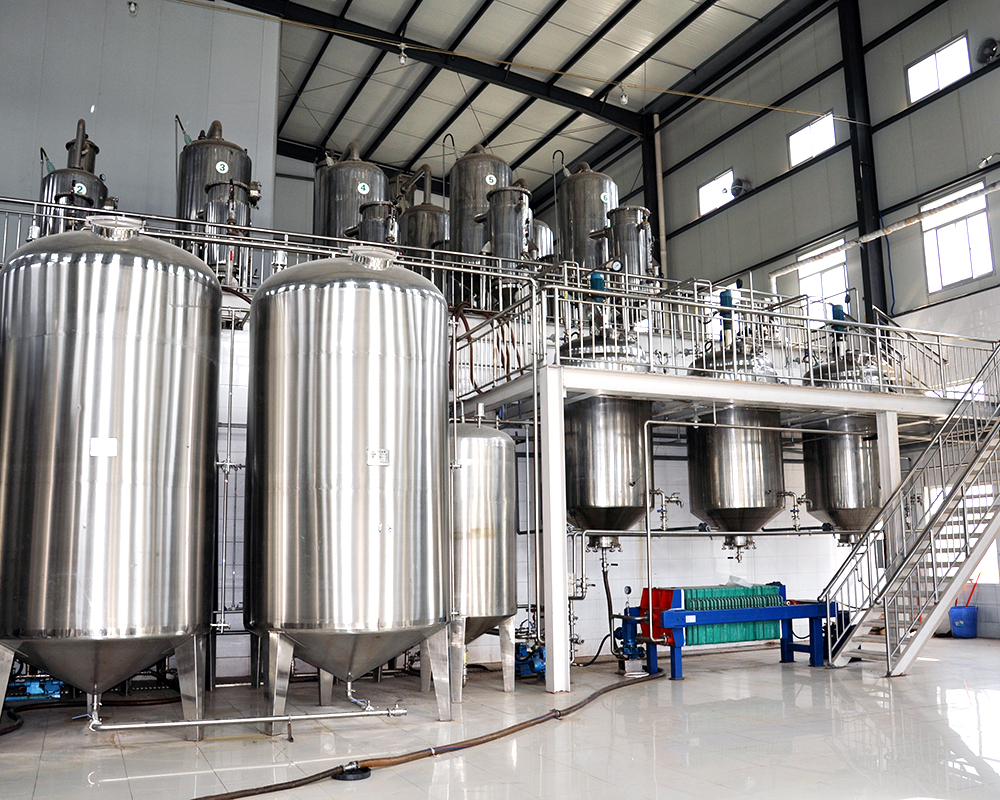
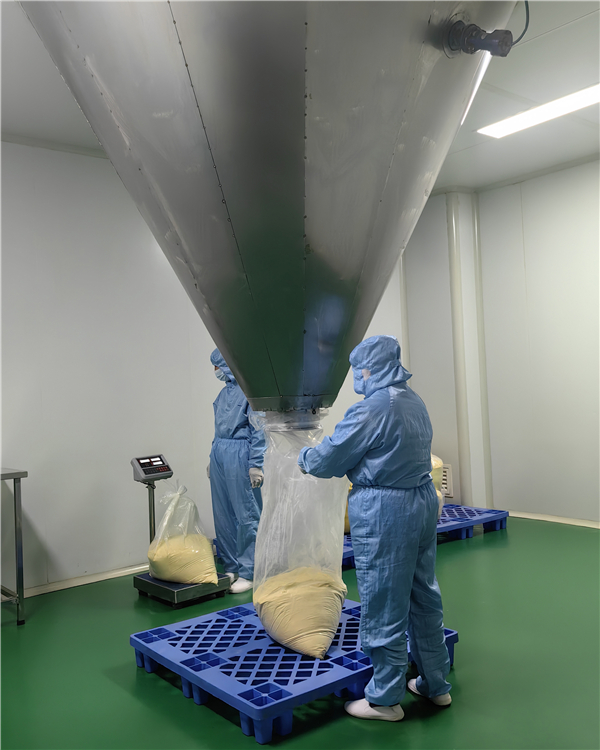
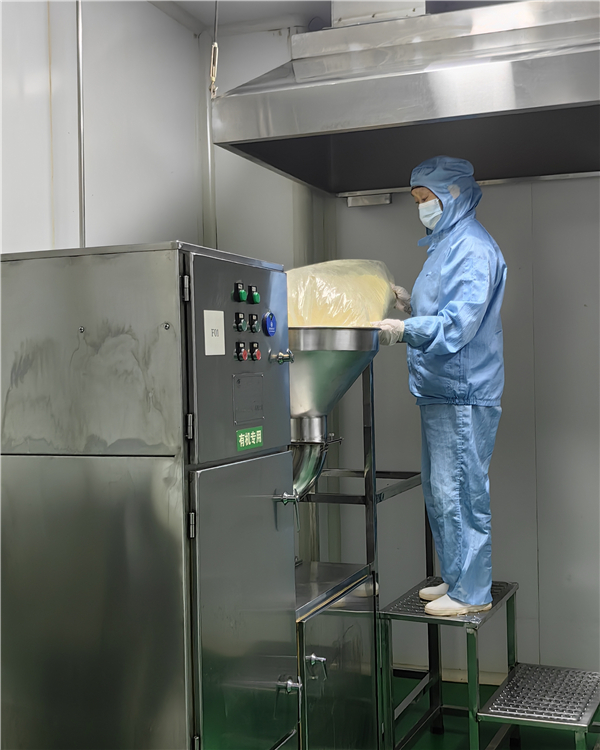
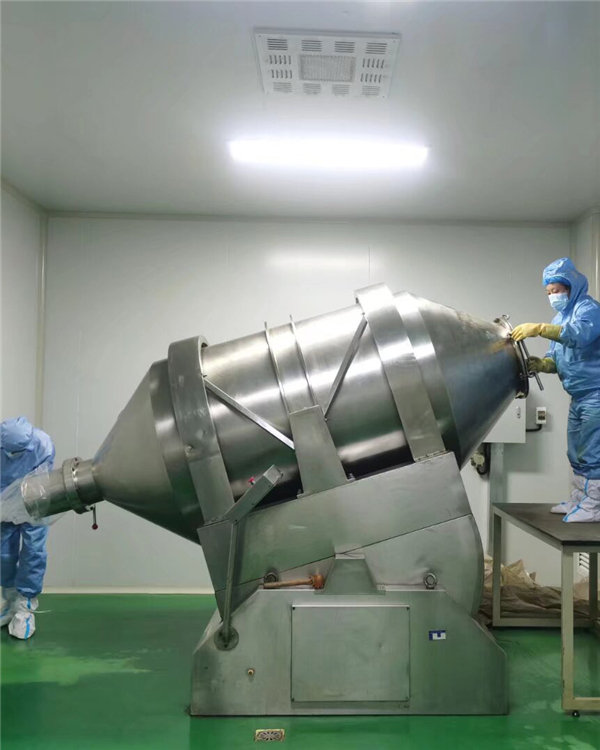
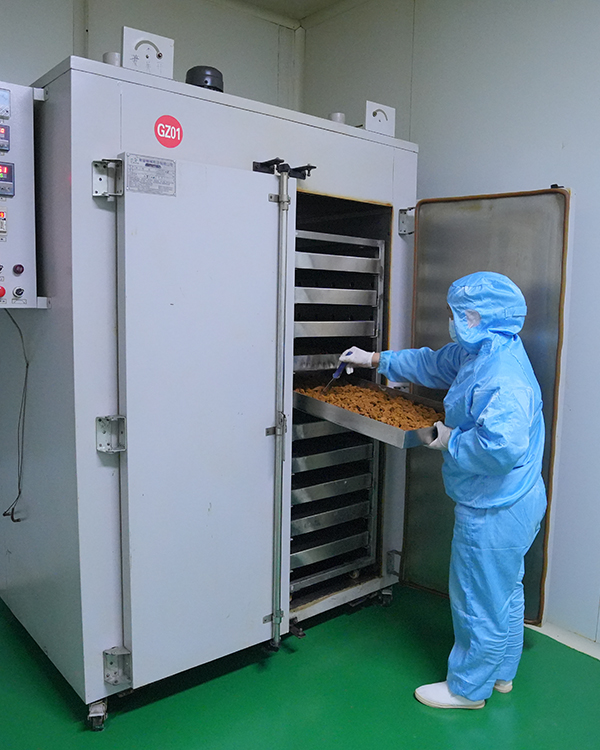
The production of high-performance insoluble fibers (such as oat fiber and bamboo fiber) requires strict control over physical processing. Any contaminant, thermal degradation, or microbial load will instantly render a batch unsuitable for premium applications. At our Sanyuan Factory, the entire post-processing flow—including milling, air-classification, sieving, and vacuum-drying—is kept within an ISO-certified, Class 100,000 cleanroom environment.
Operators inside the cleanroom strictly follow standard operating procedures (SOPs) requiring double-barrier sterile gowns, particulate-filtering masks, and protective gloves to minimize contact. This strict control over the cleanroom atmosphere reduces dust particle counts and virtually eliminates microbiological vectors, ensuring that the natural dietary fiber retains its chemical composition without artificial preservatives. Our process is optimized for maximum purity and high bulk-density consistency.
Comparison of primary industrial plant-based fibers manufactured across our three bases.
| Fiber Type | Primary Raw Source | Water-Holding Capacity (WHC) | Oil-Binding Capacity (OBC) | Target Applications | Certifications Available |
|---|---|---|---|---|---|
| Oat Fiber Powder | Avena sativa (Hulls) | > 5.5 g/g | > 3.0 g/g | Bakery, low-carb foods, gluten-free items | Organic, Halal, Kosher, ISO 22000 |
| Bamboo Fiber | Bambusa vulgaris | > 8.0 g/g | > 4.5 g/g | Extruded snacks, meat analogues, cosmetics | ISO 9001, Kosher, Halal |
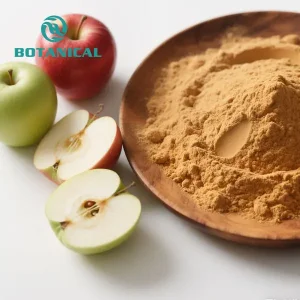
| Apple Fiber | Malus domestica (Pulp) | > 4.0 g/g | > 2.5 g/g | Nutraceutical tablets, fruit fillings, gut health | HACCP, ISO 22000, Non-GMO |
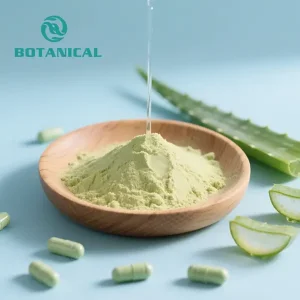
| Aloe Vera Mucilage Fiber | Aloe barbadensis (Inner leaf) | > 12.0 g/g (Soluble) | - | Cosmetics, functional beverages, skin soothing | USDA Organic, Ecocert, GMP |
China's dominance in the global plant-based fiber manufacturing sector is built on structural advantages: localized raw material supply, integrated industrial ecosystems, and advanced automation. As a leading manufacturer based in Xi'an—the historic capital of botanical extraction—our factories sit directly adjacent to China's primary agricultural belts. This proximity eliminates the high transit costs and degradation associated with long-distance raw material transportation.
Furthermore, our integration with domestic high-precision machinery manufacturers allows us to run custom jet-milling and vacuum-drying setups at a fraction of the capital cost found in Western factories. We pass these savings directly to our global partners as lower FOB/CIF costs. This technological edge is backed by highly optimized logistics networks linked to Qingdao and Shanghai ports, ensuring prompt shipping and stable delivery times to international destinations.
Our plants feature automated PLC control systems that manage temperature, air pressure, and feed rates in real-time. This high level of automation reduces batch-to-batch variation, ensuring that whether a buyer purchases 1 ton or 100 tons, the fiber's mesh distribution, bulk density, and organoleptic properties remain uniform.
How plant-based fibers function as critical ingredients across key consumer goods categories.
In gluten-free and keto bread lines, our high-purity oat fiber acts as a structural network builder. It retains moisture during baking, which increases shelf life, yields softer crumb structures, and reduces calorie density without altering taste profiles.
By mimicking the fibrous matrix of animal muscle tissue, our insoluble bamboo and pea fibers improve chewiness and reduce shrinkage in vegan burgers and sausages. Their high water-holding and oil-binding capacities keep emulsified fats stable during high-heat cooking.
In dietary supplement drinks, our soluble fibers act as effective prebiotics, nourishing beneficial gut flora (Lactobacillus and Bifidobacterium). In personal care products, micronized fibers serve as clean, eco-friendly alternatives to synthetic microplastics.

Global import regulations have become increasingly strict. The EU (EFSA) and US (FDA) enforce rigid maximum residue levels (MRLs) for agricultural chemicals and heavy metals. When sourcing plant-based fibers, buyers should request more than just basic Certificate of Analysis (COA) documents. High-tier suppliers must provide comprehensive testing profiles, including Gas Chromatography-Mass Spectrometry (GC-MS) for pesticides and Inductively Coupled Plasma Mass Spectrometry (ICP-MS) for heavy metals.
Botanical Cube Inc. maintains strict compliance protocols. Our raw materials are tested for over 200 pesticides, heavy metals (Lead, Cadmium, Arsenic, Mercury), and microbiological counts (Salmonella, E. coli, yeasts, and molds). We document each production step to offer full traceability from agricultural cultivation through processing, shipping, and delivery.
Find answers to technical and regulatory questions about purchasing and formulating with plant-based fibers.
Soluble fibers (such as pectin, inulin, and mucilages) dissolve in water to form viscous gels, which are ideal for thickening, stabilizing beverages, and regulating blood sugar. Insoluble fibers (like cellulose, hemicellulose, and lignins) do not dissolve in water. Instead, they absorb water into their physical structures, which increases bulk and assists processing. Insoluble fibers are primarily used in baking and meat production to control moisture loss and improve structural texture.
We enforce strict equipment sanitation processes and schedule run times to avoid cross-contamination. Our oat raw materials undergo physical separating processes to ensure they remain gluten-free. We verify each batch using ELISA test kits to confirm that allergen levels remain below the 20 ppm regulatory limit required for gluten-free labeling.
Yes. Our insoluble fibers, including bamboo and oat fibers, are highly heat-stable and can withstand temperatures up to 250°C without breaking down. This makes them ideal for extruded snacks, pet foods, baked goods, and retorted canned products. They retain their water-holding capacities even after undergoing intense thermal processing.
Our production facilities hold major international certifications, including ISO 22000, HACCP, Kosher, Halal, and USDA Organic. These certifications ensure our products meet the quality, safety, and traceability standards required by customs agencies in the US, Europe, and the Middle East.
Yes, we can customize particle sizes through micronization. We offer mesh sizes ranging from 50 mesh for coarse, textured foods up to 300 mesh for smooth-textured functional beverages, creams, and cosmetic applications.
Explore our active nutraceutical ingredients and pure botanical extracts available for wholesale and OEM formulations.
 Botanical