Cyanocobalamin, the most stable and commercially prominent form of Vitamin B12, represents a critical organometallic compound utilizing coordinate covalent bonding with a cobalt center. As a primary micronutrient, it plays an indispensable role in DNA synthesis, neurological maintenance, erythrocyte maturation, and general metabolic processes. Globally, B2B procurement managers face increasing complexity in identifying reliable, high-purity Cyanocobalamin suppliers capable of meeting stringent regulatory frameworks and continuous volume requirements.
The structural stability of Cyanocobalamin compared to other cobalamin derivatives (such as methylcobalamin or adenosylcobalamin) makes it the baseline choice for food fortification, veterinary nutrition, pharmaceuticals, and cosmetics. To maintain chemical integrity and regulatory compliance, raw material buyers must align with manufacturers that control the entire biosynthetic pipeline—from primary bacterial fermentation to final cleanroom crystalline processing.
In the high-stakes B2B purchasing ecosystem, sourcing Cyanocobalamin is no longer just about transactional unit pricing. Critical metrics include Assay Purity (HPLC) ≥ 98.5%, strict microbial limits, low heavy metal profiles, and documentation readiness (DMF, CEP, Kosher, Halal, Non-GMO).
Industrial synthesis of Cyanocobalamin relies entirely on bacterial fermentation (e.g., using Pseudomonas denitrificans or Propionibacterium freudenreichii). Modern suppliers are implementing genetic optimization and high-density fermentation setups to increase yields while decreasing chemical waste, aligning with eco-conscious manufacturing guidelines.
Global pharmacopoeias (USP, EP, BP, and ChP) have tightened limits on related substances, organic impurities, and residual solvents. Buyers look for suppliers who guarantee minimum HPLC assays of 98.0% to 101.0% on an anhydrous basis with trace-level heavy metal control.
With the exponential growth of veganism and clean-label diets, Vitamin B12 has transitioned from a simple clinical supplement to an essential functional food ingredient. Companies formulation experts choose Cyanocobalamin for its superior thermal stability compared to natural cobalamin variations.
In terms of global trade, the demand for Vitamin B12 is highly centralized in North America, Europe, and Asia-Pacific. Sourcing strategies are shifting from spot buying to strategic supply agreements, as supply chain disruptions have proven that raw material shortages can stall multi-million dollar production lines. To insulate themselves from market shocks, enterprises are choosing suppliers with vertically integrated manufacturing infrastructure and verified contingency reserves.
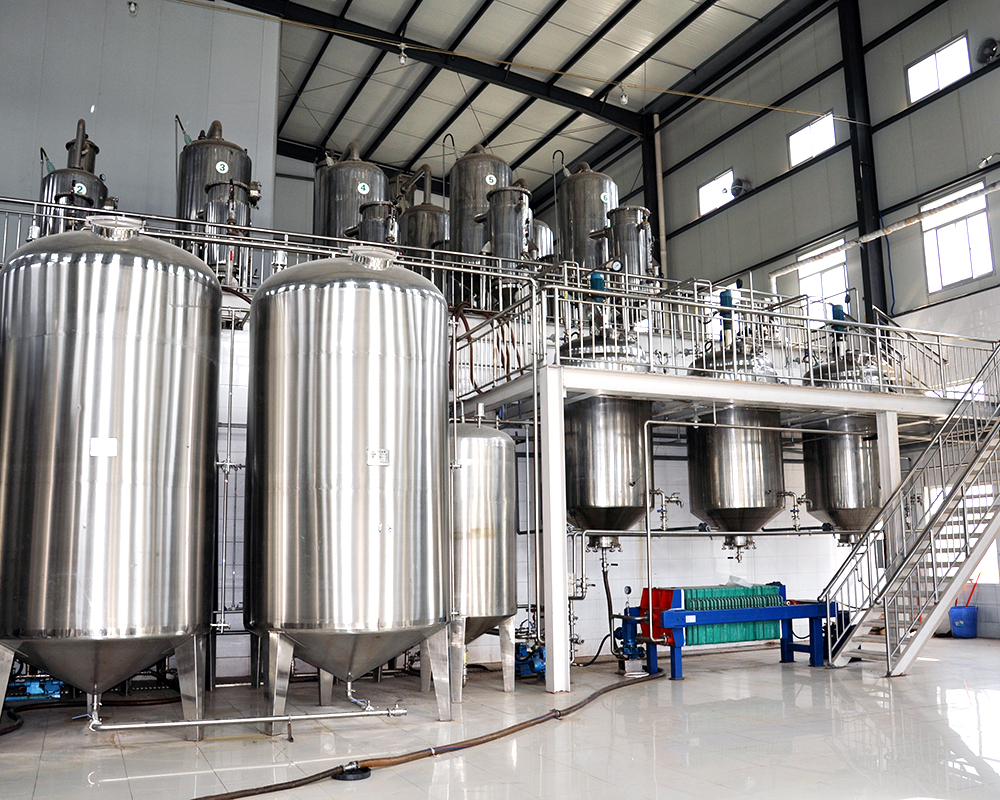
China remains the undisputed epicenter of global Vitamin B12 fermentation and production. Our factory infrastructure, operated under the parent entity Xi'an Tianben Bioengineering Co., Ltd. and executed by Botanical Cube Inc. and Shaanxi Tianben Kangyuan Biotechnology Co., Ltd., integrates advanced Factory 4.0 automation systems.
By utilizing automated Distributed Control Systems (DCS), our fermentation bases monitor variables like pH, dissolved oxygen, temperature, and feeding rates in real-time. This level of process control ensures batch-to-batch consistency and significantly reduces human-error impurities. It allows us to process more than 3,000 tons of plant and active raw materials annually across our three integrated production bases spanning over 100 acres.
This physical footprint, combined with our advanced supply network, allows us to export to over 60% of the world's countries, serving more than 200 countries and regions and satisfying the formulation demands of 500+ global corporate clients.
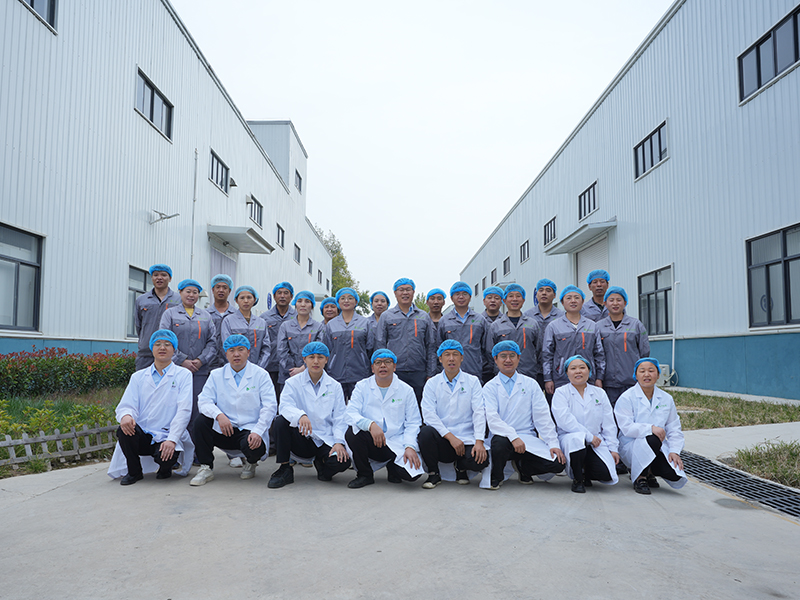
Established in 2012 in Sanyuan County, Xi'an (four years after our corporate group’s founding), our first dedicated facility represents the foundation of our manufacturing maturity. Our early years were dedicated to intensive process optimization, investing heavily in biotechnology research, operator training protocols, and analytical instrumentation. This relentless commitment to refinement laid the path for our modern production efficiency and compliance metrics.
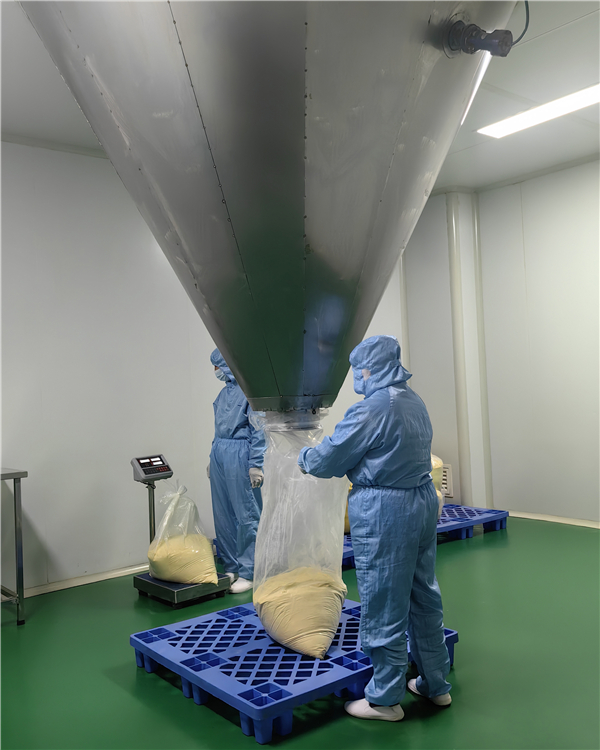
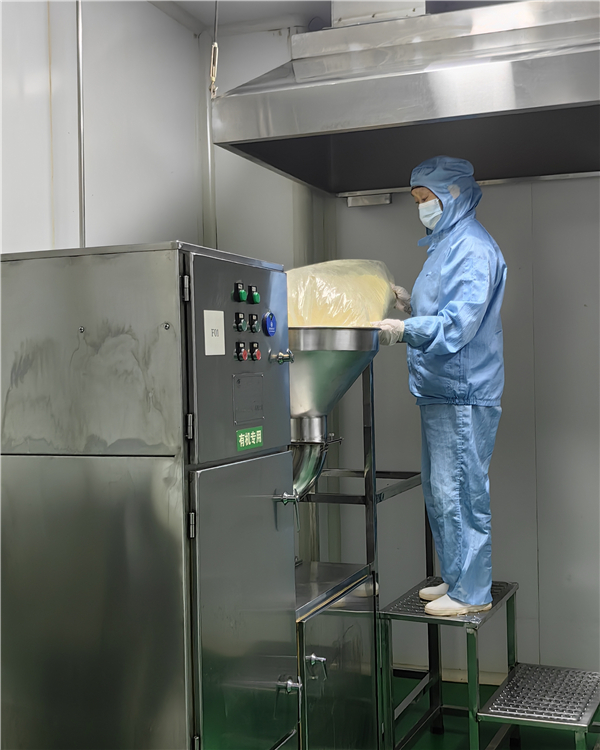
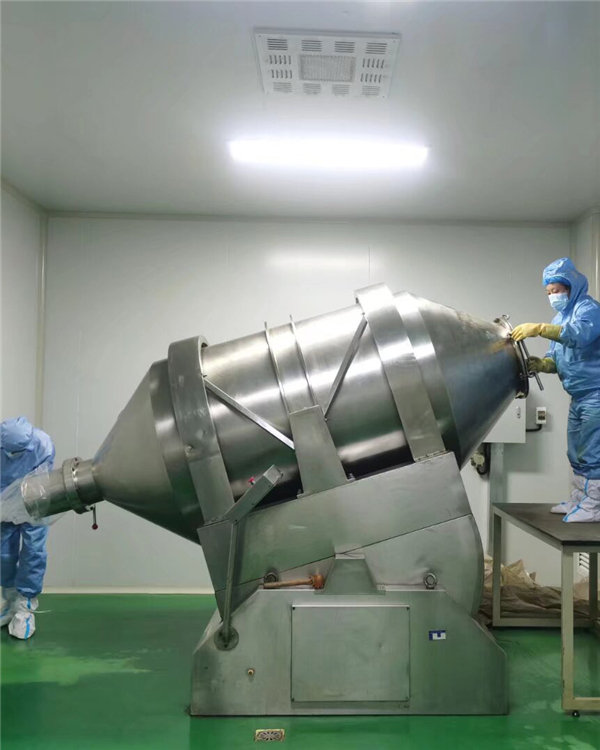
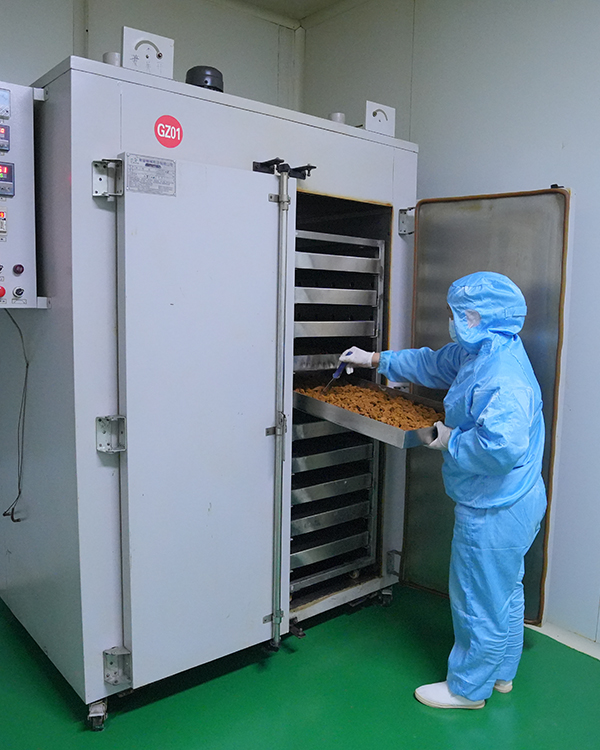
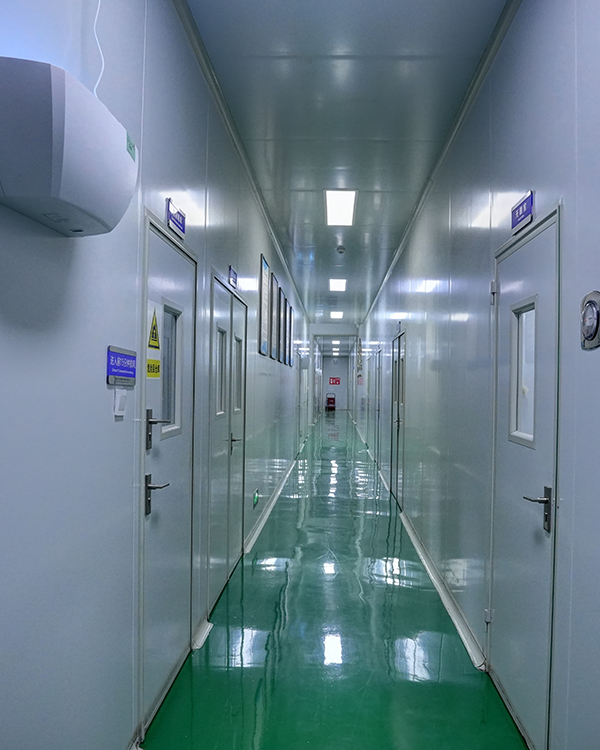
To safeguard critical active ingredients like Cyanocobalamin from cross-contamination, crucial steps—including powder collection, crushing, sieving, mixing, and final drying—are strictly conducted inside our state-of-the-art Class 100,000 cleanroom environment.
Our operating technicians follow precise hygiene protocols, utilizing sterile gowns, face masks, protective hairnets, and sterilized gloves. The atmospheric air is continuously filtered through HEPA systems to maintain strict microbial and particulate counts, guaranteeing the purity and physical properties required by international pharmaceutical and supplement brands.
Depending on your geographic location and target industry, Cyanocobalamin must adapt to diverse product matrices. Below are the primary application sectors where we support global brands:
Used in therapeutic injections, sublingual tablets, and clinical liquid formulations for treating peripheral neuropathies, cobalamin deficiencies, and pernicious anemia. Requires API-grade purity levels matching EP/USP/BP monographs.
Incorporated into multi-vitamin complexes, energy-boosting gummies, and prenatal supplements. Sourcing managers require clean-label, allergen-free certificates, and specific mesh sizes for high-speed direct compression machinery.
Extensively added to energy drinks, plant-based milk alternatives, and fortified breakfast cereals. Thermal stability during pasteurization and baking is critical, making Cyanocobalamin the industry standard over other less-stable B12 forms.
In skin care, Cyanocobalamin is utilized in topical creams and serums due to its natural pink hue (often referred to as the "Pink Vitamin") and its researched benefits in mitigating inflammatory skin conditions like eczema, dry skin, and redness.
Crucial feed additive for livestock, poultry, and aquaculture. Ensures optimum cell growth, protein synthesis, and metabolic efficiency. Feed-grade suppliers must guarantee homogenous blending and excellent stability in premixes.
Cyanocobalamin is a synthetic form of Vitamin B12 that contains a cyano ligand, making it exceptionally stable against heat, light, and oxidation. This chemical stability is vital for formulations with long shelf-life requirements (like tablets and fortified foods). Methylcobalamin, while bioactive, is highly susceptible to light degradation and is typically utilized in specialized sublingual supplements.
Every production batch undergoes comprehensive analysis utilizing High-Performance Liquid Chromatography (HPLC) to verify active ingredient assays. We further test for organic volatile impurities, heavy metal concentrations (via ICP-MS), moisture content, and microbiological profiles. Clients receive a comprehensive Certificate of Analysis (COA) for validation.
Yes. Our primary manufacturing facility, Sanyuan Factory, operates strictly under Good Manufacturing Practices (GMP) frameworks. The cleanroom meets Class 100,000 air filtration requirements. Additionally, our processes are certified by ISO 9001, ISO 22000, Kosher, Halal, and USDA Organic standards for specific botanical lines.
For pure Cyanocobalamin 99%, we standardly offer 1kg and 5kg aluminum canisters lined with double low-density polyethylene (LDPE) food-grade bags. For diluted grades (such as 1% or 0.1% trituration on carriers like dicalcium phosphate or maltodextrin), we package in 25kg cardboard fiber drums. Custom packaging solutions can be established upon consultation.
By maintaining three separate production locations and robust regional storage reserves, we prevent localized operational delays from impacting deliveries. Our proximity to the Xi’an transport hub enables multimodal transit—integrating major ports and the China-Europe railway system—which guarantees fast transit to over 200 countries.
 Botanical