What Are the Top 10 Organic Superfood Powders for Buyers?

Time:2026-10-02 Author:Mason
0%

Choosing an Organic Superfood Powder can seem simple until buyers compare labels, sourcing claims, and laboratory results. A bright green pouch does not automatically mean better nutrition. Real purchasing decisions require closer inspection.

Registered dietitian and nutrition author Keri Glassman has often stressed, “Supplements are meant to supplement, not replace, a healthy diet.” That principle matters here. Powdered greens, berries, mushrooms, and adaptogenic plants may add convenience, but they cannot repair an unbalanced eating pattern. Buyers should still consider whole vegetables, fruit, protein, hydration, and sleep.

This guide examines the top 10 Organic Superfood Powder options through a practical buyer’s lens. It considers ingredient transparency, organic certification, third-party testing, nutrient density, flavor, solubility, packaging, and price per serving. Heavy-metal screening deserves attention, especially for products containing algae, herbs, or soil-grown ingredients. Some blends also hide sweeteners, proprietary formulas, or unnecessary fillers behind attractive branding.

Taste counts.

A powder that tastes strongly of wet grass may remain unopened. That is not a minor detail; it affects consistent use. However, rankings are never universal. A certified organic berry blend may suit one buyer, while an unsweetened greens powder may better fit another person’s diet and budget.

The evaluation also recognizes uncertainty. “Superfood” is a marketing term, not a regulated nutritional category. Evidence varies across ingredients, and impressive claims may exceed the available research. Buyers should read the full label, check allergen statements, verify testing information, and consult a qualified healthcare professional when medications or medical conditions are involved.
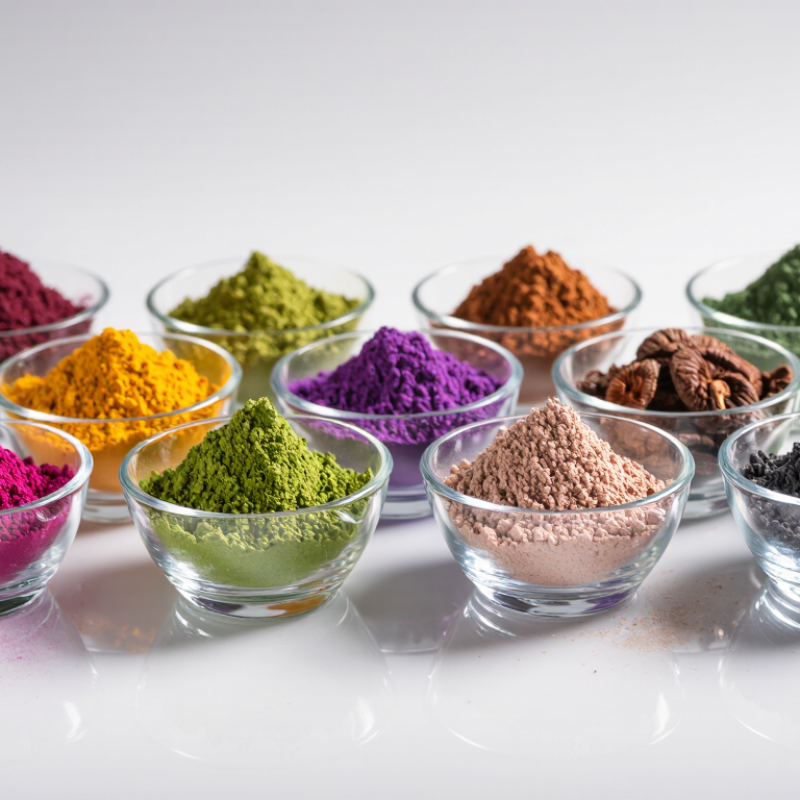
What Are the Top 10 Organic Superfood Powders for Buyers?

What Organic Superfood Powders Are and How They Are Evaluated

Organic superfood powders are concentrated plant ingredients, often made from leafy greens, berries, roots, mushrooms, or seeds. Their “organic” label should reflect certified farming and controlled processing, not merely attractive packaging. Buyers should check the ingredient list, serving size, country of origin, and certification details before comparing the top 10 options.

Evaluation requires more than judging color or taste. I look for independent testing, clear batch numbers, and a certificate of analysis covering heavy metals, microbes, and unwanted residues. Fresh powder should have a natural aroma, even texture, and no damp clumps. Solubility matters too. A powder that settles quickly may still be useful, but it can make daily use frustrating. Nutrition panels should state actual amounts, rather than hiding behind vague “blend” language. I once trusted a vivid green color too quickly; it reminded me that appearance proves very little.

Tips: Compare the active ingredients per serving, not just the container size. Choose simple formulas when you have allergies or dietary restrictions. Store opened powder in a cool, dry cupboard, and use a clean spoon. Claims about detoxification or guaranteed results deserve caution. A reliable product explains what it contains and what testing supports it. Freshness, transparency, and personal tolerance are practical measures that buyers should weigh alongside organic certification.

The Top 10 Organic Superfood Powders by Nutritional Profile

The top 10 organic superfood powders stand out for different nutritional strengths. Spirulina offers concentrated protein, iron, and carotenoids. Chlorella adds chlorophyll and some iron, although its vitamin B12 is not reliable. Moringa provides calcium, potassium, and plant compounds. Wheatgrass contributes chlorophyll, vitamin K, and small amounts of minerals.

Beetroot powder is valued for natural nitrates, which may support exercise blood flow. Cacao powder supplies magnesium and flavonoids, but unsweetened versions are the better choice. Acai offers anthocyanins, while baobab brings vitamin C and fiber. Maca is mainly used for its earthy flavor and carbohydrate content. Turmeric contains curcumin, though absorption can be limited without suitable dietary fat. These rankings reflect nutritional profiles, not marketing claims.

Tips: Check the organic certification and ingredient panel before buying. Choose powders with clear testing for heavy metals and microbes. Start with half a teaspoon in yogurt, oats, or a smoothie. Some powders taste sharply grassy. That is normal, but not always pleasant. Pair iron-containing powders with vitamin C foods, such as kiwi or citrus. Remember that powders concentrate nutrients, yet they do not replace varied meals. I would also question dramatic “detox” promises, because human evidence remains uneven.

Key Health Benefits and Suitable Uses of Each Powder

Buyers often choose powders for convenience, not magic. Grand View Research valued the global organic food and beverage market at about $208 billion in 2022. Nutrition Business Journal reported U.S. supplement sales above $60 billion in 2023. The practical top ten include matcha, beetroot, spirulina, chlorella, wheatgrass, turmeric, ginger, maca, cacao, and baobab. Matcha offers caffeine and catechins for morning focus. Beetroot powder supplies dietary nitrate and suits pre-exercise drinks. Spirulina and chlorella provide concentrated protein and minerals. Wheatgrass works well in small smoothies, though its flavor is grassy.

Turmeric may support inflammatory balance, but evidence varies. The NIH National Center for Complementary and Integrative Health advises caution with strong health claims. Ginger powder fits teas and post-meal routines, especially for digestive comfort. Maca is commonly used in breakfast blends for energy, although human evidence remains limited. Cacao adds magnesium, polyphenols, and a deeper flavor. Baobab contributes vitamin C and fiber for yogurt or water. USDA FoodData Central is useful for checking nutrient differences between products.

Use certified-organic powders when farming standards matter. Check serving size, testing, allergens, and added sweeteners. Powders are concentrated foods. Start with half a serving. People taking medication, pregnant individuals, and those with medical conditions should ask a qualified clinician. The ranking is not absolute; soil, processing, dose, and personal tolerance can change the result.

Organic Certification, Ingredient Quality, and Safety Considerations

Choosing among the top 10 organic superfood powders requires more than attractive packaging. Organic certification should be verified through a recognized certifier and a current certificate. Rules differ by country. A green-looking label proves little. Check whether certification covers the entire product, not only one ingredient. Look for clear lot numbers, expiration dates, and traceable sourcing.

Ingredient quality deserves close inspection. A short ingredient list is usually easier to evaluate. The powder should identify its plant source, processing method, and serving size. Cold processing may help protect delicate nutrients, but manufacturers should explain their methods. Independent laboratory testing can reveal heavy metals, microbes, pesticides, or undeclared allergens. Certificates of analysis are useful, though they are not automatically perfect. Documents can be outdated.

Safety still matters, even with organic ingredients. Natural does not mean risk-free. Buyers should check allergies, medication interactions, caffeine content, and added sweeteners. Some powders may be unsuitable during pregnancy, breastfeeding, or childhood. Start with a small serving and monitor digestion, skin changes, or unusual reactions. Stop if problems appear. A healthcare professional can review products alongside existing conditions and medicines. I would also question vague claims such as “detox” or “boosts everything.” They sound persuasive, but they rarely explain measurable evidence.

Top 10 Organic Superfood Powders for Buyers

This comparison uses approximate protein and dietary-fiber values per 100 g from USDA FoodData Central reference entries for the corresponding dried foods or seeds. Actual powder values vary by cultivar, processing, moisture, and serving size. Organic certification is product-specific, so buyers should verify the certification seal, ingredient identity, allergen controls, heavy-metal and microbiological testing, and batch traceability before purchasing.

How Buyers Can Compare, Choose, and Store Superfood Powders

Choosing among the top 10 organic superfood powders requires more than colorful packaging. Compare the ingredient list, organic certification, processing method, and batch testing. A single-ingredient powder is easier to evaluate than a blend with vague “proprietary” amounts. Check whether the certificate comes from a recognized authority in your country. Organic status does not automatically prove high nutritional quality.

Look for clear testing information covering heavy metals, microbes, pesticides, and allergens. This matters for powders made from leafy greens, roots, algae, or berries. Packaging should show the lot number, production date, best-before date, and suggested serving size. I prefer resealable, opaque pouches because sunlight and humidity can weaken flavor and texture. Tiny details matter.

Taste can also reveal useful information. A grassy smell may suit wheatgrass, while a stale or damp odor suggests poor storage. However, appearance can mislead. Bright color is not proof of freshness. I once underestimated how quickly an opened pouch absorbed kitchen moisture. Keep powders tightly sealed in a cool, dry cupboard, away from steam and direct sunlight. Use a clean, completely dry spoon. Refrigeration is not always necessary and may create condensation. Buyers should also compare serving costs, not just container prices, because scoop sizes often differ. When unsure, choose fewer ingredients and verify the source before making a regular purchase.

What Are the Top 10 Organic Superfood Powders for Buyers? - How Buyers Can Compare, Choose, and Store Superfood Powders

Rank Organic Powder Plant Source Notable Nutritional Features Typical Serving Flavor Profile Best Buying Checks Storage Guidance
1 Spirulina Powder Blue-green microalgae Concentrated protein source; provides iron and some carotenoids. Protein quality and nutrient levels vary by product. About 1–3 g, following the product label Strong marine, savory, and earthy notes Organic certification, heavy-metal testing, microcystin testing, country of origin, and a recent certificate of analysis Keep tightly sealed in a cool, dry, dark cupboard; protect from moisture and heat.
2 Chlorella Powder Freshwater green microalgae Contains protein, iron, chlorophyll, and carotenoid compounds; digestibility can differ depending on whether the cell wall is broken. About 2–5 g, following the product label Green, grassy, and slightly bitter Look for “broken cell wall” information, contaminant testing, organic certification, and clear batch details. Store sealed away from sunlight and humidity; use a dry measuring spoon.
3 Moringa Leaf Powder Moringa oleifera leaves Provides fiber, plant protein, calcium, potassium, iron, and carotenoid compounds; levels depend on growing and drying conditions. About 2–5 g, following the product label Leafy, earthy, and mildly bitter Check that the ingredient is leaf powder rather than root powder, and verify harvest date, organic status, and microbial testing. Use an airtight container and keep in a cool, dry place away from direct light.
4 Wheatgrass Powder Young wheat leaves Contains chlorophyll, vitamin K, folate, and carotenoid compounds; it is not a reliable source of vitamin B12. About 3–5 g, following the product label Fresh grass and mildly sweet Confirm whether it is juice powder or whole-leaf powder, review gluten-related handling information, and check organic certification. Seal immediately after use and protect from heat, light, and humidity.
5 Beetroot Powder Beetroot Naturally contains dietary nitrates, folate, potassium, and betalain pigments; nitrate content varies substantially by crop and processing. About 5–10 g, following the product label Sweet, earthy, and lightly mineral Compare whether the product provides tested nitrate content, and check for added sugar, fillers, and third-party testing. Keep dry and tightly closed; avoid storing near steam or strong odors.
6 Maca Root Powder Lepidium meyenii root Provides carbohydrates, fiber, and minerals in modest amounts; it is commonly sold as raw or gelatinized powder. About 3–5 g, following the product label Malted, nutty, and earthy Choose raw or gelatinized according to intended use, and check country of origin, organic certification, and ingredient purity. Store in a dry, dark cupboard with the package firmly resealed.
7 Baobab Fruit Powder Baobab fruit pulp A naturally acidic powder containing dietary fiber, vitamin C, potassium, and polyphenol compounds. About 5–10 g, following the product label Tangy, citrus-like, and lightly caramelized Look for 100% fruit pulp, no added sweeteners, origin information, organic certification, and moisture-control packaging. Keep airtight and dry; reseal promptly because the powder can absorb moisture.
8 Camu Camu Powder Camu camu fruit Naturally rich in vitamin C, with additional polyphenol compounds; vitamin C may decline with heat, oxygen, and storage time. About 1–3 g, following the product label Sharp, sour, and fruity Compare declared vitamin C per serving, processing method, harvest or best-before date, and the absence of unnecessary additives. Store sealed in a cool, dark, dry location; minimize exposure to air.
9 Acai Berry Powder Acai berry pulp or freeze-dried fruit Contains fiber, naturally occurring fats, anthocyanin pigments, and other polyphenols; nutrient levels depend on the fruit portion and drying process. About 3–5 g, following the product label Berry-like, earthy, and slightly tart Check for unsweetened 100% fruit, freeze-drying information, added maltodextrin or sugar, and independently verified testing. Protect from light, heat, oxygen, and humidity; use the original resealable package when suitable.
10 Barley Grass Powder Young barley leaves Provides fiber, vitamin K, folate, potassium, and carotenoid compounds; it is different from barley grain and is not automatically gluten-free. About 3–5 g, following the product label Green, grassy, and mildly sweet Check gluten-control claims, whole-leaf versus juice powder, organic certification, microbial testing, and the full ingredient list. Close tightly after each use and store away from sunlight, heat, and moisture.
Buyer and Storage Checklist: Select products with a recognized organic certification, a short ingredient list, transparent country-of-origin information, batch or lot identification, and current testing for contaminants where relevant. Store powders in airtight, moisture-resistant packaging in a cool, dry, dark place, and follow the manufacturer’s best-before date and serving instructions.
Note: Nutrient composition varies according to plant variety, soil, harvest timing, processing, and storage. Superfood powders are concentrated foods rather than substitutes for a varied diet. People taking medication or managing a medical condition should seek professional advice before regular use.

FAQS

What are organic superfood powders?

They are concentrated plant ingredients made from greens, berries, roots, mushrooms, or seeds. “Organic” should involve certified farming and controlled processing.

How can I evaluate powder quality?

Check the ingredient list, serving size, origin, certification, batch number, and testing documents. Testing should cover heavy metals, microbes, pesticides, and allergens.

Does a bright green color prove freshness?

No. Color can mislead. Fresh powder usually has a natural aroma, even texture, and no damp clumps.

Which powders suit common daily uses?

Matcha may fit morning drinks. Beetroot suits pre-exercise beverages. Ginger works well in tea. Cacao adds a deeper flavor to smoothies.

How should I compare two powder products?

Compare active ingredients per serving, not container size. Also compare serving costs because scoop sizes can differ.

Are single-ingredient powders easier to judge?

Usually, yes. Clear formulas show exact amounts. Vague blends make comparison difficult, especially with allergies or dietary restrictions.

How should opened powder be stored?

Keep it sealed in a cool, dry cupboard. Use a clean, completely dry spoon. Avoid steam and direct sunlight.

Should everyone use these powders?

No. Start with half a serving and observe your tolerance. People taking medication, pregnant individuals, or those with medical conditions should consult a qualified clinician.

Can these powders guarantee detoxification or other health results?

No reliable product should promise guaranteed results. Benefits may vary with soil, processing, dose, and personal tolerance. I once trusted appearance too quickly. That judgment needed more testing.

Conclusion

Organic Superfood Powder refers to a finely processed plant-based powder made from nutrient-rich ingredients such as leafy greens, berries, roots, seeds, algae, and functional mushrooms. This guide explains how these powders are evaluated by considering their nutritional profiles, ingredient variety, processing methods, taste, solubility, and overall value. It compares ten leading categories of organic superfood powders, highlighting their typical nutrients, potential wellness benefits, and suitable uses in smoothies, oatmeal, soups, beverages, and everyday meals.

Buyers will also learn how to review organic certification, ingredient lists, allergen statements, testing information, and added sweeteners or fillers before purchasing. Since each powder offers a different combination of vitamins, minerals, fiber, antioxidants, or plant compounds, choosing the right option depends on individual dietary goals and preferences. The article also provides practical guidance on comparing serving sizes, checking product freshness, storing powders in cool, dry conditions, and using them as a supplement to—not a replacement for—a varied, balanced diet.

Mason

Mason

Mason is a seasoned marketing professional with a deep expertise in the company's offerings and a passion for driving brand awareness. With a strong background in digital marketing strategies, he has an innate ability to connect with diverse audiences and effectively communicate product benefits.......