China’s antioxidant ingredient sector spans botanical extracts, vitamins, minerals, and custom premixes. This guide introduces ten manufacturers for buyers comparing an Antioxidant Blend supplier. The right partner does more than combine ingredients. It can explain sourcing, formulation choices, quality controls, and how the finished blend is tested.
Antioxidant researcher Dr. Lester Packer helped popularize the idea that antioxidants can function as a network. A practical takeaway from that concept—not a verbatim quotation—is: “A blend earns trust through evidence, stability, and a clear purpose.” That distinction matters. A polished brochure cannot replace technical documents, traceable raw materials, or dependable batch records. Ask how suppliers assess ingredient identity, oxidation, storage conditions, and compatibility within the proposed formula. Request relevant specifications and test documentation before comparing prices.
The manufacturers in a useful shortlist should be assessed against consistent criteria: manufacturing experience, quality systems, customization, communication, and export support. Look closely at the details. Can the team explain why a carrier was selected? Does it provide clear guidance on packaging and shelf life? Small answers reveal a lot. Still, no ranking captures every buyer’s needs, and supplier claims deserve independent review. Some product information may be incomplete; that is a reason to ask better questions, not to assume the worst. This overview offers a starting point for careful research, not an endorsement or substitute for technical due diligence.
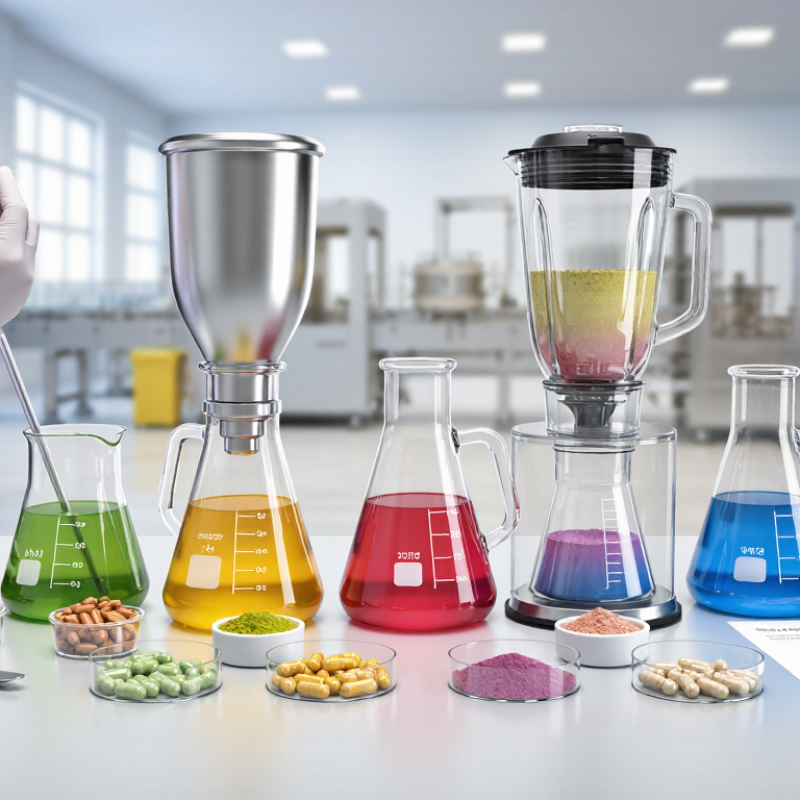
Understanding Antioxidant Blends and Their Industrial Applications
Antioxidant blends combine ingredients that slow oxidation in fats, oils, and other sensitive products. Oxidation can cause rancid odors, faded color, or shorter shelf life. A blend may pair tocopherols with rosemary extract or an ascorbate-based ingredient. The right mix depends on the product’s fat content, moisture, packaging, and processing temperature. Small changes matter.
In edible oils, antioxidants help protect flavor during storage and distribution. Bakery manufacturers may use them to slow rancidity in products containing fats, while meat processors consider both color stability and fat oxidation. Some blends are also used in animal feed, where storage conditions can affect nutrient quality. Grand View Research estimated the global food antioxidants market at USD 2.47 billion in 2022 and projected a 6.4% compound annual growth rate from 2023 to 2030. This market estimate reflects broad demand, not the performance of any single blend.
Industrial selection takes testing, not guesswork alone. A supplier or product developer may compare samples under heat, light, and shelf-life conditions, then check flavor and color. An ingredient that works well in oil may perform poorly in a moist emulsion. Not always. Even careful trials can miss real-world changes in packaging or transport, so results deserve regular review.
The table below summarizes ten representative antioxidant blend systems and their industrial uses. It is a technical overview, not a ranking of manufacturers or a list of company-specific products. Suitability, dosage, and regulatory status depend on the material, formulation, and destination market.
| No. | Representative blend system | Typical industrial applications | Primary function | Practical considerations |
|---|---|---|---|---|
| 1 | Hindered phenol + phosphite | Polyolefins such as polyethylene and polypropylene; compounding and extrusion | Combines long-term radical scavenging with processing-stage hydroperoxide decomposition. | Select grades for the polymer, processing temperature, and food-contact or other applicable requirements. |
| 2 | Hindered phenol + thioester | Polyolefin articles and other polymers exposed to prolonged heat aging | Pairs a primary antioxidant with a sulfur-containing secondary antioxidant to help limit oxidative degradation. | Performance depends on polymer type, temperature, and the interaction of additives in the formulation. |
| 3 | Amine antioxidant + phenolic antioxidant | Rubber compounds, industrial lubricants, and selected elastomer applications | Combines antioxidant mechanisms to help protect against oxidation and heat aging. | Some amine antioxidants can cause staining or discoloration; suitability is application-specific. |
| 4 | BHA + BHT | Certain fat-containing foods and edible oils, where permitted | Helps delay oxidative rancidity in susceptible food products. | Permitted uses and maximum levels vary by jurisdiction and food category; verify current local regulations. |
| 5 | Mixed tocopherols + rosemary extract | Selected edible oils, fats, and food products containing lipids | Provides lipid-phase antioxidant protection using ingredients of natural origin. | Effectiveness varies with oil composition, storage conditions, and extract specification; check labeling rules. |
| 6 | TBHQ + citric acid or another permitted chelating agent | Certain edible oils and fat-containing foods, where permitted | TBHQ inhibits lipid oxidation; a chelating agent can bind pro-oxidant metal ions in suitable systems. | Regulatory limits and approved food uses differ by market; confirm permitted combinations and use levels. |
| 7 | Ascorbyl palmitate + tocopherols | Oil-based food systems and certain fat-containing formulations | Combines a fat-soluble vitamin C derivative with lipid-phase antioxidants to help protect oils from oxidation. | Solubility, processing conditions, and food-use permissions should be assessed for each formulation. |
| 8 | Hindered phenol + aminic antioxidant | Industrial lubricants and turbine or hydraulic oils, depending on the product specification | Supports oxidation resistance under elevated operating temperatures. | Check compatibility with seals, metals, base oils, and the equipment maker’s performance requirements. |
| 9 | Hindered phenol + phosphite | Hot-melt adhesives and other polymer-based adhesive formulations | Helps limit oxidation during melt processing and subsequent thermal exposure. | The package should be tested for color, odor, adhesive performance, and processing stability. |
| 10 | Hindered phenol + phosphite + metal deactivator | Selected engineering plastics and polymer components in contact with metal parts | Addresses oxidative degradation and, where relevant, metal-catalyzed aging. | Metal deactivators are polymer- and metal-specific; validate long-term aging and additive compatibility. |
Note: These are representative antioxidant system categories, not fixed recipes. A qualified formulator should determine composition and dosage through application testing and applicable regulatory review.
They slow oxidation in fats, oils, and other sensitive products. Oxidation can cause rancid odors, faded color, or shorter shelf life.
Some blends pair tocopherols with rosemary extract or an ascorbate-based ingredient. The right mix depends on product conditions.
They can help protect edible oils, fatty bakery products, meat products, and animal feed during storage. Results vary by product.
Test samples under heat, light, and realistic shelf-life conditions. Check flavor and color. Review packaging and transport effects, too.
Request a recent certificate of analysis, test methods, batch traceability, and clear ingredient specifications. Context matters.
An ingredient that works in oil may perform poorly in a moist emulsion. Test it in your own product. Small tests help.
Ask about particle size, flavor, solubility, contaminants, allergens, and consistency between lots. A cool-water test may reveal clumping.
Check packaging, lead times, shipment documents, and moisture protection. Start with a small trial order. Even careful trials can miss transport changes.
This article explores the role of Antioxidant Blend products in industrial applications, explaining how carefully selected antioxidant ingredients can help protect materials from oxidation and support product stability. It also examines China’s manufacturing landscape, including the factors that shape production capacity, technical development, and supply to domestic and international markets.
The article outlines practical criteria for evaluating manufacturers, such as product range, quality management, customization capabilities, technical support, and export experience. It then presents profiles of ten leading manufacturers without focusing on any single brand, followed by a comparison of their offerings, quality standards, and international supply capabilities. Together, these sections provide readers with a structured overview to support informed supplier research and product evaluation.

 Botanical