7 Tips for Buying Super Greens 1 Green Superfood Powder

Time:2026-10-12 Author:Mason
0%

Choosing a greens powder can feel like comparing identical green jars under bright store lights. The labels often promise energy, detox support, immunity, and effortless nutrition. However, impressive claims do not automatically prove quality. This guide introduces seven practical tips for buying Super Greens 1 Green Superfood Powder with greater confidence.

Registered dietitian and nutrition expert Dr. David Katz has said, “The best diet is the one you can stick with.” That principle matters here. A powder should fit your routine, budget, dietary needs, and taste preferences. Check the ingredient list before the front label. Look for clearly named vegetables, algae, fruits, herbs, and digestive ingredients. Vague blends make comparison difficult.

Look closer.

Reliable products usually show manufacturing details, serving sizes, allergen information, and independent testing evidence. Certifications can add reassurance, but they should not replace careful label reading. Consider sugar levels, artificial additives, caffeine content, and possible interactions with medications. A strong earthy smell may be normal, yet a rancid odor, damaged seal, or clumped powder deserves caution.

I have seen people buy the largest container, then abandon it after one unpleasant glass. That is an expensive lesson. Start with a smaller size when possible. Mix one serving with cold water, yogurt, or a morning smoothie, and observe how your body responds. No powder replaces vegetables, varied meals, sleep, or medical advice. Even the best Super Greens 1 Green Superfood Powder has limits, and recognizing them is part of buying wisely.
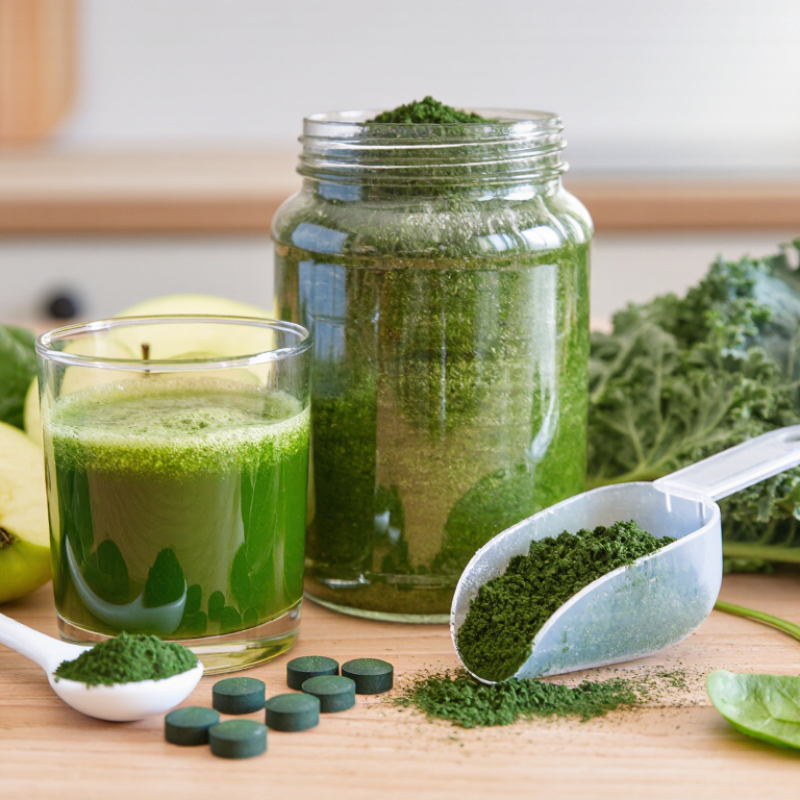
7 Tips for Buying Super Greens 1 Green Superfood Powder

Understanding What Super Greens Powders Contain

Understanding What Super Greens Powders Contain

Super greens powders usually combine leafy vegetables, grasses, algae, herbs, and powdered fruits. Common ingredients include spinach, kale, wheatgrass, chlorella, spirulina, and parsley. The formula may also contain fiber, digestive enzymes, probiotics, vitamins, or minerals. Read the ingredient list carefully. “Greens” does not always mean mostly vegetables.

I compare the first five ingredients with the nutrition panel before buying. Ingredients appear by weight, so this can reveal the powder’s main components. Some products rely heavily on sweeteners, natural flavors, or fruit powders. Those additions may improve taste but provide limited nutritional value. I once assumed a darker green powder contained more nutrients. That assumption was too simple.

Look for clear serving sizes and disclosed amounts. A proprietary blend can hide how much of each ingredient you receive. Independent testing for heavy metals, microbes, and pesticides adds useful confidence, especially for algae and soil-grown grasses. Certifications can help, but they are not identical to laboratory results. Check allergen statements and consider medications, pregnancy, kidney conditions, or digestive sensitivity. “Natural” ingredients can still cause problems. Super greens powders may supplement a balanced diet, but they cannot reproduce the fiber and variety of fresh vegetables. The label deserves more attention than the bright color.

Checking Nutritional Quality and Ingredient Transparency

7 Tips for Buying Super Greens 1 Green Superfood Powder

Checking Nutritional Quality and Ingredient Transparency

A bright green label proves very little. The 2023 Consumer Survey from the Council for Responsible Nutrition found that 74% of U.S. adults use dietary supplements, while 55% use them regularly. That popularity makes careful checking essential. Look for exact amounts of each ingredient, not only a “proprietary blend.” A transparent label should name plant species, serving weight, country of origin, allergens, and processing method. Vague language feels convenient, but it weakens comparison.

Check the nutrition panel beside the ingredient list. USDA FoodData Central lists raw kale at about 49 calories and 4.3 grams of protein per 100 grams. A tiny powder serving cannot honestly replace a full vegetable portion. It may still provide useful micronutrients, but the label should show measured values, not impressive imagery. Watch for excessive sweeteners, hidden caffeine, and unverified vitamin claims. Less clutter helps.

Ask for a recent certificate of analysis for the finished batch. It should address heavy metals, microbes, pesticides, and identity testing. Independent certification under standards such as NSF/ANSI 173 or USP requirements can add confidence, although certification scope matters. The FDA does not approve dietary supplements for safety or effectiveness before sale. That detail is easy to miss. I still find “natural” marketing persuasive sometimes, which is a weakness worth noticing. Verify the evidence, not the color.

7 Tips for Buying Super Greens 1 Green Superfood Powder - Checking Nutritional Quality and Ingredient Transparency

No. Buying Dimension What to Check Evidence of Better Quality Practical Decision
1 Read the Supplement Facts Panel Confirm the serving size, calories, carbohydrate, fiber, sodium, vitamins, minerals, and the amount of each active ingredient. The label lists quantities rather than using only broad terms such as “proprietary blend” or “detox complex.” Prefer products that disclose the amount of every key ingredient per serving.
2 Evaluate Nutritional Quality Check whether the powder contributes meaningful nutrients and whether values are expressed using Daily Value percentages where applicable. A transparent panel separates naturally occurring nutrients from added vitamins and minerals and avoids unsupported “complete nutrition” claims. Treat greens powder as a supplement, not a replacement for vegetables or a balanced meal.
3 Inspect Ingredient Transparency Review the full ingredient list, including plant sources, flavorings, sweeteners, colors, carriers, and anti-caking agents. Ingredients are listed in descending order by weight, and common allergens are clearly identified when present. Choose a shorter, understandable formula if you have allergies, sensitivities, or dietary restrictions.
4 Check Serving and Dose Clarity Compare the stated serving size with the scoop size and determine how many servings the container provides. The label provides a weight in grams and does not rely solely on an imprecise scoop measurement. Use a kitchen scale when accurate portioning matters, especially with concentrated formulas.
5 Look for Quality Testing Find out whether finished batches are tested for identity, microbial contamination, heavy metals, pesticides, or other relevant contaminants. The manufacturer provides a batch-specific certificate of analysis or credible independent testing information. Do not assume that “natural,” “organic,” or “made with plants” automatically means contaminant-free.
6 Assess Claims and Evidence Distinguish nutrient-content statements from structure/function claims such as “supports immunity” or “boosts detoxification.” Claims are specific, moderate, and supported by ingredient information rather than promising to treat or cure disease. Be cautious of guaranteed weight-loss, disease-treatment, or “detox” promises.
7 Consider Safety and Personal Fit Review caffeine, vitamin K, iodine, herbs, sugar alcohols, and possible interactions with medications or medical conditions. Warnings, directions, storage instructions, lot information, and contact details are clearly provided. Consult a qualified healthcare professional if pregnant, managing a condition, or taking prescription medication.

Note: Nutrient levels vary considerably by formula and serving size. Always use the current product label and follow its directions.

Evaluating Safety, Testing, and Manufacturing Standards

Buying a green superfood powder requires more than checking its color or ingredient count. The FDA does not approve dietary supplements for safety or effectiveness before sale. Under 21 CFR Part 111, manufacturers must verify identity, purity, strength, composition, and contaminant limits. Look for a current certificate of analysis, not a polished promise. It should show batch numbers, test dates, methods, and results for heavy metals, microbes, pesticides, and allergens. I once treated a clean-looking label as evidence. That was a poor shortcut.

Tip: Check independent testing. Programs based on NSF/ANSI 173 or USP verification can strengthen confidence, but seals still require inspection. Confirm the certificate belongs to the exact product and batch. The 2023 ConsumerLab industry review reported repeated quality differences among supplement products, showing why testing claims need evidence. Ask whether laboratories use validated methods, such as ICP-MS for metals or accredited microbiological testing. Vague wording deserves caution.

Tip: Examine manufacturing details. A reliable facility should follow written sanitation procedures, environmental controls, supplier qualification, and documented recall processes. FDA cGMP rules require production records that can trace ingredients from receipt to finished powder. That traceability matters when the scoop smells earthy, clumps, or changes color. Manufacturing certificates alone are not perfect proof. They can be outdated, incomplete, or unrelated to the final batch. Check the serving size, storage instructions, and allergen statement before buying.

7 Tips for Buying Super Greens: Evaluating Safety, Testing, and Manufacturing Standards

Use this regulatory checklist when evaluating a green superfood powder. Under U.S. FDA dietary supplement cGMP requirements in 21 CFR Part 111, manufacturers must establish specifications covering identity, purity, strength, composition, and contaminant limits.

How to use it: Ask whether the product’s documentation addresses every specification area shown above. A certificate of analysis, lot-specific testing, contaminant results, and clear manufacturing traceability can provide additional purchasing confidence, but they should not be treated as a substitute for reviewing the actual test details.

Regulatory reference: U.S. Food and Drug Administration, 21 CFR Part 111.95, Specifications.

Choosing Flavor, Format, and Daily Serving Compatibility

7 Tips for Buying Super Greens 1 Green Superfood Powder

Flavor determines whether a greens powder becomes a habit or stays forgotten in a cupboard. Taste a small sample when possible, or choose mild notes like cucumber, citrus, or mint. Strong grassy flavors can overpower water, especially before breakfast. I once bought a powder based on its ingredient list alone. The earthy taste made me skip it repeatedly. That choice was not practical.

Format should match your daily routine. A resealable pouch saves space, while individual sachets suit travel and office drawers. Scoops are convenient, but they can create uneven portions. Check whether the powder mixes smoothly in cold water, yogurt, or a morning smoothie. Clumps are more than annoying. They can make serving sizes inconsistent. A plain powder also gives you more control over sweetness and texture.

Daily serving compatibility deserves careful label reading. “Greens” is not a standardized category, so formulas can differ widely. Compare the serving size, added sugars, caffeine, allergens, and botanical extracts. Look for clear quantities rather than vague blends whenever possible. Independent testing information can improve confidence, but verify what the testing covers. More ingredients do not automatically mean better value. If you take medication, manage a health condition, or have dietary restrictions, ask a qualified clinician before regular use. A smaller serving may fit your routine better than an ambitious scoop that you rarely remember. Be honest about that.

Comparing Cost, Freshness, and Long-Term Value

Buying super greens powder requires more than comparing prices. Start with the serving cost, not the tub price. Divide the total price by the number of labeled servings. A cheaper container may contain fewer servings or more filler.

CRN’s 2023 Consumer Survey reported that 74% of U.S. adults use dietary supplements, increasing the need for careful comparisons. Market growth does not prove product quality.

Check the ingredient list, serving size, and manufacturing details. Look for clear lot numbers, expiration dates, allergen statements, and independent testing information.

Freshness matters because heat, moisture, and repeated opening can reduce flavor and possibly affect sensitive nutrients. Choose opaque, tightly sealed packaging. Store it in a cool, dry cupboard, not beside a steaming kettle. The powder should smell clean, not stale or unusually sweet.

Think about long-term value. A formula you dislike may become expensive waste. Buy the smallest practical size first, even if the larger tub has a lower unit price.

Compare the actual nutrients, not impressive-sounding blends. The U.S. dietary supplement market was valued at about $177.5 billion in 2023, according to Grand View Research, but a large market cannot guarantee reliable labeling.

I sometimes overvalue a low price myself. That is a useful warning. Convenience, freshness, transparent testing, and consistent use may matter more than saving a few dollars today.

FAQS

Why should I check a certificate of analysis?

It can show the product’s batch number, test date, methods, and results. Look for heavy metals, microbes, pesticides, and allergens. A polished label is not enough.

What should independent testing confirm?

Testing should match the exact product and batch. Ask whether laboratories use validated methods. For metals, ICP-MS may provide useful detail. Vague claims deserve caution.

Does a manufacturing certificate prove product quality?

Not completely. Certificates can be outdated, incomplete, or unrelated to the final batch. Check sanitation procedures, supplier controls, and recall records. Paperwork needs context.

Why do batch numbers matter?

Batch numbers help trace ingredients from delivery to finished powder. They matter when powder smells earthy, clumps, or changes color. Without traceability, investigation becomes harder.

How can I compare the real cost?

Divide the total price by the labeled number of servings. A cheaper tub may contain fewer servings or more filler. Check value, not just price.

How does freshness affect green powder?

Heat, moisture, and repeated opening may reduce flavor and affect sensitive nutrients. Choose opaque, tightly sealed packaging. Store it in a cool, dry cupboard.

What signs suggest poor freshness?

The powder should smell clean and look consistent. Stale odors, unusual sweetness, heavy clumping, or color changes deserve attention. I once ignored a strange smell. That was poor judgment.

What should I check before buying?

Review the serving size, ingredient list, lot number, expiration date, and allergen statement. Start with the smallest practical size. A disliked formula becomes expensive waste.

Conclusion

Buying Super Greens 1 Green Superfood Powder requires more than choosing an attractive label. Start by understanding what the powder contains, including its vegetable, fruit, algae, herb, fiber, vitamin, and mineral sources. Review the nutrition panel and ingredient list carefully, looking for clear quantities, recognizable ingredients, and transparent information about allergens, additives, and sweeteners. A quality product should also provide details about safety testing, contamination screening, manufacturing practices, and appropriate storage guidance.

Your personal routine matters as well. Consider flavor, powder texture, serving size, and whether it mixes easily with water, smoothies, or other foods. Compare the cost per serving rather than relying only on the package price, and evaluate freshness through the expiration date, packaging quality, and storage conditions. The best long-term choice is a product that offers reliable nutritional value, suits your taste and lifestyle, and can be used consistently without unnecessary ingredients or excessive expense.


Mason

Mason

Mason is a seasoned marketing professional with a deep expertise in the company's offerings and a passion for driving brand awareness. With a strong background in digital marketing strategies, he has an innate ability to connect with diverse audiences and effectively communicate product benefits.......