In recent years, the term "Phytonutrient Blend" has gained significant attention in health circles. These natural compounds, found in plants, offer a myriad of health benefits. Phytonutrients are believed to support immune function, enhance vitality, and promote overall well-being. As we delve deeper, it's essential to understand how these blends work.
Phytonutrient Blends combine various plant-based nutrients, such as flavonoids and carotenoids. These compounds work synergistically to combat oxidative stress and inflammation. Many people overlook the importance of these nutrients, relying solely on vitamins and minerals. However, the diversity in these blends provides a broader spectrum of health benefits.
While research supports the advantages of incorporating Phytonutrient Blends into our diets, not all blends are created equal. Quality and concentration vary dramatically among products. Individuals must critically assess their choices and recognize that a balanced diet is crucial. Striving for better health through plant-based nutrients requires effort and awareness. Ultimately, embracing Phytonutrient Blends could be a transformative approach to enhancing wellness.
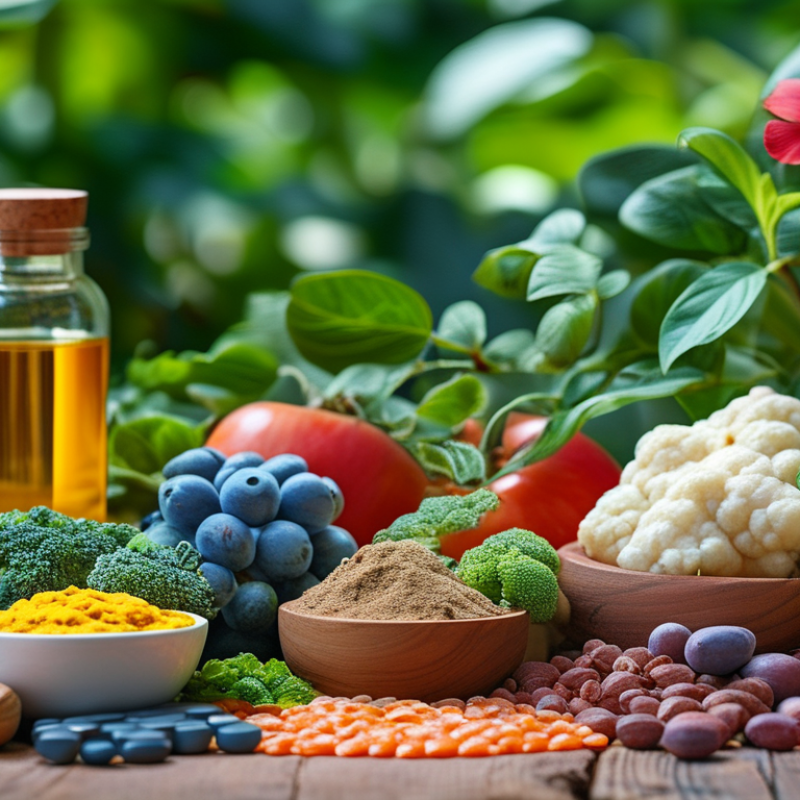
Definition of Phytonutrient Blend and Key Components
A phytonutrient blend consists of various plant-derived compounds. These compounds, often referred to as phytochemicals, contribute to plant color, flavor, and disease resistance. Many have beneficial effects on human health. They fall into categories like flavonoids, carotenoids, and polyphenols. Each group has distinct properties, supporting overall wellness.
Flavonoids are abundant in fruits, vegetables, and teas. They help fight inflammation and boost heart health. Carotenoids, found in carrots and sweet potatoes, improve vision and enhance skin health. Polyphenols are linked to improved gut health and may have anti-cancer properties. These compounds work synergistically in a phytonutrient blend, amplifying health benefits.
Creating a balanced diet rich in phytonutrients can be challenging. It requires conscious choices and variety. Some people may struggle with incorporating diverse foods consistently. Understanding individual nutritional needs is crucial. The journey to optimal health through phytonutrient blends is ongoing and requires reflection and effort.
Benefits of Phytonutrient Blend for Health
Health Benefits of Phytonutrients in Daily Diet
Phytonutrients are natural compounds found in plants. They offer numerous health benefits when included in our daily diet. These compounds are responsible for the vibrant colors and flavors of fruits and vegetables.
Rich in antioxidants, phytonutrients help combat oxidative stress. They support the immune system, promote heart health, and may even enhance mental function.
Including a variety of colorful fruits and vegetables ensures you get a spectrum of phytonutrients. For example, red tomatoes are rich in lycopene, while green leafy vegetables provide chlorophyll and lutein. These nutrients help lower inflammation and reduce the risk of chronic diseases.
Tips for incorporating phytonutrients: Choose seasonal produce for the best flavor and nutrients. Aim for at least five servings of fruits and vegetables daily.
A rainbow on your plate not only looks appealing but also boosts your nutrient intake. Sometimes, convenience foods replace fresh options, which can limit essential nutrients.
Reflect on your dietary choices, and consider simple swaps to enhance your daily meals.
Sources of Phytonutrients: Fruits, Vegetables, and Herbs
Phytonutrients are compounds found in plants. They provide numerous health benefits. Fruits, vegetables, and herbs are rich sources of these nutrients. Each source offers unique advantages, promoting overall well-being.
Fruits are vibrant and tasty. They are often high in vitamins and antioxidants. For example, berries are packed with anthocyanins. These compounds may help reduce inflammation. Citrus fruits, like oranges, contain flavonoids. They can support the immune system. Vegetables, on the other hand, offer a variety of phytonutrients. Leafy greens are rich in carotenoids. These are known to support eye health. Colorful veggies, such as bell peppers, provide capsanthin, which may have heart benefits.
Herbs often go unnoticed but are powerful too. For instance, basil and parsley are more than just seasoning. They are sources of essential oils and antioxidants. These can aid digestion and boost immunity. Including a blend of fruits, vegetables, and herbs in your daily diet is crucial. However, many struggle with this. It can be overwhelming to incorporate enough variety. Consider starting small. Gradually increase your intake to enjoy the full health benefits.
How to Incorporate Phytonutrient Blends into Your Meals
Incorporating phytonutrient blends into your meals is a simple way to boost health. These blends provide vitamins,
minerals, and antioxidants from various plant sources. You can mix them into smoothies, salads, or even baked
goods.
A colorful smoothie with spinach, berries, and nuts can offer a potent nutrient punch.
Here are some tips for easy integration: add kale to your morning omelet for a nutrient boost. Toss a handful of
chickpeas into your salad for extra protein and fiber. You can even sprinkle herbs like parsley and cilantro on
dishes to enhance flavor and nutrient density.
Experimenting can lead to discoveries about your taste preferences. Sometimes the blend may not taste right.
Adjusting ingredients can help find the perfect balance. Embrace the process of trial and error. Your meals will
become more vibrant and nourishing with a bit of creativity and mindful selection.
Potential Risks and Considerations When Consuming Phytonutrient Blends
Phytonutrient blends offer potential health benefits. They are packed with vitamins, antioxidants, and fiber. However, some risks come with their consumption. Overconsumption of certain phytonutrients may lead to adverse effects. Reports indicate that excessive intake can cause digestive issues or nutrient imbalances. Thus, moderation is vital.
When trying phytonutrient blends, it’s essential to be aware of possible allergies. Some individuals may react negatively to specific plant compounds. A study from the Journal of Nutrition highlights that allergy rates to certain foods can increase with blend formulations. Always check ingredient lists carefully before trying new products.
Tips: Start with small servings to assess your body’s response. Stay informed about the sources of your phytonutrients. Keeping a food diary can help you track your experiences. Listening to your body will guide you towards safe consumption. Awareness and moderation can enhance the benefits of phytonutrient blends while minimizing risks.
FAQS
: A phytonutrient blend consists of plant-derived compounds called phytochemicals. They boost color, flavor, and health benefits.
Key components include flavonoids, carotenoids, and polyphenols. Each has unique properties that support wellness.
Flavonoids, found in fruits and vegetables, help fight inflammation and improve heart health.
Yes, carotenoids from foods like carrots enhance vision and promote skin health.
It's important to have variety and make conscious choices. Some may struggle with consistent incorporation.
Overconsumption can cause digestive issues. Moderation is vital to avoid negative effects.
Start with small servings. Track your body's response to identify any allergies or sensitivities.
Adjust the ingredients. It may take time to find the right balance for your taste preferences.
Keep a food diary to monitor how your body reacts and what works for you.
No, it requires reflection and ongoing effort. Embrace trial and error as part of the process.
Conclusion
A phytonutrient blend is a combination of various plant-based compounds that provides numerous health benefits. These blends typically include key components such as flavonoids, carotenoids, and polyphenols, which are essential for maintaining overall health. Incorporating phytonutrients into your daily diet can enhance immune function, reduce inflammation, and lower the risk of chronic diseases.
Sources of phytonutrients include a wide range of fruits, vegetables, and herbs, offering a colorful array of dietary options. To effectively incorporate phytonutrient blends into meals, one can add these ingredients to smoothies, salads, and soups. However, it is important to consider potential risks, such as allergies or interactions with medications, and consult a healthcare professional when making significant dietary changes. Overall, a phytonutrient blend can be a beneficial addition to a balanced diet.

 Botanical