What Is Grapefruit Extract and How Is It Used?

Time:2026-09-07 Author:Sienna
0%

Grapefruit Extract appears in supplements, beverages, skincare formulas, and natural health products. Yet the name can describe different materials, including fruit, peel, or seed compounds. Their chemical profiles are not identical. That distinction matters when evaluating safety, quality, and expected results.

Pharmacologist David G. Bailey, PhD, helped establish grapefruit’s connection with medicine metabolism. A practical warning often associated with this research is, “Grapefruit juice can affect how your medicines work.” Certain grapefruit compounds may influence intestinal enzymes and transport proteins, including CYP3A4. As a result, some medicines can reach higher or lower levels in the bloodstream. The effect depends on the product, dose, formulation, and individual medication.

The category is not perfectly standardized. Grapefruit seed extract deserves extra caution because commercial products may vary widely in composition. Some studies have also questioned whether antimicrobial effects came from added preservatives rather than grapefruit itself. That finding is uncomfortable, but useful. It reminds readers to examine laboratory methods, ingredient labels, and independent testing.

This guide explains what Grapefruit Extract is, how manufacturers produce it, and where people commonly use it. It also considers evidence, limitations, and possible interactions. A small bottle can look harmless. Its chemistry may be more complicated. Anyone taking prescription medicine should consult a pharmacist or physician before using grapefruit-based supplements. Natural does not automatically mean predictable.
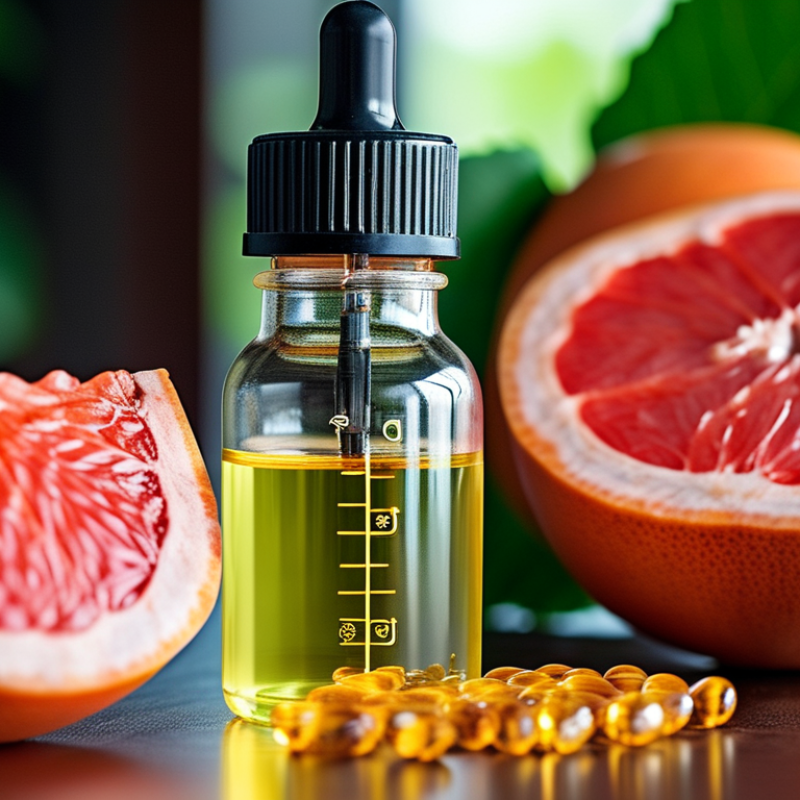
What Is Grapefruit Extract and How Is It Used?

Definition and Main Types of Grapefruit Extract

Grapefruit extract is a concentrated preparation made from grapefruit seeds, peel, pulp, or juice. Manufacturers use water, alcohol, glycerin, or supercritical carbon dioxide to draw out selected compounds. The final profile depends on the plant part and extraction method. It is not simply “grapefruit juice in a bottle.”

The main types differ in purpose and chemistry. Seed extract is usually marketed as a source of polyphenols, although its composition can vary sharply between batches. Peel extract contains aromatic oils and flavonoids, creating a sharper smell and more bitter taste.

Pulp or juice extract generally provides soluble flavonoids and organic acids. Oil-based peel extracts are used in flavoring and personal-care formulations. They are highly concentrated.

A 2024 Grand View Research assessment identifies food and beverage as a leading application area within the wider citrus-extract market. The report also links demand to clean-label flavoring and plant-based ingredients. These figures describe citrus extracts broadly, not grapefruit alone. That distinction matters.

Product labels should state the plant part, solvent, concentration, and testing method. Independent testing can verify markers such as naringin, but marker levels do not prove a medical benefit.

Some grapefruit compounds can alter drug metabolism, so consumers should check with a qualified healthcare professional. The evidence is uneven. More standardization is still needed.

How Grapefruit Extract Is Produced

Grapefruit extract is produced from juice, peel, pulp, or seeds, depending on its intended use. The process begins with mature fruit, careful washing, and mechanical sorting. USDA Foreign Agricultural Service’s Citrus: World Markets and Trade report estimated global grapefruit and pomelo production at about 6.9 million metric tons in 2023/24. That large supply supports food, cosmetic, and research applications.

Producers may press the fruit, then concentrate the liquid through controlled evaporation. Peel extracts often use water, food-grade ethanol, or other approved solvents to release flavonoids and aromatic compounds. Seed extracts require drying, grinding, extraction, filtration, and concentration. The final liquid or powder is tested for moisture, microbial contamination, pesticide residues, and solvent limits. ISO 22000-based food safety systems can support this control. Yet, the process is not perfectly uniform. Variety, harvest timing, temperature, and extraction time can change the chemical profile. “Grapefruit extract” is therefore not one standardized substance.

Tips: Check the plant part, extraction solvent, concentration ratio, and testing information. A clear specification sheet is more useful than a broad health promise. Also, grapefruit compounds may affect certain medicines, so professional medical advice matters before regular use.

FAOSTAT’s crop statistics also show why origin records matter: grapefruit output varies by season and region. Traceability helps connect a batch to its farm, processing date, and laboratory results. Small details matter. Extraction still needs judgment.

Key Compounds and Potential Properties

Grapefruit extract is made from different parts of the fruit, including the pulp, peel, and sometimes seeds. Its composition depends on the extraction method and the plant material used. This matters because “grapefruit extract” is not one standardized ingredient.

Key compounds include naringin, naringenin, hesperidin, limonoids, and volatile oils. Peel-based extracts may also contain furanocoumarins, which can affect how the body processes certain medicines. These compounds may show antioxidant or antimicrobial activity in laboratory studies. However, laboratory results do not always predict effects in people. The evidence remains uneven.

Some people use grapefruit extract in dietary supplements, beverages, or personal-care formulas. Potential uses often relate to antioxidant support, flavor, or surface cleansing. Strong health claims need caution. Extract strength varies widely, and some products may contain unexpected ingredients or inaccurate labels. I would not assume that a natural source guarantees safety. That assumption is easy, but incomplete.

Tips: Check the plant part, extraction method, and standardization details. Ask a pharmacist before using it with prescription medicine, especially treatments affected by grapefruit compounds. Stop if unusual symptoms appear. Fresh grapefruit and concentrated extract are not interchangeable.

What Is Grapefruit Extract and How Is It Used?

Grapefruit extract is made by concentrating compounds from grapefruit, including vitamin C and flavonoids such as naringin and naringenin. The chart shows selected mineral and vitamin values in raw grapefruit per 100 g edible portion, providing nutritional context for the source fruit.

Grapefruit-derived compounds are studied for antioxidant and other potential biological properties. However, extract composition can vary substantially by fruit variety, processing method, and concentration. Grapefruit products may also interact with medicines by affecting drug-metabolizing enzymes, including CYP3A4, so medical advice is appropriate before use with prescription medicines.

Common Uses in Food, Supplements, and Personal Care

Grapefruit extract is made from different parts of the fruit, including the juice, peel, or seeds. Its composition depends on the extraction method. Some products provide citrus flavor, while others contain concentrated plant compounds. The label does not always make that distinction easy.

In food, small amounts may add a sharp, fresh note to drinks, sauces, confectionery, or baked goods. It can also support antioxidant claims, although those claims require careful interpretation. In supplements, grapefruit extract is commonly sold in capsules, liquids, or powders. People may use it for general wellness or digestive support. Evidence varies, and laboratory findings do not always predict real health benefits. I would not treat it as a cure.

Medication safety matters. Grapefruit compounds can change how the body absorbs or breaks down certain medicines, including some cholesterol, blood pressure, and transplant drugs. Anyone taking regular medication should ask a pharmacist before using grapefruit products. Personal care formulas may include the extract in cleansers, lotions, scalp products, or exfoliating blends. Citrus ingredients can feel refreshing, but sensitive skin may react with redness or stinging. Patch testing is sensible. Keep products away from the eyes, and use sun protection when recommended. More natural does not always mean gentler.

What Is Grapefruit Extract and How Is It Used? - Common Uses in Food, Supplements, and Personal Care
Category Source or Form Common Components Typical Uses Important Notes
Food and Beverages Juice, pulp, peel, or concentrated extract Citrus flavor compounds, organic acids, flavonoids, and natural pigments Flavoring in drinks, sauces, dressings, desserts, marinades, and confectionery products The flavor is characteristically citrusy, tart, and slightly bitter. Concentrated products should be used according to the product formulation.
Dietary Supplements Liquid, capsule, powder, or standardized botanical preparation Flavonoids such as naringin and related citrus compounds; composition varies by plant part and extraction method Used in products marketed for antioxidant support, general wellness, or digestive support Health claims and composition can differ substantially between products. Evidence for many supplement claims is limited or mixed.
Grapefruit Seed Extract Extract made from grapefruit seeds and sometimes other fruit tissues Plant-derived compounds; the final composition depends on processing and added ingredients Found in some household, food-preservation, and personal-care formulations Laboratory antimicrobial activity does not automatically demonstrate the same effectiveness in people or in finished products.
Personal Care Citrus peel extract, juice extract, seed extract, or grapefruit essential oil Volatile aroma compounds, flavonoids, acids, and other botanical constituents Used for fragrance, refreshing sensory properties, cleansing products, shampoos, soaps, and skin-care formulas Citrus oils and extracts may irritate sensitive skin. Some citrus constituents can increase sun sensitivity, especially when used in leave-on products.
Antioxidant Interest Fruit, peel, or seed-derived extract Flavonoids and other polyphenolic compounds Included in foods, beverages, supplements, and cosmetic formulas for their antioxidant-related properties Antioxidant activity measured in laboratory tests should not be interpreted as proof of a specific clinical benefit.
Flavor and Aroma Peel oil, juice concentrate, or aromatic extract Limonene and other naturally occurring volatile compounds Adds grapefruit character to beverages, desserts, fragrances, bath products, and cleaning formulations Aroma strength depends on concentration, extraction method, storage, and whether the product is water- or oil-based.
Medication Interaction Concern Grapefruit fruit, juice, and some concentrated extracts Furanocoumarins and other compounds that may affect intestinal drug-metabolizing enzymes or transporters Relevant when grapefruit products are consumed with certain prescription or over-the-counter medicines People taking medication should check the official medicine information or ask a pharmacist before using grapefruit extract.
Product Selection Food ingredient, supplement, cosmetic ingredient, or essential oil Content varies according to plant part, solvent, concentration, standardization, and processing Choose based on the intended use, ingredient list, directions, and applicable safety information “Grapefruit extract” is not a single standardized substance; products with the same general name may have different chemical profiles.
General safety reminder: Grapefruit extract is not interchangeable with grapefruit juice or whole grapefruit. Follow the product directions, avoid applying concentrated extracts directly to the eyes or broken skin, and seek professional advice when medication interactions may be possible.

Safety Considerations, Interactions, and Storage

Grapefruit extract is a concentrated preparation made from grapefruit peel, pulp, or seeds. Its composition can vary considerably between products. That matters. A Canadian Medical Association Journal review reported that grapefruit can interact with 85 medicines, with 43 capable of causing serious adverse effects. The risk involves compounds that inhibit intestinal enzymes and transport proteins, potentially raising medicine levels in the bloodstream.

Safety depends on the medicine, dose, and extract strength. The U.S. Food and Drug Administration advises checking grapefruit warnings before using related products with prescription or over-the-counter treatments. Possible consequences include dizziness, muscle injury, abnormal heart rhythms, or excessive sedation. Extract should not be treated as automatically gentler than grapefruit juice. Supplements may also differ between batches, and clinical evidence for some claimed benefits remains limited, as noted by the National Center for Complementary and Integrative Health.

Ask a pharmacist before combining grapefruit extract with regular medication, especially treatments for cholesterol, blood pressure, anxiety, or organ transplantation. Keep a written list of supplements. It prevents guesswork. Store the container tightly closed in a cool, dry cupboard, away from sunlight and bathroom humidity. Follow the product’s expiry date and discard it if the smell, color, texture, or seal changes. Refrigeration is unnecessary unless the label specifically requires it. I would not rely on internet dosage advice; product concentrations are often unclear, and that uncertainty deserves more attention.

FAQS

: What is grapefruit extract?

: It is a concentrated preparation from grapefruit seeds, peel, pulp, or juice. It is not simply bottled grapefruit juice.

What are the main types of grapefruit extract?

Seed extracts often contain polyphenols, but their composition may vary. Peel extracts contain aromatic oils and flavonoids. Pulp and juice extracts usually contain soluble flavonoids and organic acids.

How is grapefruit extract produced?

Producers wash and sort mature fruit before pressing or drying it. They may use water, approved alcohol, glycerin, or controlled carbon dioxide extraction. Filtration and concentration follow.

Why can two extracts differ?

Fruit variety, harvest timing, temperature, and extraction time can change the chemical profile. Different plant parts also produce different compounds. It is not fully standardized.

What information should a product label provide?

Look for the plant part, extraction solvent, concentration, and testing method. A specification sheet is useful. Vague health promises are less helpful.

Can testing prove that grapefruit extract provides medical benefits?

Testing can measure markers such as naringin or other compounds. Those levels do not prove a medical benefit. The evidence remains uneven.

Can grapefruit extract interact with medicines?

Yes, some grapefruit compounds can change how certain medicines are processed. Possible effects include dizziness, muscle injury, abnormal heart rhythms, or excessive sedation. Ask a pharmacist before regular use.

How should grapefruit extract be stored?

Keep it tightly closed in a cool, dry cupboard. Protect it from sunlight and bathroom humidity. Discard it if the seal, smell, color, or texture changes.

Is a standard dosage easy to determine?

Not always. Extract strengths and concentrations can differ between products and batches. Internet dosage advice may be unreliable. I would not guess.

Conclusion

Grapefruit Extract is a concentrated preparation made from grapefruit peel, pulp, or seeds. It may be produced through methods such as pressing, water extraction, or alcohol-based extraction, resulting in different forms, including liquid extracts, powders, and aromatic oils. Its composition can include vitamin-related compounds, flavonoids, organic acids, and naturally occurring plant chemicals, although the exact profile depends on the grapefruit part used and the production method.

Grapefruit Extract is commonly used to add flavor or aroma to foods, beverages, dietary supplements, skincare products, and personal-care formulas. Some of its compounds are studied for antioxidant and antimicrobial potential, but these properties do not guarantee specific health benefits. Users should follow product directions, consider possible allergies or skin sensitivity, and consult a healthcare professional before taking concentrated extracts with medicines, since grapefruit compounds may affect how certain drugs are processed. Store the product in a cool, dry place away from heat, light, moisture, and children.


Sienna

Sienna

Sienna is a skilled marketing professional with a deep expertise in our company’s core products and services. With a passion for innovation and detail, she plays a pivotal role in crafting insightful blog posts that not only highlight the unique features of our offerings but also provide valuable......