Choosing a greens powder in 2026 requires more than attractive packaging or a long ingredient list. The Best Natural Greens Powder should fit your diet, health goals, budget, and daily routine. In everyday use, convenience matters. A jar can look impressive, yet remain untouched beside the blender. Real use tells a different story. Taste, texture, serving size, and mixing speed often decide whether a product earns a place in your morning.
This guide examines greens powders through a practical, evidence-aware lens. We will review ingredient transparency, independent testing, contamination controls, and meaningful nutrient information. A trustworthy brand should identify plant sources and disclose proprietary blends clearly. It should also explain allergen controls, manufacturing standards, and recommended serving limits. “Natural” is not a complete quality guarantee. Nor does a bright green color prove superior nutrition. Scientific evidence for individual ingredients can vary, and some claims remain weaker than marketing suggests.
Readers should compare products with their own circumstances in mind. People taking medication, managing kidney disease, pregnant, or breastfeeding should seek qualified medical advice before using concentrated supplements. Greens powders cannot replace vegetables, fruit, protein, sleep, or regular meals. That sounds obvious. It is easy to forget. We will highlight strengths, limitations, and uncomfortable trade-offs, including cost, flavor fatigue, and limited long-term research. The goal is not to crown one universal winner, but to help you choose carefully, read critically, and notice what a label leaves unsaid.
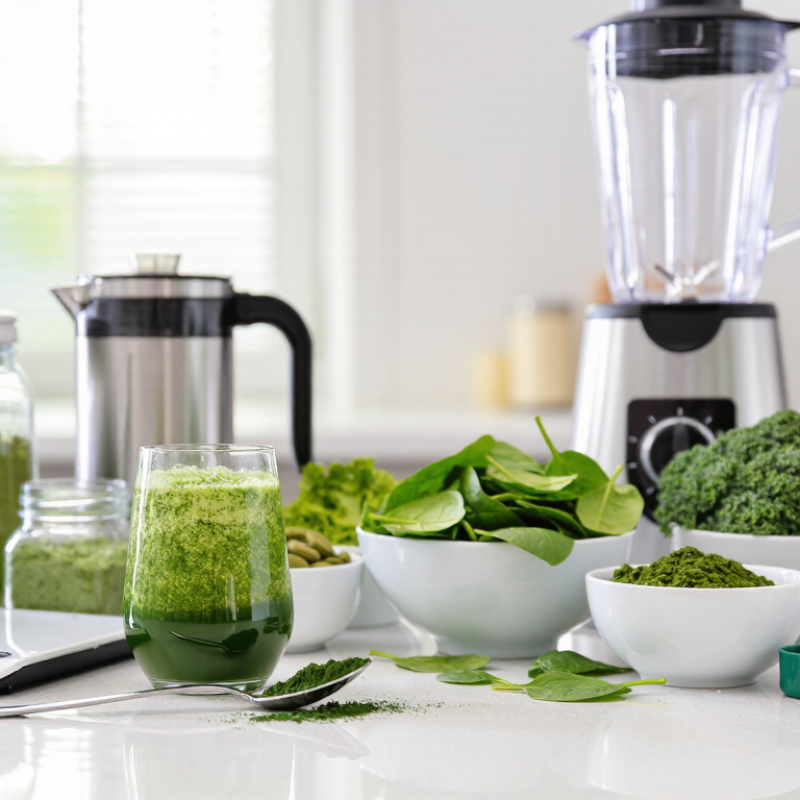
Natural greens powders are concentrated blends of dried vegetables, leafy greens, herbs, algae, fruits, and sometimes digestive enzymes. Manufacturers usually wash, chop, dehydrate, and mill these ingredients into a fine powder. Some formulas also use freeze-drying or gentle low-temperature processing to protect color and flavor.
Formulation details matter more than bright packaging. A powder may contain spinach, kale, wheatgrass, spirulina, or broccoli, but the amounts can vary widely. Look for a complete ingredient list with serving quantities, not vague “proprietary blends.” Independent testing can help verify heavy metals, microbes, and undeclared substances. I once assumed a darker green powder contained more nutrients. That assumption was too simple. Color can come from ingredients, processing, or natural pigments.
Tips: Check the serving size, testing information, allergen statement, and added sweeteners. Choose simple formulas when possible. If the product causes bloating, reduce the portion or stop using it. People with medical conditions, allergies, or prescribed medicines should ask a qualified healthcare professional first. Greens powders can complement vegetables, but they cannot fully replace fresh produce, fiber, or balanced meals. Some claims may sound impressive, yet evidence differs between ingredients. This is where careful reading matters.
A useful greens powder should provide more than a dramatic green color. Check the nutrition panel for meaningful amounts of fiber, vitamin K, folate, magnesium, potassium, and carotenoids. Many products contain tiny servings that look impressive but add little nutrition. I now compare nutrient amounts with daily values, not ingredient counts. That habit prevents expensive guesswork.
Ingredient quality matters too. Look for vegetables, leafy greens, herbs, and algae with clearly stated quantities. A long proprietary blend makes evaluation difficult. Third-party testing can support trust by checking heavy metals, microbes, and label accuracy. Choose products with batch information and accessible testing policies. The powder should mix evenly in cold water, without excessive grit or artificial sweetness.
I once assumed a darker powder was automatically better. It was not. Color can reflect concentrated pigments, not superior nutrition. Probiotics may help some people, but their strains and survival claims need careful examination. Added enzymes are not essential for everyone. Also check vitamin K if you use blood-thinning medication, and ask a clinician about pregnancy or medical conditions. Greens powder is a supplement, not a replacement for vegetables, beans, fruit, or regular meals. Even a carefully tested formula may offer less fiber than a bowl of spinach and lentils. That limitation deserves attention.
How to Choose the Best Natural Greens Powder in 2026?
A quality greens powder should show every ingredient clearly, including plant parts and serving amounts. Vague terms like “proprietary blend” make comparison difficult. Look for a current certificate of analysis, preferably linked to a specific batch number. It should report testing for heavy metals, microbes, pesticides, and common allergens. Testing should come from an independent laboratory, not only an internal quality team. That distinction matters.
Check how the powder is processed and stored. Moisture can damage flavor and increase contamination risks after opening. A dry scoop, sealed container, lot number, and clear expiration date are practical signs of responsible handling. GMP certification can support confidence, but it does not prove every ingredient is effective. Read the actual testing details.
Purity is more than a short ingredient list. Watch for hidden sweeteners, unnecessary fillers, and concentrated herbs that may interact with medicines. Natural does not automatically mean safe for everyone. People with allergies, pregnancy concerns, kidney conditions, or prescription medications should ask a qualified healthcare professional. Start with a small serving if the label allows it. I still find attractive packaging easy to overtrust. A clean-looking powder proves very little without transparent evidence. Taste and color can vary naturally, so neither one confirms safety.
How to Choose the Best Natural Greens Powder in 2026?
How to Match a Greens Powder to Your Dietary Needs
Choosing a greens powder starts with your diet, not its color or popularity. A vegan user may prefer plant-based ingredients, while someone avoiding gluten needs clear third-party testing. People with allergies should check every ingredient, including natural flavors, probiotics, and processing aids. Read the label slowly. Small print matters.
Your daily needs also influence the choice. If you rarely eat vegetables, a blend with leafy greens, algae, and fiber may add variety. However, it cannot replace fresh produce, protein, or a balanced meal. If you follow a low-FODMAP diet, some fruit powders or added fibers may cause discomfort. I once assumed “natural” meant gentle, but that was too simple. My stomach disagreed.
Tips: Compare serving sizes, not just container prices. Look for transparent ingredient amounts and independent contaminant testing. Choose products with fewer unnecessary sweeteners. If you take medication, ask a qualified healthcare professional about possible interactions. Keep a short food-and-symptom note for one week after starting. Stop if you notice persistent bloating, rash, or other unusual reactions. A dietitian can help when your needs include pregnancy, kidney conditions, or medically restricted minerals.
How to Choose the Best Natural Greens Powder in 2026?
Value means more than the lowest price. Calculate the cost per serving, then check the actual nutrients provided. A large container may look economical, but oversized servings can reduce its value. I also review ingredient amounts, added sweeteners, and independent testing information. Transparent labels are easier to trust. However, testing claims can vary, so I look for clear explanations rather than impressive wording.
Taste decides whether a powder becomes part of daily life. Mix one serving with cold water, not only a smoothie. Notice the aftertaste, texture, and how quickly it dissolves. A mild flavor usually works better with breakfast. Sustainability also deserves practical attention. Consider recyclable packaging, responsible ingredient sourcing, and shipping distance when information is available. Some environmental claims remain vague. That should make shoppers pause.
Daily use requires realistic habits. Keep the powder near a glass or shaker, and choose a serving size that fits your routine. I prefer products with simple instructions and no unnecessary stimulants. Still, convenience can hide weaknesses. My first comparison focused too heavily on price and ignored taste; I stopped using the cheaper powder after a week. A greens powder can support a varied diet, but it cannot replace vegetables, protein, or medical guidance. Check allergens and personal dietary needs carefully. Small decisions matter.
Category-level benchmark scores compare value, taste, sustainability, and daily-use practicality. Scores are based on typical characteristics of each format rather than any company or brand.
How to read the chart: Higher scores indicate stronger overall performance. Value considers typical serving cost and ingredient density; taste reflects common flavor intensity and mixability; sustainability considers ingredient sourcing and packaging efficiency; daily use reflects preparation time, versatility, and ease of maintaining a routine.
Look for meaningful amounts of fiber, vitamin K, folate, magnesium, potassium, and carotenoids. Compare percentages with daily values. Ingredient count alone can mislead.
Not necessarily. Dark color may reflect concentrated pigments rather than superior nutrient levels. I once trusted color too much.
It should list each plant, plant part, and serving amount clearly. Avoid vague proprietary blends. Clear quantities make comparisons easier.
Seek independent laboratory testing linked to a specific batch number. Reports should cover heavy metals, microbes, pesticides, allergens, and label accuracy.
Look for a sealed container, dry scoop, lot number, and expiration date. Store it away from moisture. Damp powder is a warning sign.
Mix one serving with cold water. Notice its flavor, aftertaste, grit, and dissolving speed. A mild powder may suit breakfast better.
No. Check vitamin K if you take blood-thinning medication. Ask a healthcare professional about pregnancy, allergies, kidney conditions, or prescription medicines.
No. It may support a varied diet, but it cannot replace vegetables, beans, fruit, protein, or balanced meals. A bowl of spinach and lentils usually provides more fiber.
Calculate cost per serving, then inspect actual nutrient amounts. A large container may seem cheaper but offer weak nutrition. My first price comparison missed taste.
Consider recyclable packaging, responsible sourcing, and shipping distance when disclosed. Vague environmental claims deserve caution. Convenience is not proof of quality.
Choosing the Best Natural Greens Powder in 2026 requires more than selecting a product with an attractive label. A greens powder may combine vegetables, fruits, herbs, algae, fiber, and supportive nutrients, so it is important to understand how the formula is created and whether the ingredients are provided in useful, transparent amounts. Focus on nutrients that complement your diet, while considering dietary preferences, sensitivities, allergens, and any ingredients you may wish to avoid.
Quality and safety should also guide your decision. Look for clear ingredient lists, responsible sourcing, independent testing, contaminant screening, and manufacturing standards that support purity and consistency. Beyond nutrition, compare serving cost, flavor, texture, packaging, sustainability, and how easily the powder fits into your daily routine. The most suitable option is not necessarily the most expensive or complex; it is the one that offers dependable quality, an enjoyable experience, and practical nutritional support for your individual goals.

Botanical