Choosing the Healthiest Green Superfood Powder requires more than trusting bright packaging or “detox” language. The global superfoods market was valued at approximately USD 162.6 billion in 2023, according to Grand View Research’s 2024 market report. However, definitions vary widely. Some reports include fresh foods, supplements, and fortified drinks together. That makes the numbers useful, but imperfect.
Consumer interest is real. The Council for Responsible Nutrition reported that 74% of U.S. adults used dietary supplements in 2023. Yet popularity does not prove quality. A green powder should be judged by its ingredient list, serving sizes, sugar content, allergen statements, and testing standards. Look for independent certification, such as NSF Certified for Sport or USP Verified, when available. Check the batch details. A transparent label is a practical starting point.
Michael Pollan, professor and food-policy writer, offers a useful principle: “Eat food. Not too much. Mostly plants.” His statement comes from In Defense of Food, not from a powder advertisement. That distinction matters. Even the Healthiest Green Superfood Powder cannot replace vegetables, legumes, fruit, or adequate protein. Some products may provide useful fiber or micronutrients, while others mainly deliver flavoring and marketing. The difference can hide inside one scoop.
This guide examines evidence, formulation, safety, and real-world usability. It also questions common assumptions. “Natural” is not automatically safer. “More greens” is not automatically better. Nutrient needs differ, and product quality can change. Choose carefully.
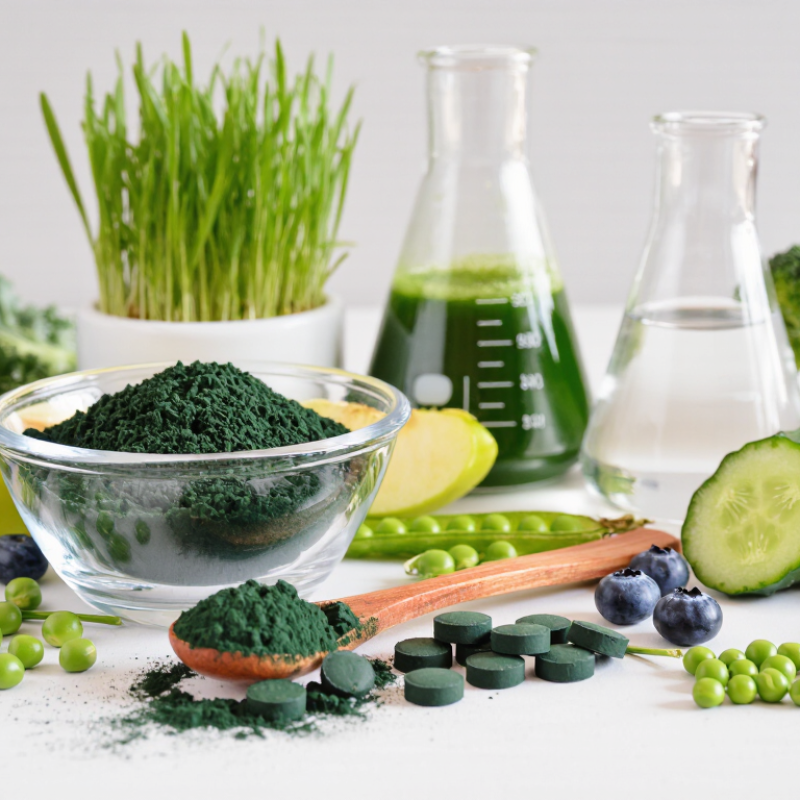
A green superfood powder is a concentrated mixture of plant ingredients, usually dried and milled into a fine powder. It may contain leafy greens, grasses, algae, herbs, vegetables, fruit, or added fibers. The word “superfood” sounds scientific, but it has no strict nutritional definition. Ingredients and nutrient levels can differ widely.
Processing matters. Gentle drying may help preserve some nutrients, yet heat, storage, and light can reduce sensitive vitamins. A powder may also provide useful plant compounds, but it cannot reproduce the full value of fresh vegetables. Fiber is often lower than expected. Check the nutrition panel, ingredient order, serving size, and added sweeteners. A long ingredient list is not automatically better.
Quality needs closer attention. Look for clear sourcing, batch information, and independent testing for heavy metals and microbial contamination. This is especially important for products containing algae, herbs, or plants grown in polluted areas. No powder can “detox” the body in a proven, magical way. The liver and kidneys already perform that work. I have found powders convenient on rushed mornings, especially mixed with plain yogurt or water, but the taste can be harsh. Realistically, they should supplement a varied diet, not replace vegetables, legumes, or medical advice. Claims about disease treatment deserve skepticism. Even healthy ingredients may interact with medicines or cause digestive discomfort. Small details matter.
A practical, brand-neutral comparison of common ingredients, nutritional characteristics, and quality checks
| Ingredient or Category | What It Is | Notable Nutritional or Bioactive Features | What to Look for on the Label | Important Considerations |
|---|---|---|---|---|
| Leafy Greens Kale, spinach, parsley |
Dehydrated leafy vegetables that are milled into a powder. | Vitamin K Carotenoids Folate Minerals | Specific vegetable quantities, rather than only a general “greens blend”; clear serving size; nutrition facts panel. | Powdered greens can supplement vegetable intake but should not replace a varied diet of whole vegetables. Vitamin K content may matter for people taking warfarin. |
| Wheatgrass and Barley Grass | Young shoots of wheat or barley harvested before the grain develops. | Chlorophyll Polyphenols Small amounts of micronutrients | Exact ingredient amount, allergen statement, manufacturing controls, and testing for microbial contamination. | Despite common “detox” marketing, there is no reliable evidence that these powders remove toxins from the body. Wheatgrass is generally gluten-free when harvested before seed formation, but cross-contact is possible. |
| Spirulina | A blue-green cyanobacterium commonly sold as a dried powder. | Protein Iron Phycocyanin | Species identification, lot-specific testing, and screening for heavy metals, toxins, and microbial contaminants. | Spirulina is not a dependable vitamin B12 source because much of its B12-like activity is not biologically active B12. Choose carefully if pregnant, immunocompromised, or allergic to algae products. |
| Chlorella | A freshwater green microalga with a relatively high protein content by dry weight. | Protein Iron Carotenoids Chlorophyll | Broken-cell-wall processing information, ingredient amount, allergen details, and contaminant testing. | Digestive discomfort can occur in some people. Chlorella may contain vitamin K, so medication users should check with a qualified healthcare professional. |
| Matcha or Green Tea Powder | Finely ground green tea leaves consumed as a powder. | Catechins Caffeine L-theanine | Caffeine amount per serving, total serving size, and testing for heavy metals and pesticide residues. | Caffeine can affect sleep, heart rate, anxiety, and blood pressure. Avoid assuming that “green” means caffeine-free. |
| Cruciferous Vegetables Broccoli, cabbage, kale |
Vegetables from the Brassica family, supplied as powders or sprout-based ingredients. | Glucosinolates Vitamin C Carotenoids | Named vegetable source, processing method, and whether a standardized compound amount is provided. | Processing and storage can affect heat-sensitive nutrients and plant compounds. A powder is not nutritionally equivalent to a full serving of fresh vegetables unless the label supports that claim. |
| Added Fiber Inulin, psyllium, flax, or other plant fibers |
Optional ingredients added to increase fiber or improve texture. | Soluble fiber Prebiotic potential Satiety support | Grams of dietary fiber per serving, type of fiber, and clear directions for mixing with enough liquid. | Increase fiber gradually. Rapid increases may cause gas or bloating. Psyllium can affect medication absorption when taken too closely together. |
| Fruit and Vegetable Concentrates | Dried juice, puree, or whole-food concentrates included for flavor, color, or nutrients. | Polyphenols Carotenoids Natural flavor compounds | Whether the ingredient is a whole-food powder, juice powder, or extract; sugar content; and the amount per serving. | Concentrates may add flavor without providing the fiber found in whole produce. Check for added sugars and proprietary blends. |
| Quality and Safety Criteria | Non-ingredient factors that help determine whether a powder is suitable for regular use. | Identity testing Heavy-metal testing Microbial testing Accurate labeling | Full ingredient disclosure, lot number, expiration date, allergen information, and independent third-party certification where available. | Supplements are not automatically risk-free. Choose products with transparent testing documentation and consult a healthcare professional when pregnant, breastfeeding, taking medication, or managing a medical condition. |
General guidance: The healthiest green superfood powder is usually one with transparent ingredients, meaningful amounts of recognizable foods, minimal added sugar, no unnecessary proprietary blend, and appropriate contaminant testing. Nutrient values vary substantially by ingredient, processing method, and serving size.
It is a fine powder made from dried and milled plants. Ingredients may include leafy greens, grasses, algae, herbs, vegetables, fruit, or fiber. “Superfood” has no strict nutritional definition.
No. It may provide plant compounds, but it cannot reproduce the full value of fresh vegetables. Fiber is often lower than expected. Use it to supplement meals.
Check ingredient order, serving weight, nutrient amounts, and added sweeteners. A long ingredient list is not automatically better. Some impressive extracts provide little nutritional detail.
Look for clear sourcing, batch information, and independent testing. Testing should cover heavy metals and microbial contamination. This matters especially for algae, herbs, and plants grown in polluted areas.
Compare grams per serving, not only scoop size. Scoops can weigh differently between formulas. Start with the smallest suggested amount. More is not better.
Concentrated fiber may cause bloating or loose stools. Unusual reactions deserve attention. Mix the powder with water or food. That small step may improve comfort.
People taking medication, managing kidney disease, or following restricted diets should ask first. Check carefully for dairy, soy, gluten, added sugar, or specific herbs. “Natural” does not always mean suitable.
There is no proven magical detox effect. The liver and kidneys already perform that work. Be skeptical of disease-treatment claims. The wording can sound stronger than the evidence.
Mix a modest serving with plain yogurt or water, especially on rushed mornings. The taste may be harsh. I once assumed more ingredients meant broader benefits. That was too simple.
Choosing the Healthiest Green Superfood Powder starts with understanding what these products contain and how they may support a balanced diet. Green powders often combine vegetables, algae, grasses, herbs, fruits, fiber, vitamins, and minerals, but their nutritional value can vary widely. Focus on meaningful nutrients, clearly listed ingredients, sensible serving sizes, and formulas that match your dietary needs, such as plant-based, allergen-aware, low-sugar, or caffeine-free options.
Quality and transparency are equally important. Look for products that identify ingredient amounts, explain sourcing, provide testing information, and avoid unnecessary additives or exaggerated claims. Consider your personal goals, whether they involve adding more plant nutrients, supporting convenient nutrition, or complementing an active lifestyle. Start with the recommended serving, mix the powder into water or a smoothie, and monitor how your body responds. A thoughtful comparison of ingredients, safety standards, dietary compatibility, and practical use can help you choose a product that fits your routine responsibly.

 Botanical